

Soothe tight, sore muscles and keep moving — often with things already sitting in your kitchen.
If you’ve ever been stopped in your tracks by a muscle that suddenly seizes up — a knotted shoulder after a long day at the desk, a charley horse in the middle of the night, the deep ache that follows a hard workout — you know how disruptive it can be. The instinct is usually to reach straight for a painkiller or a tube of ointment. But before you do, it’s worth knowing that a surprising number of everyday foods, herbs, and oils can help your muscles let go and ease the pain naturally.
Let’s look at what actually causes muscles to cramp and spasm in the first place, then walk through nine natural relaxers worth keeping on hand — plus a simple homemade massage oil and the point at which you really should call a doctor.
What Causes Muscle Spasms?
A muscle spasm is an involuntary contraction — your muscle tightens or seizes when you don’t want it to. The neck, shoulders, and back tend to take the brunt of it, usually thanks to posture, but a spasm can strike almost anywhere: your calves, hamstrings, feet, hands, even your abdomen (1).
The usual culprits include:
Overdoing it — long or strenuous exercise that pushes muscles past their limit.
Poor posture — slumping through long work hours, rough on the back, neck, and shoulders.
Awkward positions — sleeping or walking in ways that strain a muscle.
Menstrual cramps — uterine contractions during your period.
A sedentary lifestyle or rapid weight gain, which leaves muscles stiffer and more spasm-prone.
Sudden movements — a twist, a bump, or a fall.
Nutrient gaps — particularly low magnesium, vitamin D, or protein.
Underlying conditions — arthritis, fibromyalgia, and, more rarely, disorders like multiple sclerosis or muscular dystrophy.
For everyday aches and the occasional cramp, natural remedies can go a long way. Plenty of herbs and plant extracts have genuine muscle-relaxing and anti-inflammatory properties (2). Here are nine of the most useful.
Key Takeaways
– The usual triggers — most spasms come down to posture, overexertion, dehydration, or a nutrient shortfall.
– Key nutrients — topping up vitamin D, magnesium, and protein can make cramps less frequent.
– Diet and fluids — a balanced diet and plenty of water genuinely help.
– Massage — working diluted essential oils into tight areas helps them release.
– Heat vs. ice — heat relaxes muscles, ice calms swelling; knowing which to use matters.
9 Natural Muscle Relaxers
1. Chamomile
 Save
SaveChamomile is far more than a bedtime tea. It’s rich in anti-inflammatory flavonoids and has long been used for everything from insomnia and anxiety to muscle spasms and menstrual cramps (3). You’ve got two easy options: sip chamomile tea to help loosen stiff, sore muscles, or massage diluted chamomile essential oil into the affected area to boost circulation and ease the spasm. Its antispasmodic properties make it especially handy for period cramps (4).
One aromatherapist and beekeeper who blogs about her craft swears by chamomile compresses for a sore back, often blending it with lavender: “I’ve found blue [chamomile] to be the more anti-inflammatory of the two,” she notes. Sometimes the folk wisdom and the science line up nicely.
2. Tart Cherry Juice
Cherries — tart cherries in particular — are loaded with antioxidants and anti-inflammatory compounds that can help muscles recover and reduce soreness (5). The research is most convincing for athletes: studies on runners and marathoners found that tart cherry juice helped ease exercise-induced muscle damage and sped up recovery (6). If you train hard, a glass before and after a session is an easy habit to build.
3. Blueberries
 Save
SaveLike cherries, blueberries punch above their weight thanks to antioxidants and anti-inflammatory polyphenols. They may improve exercise performance, lower inflammation markers, and speed recovery after a workout (7). A pre- and post-workout blueberry smoothie is a genuinely pleasant way to support muscle repair — and there’s some evidence the same anti-inflammatory effects may help ease chronic pain and stiffness in older adults too.
4. Cayenne Pepper
The heat in cayenne comes from capsaicin, and that’s exactly what makes it useful. Applied as a cream, capsaicin can help relieve muscle soreness and spasms, and it’s been studied specifically for the pain of fibromyalgia (8). You can cook with cayenne, but for targeted relief, look for a capsaicin cream and apply it to the sore area — just wash your hands well afterward and keep it away from your eyes.
5. Pomegranate Juice
Pomegranate juice is another quietly effective recovery drink. In one study, weight-lifters who drank it had less muscle damage and recovered faster, and other research has linked it to greater strength and less soreness in the arm muscles after exercise (9). If you want variety beyond cherry juice, this is a worthy alternative.
6. Peppermint
 Save
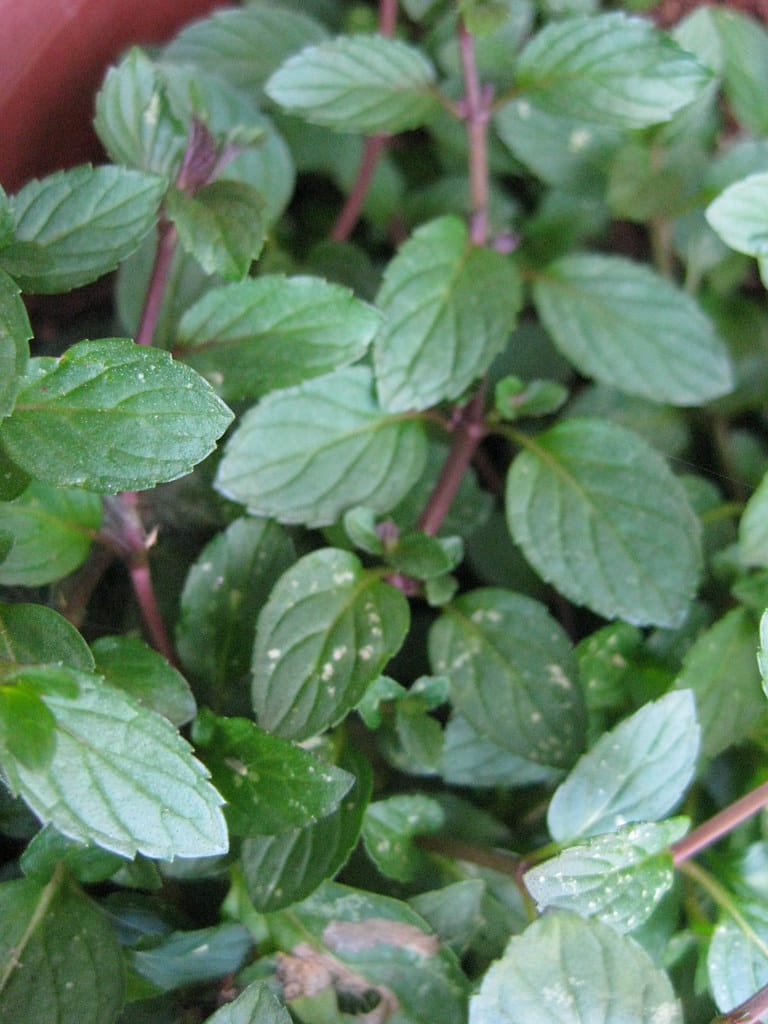
SaveThat cooling, tingling sensation from peppermint comes from menthol — a compound with genuine pain-relieving properties that shows up in plenty of commercial rubs. Peppermint is both antispasmodic and anti-inflammatory, which helps muscles relax (10). Two ways to use it:
Peppermint tea — steep a few fresh mint leaves in boiling water; it may help take the edge off pain.
Peppermint oil massage — diluted and rubbed onto a sprain or sore spot, it offers a cooling effect and encourages the muscle to release.
A quick caution: peppermint oil isn’t ideal for people with liver, bile duct, or gallbladder conditions, so check with your doctor if that applies to you.
7. Rosemary
Rosemary is more than a roast-potato herb — it helps relax muscles and soothe joint pain, and it’s traditionally used for menstrual cramps (11). Try a warm bath infused with rosemary leaves, or massage the sore area with rosemary essential oil diluted in a carrier oil.
8. Lavender
 Save
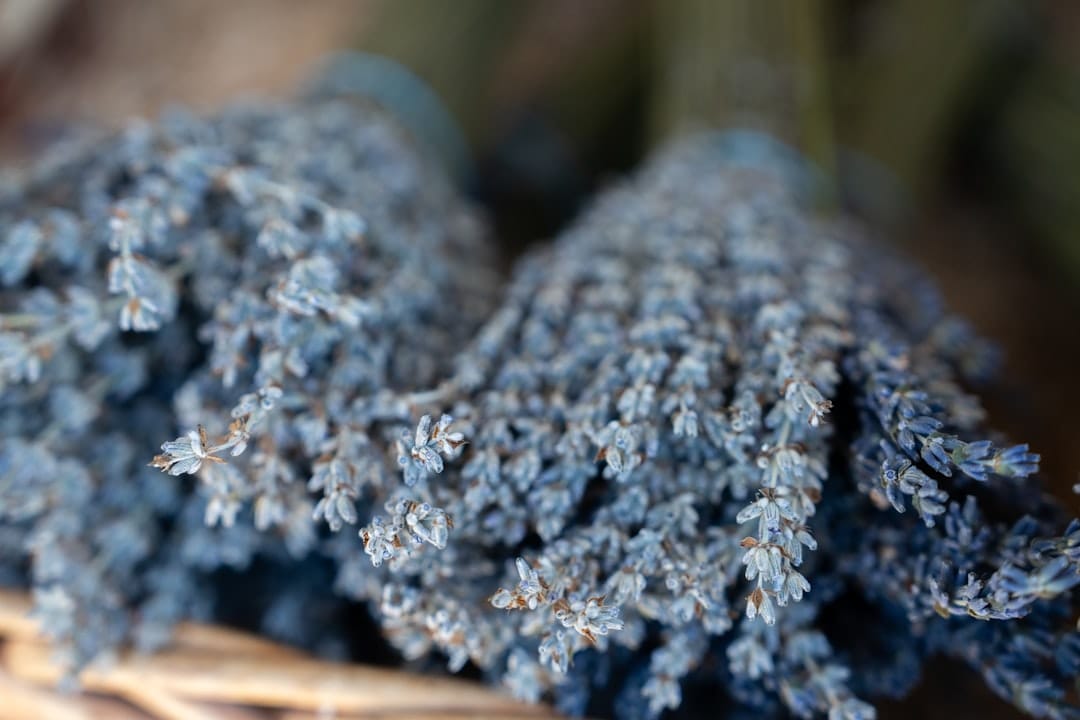
SaveLavender is best known for calming the mind, but it’s a capable muscle relaxer too. Lavender essential oil can help ease sore muscles, knee pain, and menstrual cramps (12). A gentle massage with diluted lavender oil, followed by a warm shower, improves circulation and helps tight muscles unwind — and you’ll probably sleep better for it.
9. Essential Oils and Aromatherapy
Beyond peppermint, lavender, and rosemary, several other essential oils are good allies for muscle tension — lemongrass, frankincense, and cypress among them (13). Aromatherapy puts these to work to soothe both body and mind.
One rule matters above all: always dilute essential oils before they touch your skin. A safe ratio is about one drop of essential oil per teaspoon of a carrier oil like almond, coconut, or jojoba. Undiluted oils can irritate or burn.
A Note on Nutrients
Sometimes the fix is dietary. If you cramp often, pay attention to three nutrients:
Magnesium — a deficiency frequently shows up as muscle pain and spasms (14). Load up on almonds, bananas, spinach, brown rice, black beans, edamame, and legumes. A soak in warm water with magnesium-rich Epsom salt is another easy route.
Vitamin D — recurring spasms can signal a shortfall, especially in people who get little sun (15). Sunlight, fish, eggs, and milk help; a supplement may be worth discussing with your doctor.
Protein — adequate protein helps muscles repair and reduces exercise-induced damage and soreness. Studies on athletes have linked protein supplementation to noticeably less soreness after hard efforts.
A Homemade Muscle-Relaxant Oil
 Save
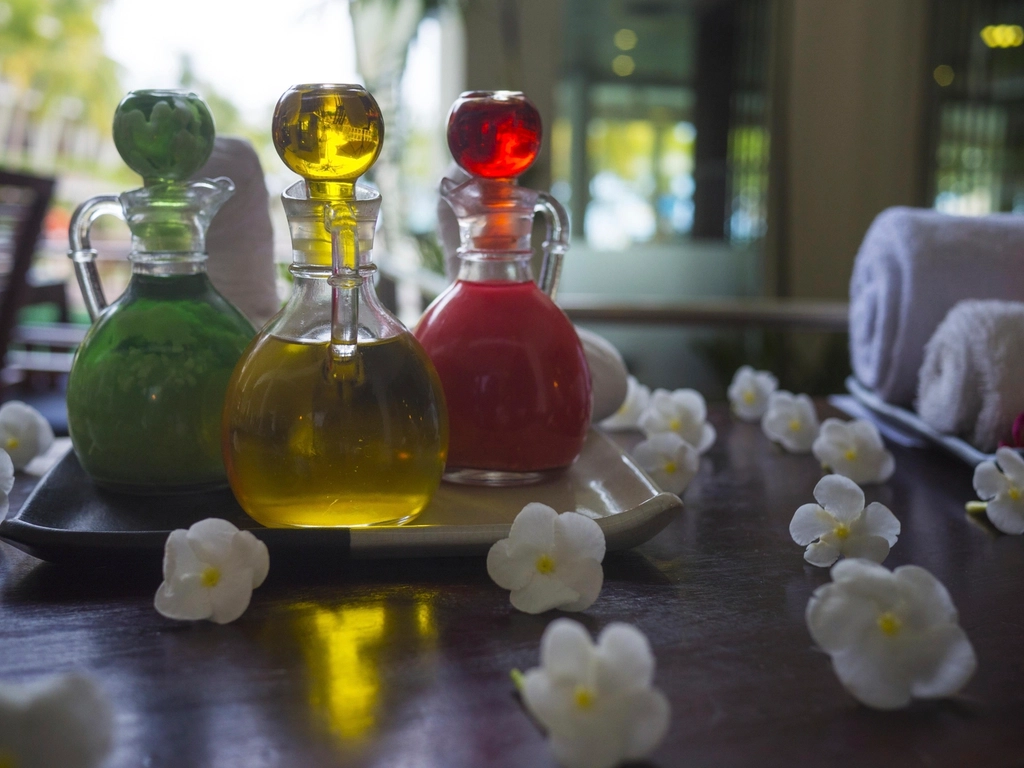
SaveWant a single blend to keep on the shelf? This one’s simple.
You’ll need:
Carrier oil — ½ cup (coconut, olive, or jojoba).
Lavender oil — 10 drops.
Peppermint oil — 10 drops.
Eucalyptus oil — 5 drops.
How to make it:
Step 1 — pour the carrier oil into a clean, dry glass bottle.
Step 2 — add the lavender, then the peppermint (for that cooling kick), then the eucalyptus.
Step 3 — seal and shake gently to combine.
Step 4 — massage a small amount into the sore area whenever you need it.
Other Ways to Ease Muscle Spasms
Remedies aside, a few basics make a real difference:
Rest. Most spasms come from overworked muscles. Sleep, fluids, and giving the area a break let it recover and prevent longer-term damage.
Massage. The right pressure releases knots and relaxes tight muscle. You can do it yourself or see a qualified therapist for deep-tissue work.
Heat or cold. Heat boosts circulation and relaxes muscles; ice calms inflammation and swelling. Match the method to the problem — warmth for tightness, cold for a fresh injury.
OTC medication, sparingly. Painkillers and rubs have their place for getting through a tough day, but they’re not meant for long-term use and can carry side effects.
When to See a Doctor
Natural relaxers are great for everyday aches and the occasional cramp, but they’re not a cure-all. If your pain doesn’t ease over a few days, keeps coming back, or is severe, see your healthcare provider — persistent spasms can point to an underlying issue that deserves proper attention.
Frequently Asked Questions
What lifestyle changes support muscle relaxation?
The everyday stuff works: regular stretching, good hydration, a balanced diet, and stress management all ease tension. Decent posture, enough sleep, and moderate exercise round it out.
Is CBD oil a muscle relaxant?
Many people use CBD oil for muscle relief and chronic pain, and some research is promising — but talk to your doctor first, especially if you take other medications.
What’s the strongest natural muscle relaxer?
There’s no single winner; it depends on the cause of your pain. Chamomile and pomegranate juice are often singled out as particularly effective.
Does drinking water really help with cramps?
Yes. Dehydration is a common, easily overlooked trigger for cramps, so staying well hydrated is one of the simplest preventives there is.
The Bottom Line
Muscle aches and spasms are an almost universal nuisance, but you don’t have to default to the medicine cabinet every time. Chamomile, peppermint, lavender, tart cherry, pomegranate, and a handful of well-chosen nutrients can all help your muscles relax and recover — gently and naturally. Pair them with rest, the occasional massage, and the right heat-or-ice call, and most everyday soreness will ease on its own. If it doesn’t, that’s your cue to check in with a professional.
This article is for general informational purposes only and isn’t a substitute for professional medical advice, diagnosis, or treatment. Talk to a qualified healthcare provider before using new remedies or supplements, especially if you’re pregnant, take medication, or have an existing health condition.