
What Coconut Water Really Does for Your Body (and Its Limits)
Coconut water hydrates, supports your heart, and may steady blood sugar. Here’s what the research shows, how much to drink, and who should be careful.

Teas and everyday drinks examined properly: what fennel and buckwheat brews do for digestion and heart health, and where lemon tea carries risks.
Coconut water hydrates, supports your heart, and may steady blood sugar. Here’s what the research shows, how much to drink, and who should be careful.
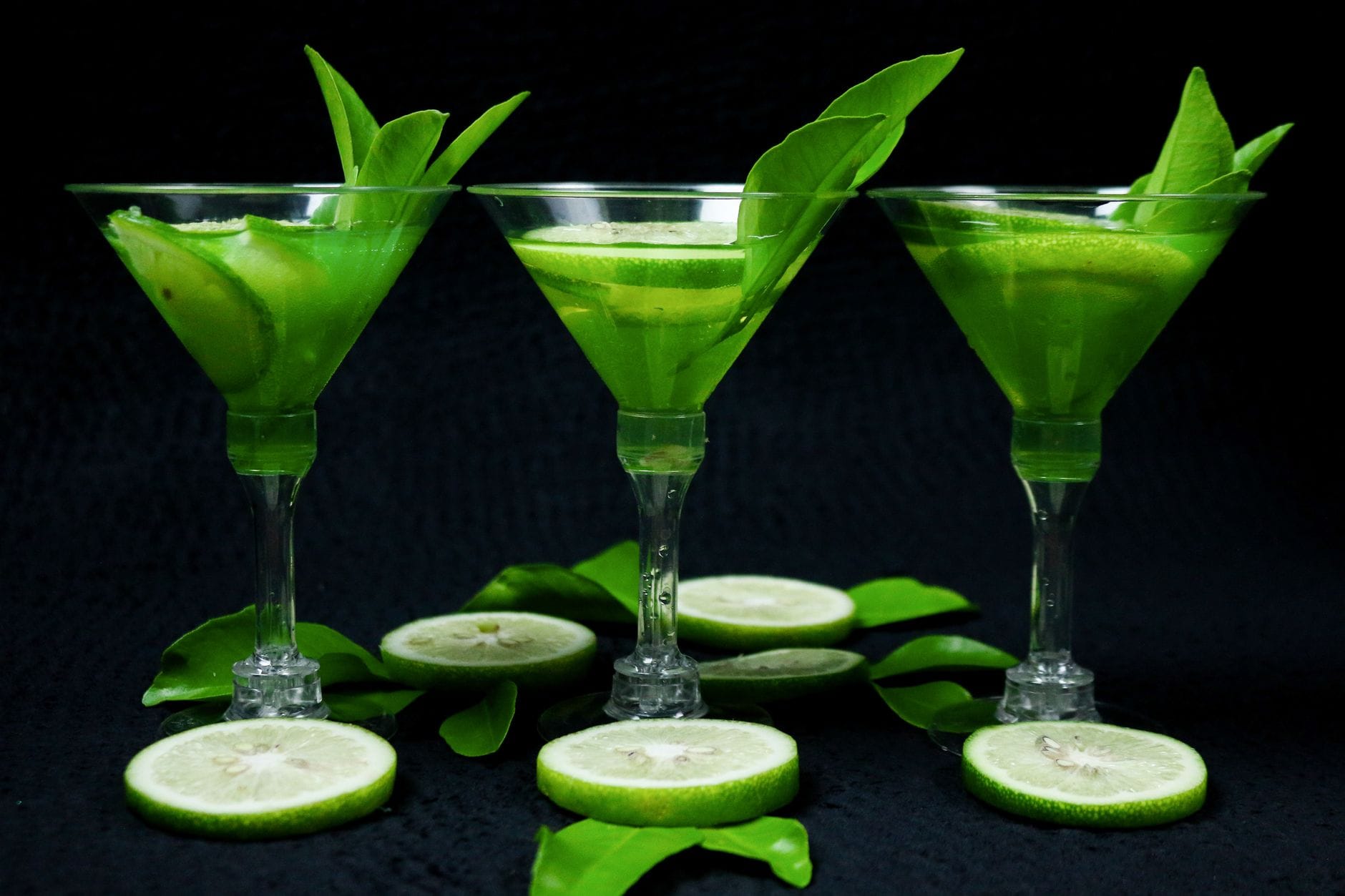
Okra water is a nutrient-rich drink made from soaked okra pods. Here’s what research suggests about blood sugar, immunity, and heart health, plus how to make it.
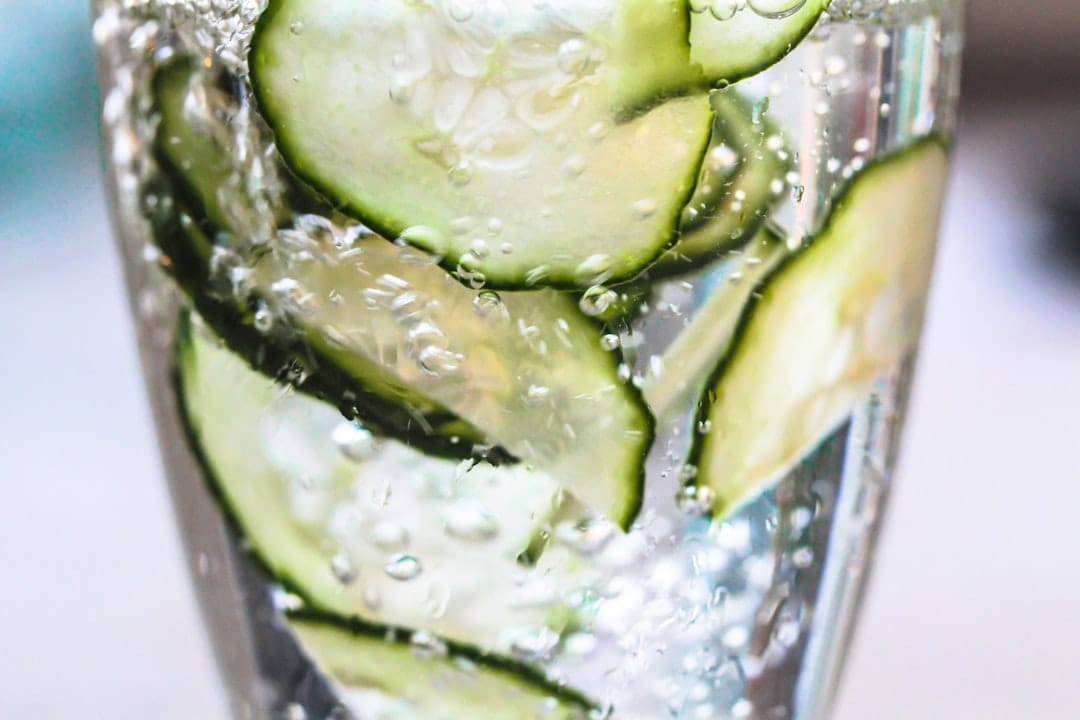
Cucumber water is a low-calorie way to stay hydrated. See how it may support weight loss, blood pressure, skin, and how to make it at home.

Red wine vs white wine, compared honestly: how each is made, their polyphenols and tannins, heart benefits, calories, and the downsides worth knowing.

A frozen blueberry lemonade slushie with vodka, built from five ingredients. The ratios that keep it slushy, a zero-proof version, and sensible limits.

A strawberry rhubarb shrub is fruit, sugar, and vinegar turned into a sharp cordial. Here is the cold-process method, the ratios, and how to drink it.

A frozen root beer float you drink through a straw. Three ingredients, no ice cream machine, plus a lower-sugar version that still tastes like the original.

Pumpkin spice eggnog made the cooked-custard way, so it is thick and safe to drink. Temperatures that matter, a spiked version, and a dairy-free swap.

A deep red sangria built on blood orange and roasted beetroot. The ratio, the overnight steep that makes it work, and an honest note on beets and alcohol.

A four-ingredient frozen blueberry lemonade with no added syrup needed. The freezer-pack method for making it ahead, plus how to cut the sugar sensibly.

Hibiscus tea is a tart, caffeine-free herbal brew studied for lowering blood pressure and cholesterol, supporting the liver, and more. Here’s what to know.

Whiskey in moderation may help cholesterol, heart, blood sugar, digestion, and dementia risk. Here’s what the research shows and the real limits to respect.