

A slippery little vegetable, soaked overnight, turned into the internet’s new wellness drink.
Plenty of people love the idea of okra’s nutrients but can’t get past the slimy texture on their plate. Okra water is the workaround. You soak the pods in water, let the good stuff seep out, and drink the infusion instead of chewing the vegetable. It has caught on across Japan and much of Asia, and athletes reportedly like it because it’s light and refreshing.
The pitch is that okra water carries most of the same magnesium, calcium, vitamin C, and B vitamins found in the raw pods, minus the effort of cooking. Some of those claims have real research behind them. Others are still mostly promise. Here’s how to tell them apart.
Key Takeaways
– Okra water is made by soaking okra pods in water, usually overnight, so their water-soluble nutrients infuse into the liquid.
– The signature sliminess comes from mucilage, which holds sugars like rhamnose, galactose, and galacturonic acid.
– Studies, many in animals, point to possible benefits for blood sugar, immunity, and antioxidant protection.
– Morning on an empty stomach is the commonly suggested time to drink it.
– Too much can upset your stomach, causing bloating, gas, or loose stools.
What Okra Water Actually Is
Okra (Abelmoschus esculentus) goes by a long list of names: lady’s finger, gumbo, bhindi, guibeiro. It’s cheap, it’s tasty, and it delivers protein, fiber, calcium, and iron. Cooks have simmered it into soups and stews for generations.
Chef Rowena Murakami describes okra water simply: “It’s made by blending a few pieces of vegetable with water. The water turns green and has a slimy texture similar to aloe vera juice.” Not everyone blends, though. Some people just slice the pods, drop them in a jar, and leave them to steep overnight or for a full day.
That gel-like quality is the mucilage coating the pods. It’s rich in water-soluble sugars and has a long history in Asian medicine as a soothing agent for gastric irritation. Because so many of okra’s helpful compounds, including its phenolic antioxidants and most of its minerals, dissolve readily in water, the finished drink ends up nutritionally close to the raw pod itself.
Nutrition in a Glass
No lab has pinned down the exact nutrient breakdown of okra water, so estimates lean on the profile of raw okra pods. Per 100 grams, those pods supply a spread of B vitamins, thiamin, riboflavin, niacin, pantothenic acid, B6, and folate, all of which support normal growth and development.
Then there’s vitamin C. As Dr. Debanjan Banerjee puts it, okra “boasts of high vitamin C content, which acts as an antioxidant, helps fight free radicals, combats the signs of aging, and improves our immune system.” Add potassium, folate, and plant antioxidants like flavonoids and polyphenols, and you have a drink that at least on paper earns its healthy reputation.
What the Research Suggests
Most of the evidence here comes from lab dishes and animal models, not large human trials. That’s an important caveat to keep in mind as you read on. The signals are encouraging, but they aren’t the same as proof in people.
Blood Sugar and Diabetes
 Save
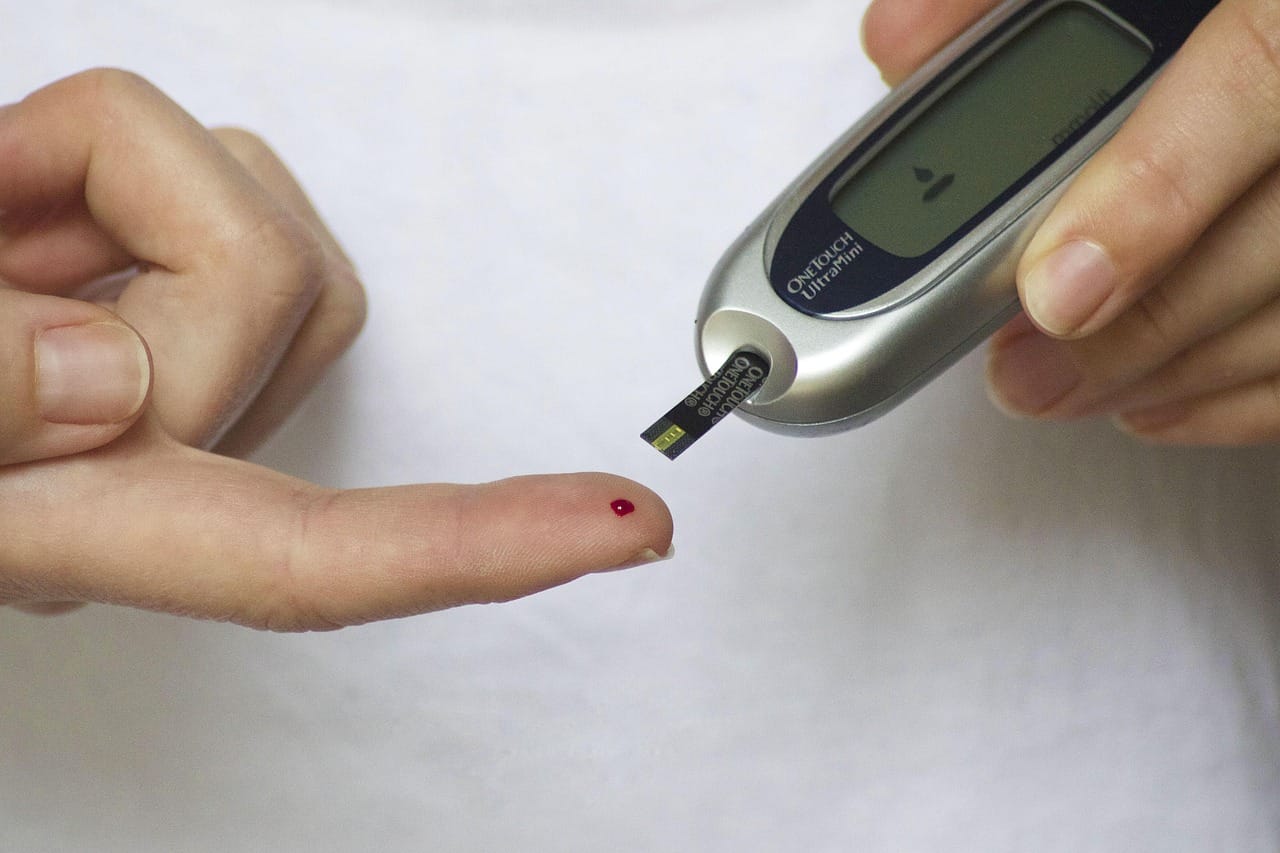
SaveThis is okra water’s strongest case. The pods are loaded with polyphenols and flavonoids such as quercetin, compounds shown to lower elevated blood sugar. Across several studies, water extracts of okra reduced blood glucose and nudged insulin secretion upward in diabetic rats.
One study looked specifically at type 1 diabetes in rats. Animals given the aqueous okra extract showed lower blood sugar, better glucose tolerance, and reduced fat levels, along with improved liver and pancreas health. Traditional healers in various communities have long reached for okra to manage high sugar, and results like these start to explain why.
A Steady Supply of Antioxidants
 Save
SavePhenolic compounds, flavonoids, and vitamin C give okra water genuine antioxidant muscle. These molecules mop up free radicals before they can do damage, which matters for skin in particular. Research links okra’s antioxidants to fewer early signs of aging, like wrinkles, and some protection against sun-related skin damage.
Immune Support
The soluble sugars in okra do more than create texture. Crude okra polysaccharides appear to sharpen immune response, help the body fight microbes, and support spleen function. In one mouse study, animals given okra pod extract became noticeably better at clearing bacteria, showed enhanced spleen activity, and had more active immune cells.
Fighting Off Bacteria
Okra’s phenolic and antibacterial compounds can slow down some troublesome bacteria, including Staphylococcus aureus, Escherichia coli, and Mycobacterium. One study found fresh okra extract outperformed freeze-dried, killing S. aureus and holding back other strains. Researchers traced much of that activity to okra’s natural fatty acids, especially palmitic and stearic acid.
Heart Health
 Save
SaveOkra also carries bioactive compounds that may help bring down raised blood lipids, the kind of fats that, left high, strain the cardiovascular system over time. It’s one more reason the drink gets folded into heart-conscious routines, though this benefit rests on early evidence rather than firm human data.
How to Make It at Home
 Save
SaveThe method is forgiving. Take four or five fresh okra pods, rinse them, and trim the ends. Slice them lengthwise or simply prick them so the mucilage can escape, then drop them into a glass or jar of water. Cover it, leave it on the counter or in the fridge overnight, and strain out the pods in the morning.
The water will look faintly green and feel slightly viscous. Most people drink a single glass a day, first thing, before eating. If the texture puts you off, a squeeze of lemon helps.
Can You Overdo It?
Yes. Okra water is food, not medicine, and moderation still applies. Drinking too much can leave you bloated and gassy or send you running to the bathroom, since the same fiber and mucilage that soothe the gut can overwhelm it in excess. Anyone with an okra allergy should skip the drink entirely. And if you take medication for diabetes, talk to your doctor first, because okra may affect how those drugs work.
Frequently Asked Questions
When is the best time to drink okra water?
Morning, on an empty stomach, is the usual recommendation. That said, any consistent time works; the daily habit matters more than the exact hour.
Can okra water help with weight loss?
Some proponents believe it supports weight management, partly because okra is a good source of manganese, which plays a role in blood sugar metabolism. Direct human evidence is thin, so treat it as a helpful addition rather than a solution on its own.
Does the sliminess mean it’s spoiled?
No. That gel is mucilage, a natural part of the pod, and it’s the whole point of the drink. If the water smells sour or off, that’s a different story and you should toss it.
The Bottom Line
Okra water is a low-effort way to sip some of okra’s nutrients without cooking the vegetable. The most convincing research points to blood sugar support, antioxidant activity, and immune benefits, though a lot of it still comes from animal and lab studies. Treat it as a pleasant, nutrient-friendly habit rather than a cure, keep your portions sensible, and check with a professional if you’re managing diabetes or a known allergy.
This article is for informational purposes only and is not a substitute for professional medical advice. Talk to a qualified healthcare provider before making changes to your diet, especially if you have a health condition or take medication.