
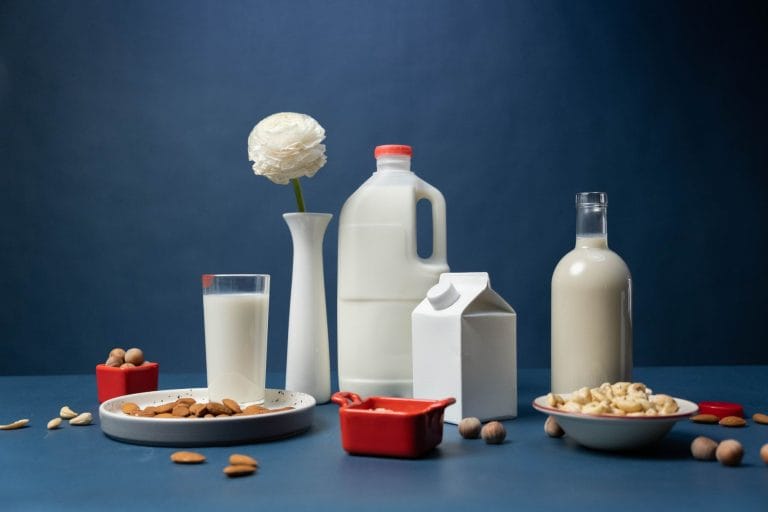
A creamy, nutty, dairy-free drink you can blend in five minutes.
Plant-based milks have crowded the grocery shelf for years now, and cashew milk has quietly earned a loyal following. It is thick, faintly sweet, and genuinely easy to make: soak some cashews, blend them with water, and you are done. For anyone who is lactose intolerant, vegan, or simply looking to cut back on dairy, it slots neatly into coffee, oatmeal, smoothies, and baking.
Beyond being a convenient swap, cashew milk carries a respectable payload of unsaturated fats, minerals, and plant compounds. Here is what nutritionists say it can do, what to watch out for, and how to whip up a batch in your own kitchen.
Key Takeaways
– Cashew milk is made by blending cashews with water, giving a creamy, naturally cholesterol-free drink.
– It may support heart, bone, and eye health, and its iron content can contribute to preventing anemia.
– Unsweetened, commercial versions are very low in calories, which suits a weight-loss plan.
– Store-bought cartons can hide added sugar, so read the label before you buy.
– People with nut allergies or asthma should be cautious or avoid it entirely.
What Cashew Milk Actually Is
The recipe is about as short as recipes get. “When cashews and water are blended, the liquid that we obtain is cashew milk,” explains consultant nutritionist Dr. Swapan Banerjee. “It is thick, white, and creamy, with a nutty flavor to it.”
Unsweetened cashew milk tends to beat cow’s milk on a few counts, carrying more vitamin A and calcium while delivering fewer calories and less sugar. Homemade versions are just cashews and water. Cartons vary by brand and often come fortified with calcium carbonate, vitamins A, D2, and E, a pinch of salt, and lecithin as an emulsifier. Some are sweetened, some are not, so the nutrition on two labels can look surprisingly different.
What’s Inside a Glass
Roughly 100 grams of commercial cashew milk provides:
Calories — 79 kcal
Protein — 2.2 g
Carbohydrates — 5.73 g
Fat — 5.29 g
Fiber — 0.4 g
Calcium — 9 mg
Iron — 1.51 mg
Magnesium — 35 mg
Phosphorus — 66 mg, plus potassium, sodium, and zinc
The cashews themselves bring the good stuff: unsaturated fatty acids, some fiber and protein, minerals, phytosterols (plant compounds that may help lower cholesterol), and antioxidant phenolics. One honest caveat is protein. Among plant milks, soy comes closest to dairy on total protein and essential amino acids, while cashew milk sits lower, so it is not a like-for-like protein swap.
Where It May Support Your Heart
 Save
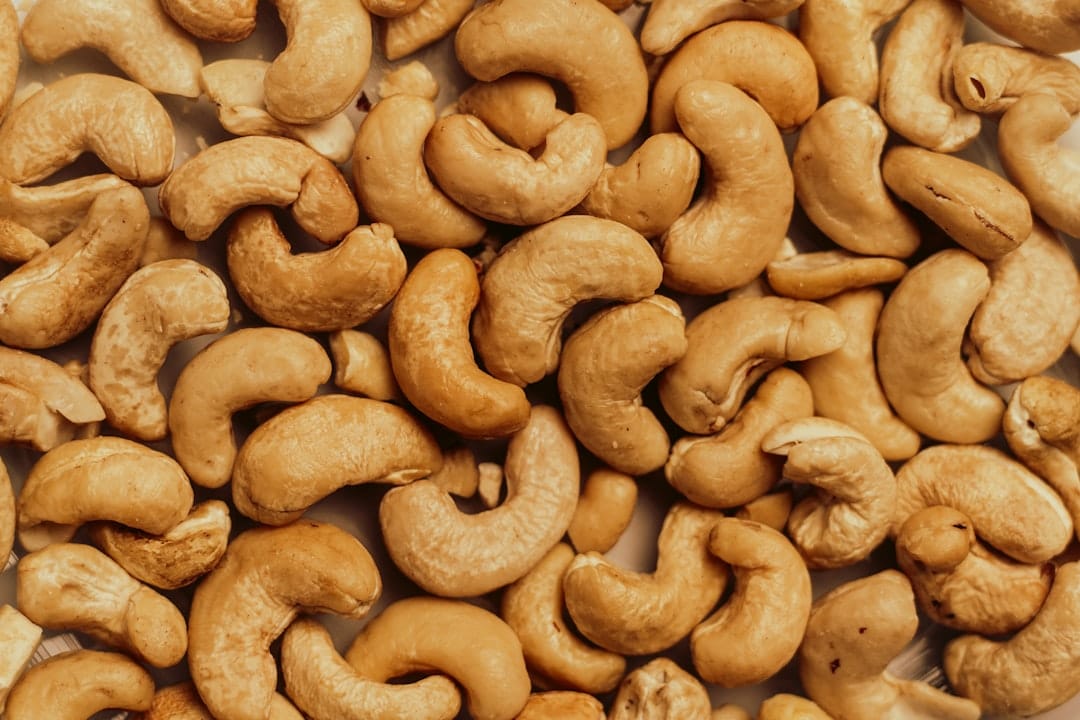
The fats in cashews lean toward the monounsaturated kind, the sort your cardiologist tends to like. Studies on cashew nuts point to lower blood pressure in people with hypertension, along with reductions in LDL and total cholesterol.
The drink also contains no cholesterol of its own. As RDN and physician Clara Lawson puts it, “People can drink it to reduce their increased levels of cholesterol that put them at a higher risk of serious heart conditions.”
A Few More Reasons to Pour a Glass
Cashew milk earns its keep in several other areas, and the evidence behind each varies in strength.
Weight management
 Save
Unsweetened cashew milk is light, sometimes as little as 25 calories a cup, well under cow’s or even almond milk, according to physician Rizza Joyce Mira. Cashews also contain anacardic acid, a compound that appears to limit fat accumulation as fat cells form, which may help keep the scale steady.
Bone strength
Calcium, magnesium, and vitamin D all show up here, and the trio works together, since vitamin D drives the absorption of calcium and phosphorus that harden bone. General guidance calls for 1,000 to 1,500 mg of calcium and at least 400 IU of vitamin D daily to keep bones sturdy.
Eye protection
 Save
Cashews carry β-carotene, lutein, and zeaxanthin. Large studies have tied higher lutein and zeaxanthin intake to a lower long-term risk of age-related macular degeneration, partly because these carotenoids soak up damaging blue light. β-carotene, a vitamin A precursor, has also been linked to reduced cataract risk.
Cancer and gallstone risk
Antioxidant compounds in cashews, including anacardic acid, cardanols, and cardols, have been studied for their potential to slow cancerous cell growth, though this research is on the nuts rather than the milk. On the gallbladder front, one 20-year dietary study of 80,000 women found that eating about an ounce of nuts weekly was associated with a 25% lower risk of gallstones.
Iron for anemia
Because cashews supply iron, a daily glass may lend a hand in preventing anemia by supporting red blood cell production. Lawson suggests it as an everyday habit, though she and others note the direct research on cashew milk here is thin.
How to Make Cashew Milk at Home
 Save
You need almost nothing.
What you need: 1 cup raw cashews and 4 cups water.
Method:
1. Cover the raw cashews with water in a bowl.
2. Soak overnight, or for 4 to 6 hours if you are in a hurry.
3. Drain and rinse the cashews thoroughly.
4. Blend the soaked nuts with 4 cups of fresh water until completely smooth.
5. Strain if you prefer a thinner texture, or leave it as is for a richer glass. Chill and use within a few days.
From here you can stir it into coffee and tea, pour it over cereal, fold it into soups and sauces, or use it cup-for-cup in baking.
A Word on Side Effects
Cashew milk is safe for most people in moderation, but a few groups should think twice. Anyone with a tree nut allergy should avoid it, and people with asthma may react to cashews as well. Sensitive drinkers occasionally report gastrointestinal upset. And sweetened cartons can quietly pile on sugar and calories, which cancels out the weight-friendly appeal, so scan the ingredient list before it lands in your cart.
Frequently Asked Questions
Can I drink cashew milk every day?
Yes, in moderation it is fine as a daily drink for most people. Choose unsweetened where possible, and if you rely on it heavily, round out your protein from other foods since it is lighter on protein than dairy or soy.
Is cashew milk better than almond or oat milk?
It depends on your goal. Cashew milk is creamy and, according to physician Rizza Joyce Mira, tends to be lower in calories than almond milk. None is universally “best,” so pick by taste, calories, and whether you want it fortified.
Does homemade cashew milk need straining?
Not necessarily. A high-powered blender leaves it smooth enough to drink unstrained, which keeps more fiber. Strain it only if you want a thinner, silkier texture for coffee or tea.
The Bottom Line
Cashew milk is a genuinely easy, versatile dairy alternative with a creamy body and a modest but useful nutrient profile. The monounsaturated fats, minerals, and carotenoids behind its heart, bone, and eye benefits are encouraging, even if much of the strongest evidence rests on cashew nuts rather than the milk itself. Make your own to skip the added sugar, keep portions sensible, and steer clear if nuts are off-limits for you. As a swap for cow’s milk, it is a pleasant, low-calorie option worth trying.
This article is for informational purposes only and is not a substitute for professional medical advice. Consult a qualified healthcare provider before making changes to your diet, especially if you have allergies or an existing health condition.