

A tender, pus-filled bump on the gum is your body flagging an infection, and how you respond matters.
You run your tongue along your gum and feel a sore little lump that wasn’t there yesterday. Chewing hurts. Even talking feels off. That bump is often a gum boil, a small abscess that forms when bacteria collect where they shouldn’t. It looks alarming, and it can genuinely make eating miserable, but there’s a lot you can do at home to calm the irritation while you figure out your next step.
The one thing a gum boil should never be is ignored. Left alone, a serious oral infection can spread beyond the mouth, and in rare cases that spread turns dangerous. So think of home care as first aid, not a cure.
Key Takeaways
– A gum boil is a pus-filled bump caused by bacteria building up in the gum, usually near a decayed tooth or in a deep gum pocket.
– Common signs include swollen, tender gums, fever, swollen lymph nodes, and sometimes trouble swallowing or opening the mouth.
– Salt water rinses, diluted hydrogen peroxide, turmeric paste, and certain essential oils can ease symptoms.
– Good daily hygiene and quitting tobacco lower your risk and help the gum heal.
– Persistent, recurring, or untreated abscesses need a dentist, since neglected cases have been linked to serious complications.
What a Gum Boil Actually Is
Also called a parulis or gum abscess, a gum boil is a swollen, pus-filled bump that develops on the gum tissue. It’s a sign that bacteria have overgrown somewhere they’ve been allowed to gather, whether that’s food trapped between teeth, plaque, a decaying tooth, or an existing gum disease.
Dentists generally sort these abscesses into two types. A periodontal abscess forms inside a gum pocket and is one of the more common reasons people end up in a dental chair each year. It’s driven by anaerobic bacteria, and when it keeps coming back without treatment, research has connected recurrent cases to worrying tissue changes. A periapical abscess sits deeper, at the root of the tooth. It’s usually the work of Streptococcus and Bacteroides species, and because the infection sits against the root, it tends to bring tooth and bone pain along with it.
Spotting the Symptoms
Pain in the gum is often the opening act, but a gum boil rarely travels alone. Watch for:
Swollen gums, as the body floods the area with inflammation to fight the bacteria
A fever, which is the immune system turning up the heat
Swollen lymph nodes working to filter out the infection
Sore, tender gums right around the affected tooth
Redness spreading across part of the face
A stiff jaw that’s hard to open (trismus)
Difficulty swallowing if the swelling reaches the throat
Discolored nearby teeth from decay or reduced blood flow
A hoarse voice or noticeable drooling
One blogger writing under the name MsFoy described just how far it can go: “The roof of my mouth swelled to an astonishing size and shape, and everything hurt, my jaws, my tongue, my nose, my sinuses, my left eye, my head, and my neck became very stiff and I had difficulty swallowing.” Not every case is that dramatic, but it’s a fair reminder that these infections can escalate.
Why Gum Boils Form
Most gum boils trace back to bacteria finding an opening. The usual culprits include gum disease such as gingivitis or periodontitis, tooth decay, and an injury or trauma to the mouth. Recent gum surgery, an impacted tooth, or dental work like an extraction or root canal can also create the right conditions. Weak immunity, poor oral hygiene, and tobacco use round out the list. In short, anything that lets bacteria settle and multiply in the gum can set the stage.
Home Remedies Worth Trying
 Save
None of these will replace professional care for a true abscess, but they can take the edge off the pain and support healing. A few double as everyday habits that keep boils from returning.
Start with the basics: brush twice a day, floss daily, cut back on sugary food and drinks, and see a dentist for a cleaning and checkup roughly twice a year. Simple, unglamorous, and genuinely protective.
Quitting smoking belongs on this list too. Tobacco shifts the balance of microbes in the mouth in ways that damage gum tissue, and studies show it can blunt how well gum disease treatment works. Stopping lowers your risk and gives the gum a better shot at recovering.
Salt Water Rinses
 Save
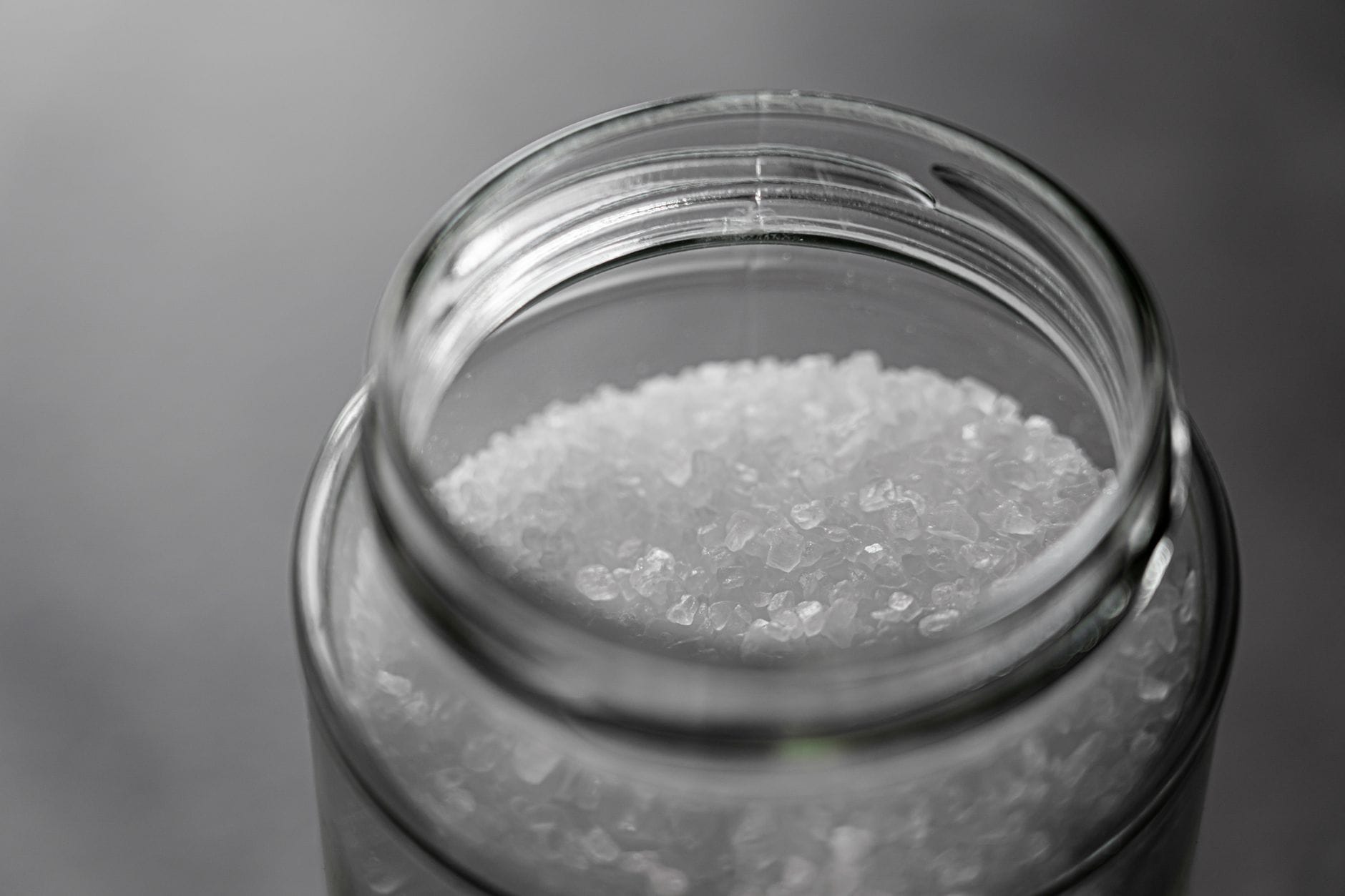
Salt is a natural antibacterial and disinfectant, and rinsing with salt water has been shown to support gum health and oral wound healing. Dissolve about a teaspoon of salt in a cup of lukewarm water, swish it around the sore area for 30 seconds, then spit. Repeat two or three times through the day. It stings a little at first, then soothes.
Hydrogen Peroxide Mouthwash
Hydrogen peroxide is a well-established antimicrobial that fights a range of oral bacteria. A 2011 review found that a hydrogen peroxide rinse paired with daily hygiene helped reduce gum inflammation over time, and a 2017 study on people with moderate to severe periodontitis reported fewer symptoms in the group that used it. Mix one part hydrogen peroxide with two parts water, gargle for 30 seconds, and spit. Use it twice a day, and never swallow it.
Turmeric Paste
 Save
Turmeric has a long history in traditional medicine, and its active compound, curcumin, has been studied for easing periodontal disease and dental pain. To make a paste, stir together a teaspoon of turmeric, half a teaspoon of salt, and half a teaspoon of mustard oil. Brush it onto your teeth twice daily, let it sit for two to five minutes, then rinse thoroughly. It stains, so keep it off your good towels.
Essential Oils
A handful of essential oils show real antimicrobial punch against mouth bacteria. Research suggests tea tree, thyme, and peppermint oils can rival a traditional antiseptic in the mouth. These are potent, so they always need diluting in a carrier before use, and they should never be swallowed.
When You Need a Dentist
 Save
Home remedies buy comfort, not a cure. A gum boil signals an active infection, and the pus won’t simply vanish because the pain eased for an afternoon. If the boil keeps returning, grows, comes with a fever, or brings trouble swallowing or opening your mouth, that’s your cue to get seen. A dentist may drain the abscess, prescribe antibiotics, treat the underlying decay or gum disease, or in some cases perform a root canal or extraction. Delaying only gives the infection more room to spread.
Frequently Asked Questions
Will a gum boil go away on its own?
It might drain and shrink temporarily, which can feel like healing, but the underlying infection usually remains. Without treating the cause, it tends to come back. Treat home care as symptom relief and get the source addressed.
Is it safe to pop a gum boil?
No. Squeezing or piercing it yourself can push bacteria deeper and worsen the infection. Draining should be left to a dental professional working in a clean, controlled way.
How long do these remedies take to help?
Salt water and peroxide rinses can ease soreness within a day or two of consistent use. That comfort doesn’t mean the infection is gone, so keep your dental appointment even if things feel better.
The Bottom Line
A gum boil is a small bump with a loud message: bacteria have taken hold, and your gum needs attention. Salt water, diluted hydrogen peroxide, turmeric paste, and diluted essential oils can quiet the pain, and steady habits like brushing, flossing, and skipping tobacco reduce the odds of another one. Still, these are supporting measures. Because a neglected oral infection can turn serious, the safest path pairs home care with a proper dental evaluation, especially if the boil lingers, recurs, or comes with fever or swelling that spreads.
This article is for informational purposes only and is not a substitute for professional medical or dental advice. If you have a gum boil or symptoms of an oral infection, consult a qualified dentist or physician.