
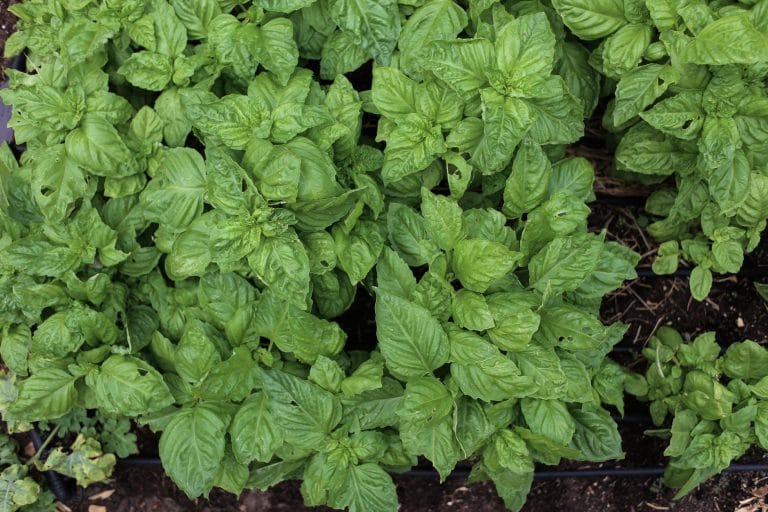
A green Italian classic that tastes like summer and carries a few genuine perks.
Scoop a spoonful of good pesto onto warm pasta and the smell hits first: crushed basil, grassy olive oil, a whisper of garlic and salty cheese. It’s one of those foods that feels indulgent while quietly bringing some real nutrition along for the ride. The sauce is closely tied to Genoa in northern Italy and became a fixture of the Mediterranean way of eating, which is exactly the sort of diet nutrition researchers keep pointing to.
Here’s the honest version of the story: pesto is mostly fat and flavor, but the fat comes largely from olive oil, and the green comes from an herb with a surprising antioxidant résumé. That combination is where its reputation comes from, and also where the caveats live.
Key Takeaways
– Traditional pesto is built from just a few things: fresh basil, extra-virgin olive oil, Parmesan cheese, and often pine nuts and garlic.
– It’s calorie-dense and rich in fat, protein, and calcium, with small amounts of vitamins A and C.
– Basil brings antioxidant and anti-inflammatory compounds; olive oil is tied to lower heart-disease and diabetes risk.
– The sauce is high in salt and calories, so portion size matters more than most people expect.
– Nut and dairy allergies, plus low-sodium diets, are the main reasons to skip it or adapt the recipe.
What’s Actually in a Jar of Pesto
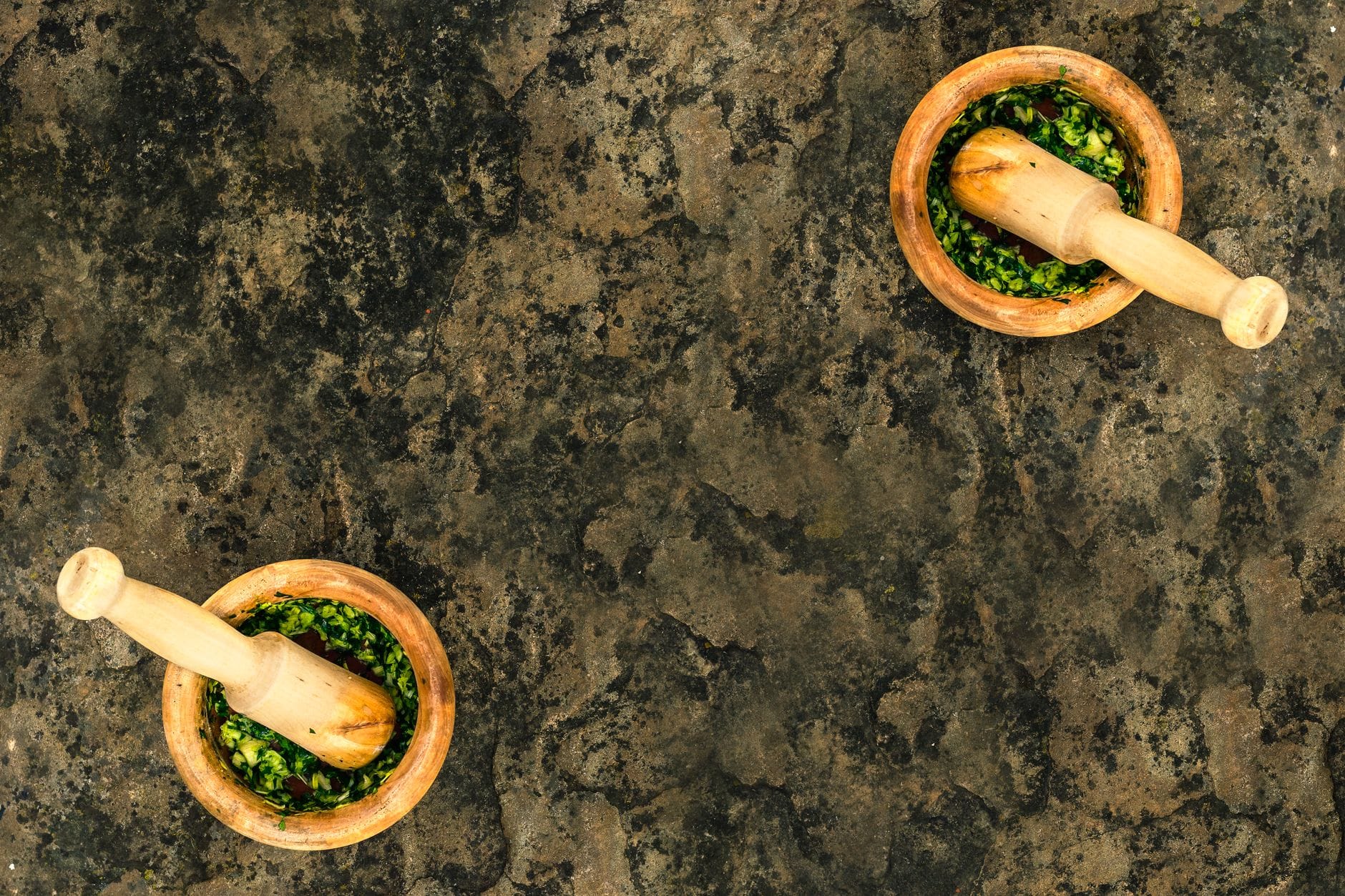
Classic pesto is uncooked, which sets it apart from something like alfredo or barbecue sauce. There’s no simmering and no roux. You crush fresh basil, Parmesan, and extra-virgin olive oil together, traditionally with a mortar and pestle, and in Genoa you’d fold in pine nuts and garlic for that earthy, rustic finish. That’s it.
Because nothing is heated, the flavors stay bright and the delicate compounds in the basil and oil aren’t cooked away. It works on pasta, spread over toast, stirred into soup, or used as a dip for chips.
The Many Faces of Pesto
Pesto lovers tend to split into two camps. Some treat the Genoese recipe as sacred and won’t touch it. Others like to tinker, and Italy itself gives them plenty of blueprints.
A Sicilian Twist With Tomatoes and Almonds
 Save
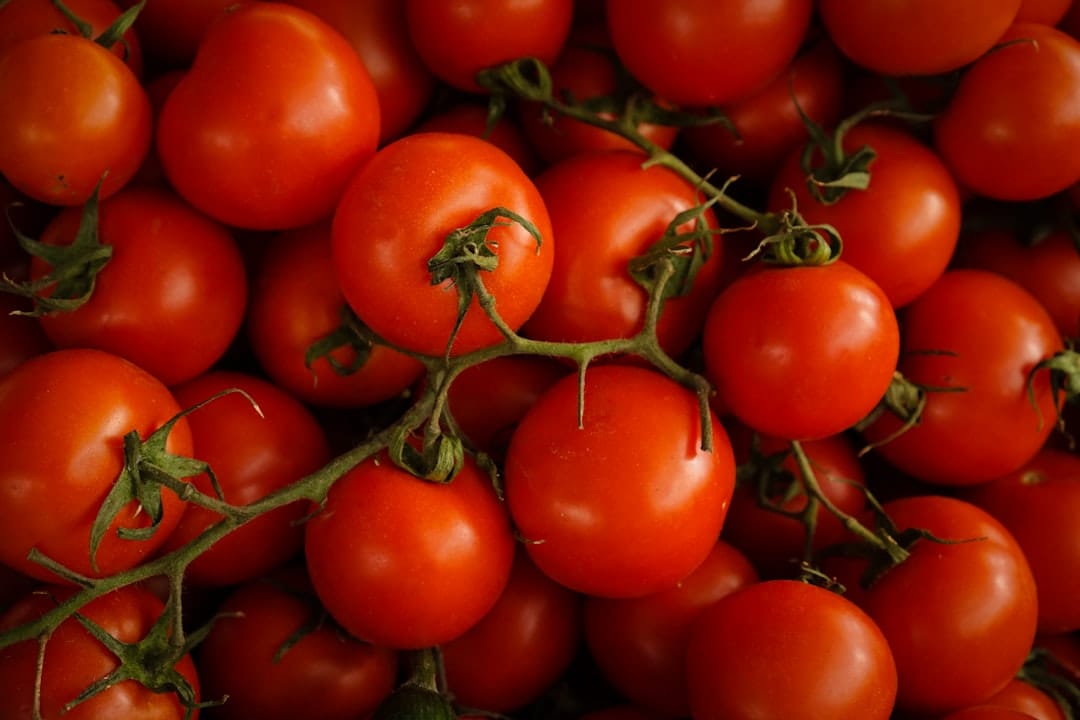
Pesto alla Trapanese comes from Sicily. It keeps the basil, Parmesan, and olive oil, then adds sweet Pachino tomatoes, garlic, and almonds. The tomatoes bring a light sweetness and the almonds add a nutty depth. Another Sicilian version, pesto agli agrumi, swaps pine nuts for lemon or orange juice, which makes it zesty and lovely with seafood pasta.
Red, Creamy, and Everything Else
Pesto rosso skips basil entirely, leaning on sun-dried tomatoes, roasted peppers, and rosemary for a smoky, faintly spicy result. In parts of northern Italy you’ll find pesto Modenese, made with cured pork lard, Parmesan, rosemary, black pepper, and garlic for a rich, creamy spread that pairs well with bread. Some cooks also stir in oregano, which carries its own antibacterial and anti-inflammatory reputation on top of the flavor it adds.
The point of all these variations is simple: every ingredient you add changes both the taste and the nutrition. The traditional green version, though, is still the one most people eat, so it’s the fair baseline for the numbers.
What the Numbers Say
Per 100 grams, traditional basil pesto lands as a calorie-dense, fat-forward food, with a decent hit of calcium from the cheese and traces of vitamins A and C from the basil. Protein shows up too, courtesy of the Parmesan and any nuts. Those figures shift with the recipe, so a tomato-and-almond version reads differently from a lard-based one.
What doesn’t change is the density. A little goes a long way, both in flavor and in calories, which is worth keeping in mind before you drown a bowl of pasta in it.
Where the Health Perks Come From
 Save
Pesto’s benefits are borrowed from its parts. Break it down ingredient by ingredient and the picture gets clearer.
Basil is the star. It’s loaded with antioxidants and anti-inflammatory compounds, plus vitamins A, C, and E that support skin health, and it has a long history in home remedies for colds and flu thanks to its antimicrobial properties. Not all basil is equal, either. A 2026 analysis in the NFS Journal looked at 22 commercial basil cultivars and found real differences in antioxidant capacity between varieties, so the exact leaf in your jar matters.
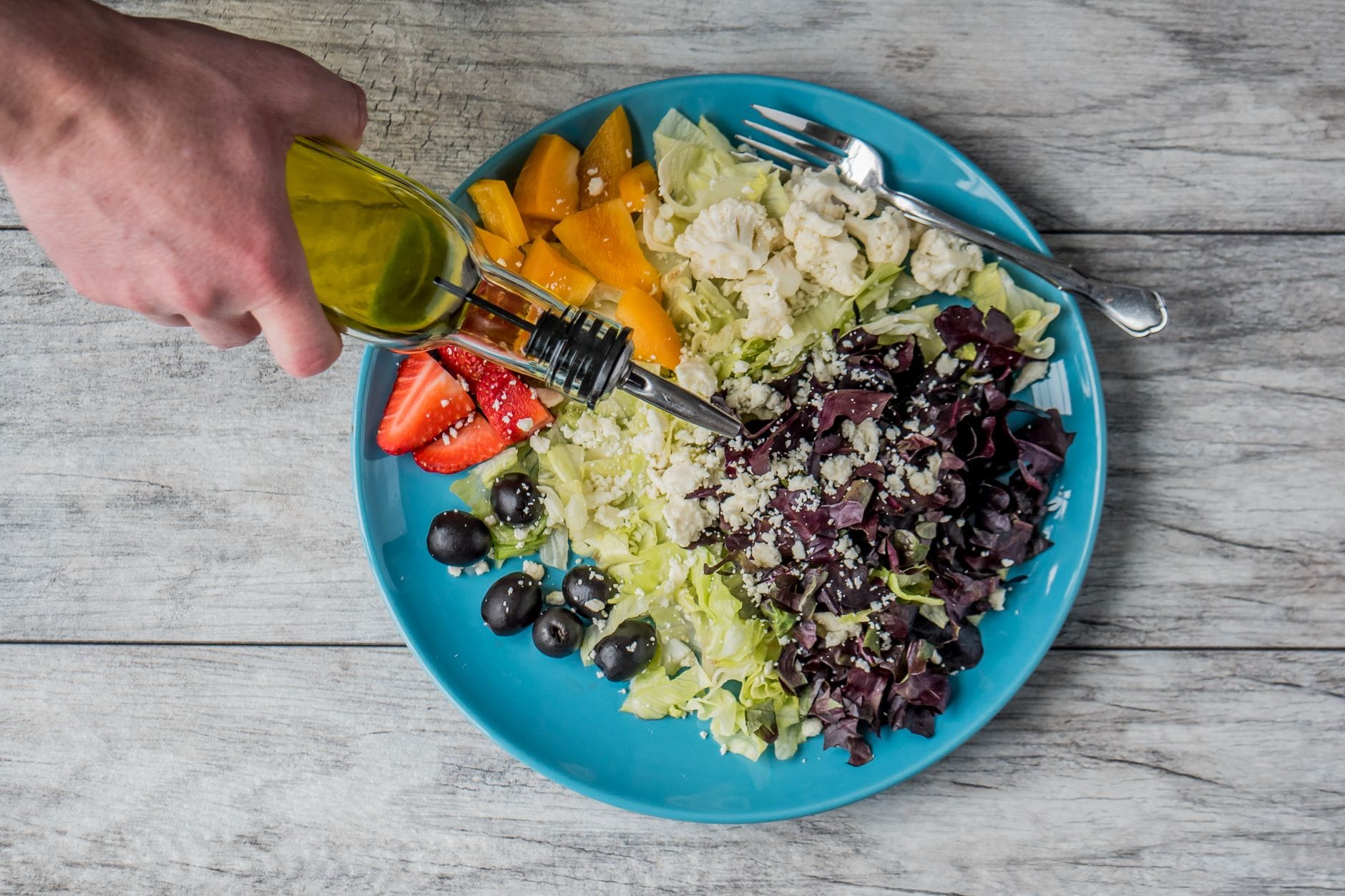
Olive oil does a lot of quiet work. Its phenolic compounds are anti-inflammatory, and the oil has been linked in research to a lower risk of cardiovascular disease and diabetes. It’s the main reason pesto earns its Mediterranean-diet credentials.
The add-ins pull their weight too. Almonds, used in the Trapanese style, are high in potassium and low in sodium, which helps with blood sugar and cholesterol, and regular almond eaters show lower cardiovascular risk in studies. Garlic brings antimicrobial and blood-sugar benefits along with some anti-tumor activity in research. And the tomatoes in that Sicilian version deliver vitamins A and C that support collagen production and skin that looks a little younger, while also lending a hand to liver function and the body’s natural detox pathways.
Making It at Home
 Save
You don’t need much. Blend or crush a couple of big handfuls of fresh basil with grated Parmesan, a good pour of extra-virgin olive oil, a small handful of pine nuts, a clove or two of garlic, and a pinch of salt until it’s the texture you like. Taste as you go, because the salt from the cheese sneaks up fast.
Homemade gives you control the jar never will. You can cut the salt, swap pine nuts for almonds or walnuts, or lean harder on the basil. Store it in the fridge with a thin film of olive oil over the top to keep it green, and it holds for a few days.
Who Should Be Careful
 Save
Pesto is safe for most people, with a few clear exceptions. Anyone with a tree-nut allergy needs to check the recipe, since pine nuts and almonds can trigger reactions serious enough to include anaphylaxis. The Parmesan makes it off-limits for a dairy allergy, and the salt load is a real issue on a low-sodium diet.
Portion is the other thing. A tablespoon or two a day sits comfortably in a balanced diet. Make pesto a daily heavy-handed habit and the calories and sodium add up in ways that work against your heart rather than for it.
Frequently Asked Questions
Is pesto good for weight loss?
It can fit, but only in small amounts. Pesto is energy-dense, so a tablespoon adds a lot of flavor for a modest calorie cost, while half a jar does not. Weight management still comes down to overall calorie balance, so treat it as a seasoning, not a sauce you pour freely.
How much pesto is a reasonable daily amount?
About 1 to 2 tablespoons a day is a sensible ceiling for most people. That’s enough to dress pasta or a sandwich without overloading on salt and fat.
Can I make pesto without cheese or nuts?
Yes. Skip the Parmesan for a dairy-free version, or use nutritional yeast for a savory note. For nut allergies, leave out the pine nuts entirely or use toasted seeds like sunflower for a similar texture.
The Bottom Line
Pesto earns its good reputation honestly, mostly through the olive oil and basil at its core, with bonus points from any almonds, garlic, or tomatoes you fold in. It brings antioxidants, anti-inflammatory compounds, and heart-friendly fats to the table. The catch is that it’s rich and salty, so the benefit lives in the serving size. Keep it to a spoonful or two, make it at home when you can, and pesto stays firmly on the good-for-you side of the ledger.
This article is for general information only and isn’t a substitute for professional medical advice. Talk to a qualified healthcare provider before making changes to your diet, especially if you have food allergies, high blood pressure, or another health condition.