

A little trapped water after a swim can turn into an itchy, aching infection, but most cases respond well to simple care at home.
You climb out of the pool, tilt your head, maybe poke a cotton swab in there, and still that muffled, waterlogged feeling won’t quit. A stubborn drop or two of water lingers in the ear canal, and if it sits long enough, it can set the stage for swimmer’s ear. The good news is that early, mild cases are usually easy to manage without a prescription. Here’s what swimmer’s ear is, why it happens, and seven remedies you can reach for at home.
Key Takeaways
– Swimmer’s ear is a bacterial infection of the outer ear canal, most often triggered by water that stays trapped after swimming or bathing.
– The usual culprits are bacteria like Pseudomonas aeruginosa and Staphylococcus aureus, which move in once the canal’s protective wax and acidity are disrupted.
– It affects roughly one in ten people and is especially common in kids between 7 and 14.
– Common signs include itching, ear pain, redness, muffled hearing, and foul-smelling discharge.
– Draining the water, keeping the ear dry, and gentle drops handle most mild cases, but worsening pain or fever means it’s time to see a doctor.
What Swimmer’s Ear Actually Is
Doctors call it otitis externa, an infection of the external auditory canal, the tube that runs from the outer ear toward the eardrum. It flares up most in summer and in warm, humid climates, which makes sense given how often it starts with a swim.
Your ear canal has a clever built-in defense. Tiny hairs and a layer of earwax keep the environment slightly acidic, which discourages bacteria from settling in. When water hangs around, it can wash away that wax, shift the pH, and leave the skin soft and vulnerable. Bacteria take the opening, and inflammation follows.
It’s easy to mix this up with a standard ear infection, but they’re different. A typical childhood ear infection (otitis media) sits in the middle ear, behind the eardrum. Swimmer’s ear stays in the outer canal. Depending on how long it drags on, it’s labeled acute (anywhere from one to six weeks) or chronic (more than three months).
Why the Water Turns Into an Infection
Anyone can get swimmer’s ear, though children in that 7-to-14 range are the most likely to. Water is the classic trigger, but a few other things raise your odds:
Humid weather that keeps the canal damp
Scrapes from cotton swabs, earplugs, or hearing aids
Skin conditions such as eczema or psoriasis
A naturally narrow ear canal
Foreign objects lodged in the canal
Stress, or a weakened immune system
Cancer treatments like radiation or chemotherapy
The symptoms tend to build over a day or two. You might notice itching first, then a deeper earache, redness, temporary muffled hearing, or a foul-smelling fluid draining out. One blogger, Alex Rowe, described his canal swelling nearly shut and the days of waiting that “felt like a lifetime” before it finally cleared. His experience is a fair reminder that this can get uncomfortable, but also that it does resolve.
Home Remedies Worth Trying
The sooner you act, the better. Left alone, a mild case has more room to worsen. These approaches are meant for early, uncomplicated swimmer’s ear.
Get the Water Out First
Before anything else, coax out whatever water you can. A few low-tech tricks help:
Tug gently on your earlobe while tilting your head down toward your shoulder.
Lie on your side for several minutes with a towel under your ear so gravity does the work.
Cup your palm tightly over the ear to make a light vacuum, then shake your head side to side.
Skip the cotton swabs here. Pushing them in tends to jam wax and water deeper and can scratch the canal, which is exactly how trouble starts.
Keep the Ear Dry
Prevention doubles as treatment. A pair of well-made swimmer’s earplugs keeps water from getting in during your next swim. They come in various shapes, and the sturdier ones are generally worth the extra few dollars over bargain versions that leak.
A Rubbing Alcohol and Vinegar Rinse
 Save
A classic homemade drop mixes equal parts isopropyl (rubbing) alcohol and vinegar. The alcohol helps dry the canal while the acetic acid in vinegar restores an acidic, bacteria-unfriendly environment; research supports this combination for certain ear infections.
To use it, tilt your head and place 2 to 3 drops in the ear with a clean dropper. Gently massage the outside and behind the ear, wait 30 to 45 seconds, then tilt to let it drain. Don’t use this if your eardrum might be ruptured or if the ear is bleeding.
Hydrogen Peroxide for Trapped Wax
 Save
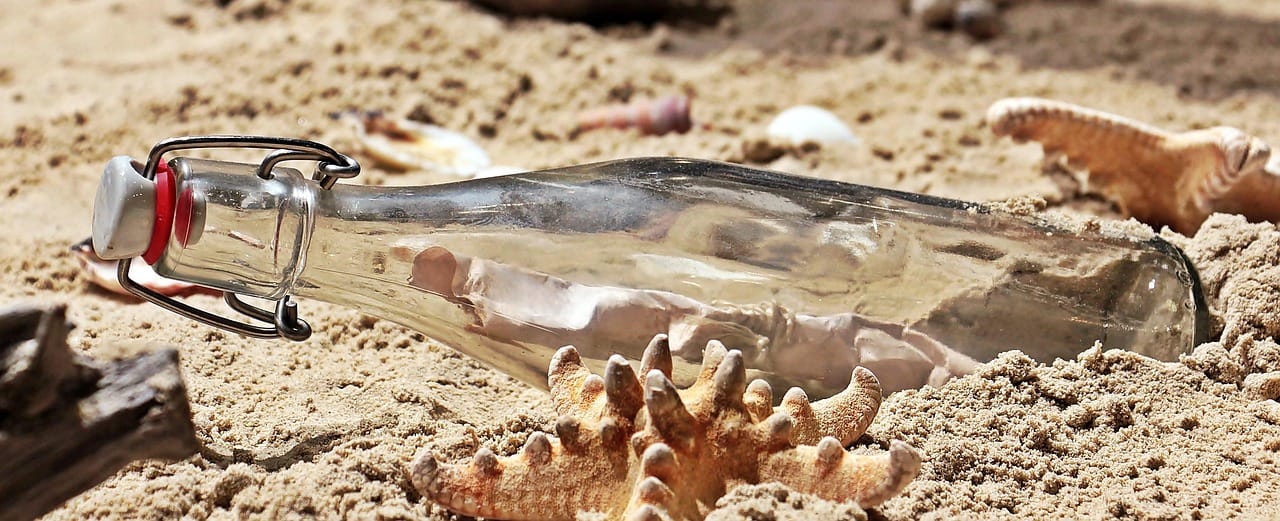
Sometimes water gets stuck behind a plug of wax. A few drops of hydrogen peroxide can soften wax and loosen crusty debris so the canal clears. It’s gentle enough that a 3% solution (oxydol) is sometimes prescribed for infant ear discharge.
Leave it alone, though, if you have any of these:
Cuts or injuries inside the ear
Swelling or bleeding
A ruptured eardrum
Warm Compress
 Save
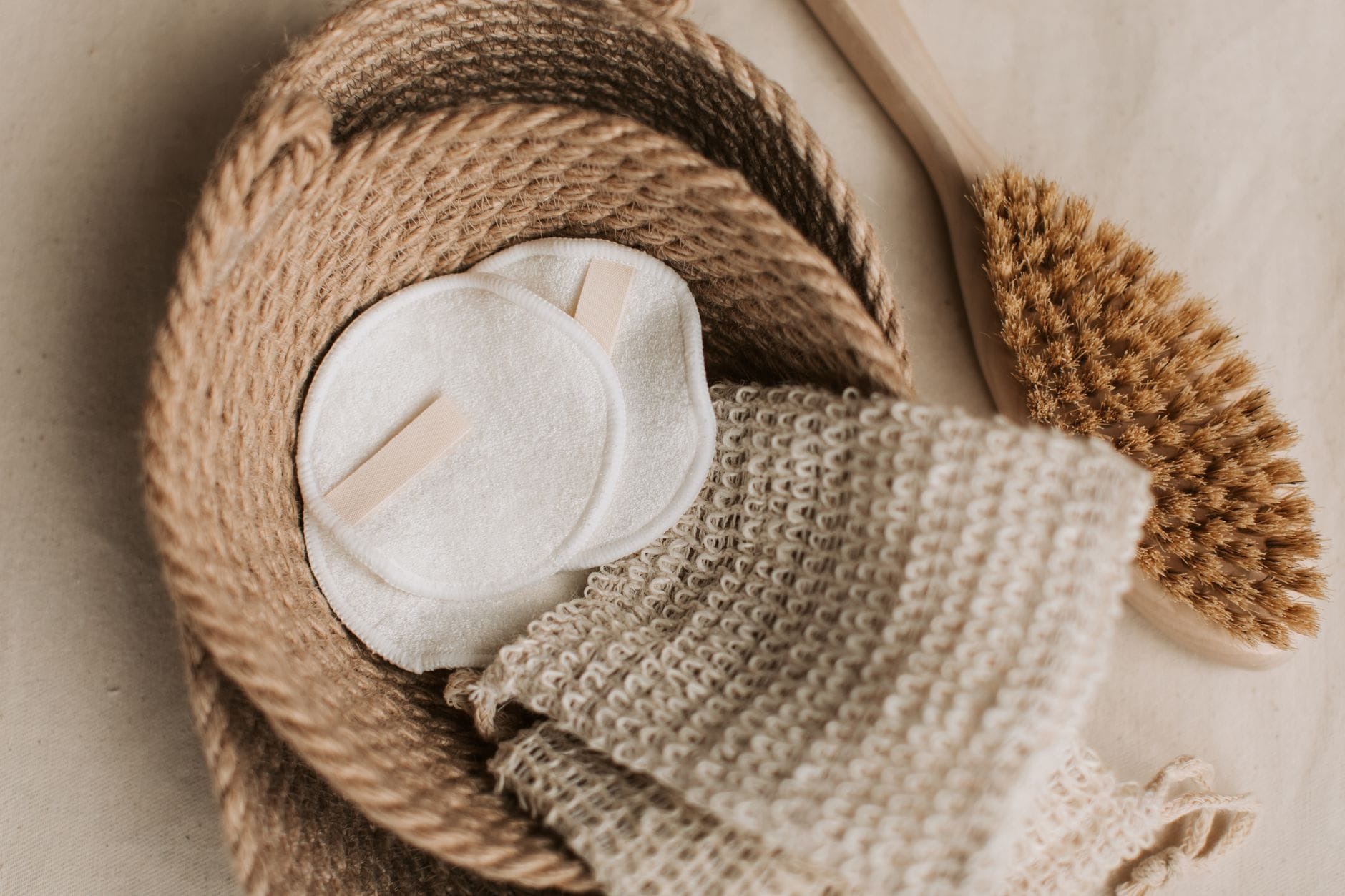
Heat is a simple way to take the edge off the pain and inflammation. Dip a washcloth in warm (not hot) water, wring it out, and hold it against the sore ear. A hot water bottle wrapped in a cloth works too. Keep it there for a few minutes and repeat through the day as needed.
Garlic-Infused Olive Oil
 Save
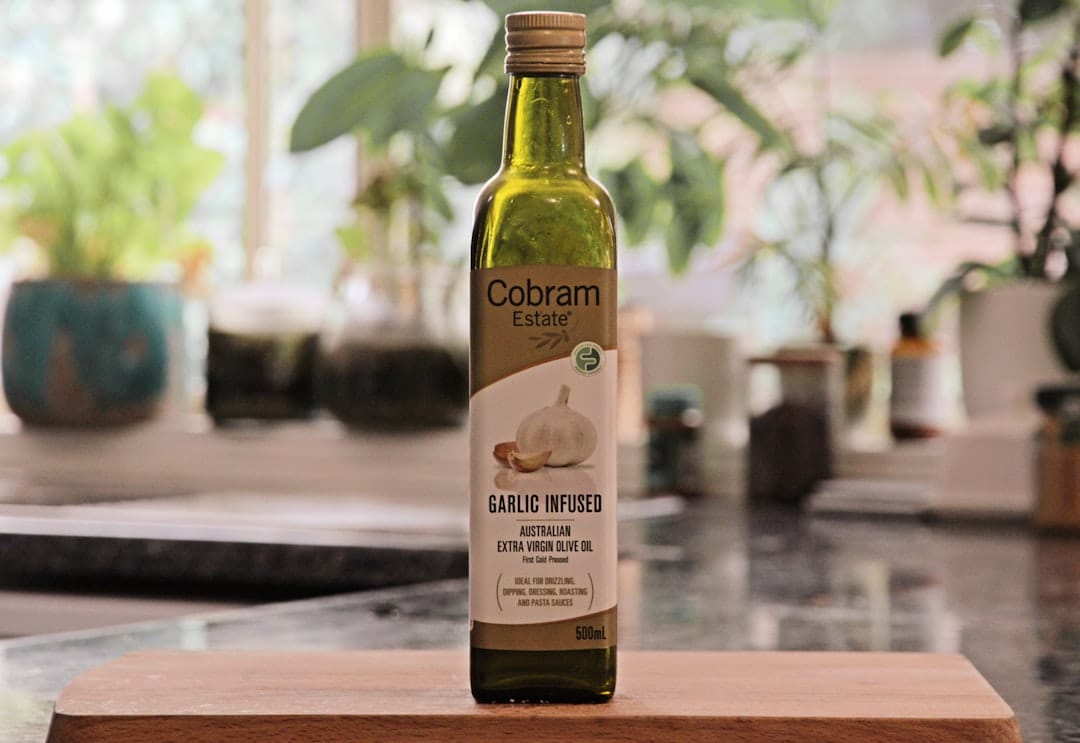
Garlic steeped in extra virgin olive oil has antibacterial and antimicrobial properties, and some research points to it as an alternative for ear infections. You can find it at most grocery stores or online rather than making your own.
Warm a teaspoon in a small bowl, then test a drop on the inside of your wrist; it should feel lukewarm, never hot. Put a few drops in the affected ear with a sterile dropper, lie on the opposite side for 10 to 15 minutes, then sit up and tilt to drain.
When to Skip Home Care and See a Doctor
Home remedies are for mild cases only. Reach out to a clinician if the pain is severe, if the ear swells shut, if you run a fever, or if things aren’t improving after a couple of days. People who are immunocompromised should be more cautious, since outer-ear infections can occasionally spread. Prescription antibiotic or steroid ear drops clear stubborn cases quickly, so there’s no reason to tough it out.
Frequently Asked Questions
How long does swimmer’s ear take to clear up?
Mild cases often improve within a few days of drying the ear and starting drops. A more established infection can take one to six weeks, and anything lingering past three months is considered chronic and needs medical attention.
Can I still swim while I have it?
It’s best to stay out of the water until the ear has healed. Repeated soaking keeps the canal wet and gives bacteria more time to settle in, which slows recovery.
Is swimmer’s ear contagious?
No. It’s an infection of your own ear canal caused by trapped moisture and bacteria that already live on the skin, so you can’t pass it to someone else.
The Bottom Line
Swimmer’s ear starts with something as ordinary as a drop of pool water that won’t drain. Catch it early and it usually responds to simple steps: get the water out, keep the ear dry, and use gentle drops like an alcohol-and-vinegar rinse, hydrogen peroxide for wax, or warm compresses for the ache. Prevention matters just as much, so dry your ears after swimming and consider good earplugs if you’re prone to it. When pain turns severe or refuses to budge, let a doctor take a look rather than waiting it out.
This article is for informational purposes only and is not a substitute for professional medical advice. Talk to a qualified healthcare provider about any ear pain, discharge, or infection, especially if you have a weakened immune system or a history of eardrum problems.