
Why the T-zone breaks out so easily, and six kitchen-shelf remedies that can calm a sore spot down.
A pimple on the nose has a way of feeling twice as big as it looks. The nose sits smack in the middle of your face, so every glance in the mirror lands on it. There’s a reason breakouts gather here: the nose is part of the T-zone, the oiliest strip of your face, packed with more sebaceous glands than almost anywhere else. All that extra sebum can clog pores, trap dirt and bacteria, and leave you with a tender bump that sometimes takes a full week to fade.
The frustrating part is how stubborn they can be. Poking, squeezing, and scratching only make things worse, pushing bacteria deeper and risking scars, blemishes, blackheads, and whiteheads. The good news is that a few gentle, low-cost remedies can take the edge off while a spot heals. Most of what follows rests on tradition and anecdote rather than large trials, so go slow and stop if your skin protests.
Key Takeaways
– The nose has large pores and extra oil glands, which makes it easy for dirt, sebum, and bacteria to get trapped and form pimples.
– Touching or picking at a nose pimple tends to inflame it and can lead to scarring.
– Ingredients like lemon peel, ice, tea tree oil, witch hazel, and even mouthwash may help calm or dry out a spot.
– Washing gently with warm water, skipping oil-based makeup, and choosing non-comedogenic products all help prevent new breakouts.
– These are home fixes for the occasional pimple, not a substitute for a doctor’s care with severe or cystic acne.
Why the Nose Breaks Out More Than the Rest of Your Face
The pores on your nose are simply bigger than the ones on your cheeks or forehead, which gives oil, dead skin, and bacteria more room to settle in and cause trouble. Add the density of sebaceous glands across the T-zone and you get a surface that runs greasier by default.
Other things nudge it along. Comedogenic makeup and skincare can block pores. Hormonal swings during puberty, around your period, or from an underlying imbalance ramp up oil production. Diet may play a small role too: drinking a lot of whole milk has been linked with mild to moderate acne in some research. None of this means your routine is broken, only that this patch of skin needs a little extra patience.
Six Home Remedies Worth Trying
None of these are miracle cures, and a couple come with real caveats. Pick one, patch-test first, and give it a few days rather than layering everything at once.
Lemon Peel
 Save
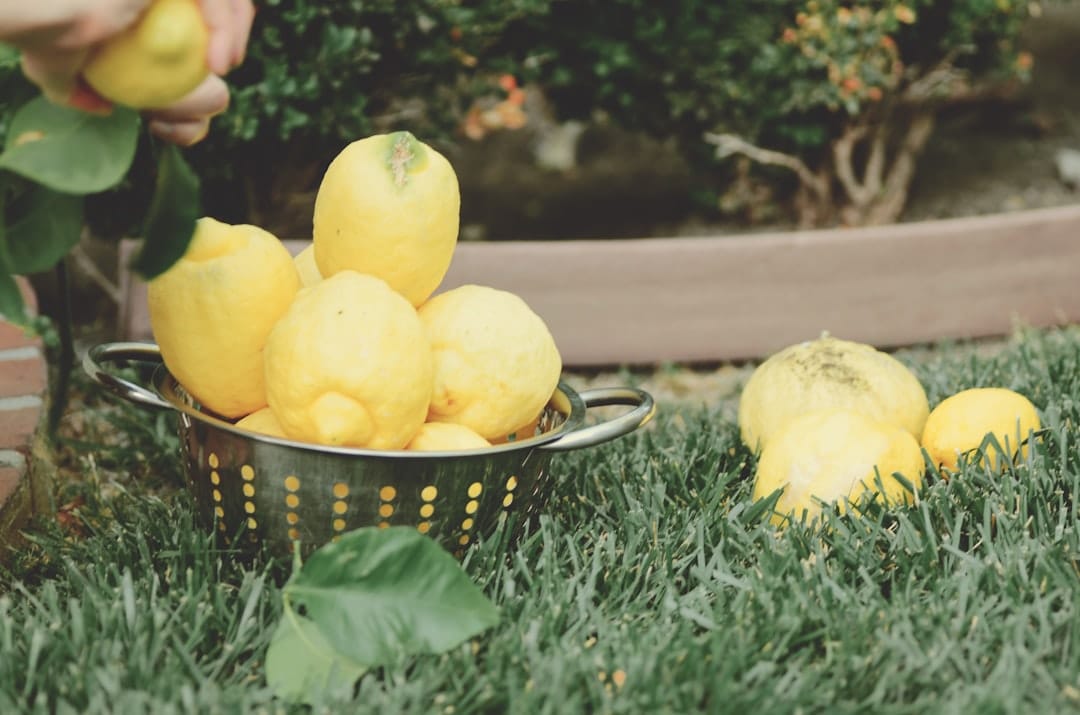
Don’t toss the peel next time you juice a lemon. Squeeze it gently so a little juice beads up, then rub the peel over the pimple for about five minutes. Leave it on for a further 15 minutes and rinse with plain water, up to twice a day. Lemon peel extract has antimicrobial activity and may curb the bacteria that thrive in sebum and feed acne. Citrus can sting and increase sun sensitivity, so keep it off broken skin and rinse well.
Ice for Swelling and Redness
 Save
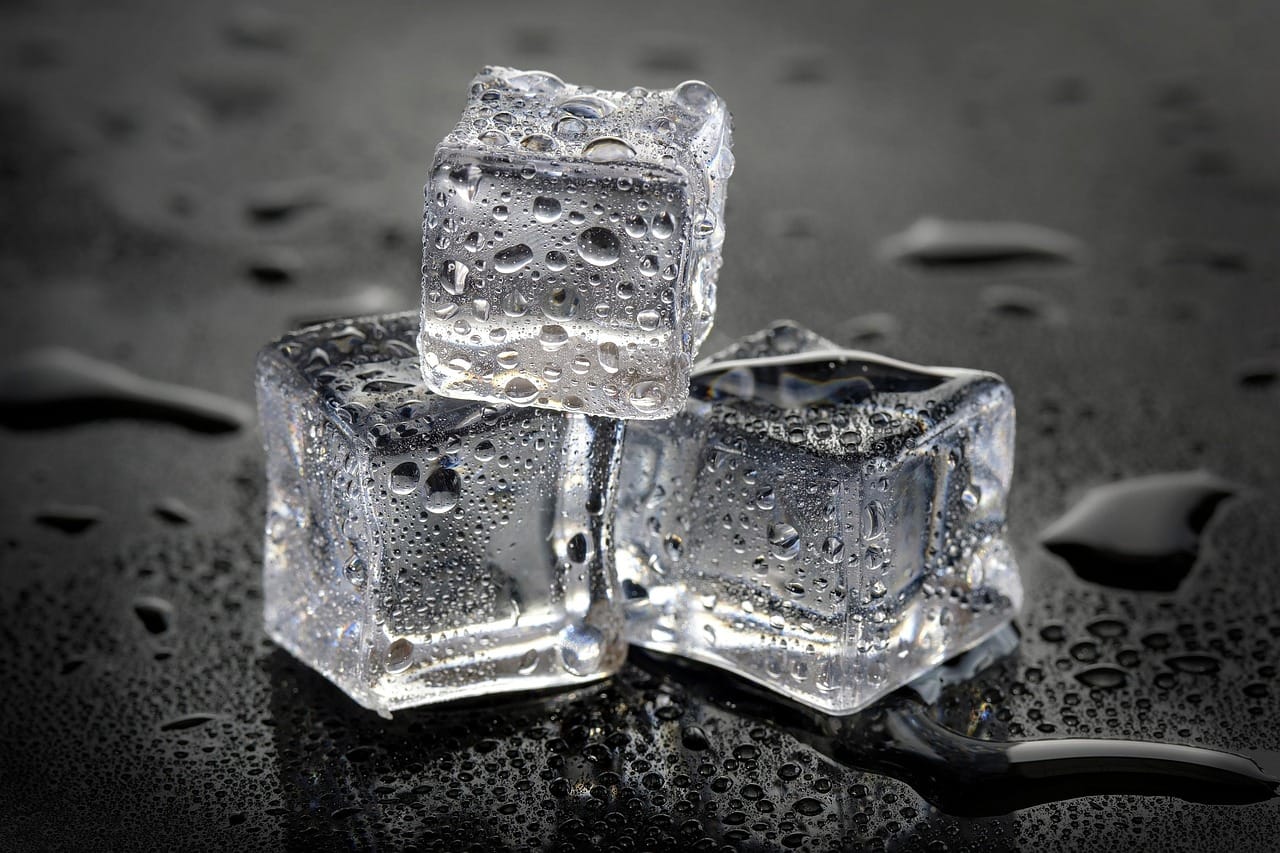
Ice is the easiest option in the whole list. Wrap a few cubes in a clean washcloth and press it lightly against the spot for around 20 minutes, repeating after a few hours. By constricting blood vessels, cold has long been used to ease pain, swelling, and inflammation, which can shrink the redness of an angry pimple for a while. It’s temporary relief, but it’s gentle and costs nothing. This same soothe-don’t-scrub logic runs through most gentle home remedies for irritated skin, where forcing things tends to backfire.
Tea Tree Oil
 Save
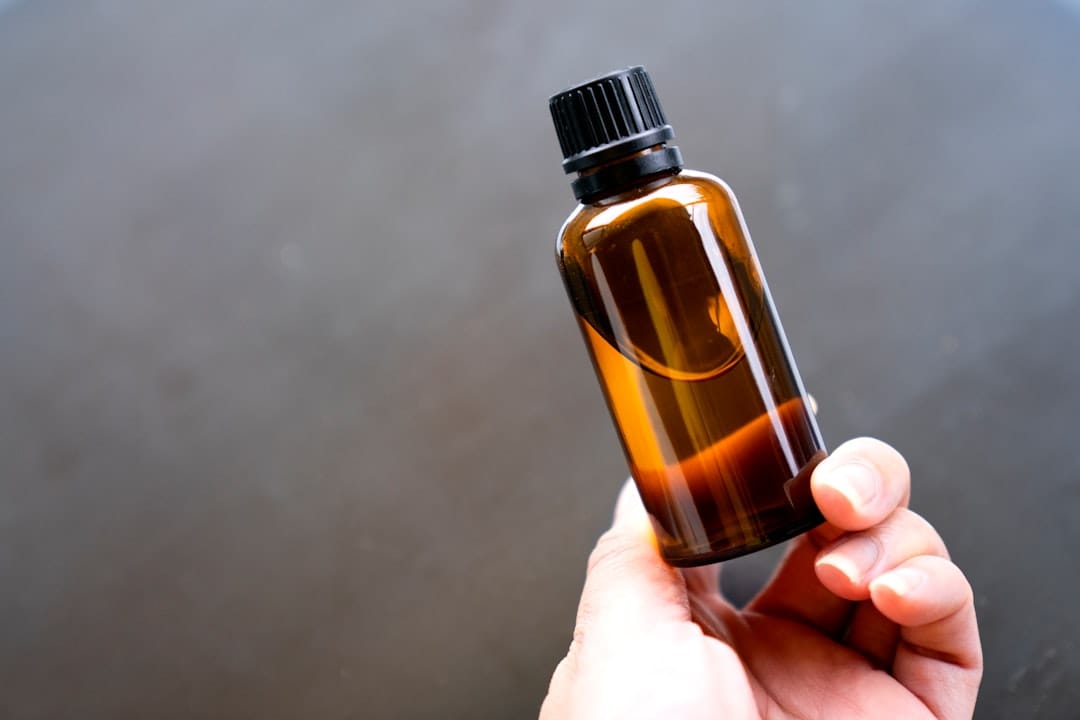
Tea tree oil is one of the better-studied plant remedies for acne. It works against P. acnes and S. aureus and can calm redness and inflammation. Always dilute it: mix one or two drops into a tablespoon of a carrier oil, dab the blend onto the pimple, leave it for at least ten minutes, then rinse. Twice a day is plenty. Undiluted tea tree oil is harsh and can irritate, so the carrier oil isn’t optional.
Witch Hazel
Witch hazel is rich in tannins and has a long history as a mild astringent for acne-prone skin. Soak a cotton pad, press it to the pimple, let it dry, and wash off after about 15 minutes, once a day. It can soothe redness and take some of the puffiness down. Because it’s a common ingredient in DIY astringents, it also shows up in many natural toners aimed at oily skin, if you’d rather treat the whole T-zone than a single spot.
Toothpaste
You’ve probably heard the toothpaste trick. A pea-sized dab left on the spot for 30 minutes and rinsed with cold water may dry it out, thanks to baking soda and other ingredients. Be honest with yourself about this one, though. It isn’t scientifically proven, and toothpaste is abrasive enough to irritate or even burn the skin. If you try it at all, use it sparingly and rarely.
Listerine Mouthwash
Another popular hack: swipe a little Listerine on the pimple with a cotton swab as a spot treatment, then rinse after ten minutes, two or three times a day depending on how fast it dries. The menthol, eucalyptol, and alcohol may help dry the spot out. Plenty of people swear by it, but there’s no study backing it, and the alcohol can leave skin tight and flaky.
Knowing Which Kind of Bump You Have
Not every bump on your nose is the same, and naming it helps you treat it sensibly. Blackheads are open, clogged pores that darken as the trapped sebum oxidizes. Whiteheads are closed versions, small pale bumps under the surface. Papules are red, tender, and inflamed; pustules carry a visible white or yellow head of pus.
Two types deserve a hands-off approach. Nodules are hard, painful lumps set deep in the skin, and cysts are large, soft, pus-filled lumps from a deeper infection that often scar. Both are beyond home remedies and are worth a dermatologist’s attention rather than a cotton swab.
How to Keep New Ones From Forming
 Save
Prevention is where the steadiest gains come from. A few habits go a long way:
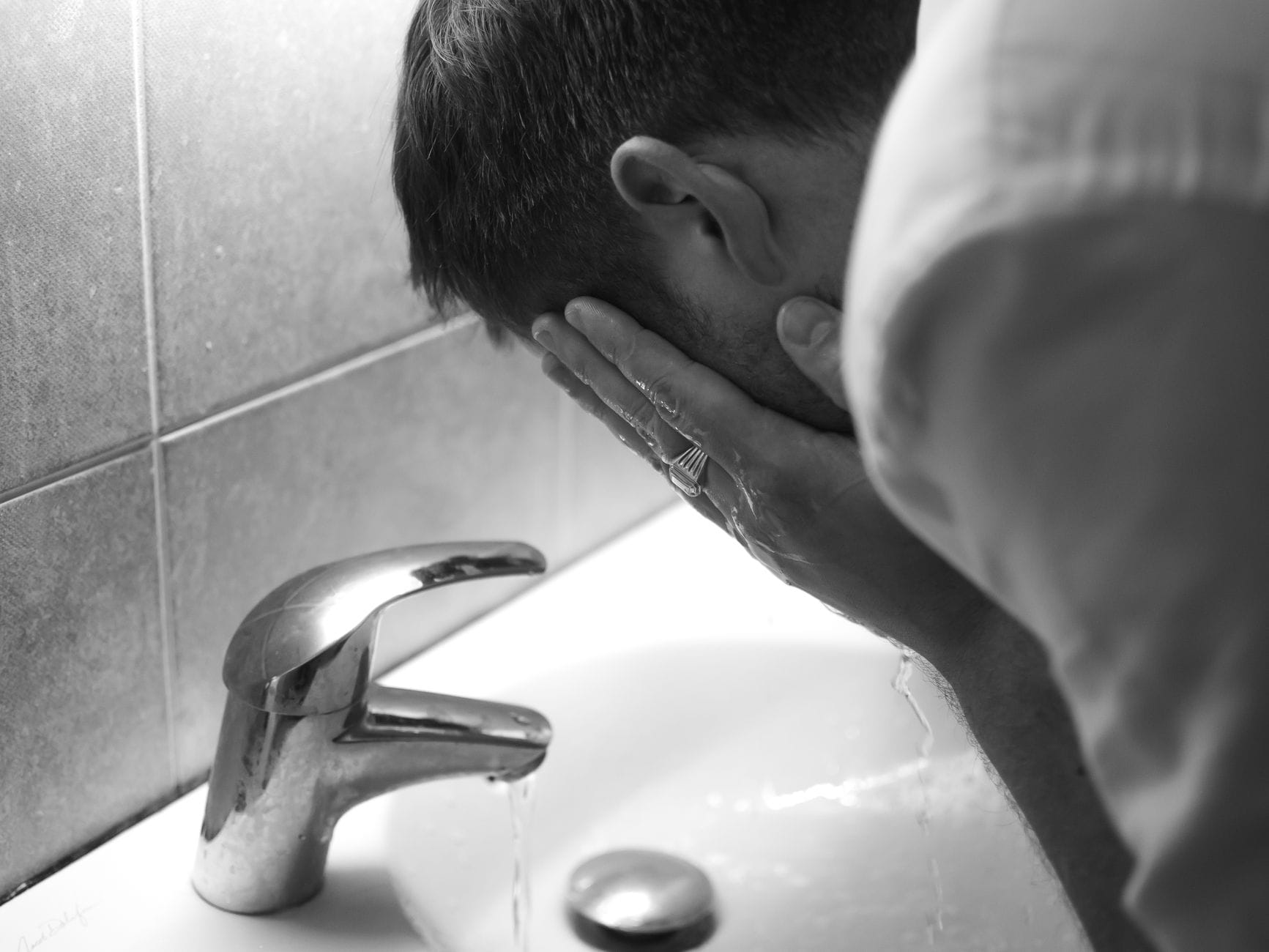
Wash your face gently with warm water twice a day, and resist the urge to over-scrub, which irritates existing spots.
Reach for a cleanser with salicylic acid or benzoyl peroxide, ideally one your doctor suggests.
Skip oil-based makeup and stick to non-comedogenic products that won’t clog pores.
Keep your hands off your face; fingers carry oil and grime straight to the skin.
Salicylic acid in particular has solid backing for mild to moderate acne, and it tends to suit the nose well. Balance matters too. Stripping your skin bare invites more oil, so if it feels tight, lean on the same instincts behind natural ways to moisturize skin from your kitchen and keep it hydrated rather than raw.
Frequently Asked Questions
Why do pimples on the nose hurt more than ones elsewhere?
The nose has plenty of nerve endings and thin, taut skin over cartilage, so a swollen pore has little room to expand. Deeper papules and nodules press on surrounding tissue, which is what makes them throb.
Is it ever okay to pop a nose pimple?
It’s best not to. Squeezing pushes bacteria and pus deeper, worsens inflammation, and raises the odds of a lasting scar or a fresh crop of blackheads. If a spot is large or painful, a professional extraction is far safer.
How long should a normal nose pimple take to clear?
A run-of-the-mill pimple often heals within about a week. If a bump lingers for weeks, keeps returning in the same spot, or turns into a hard, deep lump, that’s a sign to see a dermatologist rather than wait it out.
The Bottom Line
Pimples cluster on the nose for good reason: big pores, busy oil glands, and a spot your fingers keep finding. Gentle remedies like ice, tea tree oil, witch hazel, and lemon peel can calm a flare, while toothpaste and mouthwash sit firmly in the try-with-caution column since neither is backed by real evidence. The bigger wins are quiet ones, washing gently, choosing non-comedogenic products, and leaving spots alone to heal. When breakouts turn deep, painful, or persistent, a doctor and a prescription treatment will always beat a kitchen experiment.
This article is for general informational purposes only and is not a substitute for professional medical advice. The remedies described rest largely on tradition and anecdote. Consult a qualified healthcare provider or dermatologist before treating persistent, severe, or painful acne.