
Simple pantry and first-aid staples can coax a stubborn sliver to the surface, no digging required.
A splinter (sometimes called a sliver) is a fragment of wood, glass, thorn, or metal that pierces the outer layer of skin and lodges in the tissue beneath it. It rarely looks like much, yet anyone who has had one buried in a fingertip knows how sharp and persistent the pain can be.
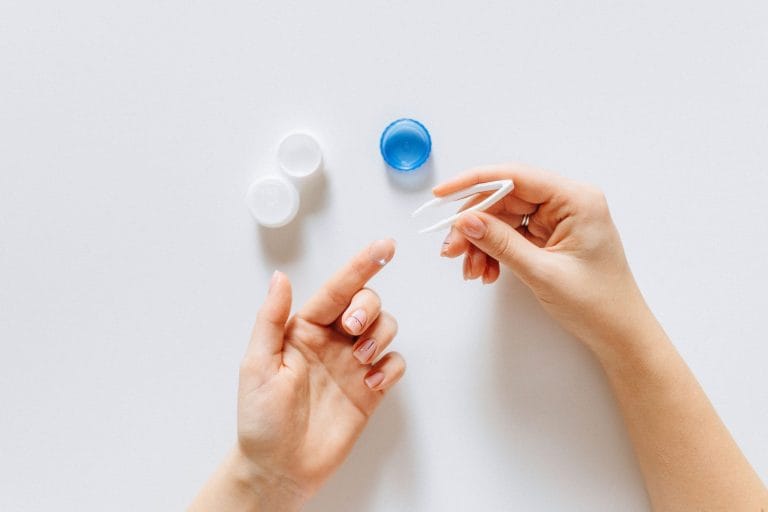
The instinct is to squeeze or pick at it. Resist that urge. Pressing on a splinter can drive it deeper, and a glass fragment may shatter into smaller pieces that are far harder to retrieve. A better approach is to draw the splinter toward the surface first, then lift it out with clean tweezers. The remedies below do exactly that, using things most of us already have at home. If the pain is significant, an over-the-counter pain reliever can help while you work on it.
Key Takeaways
– Splinters are small wounds caused by wood, glass, thorns, or metal piercing the skin, and they should come out promptly to lower the risk of infection.
– Never squeeze the area. Pressure can push the fragment deeper, and glass may break apart under it.
– Pastes and soaks made with baking soda, Epsom salt, or hydrogen peroxide draw a splinter toward the surface so it lifts out easily.
– Use sterilized tweezers, medical scissors, or gloves from a first aid kit, and clean the wound afterward.
– A splinter that stays deeply lodged, or a wound that looks infected, is a job for a doctor rather than a needle.
Know What Kind of Splinter You Have
Splinters fall into two broad groups. Biological splinters come from living material: wood, thorns, bone, fish spines, even teeth. Non-biological ones include slivers of metal, aluminum, glass, plastic, and pencil graphite.
The distinction matters mostly for glass. Because it can fragment under pressure, a glass sliver calls for extra patience, and it is one more reason to let a remedy bring the piece up rather than forcing it out.
Start With a Baking Soda Paste
 Save
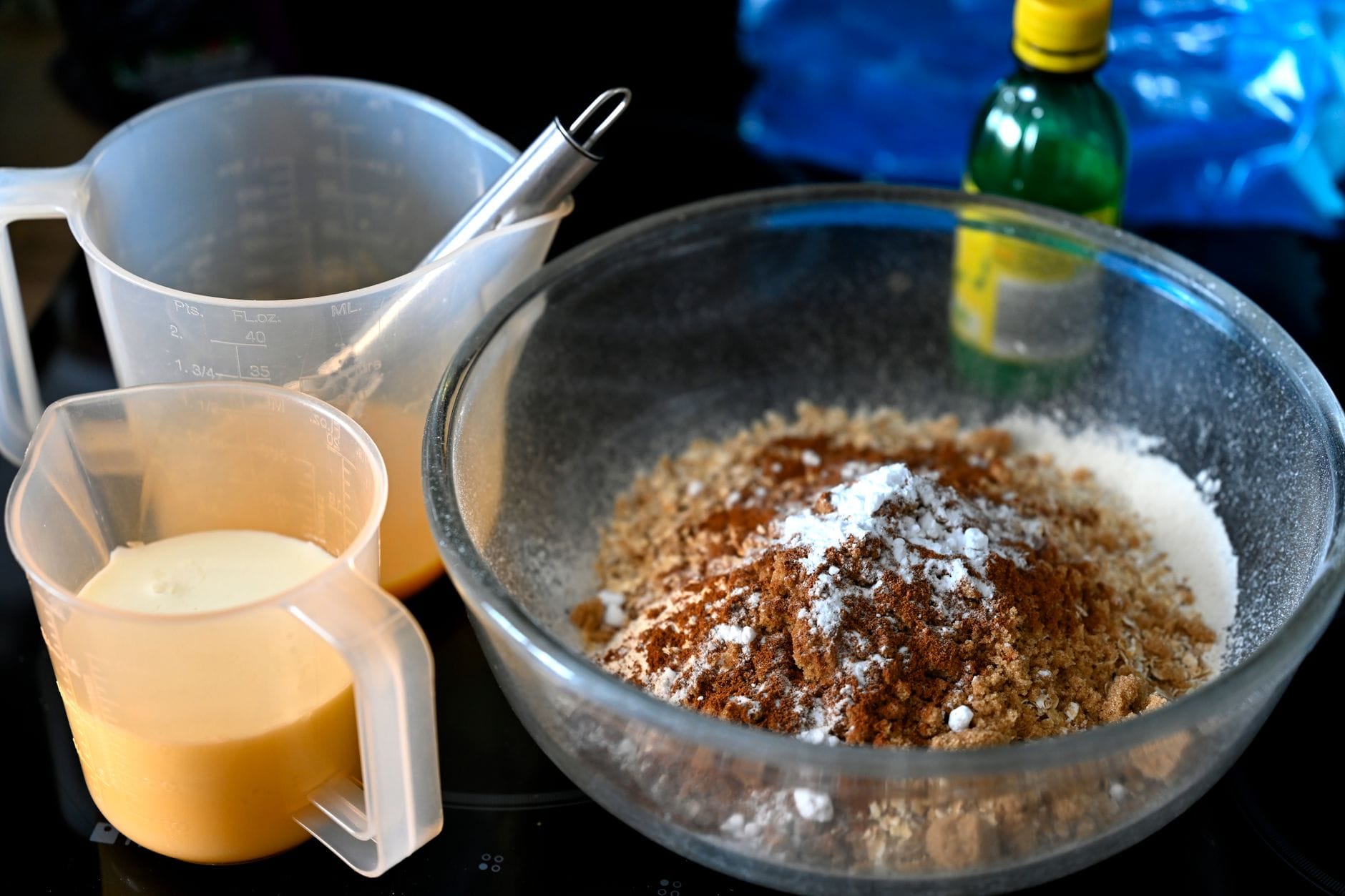
SaveThis is the remedy to reach for first, especially for tiny splinters buried too deep to see. Mix a tablespoon of baking soda with a tablespoon of water, smear the paste over the spot, and cover it with a band-aid for a few hours. The paste makes the skin swell slightly, which nudges the splinter upward.
When you remove the bandage, rinse the area and pull the exposed tip out with tweezers or a cuticle plier, then dab on antiseptic cream or petroleum jelly. An ice pack beforehand can numb the spot if you’re squeamish.
One retired scientist who blogged about this method described peeling back the bandage the next morning to find a sliver nearly a centimeter long sitting proud of the wound, which she pulled out with a tweezer. The pain eased significantly and the hole closed within hours.
Oils and Salves That Do the Pulling
Lavender or Thieves Oil
Dab a few drops onto the area with a cotton swab and wait several minutes. If the splinter hasn’t surfaced, give it another seven or eight minutes (bigger splinters may need a second application), then lift it out with a sterilized tweezer.
Beyond the drawing effect, these oils bring antimicrobial and anti-inflammatory properties to the wound. A 2004 study testing patchouli, tea tree, geranium, and lavender oils alongside grapefruit seed extract found antibacterial activity against Staphylococcus aureus: grapefruit seed extract and geranium oil had the strongest effect against the drug-resistant MRSA strain, while geranium and tea tree were most effective against the methicillin-sensitive strain.
Ichthammol (Black Drawing) Salve
 Save
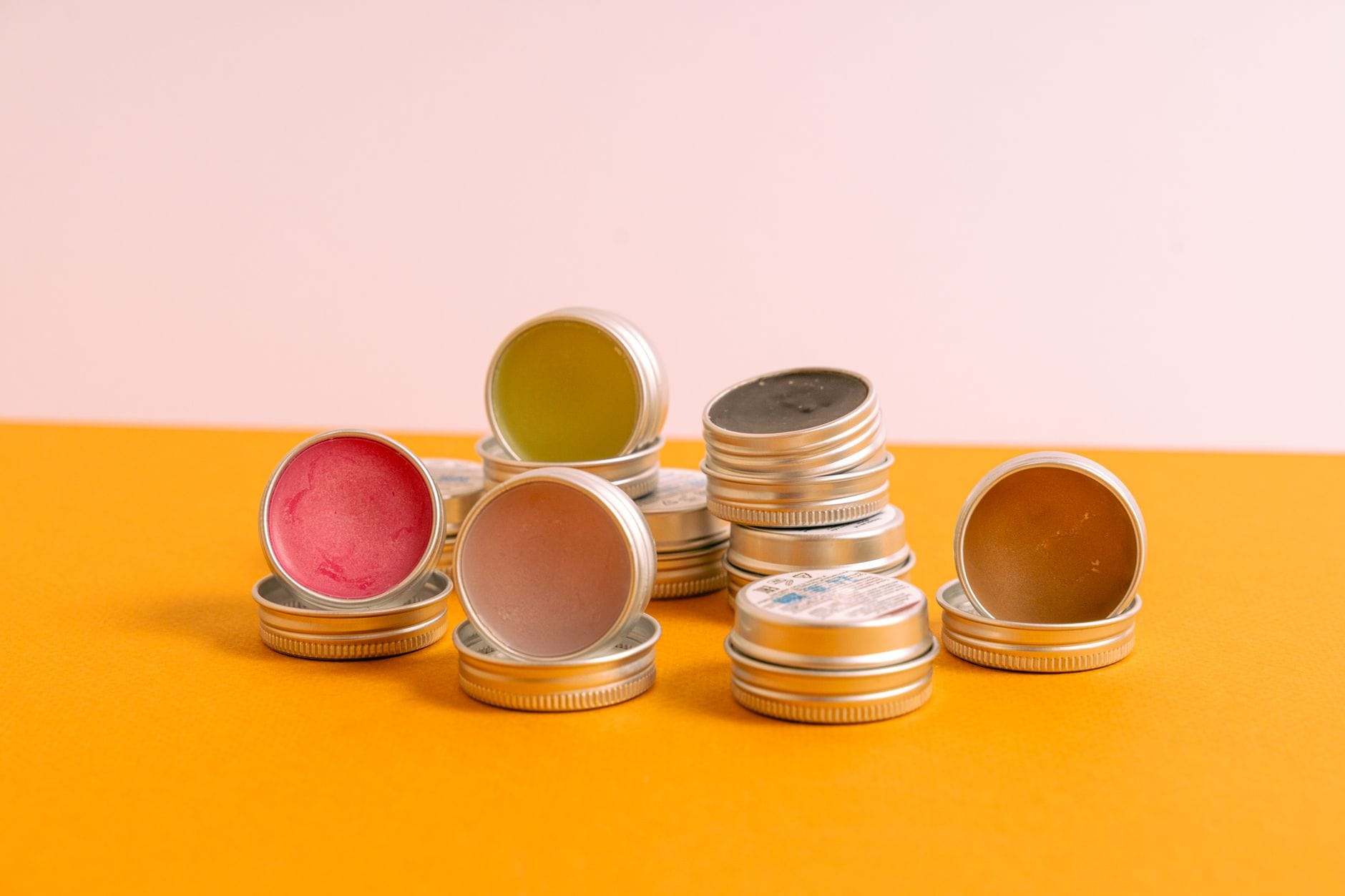
SaveIchthammol ointment, an old-fashioned shale-derived salve available without a prescription, has been passed down through generations for this exact purpose. Apply a small amount, cover with gauze, and keep the area dry. After a day, the splinter typically comes away with the bandage. A 1996 study found ichthammol had real antibacterial activity against common infection-causing bacteria, including S. aureus and Streptococcus pyogenes.
Can Hot Water Pull a Splinter Out?
Surprisingly, yes. Fill a wide-mouthed bottle nearly to the brim with hot water and press the affected skin firmly over the opening for a couple of minutes. Pressing firmly creates a vacuum that gently tugs on the flesh, while the steam from the hot water opens the skin’s pores. Between the two, the splinter is drawn outward, often on the first try.
Two Soaks Worth Trying
A Hydrogen Peroxide Soak
 Save
SaveSoak a cotton ball in 3% hydrogen peroxide, tape it over the splinter, and leave it for a few hours. The area swells just enough to make the splinter visible and easy to grab. Peroxide doubles as a disinfectant, which is a nice bonus. Repeat if the fragment is still buried.
An Epsom Salt Poultice
 Save
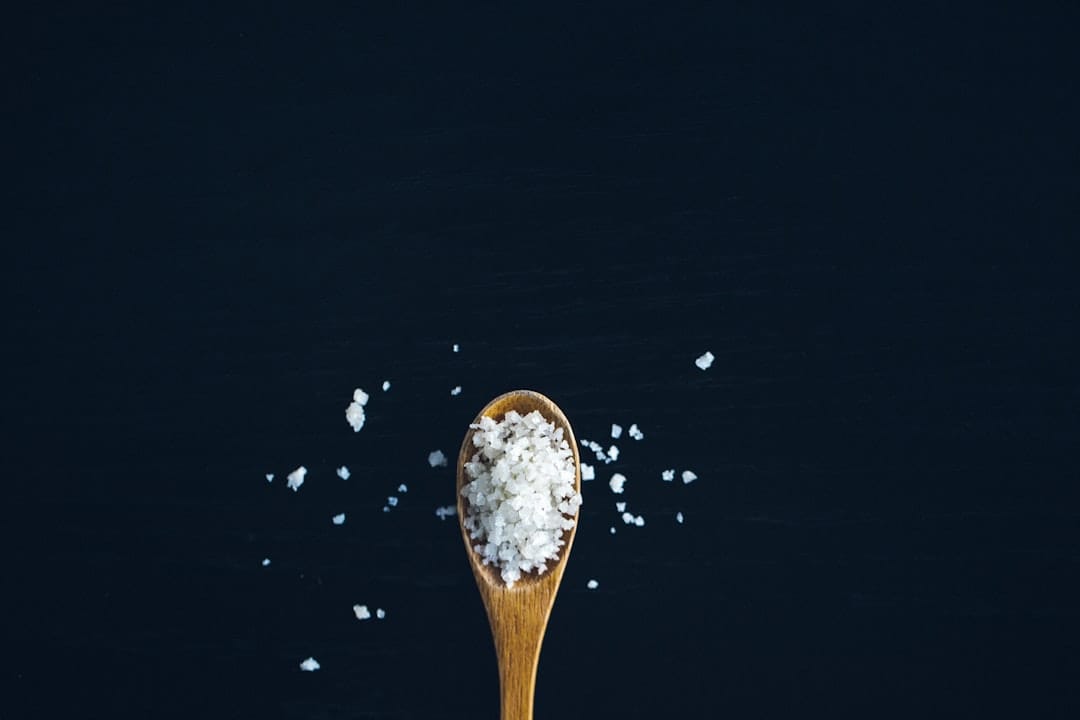
SaveDoctors often suggest this one for deeply lodged splinters. Sprinkle a pinch of Epsom salt onto the pad of a large band-aid, stick it over the spot, and leave it on all day (swap it out if it gets wet). Salt pulls water from the skin cells, carrying the splinter to the surface. It frequently comes off with the bandage itself.
Kitchen Standbys
A slice of raw potato can work on splinters that already sit near the surface. Press the fleshy side gently onto the spot, then lift; if the sliver pierces the soft flesh, it comes away with the slice. Try a thinner slice if the first attempt fails.
White vinegar, banana peel, and eggshell appear on the same traditional lists of splinter remedies. There’s less detail behind these, so treat them as backups rather than first choices.
Frequently Asked Questions
How long can I safely leave a splinter in my skin?
Not long. A splinter left in place can lead to infection and other complications, so remove it as soon as you reasonably can.
Is it safe to dig a splinter out with a needle?
It’s risky. Poking at a splinter with a needle or your nails can embed it deeper and introduce bacteria. Draw it to the surface with a paste or soak first, then use sterilized tweezers.
What should I do after the splinter comes out?
Rinse the area, apply an antiseptic cream or petroleum jelly, and keep it clean. If redness, swelling, or pain increases over the following days, have a doctor look at it.
The Bottom Line
Most splinters come out at home without drama if you skip the squeezing and let a simple remedy do the work. A baking soda paste, an Epsom salt poultice, a peroxide soak, or a drawing salve will bring the fragment to the surface, where clean tweezers finish the job. Sterilize your tools, treat the wound afterward, and don’t hesitate to see a doctor for anything deep, glass-based, or showing signs of infection.
This article is for informational purposes only and is not a substitute for professional medical advice, diagnosis, or treatment. Always consult a qualified healthcare provider with questions about a wound, infection, or any medical condition.
References
1. Study on the antibacterial effects of patchouli, tea tree, geranium, and lavender essential oils and grapefruit seed extract against methicillin-resistant and methicillin-sensitive Staphylococcus aureus (2004).
2. Study on the antibacterial properties of glycerol and ichthammol against common infection-causing bacteria, including Staphylococcus aureus and Streptococcus pyogenes (1996).