
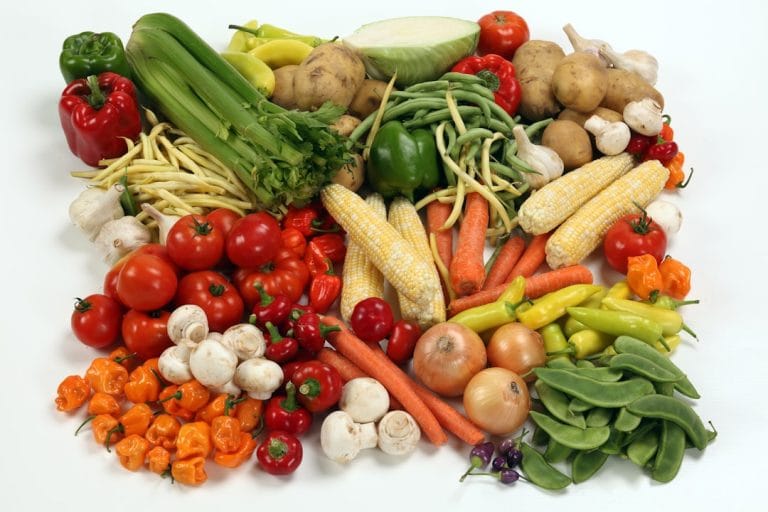
A look at the micronutrients that influence metabolism, fat storage, and how well your body burns what you eat.
Losing weight is usually framed around calories and movement, and those matter. But there’s a quieter layer underneath: the vitamins and minerals your body needs to run its metabolic machinery in the first place. When you’re short on certain micronutrients, some of the processes that break down fat and turn food into energy don’t work as smoothly as they should.
Filling those gaps won’t melt away pounds on its own. What it can do is help your body do the job it’s already trying to do, while leaving you feeling more alert and less drained. Here’s what the research points to, and how to approach supplements sensibly.
Key Takeaways
– Vitamin deficiencies can slow metabolism and make it harder for the body to shed fat.
– B vitamins, vitamin D, and vitamin C each support different parts of how the body handles energy and fat.
– Minerals like calcium, iron, magnesium, and chromium have been studied for weight-related effects, though the evidence is mixed.
– Food is the best first source; supplements should follow a blood test and a conversation with your doctor.
– No pill replaces the basics of a balanced diet, hydration, and regular exercise.
Why Micronutrients Belong in the Conversation
Metabolism isn’t a single switch. It’s a web of chemical reactions, and vitamins and minerals act as the helpers that keep those reactions moving. Run low on the right ones, and the body’s ability to burn fat and generate energy takes a hit. That’s the reasoning behind paying attention to nutrient status when you’re trying to lose weight, rather than treating vitamins as an afterthought.
The Vitamins Worth Paying Attention To
 Save
B Vitamins
The B family is closely tied to how efficiently you convert food into fuel. Research suggests these vitamins may help prevent weight gain and support the activity of enzymes involved in energy metabolism. There are eight of them, including thiamine (B1), riboflavin (B2), niacin (B3), pantothenic acid (B5), pyridoxine (B6), biotin (B7), folate (B9), and cobalamin (B12).
You’ll find them across a wide range of foods: leafy greens, beans, eggs, meat, fish, poultry, dairy, and fortified cereals and breads. B12 is the tricky one for plant-based eaters, since it mainly comes from animal foods, so vegetarians and vegans often need a supplement. The sensible move is to get tested for deficiencies first, then adjust your diet or supplement based on what the results show.
Vitamin D
 Save
Sometimes called the sunshine vitamin because your skin makes it in response to sunlight, vitamin D has become a common deficiency in recent years. It’s a fat-soluble nutrient known for supporting bone health and the liver, and low levels have been linked to a long list of conditions, from depression and diabetes to cardiovascular and autoimmune disease.
Several studies have found a relationship between vitamin D and body weight. Deficiency shows up frequently in people with obesity, and improving vitamin D levels alongside a weight loss diet has been associated with reductions in BMI, body weight, hip and waist circumference, and inflammation. National survey data covering 2017 through early 2026 found that roughly 18.5% of U.S. adults reported using a vitamin D supplement in the past month, with use more common among non-Hispanic Asian and White adults.
A practical starting point costs nothing: a 10-minute morning walk helps your body synthesize its own. If a blood test shows you’re low, your doctor can advise on supplementing.
Vitamin C
 Save
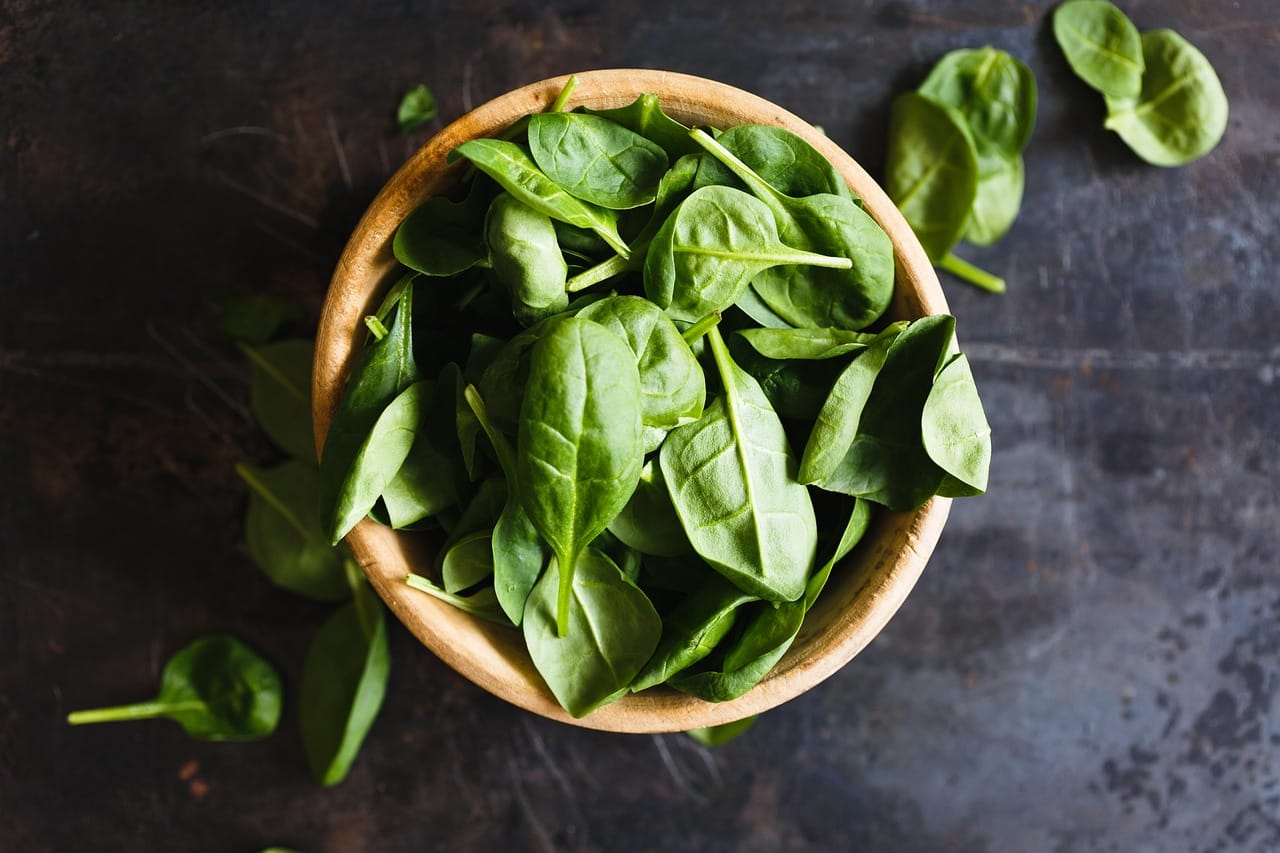
This water-soluble antioxidant is most famous for citrus, but berries, bell peppers, chili, broccoli, cabbage, cauliflower, Brussels sprouts, tomato, spinach, and potato all deliver it too. Antioxidants like vitamins C and E may help lower oxidative stress, which researchers connect to a reduced risk of obesity and type 2 diabetes.
There’s an interesting exercise angle. One study found that people with adequate vitamin C oxidized about 30% more fat during moderate-intensity exercise than those who were low. A separate review out of the University of Chile raised the possibility that vitamin C could help lower high blood sugar, ease inflammation, and assist in breaking down fat cells. It’s not a fat burner in a bottle, but keeping your levels topped up seems to help the body work with you rather than against you.
Minerals That Play a Role Too
 Save
Vitamins get most of the attention, but a few minerals show up repeatedly in weight research.
Calcium does more than build bone. Taking calcium with vitamin D3 for 12 weeks has been shown to reduce body fat and visceral belly fat while improving metabolic markers, and pairing higher dietary calcium with a calorie-restricted diet may improve fat loss. Results aren’t universal, though. Some people see no meaningful change from supplements, which is why checking with your doctor matters.
Iron deficiency often travels alongside obesity, and there’s evidence the two interact: excess weight may disrupt how the body manages iron, and losing weight can improve iron levels in return. Animal studies hint that iron may help limit fat accumulation in the liver, but the picture in humans is still unclear. Iron-rich foods like dates, raisins, dark leafy greens, beans, and meat are a safe place to start; supplements should wait for a blood test.
Magnesium supports heartbeat, bone health, immunity, blood sugar, and energy production, and deficiency is common in people with obesity and type 2 diabetes. Raising intake can improve features of metabolic syndrome, including blood pressure, blood sugar, and triglycerides, and one study found supplementation lowered BMI in people who were deficient and insulin resistant. Good sources include vegetables, fruit, nuts, seeds, fish, dairy, and whole grains.
Chromium is a trace mineral tied to insulin function and carbohydrate metabolism, and it’s a popular slimming aid in the U.S. and parts of Europe. Some research points to it increasing lean mass and reducing body fat, or curbing appetite, but much of that rests on animal studies. It can also cause side effects like nausea, headache, dizziness, and loose stools. Any effect it has tends to be small next to diet and exercise, so getting chromium from foods like broccoli and shellfish is the wiser route.
A Few Precautions Before You Supplement
More is not better with micronutrients. Fat-soluble vitamins in particular can build up, and some minerals cause side effects at high doses. Test first so you’re treating an actual gap rather than guessing. Whenever you can, reach for whole foods, which come packaged with fiber and other nutrients. And keep the frame honest: supplements are a support act, not the main event. The reliable drivers are still a balanced plate, enough water, and consistent movement.
Frequently Asked Questions
Can taking vitamins alone help me lose weight?
No. Vitamins and minerals support the metabolic processes involved in burning fat, but they don’t replace a calorie-aware diet and regular exercise. Think of them as filling gaps that might otherwise hold you back.
Should I get tested before buying supplements?
Ideally, yes. A blood test tells you whether you’re actually deficient, which prevents you from overdoing nutrients you don’t need. This is especially important for iron, vitamin D, and B12.
Which foods cover the most of these nutrients at once?
Leafy greens are a strong all-rounder, offering B vitamins, magnesium, iron, and vitamin C. Add dairy for calcium and vitamin D, fatty fish for vitamin D and magnesium, and citrus or peppers for extra vitamin C.
The Bottom Line
Vitamins and minerals shape how your body stores fat and turns food into energy, so a deficiency can quietly work against your weight loss efforts. B vitamins, vitamin D, and vitamin C each support metabolism in their own way, and minerals like calcium, iron, magnesium, and chromium have earned a place in the research too. The strongest approach is unglamorous: eat a varied diet, get your levels checked, supplement only what you genuinely need under a doctor’s guidance, and keep moving. Nutrients help the process along; they don’t do the work for you.
This article is for informational purposes only and is not a substitute for professional medical advice. Talk to your doctor or a registered dietitian before starting any supplement or making significant changes to your diet, especially if you have a health condition or take medication.