
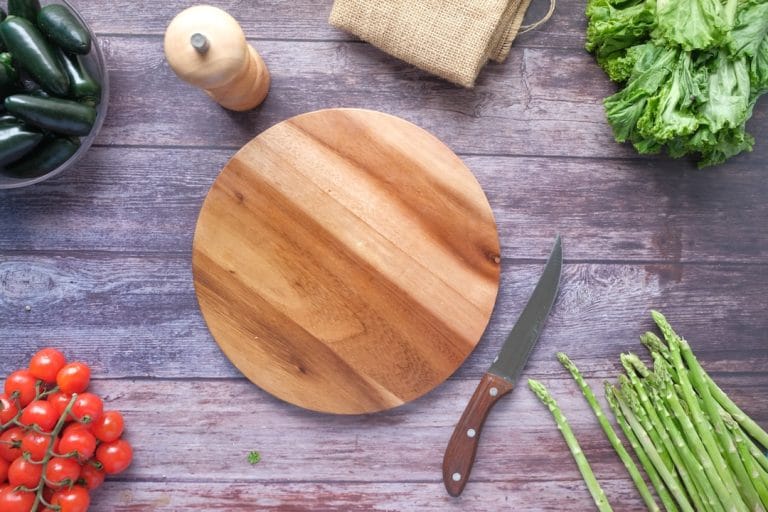
Whole-food meals that feel like a treat, not a punishment.
The paleo approach, sometimes called the caveman diet, leans hard on foods our ancestors could have hunted or gathered: real vegetables, fruit, grass-fed meat, pasture-raised poultry, and healthy fats. What it leaves out is just as telling. Grains, dairy, and anything refined or heavily processed get set aside, which naturally trims the added sugars and trans fats that sneak into packaged meals.
Here is the part most people miss. Paleo does not obsess over a single macronutrient the way low-carb or high-protein plans do. It cares more about where your food comes from and how little was done to it before it reached your plate. That framing makes it flexible, and it means eating well on paleo can taste genuinely good.
Key Takeaways
– Paleo centers on whole, unprocessed foods and skips grains, dairy, and refined products.
– People often try it to support healthier cholesterol, steadier blood sugar, and weight loss.
– It works best as a short-term reset rather than a permanent way of eating.
– Smoothies, blended soups, and simple bowls make quick, satisfying paleo meals.
– Some groups, including pregnant women and people with kidney disease, should avoid it.
What Paleo Actually Puts on Your Plate
Think of paleo as a return to ingredients you could picture growing, grazing, or ripening somewhere. A green apple, not apple-flavored anything. A shredded carrot, not a carrot cake. Food blogger Russ Crandall, who followed the diet for five years, put it well: the goal is to chase the flavors you crave but pull them from natural sources, so meals feel nutritious and satisfying without the sense that you are sacrificing.
That mindset changes how you shop. Instead of scanning labels for the least-bad option, you spend more time in the produce aisle and at the meat counter. Fewer boxes, more raw material.
Why do people bother? The usual reasons are practical. Many turn to paleo hoping to improve their cholesterol numbers, keep blood sugar on a more even keel, and lose some weight along the way. It suits someone who wants an all-natural framework rather than a strict calorie ledger.
Stock Your Kitchen First
 Save
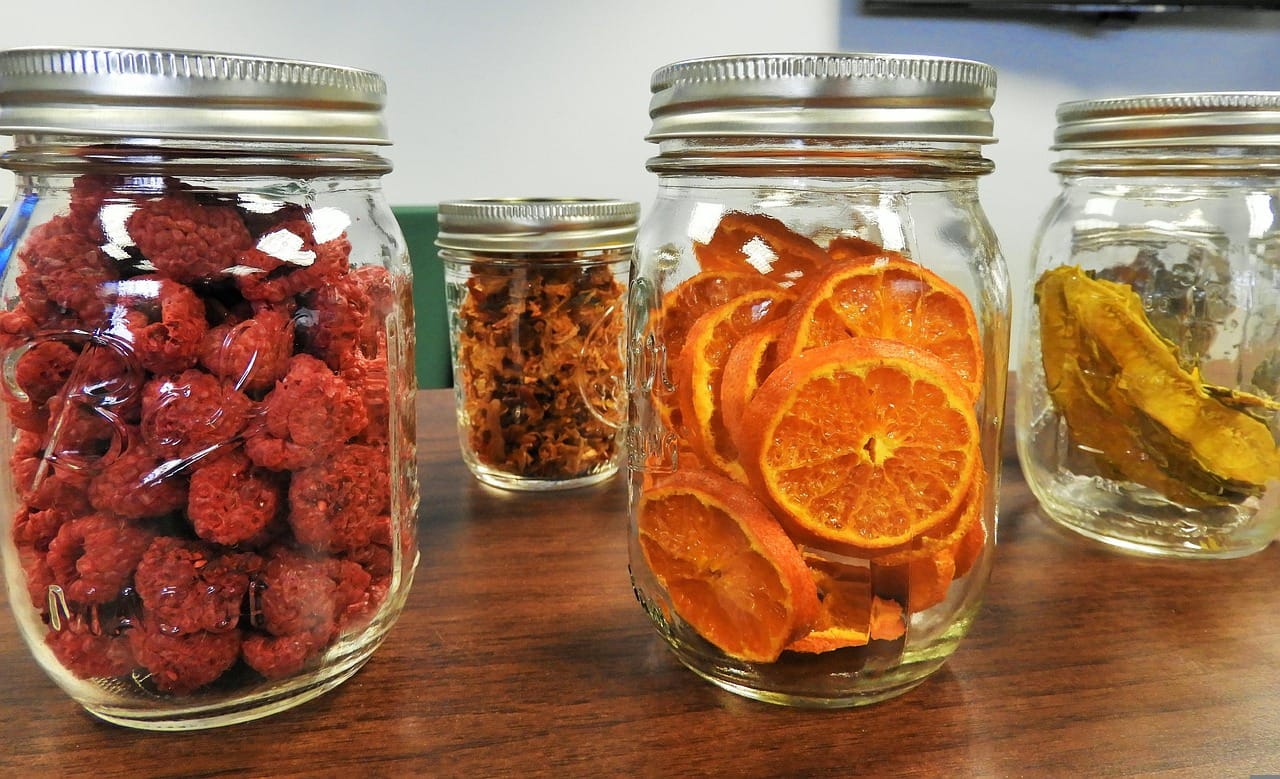
Good paleo cooking starts before you turn on the stove. Keep organic vegetables and fruit on hand, along with grass-fed meat and pasture-raised poultry. Nuts and seeds earn their spot too, since raw cashews, almond butter, pumpkin seeds, chia, and flax show up again and again in paleo recipes. Coconut milk, coconut oil, olive oil, and ghee cover most of your fats and liquids.
A well-stocked pantry is what makes weeknight cooking realistic. When the raw ingredients are already there, a five-minute smoothie or a hands-off slow-cooker soup stops feeling like a project.
Smoothies and Bowls for Fast Mornings
 Save
Blended breakfasts are the easiest entry point, and most take five minutes or less.
A kale-cucumber smoothie throws chopped kale, English cucumber, celery, green apple, yellow bell pepper, jalapeño, ginger, and fresh lemon juice into a blender with water. A little cilantro is optional, and a spoon of raw pumpkin or chia seeds makes it creamier. It reads more savory than sweet, which some people prefer first thing in the morning.
If you want something closer to dessert, try a strawberry-banana blend with almond milk, almond butter, plain probiotic yogurt, and a cup of ice. A watermelon-peach version leans summery, with refrigerated coconut milk, a spoon of cashew butter, and mint to garnish.
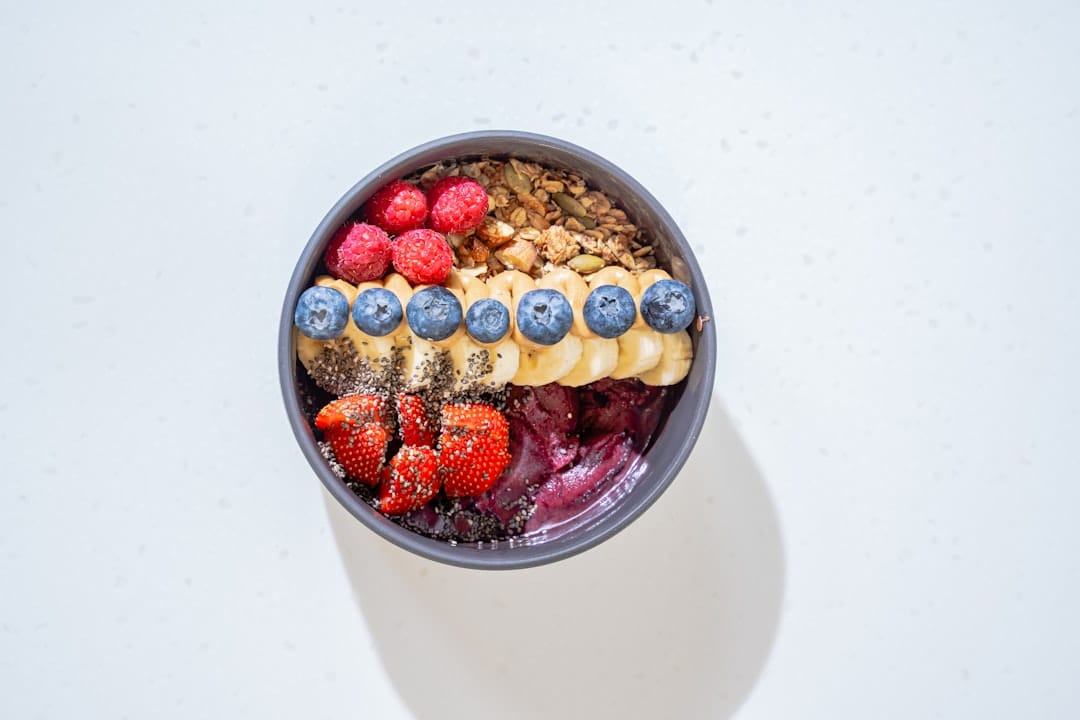
For a bowl you can eat with a spoon, freeze a banana, then blend it with frozen cherries, mixed berries, coconut milk, and almond butter until thick. Pour it into bowls and pile on shredded coconut, fresh raspberries, goji berries, or flax. It feels indulgent for something built entirely from fruit and nuts.
Cozy Blended Soups
 Save
When you want warmth instead of a cold glass, paleo soups deliver, and soaked cashews do a lot of the heavy lifting where dairy would normally go.
For a cheesy-tasting broccoli soup with no cheese, sauté onion and garlic in olive oil or ghee, then simmer broccoli florets and shredded carrot in bone broth until tender. Separately, blend soaked cashews with water, mustard powder, smoked paprika, nutritional yeast, lemon juice, almond milk, and a dash of cayenne until silky. Stir that cream into the pot, season with sea salt and cracked pepper, and finish with parsley. The nutritional yeast is what gives it that savory, almost-cheesy depth.
A roasted asparagus and leek soup takes more time but rewards it. You broil asparagus and leeks tossed in coconut oil, cook them down with shallots, then add cashew cream, chicken broth, white wine vinegar, spinach, lemon juice, and zest before puréeing everything smooth. Set aside a few roasted asparagus tips for the top.
Short on hands-on time? A slow-cooker tomato-fennel soup is nearly effortless. Combine canned peeled tomatoes and tomato sauce with onion, red bell pepper, garlic, vegetable broth, fennel seeds, basil, oregano, and red pepper flakes. Save half the coconut milk to swirl in at the end, then let it cook low and slow for around eight hours.
A Few Cooking Habits That Help
 Save
Cashews want soaking, ideally two to four hours, before they blend into a smooth cream. Buy frozen fruit for smoothies so you can skip the ice and keep the texture thick. Reach for unsalted broths and canned goods when you can, since it lets you control the salt yourself. And taste as you go, adjusting milk, water, or citrus until the consistency lands where you like it.
Who Should Skip It
Paleo is not for everyone, and it is worth being honest about the trade-offs. Cutting whole food groups can leave gaps, so some people report bloating, diarrhea, fatigue, or nutritional deficiencies, especially over longer stretches. That is part of why it tends to work better as a short-term reset than a lifelong plan.
Certain people should avoid it altogether. That list includes women who are pregnant or breastfeeding, and anyone with kidney disease, a history of eating disorders, type 1 diabetes, or a raised risk of heart disease. If you fall into one of those groups, this diet is not the right experiment.
Frequently Asked Questions
Can I stay on paleo long term?
It is generally framed as a short-term approach. Because it removes several food groups, staying on it indefinitely raises the odds of nutritional gaps, so many people use it for a defined stretch and then reassess with a professional.
Do I have to give up dairy completely?
Yes, traditional dairy is off the table on paleo. The recipes here lean on coconut milk, almond milk, and blended soaked cashews to get creamy textures without it.
Is paleo automatically low-carb?
Not necessarily. Paleo focuses on food quality and origin rather than one macronutrient, so fruit, starchy vegetables, and other natural carb sources still fit within it.
The Bottom Line
Paleo asks a simple question of every meal: could you trace this back to something whole and unprocessed? Answer yes often enough, and you naturally crowd out refined sugars and industrial fats. The recipes above, from a two-minute green smoothie to an eight-hour tomato-fennel soup, show that eating this way does not have to feel restrictive. Just be realistic about the downsides, treat it as a short-term tool, and check with a clinician first if you have any of the health conditions that make paleo a poor fit.
This article is for general informational purposes only and is not a substitute for professional medical advice. Talk to a qualified healthcare provider before starting any new diet, especially if you are pregnant, breastfeeding, or managing a health condition.