
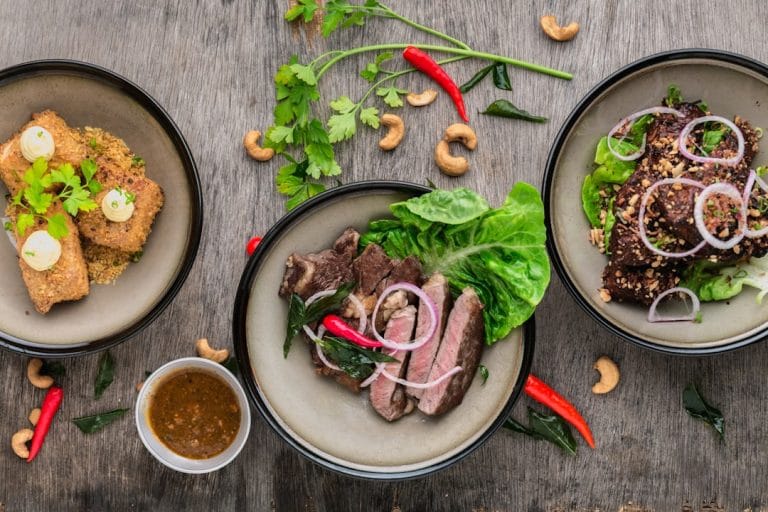
Eat the way your ancestors did — and rediscover what whole, unprocessed food can do for your body.
Sometimes the freshest health advice is also the oldest. The paleo diet asks a simple question: what would our Stone Age ancestors have eaten, and could returning to those foods help us feel better today? It rose to popularity in the 21st century by championing the whole foods early humans could hunt and gather — fish, lean meats, vegetables, fruits, nuts, and seeds — while setting aside modern staples like grains, dairy, and legumes.
In this guide, we’ll unpack how the paleo diet works, the benefits research supports, the foods that fit (and those that don’t), a beginner-friendly meal plan, and the risks worth keeping in mind before you start.
Key Takeaways
– The paleo diet centers on whole, unprocessed foods similar to what Paleolithic people ate, while cutting out grains, legumes, and dairy.
– Studies link it to weight loss and lower blood pressure.
– It may help with blood sugar control and improve cholesterol levels.
– Its restrictive nature can lead to vitamin and calcium shortfalls over time.
– Pregnant or breastfeeding women and anyone with an eating disorder should avoid it.
What Is the Paleo Diet?
Also known as the Stone Age or caveman diet, the paleo diet focuses on foods thought to have been available during the Paleolithic era. Think fish, lean meat, fruits, vegetables, nuts, and seeds — nothing that comes from a factory.
Supporters argue that because the human body hasn’t fully adapted to digest grains, dairy, and legumes, these foods may contribute to problems like obesity, diabetes, and heart disease. Cut them out, the thinking goes, and you may sidestep those issues.
That said, not everyone follows the plan strictly. It can be tailored to fit your own goals and preferences.
Types of the Paleo Diet
Several softer versions exist for people who want flexibility:
Primal paleo: Adds white rice, dark chocolate, fermented dairy, raw honey, maple syrup, and some alcohol.
Standard paleo: Permits dark chocolate, ghee, butter, raw honey, maple syrup, and wine.
Autoimmune paleo (AIP): An elimination approach that removes foods one at a time to pinpoint triggers behind autoimmune symptoms.
Health Benefits of Going Paleo
 Save
SaveMay Support Weight Loss
A meta-analysis found the paleo diet may reduce body weight, BMI, and waist circumference. Though often labeled a fad diet, it appears to help largely by lowering overall calorie intake.
May Aid Blood Sugar Control
By trimming saturated fat and carbohydrates while raising protein and healthy unsaturated fats, the diet may improve glycemic control and curb the blood sugar spikes that follow meals. Research suggests that even short-term adherence may boost insulin sensitivity and improve lipid profiles.
May Lower Blood Pressure
Thanks to reduced sodium intake and accompanying weight loss, studies indicate the paleo diet may lower both systolic and diastolic blood pressure. That can meaningfully improve cardiovascular risk factors, especially in people with metabolic syndrome.
May Improve Cholesterol Levels
Going grain-free has been linked to lower total cholesterol, LDL cholesterol, and triglycerides. The exact mechanism isn’t fully understood, but a grain-free plan is naturally lower in carbohydrates and sugar — both major drivers of LDL cholesterol — which may help manage cholesterol and reduce heart risk.
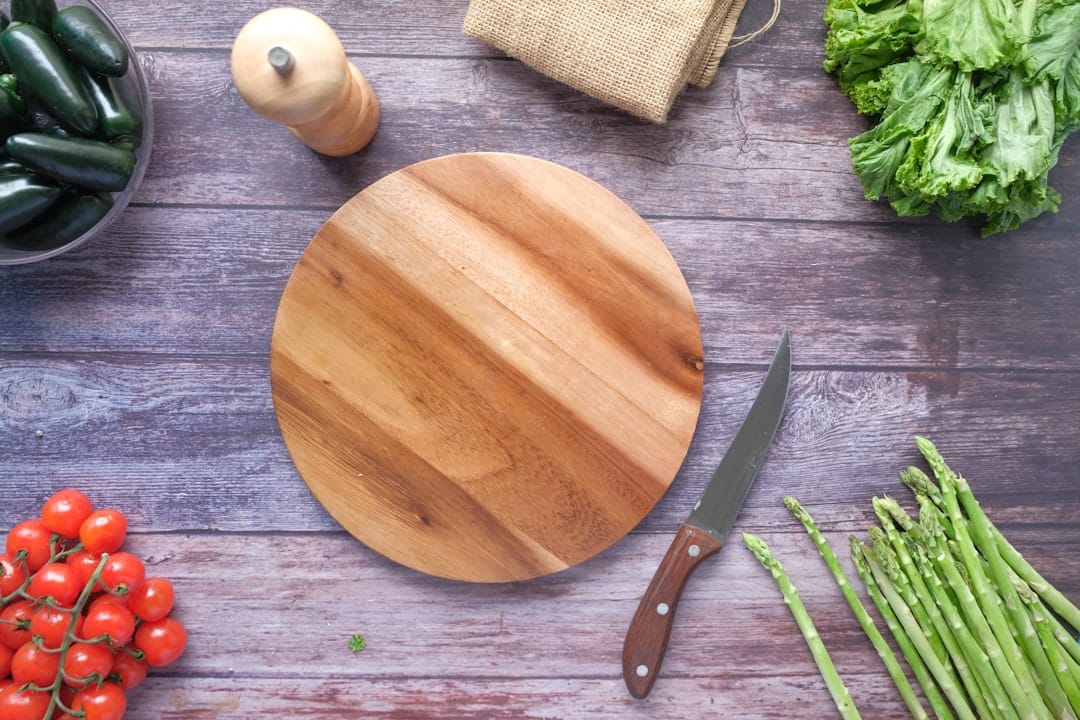
Foods to Enjoy on the Paleo Diet
 Save
SaveFruits: apples, plums, peaches, bananas, grapes, citrus, melons, and berries.
Vegetables: cauliflower, spinach, cabbage, butternut squash, sweet potatoes, broccoli, Brussels sprouts, and turnips.
Meat and seafood: chicken, beef, pork, bacon, turkey, salmon, tuna, and cod.
Eggs: free-range, pastured, or omega-3 enriched.
Nuts and seeds: almonds, walnuts, pecans, pistachios, hazelnuts, Brazil nuts, macadamias, pine nuts, plus chia, flax, sunflower, and pumpkin seeds.
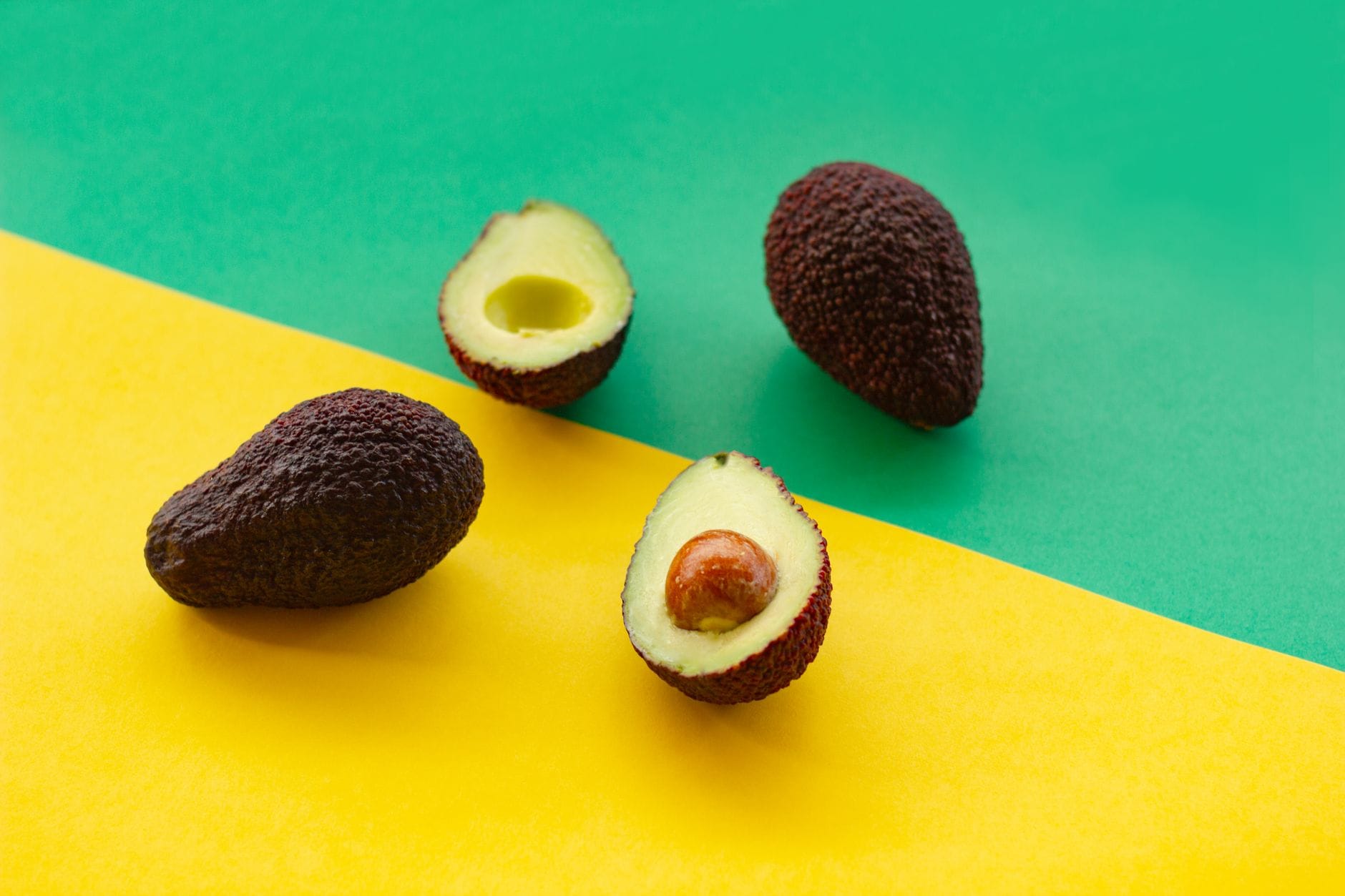
Healthy fats and oils: olive, avocado, coconut, walnut, flaxseed, and macadamia oil.
Foods to Avoid
Grains: wheat, rye, barley, cereal, bread, and pasta.
Legumes: beans, lentils, peas, peanuts, tofu, soy flour, and soy milk.
Dairy: all dairy products, including low-fat milk.
Refined or added sugar: soft drinks, fruit juice, table sugar, candy, pastries, and ice cream.
Starchy vegetables: corn, jicama, and white potatoes.
Vegetable oils: soybean, safflower, sunflower, grapeseed, cottonseed, and corn oil.
Highly processed foods: chips, cookies, anything labeled “low fat,” and heavily additive-laden meal replacements.
Your 7-Day Paleo Meal Plan
 Save
SavePlanning ahead is the secret to sticking with paleo. Mapping out a week’s menu means you’ll have the right ingredients on hand, spend less time making daily decisions, and face fewer unhealthy temptations. It also gives you room to try new recipes so meals stay varied and balanced.
A simple rhythm works well: build each day around a protein, a generous serving of vegetables, and a healthy fat. For example, start mornings with eggs and sautéed spinach, enjoy a salmon-and-greens salad at lunch, snack on a handful of almonds or fresh berries, and finish with grilled chicken or beef alongside roasted sweet potatoes and broccoli. Rotate your proteins and produce across the week to keep things interesting, and feel free to adjust portions to match your goals.
Paleo vs. Keto: What’s the Difference?
 Save
SavePaleo and keto are often mentioned together, but they aren’t the same. Both emphasize whole, unprocessed foods, and both allow natural, grass-fed meats. The key difference lies in focus: paleo defines foods by their origin (would a hunter-gatherer have eaten it?), while keto is built around drastically limiting carbohydrates to shift the body into fat-burning ketosis. If a strict paleo plan feels too rigid, keto is one alternative worth exploring.
Risks of the Paleo Diet
Because it eliminates entire food groups, the paleo diet can leave gaps in your nutrition. Cutting out dairy and grains may lead to shortfalls in calcium and certain vitamins over time. It’s not suitable for everyone: pregnant and breastfeeding women, along with anyone who has an eating disorder, should steer clear. If you’re considering the diet long-term, talk with a healthcare provider about supplementing to fill any nutritional gaps.
Frequently Asked Questions
Can I lose weight on the paleo diet?
Many people do. Research links paleo eating to reductions in weight, BMI, and waist circumference, mostly because whole foods tend to lower overall calorie intake.
Is the paleo diet good for people with diabetes?
It may help. By lowering carbohydrates and increasing protein and healthy fats, paleo has been shown to improve glycemic control and insulin sensitivity — but check with your doctor before making changes.
Do I have to follow paleo strictly?
No. Modified versions like primal and standard paleo allow extras such as dark chocolate, ghee, and small amounts of honey or wine, so you can adapt the plan to your lifestyle.
The Bottom Line
The paleo diet trades processed convenience foods for the whole, nutrient-dense options our ancestors relied on. Evidence suggests it may support weight loss, healthier blood pressure, better blood sugar control, and improved cholesterol. Still, its restrictive nature can create nutrient gaps, and it isn’t right for everyone. If you’re drawn to eating cleaner and simpler, paleo can be a satisfying place to start — just build in variety and, when in doubt, get personalized guidance from a professional.
This article is for informational purposes only and is not a substitute for professional medical advice. Always consult a qualified healthcare provider before starting any new diet, especially if you are pregnant, breastfeeding, or managing a health condition.