
A stricter, leafier take on an eating pattern that was already good for you.
The Mediterranean diet has been the reigning champion of “diets that doctors actually recommend” for decades. So it says something that researchers went back and tried to improve on it. The result is the green Mediterranean diet, which keeps the olive oil and the whole grains, drops red meat entirely, and adds three specific things: green tea, walnuts, and a duckweed shake most people have never heard of.
It’s a more structured plan than the original, and that cuts both ways. There’s less room to improvise, but also less guesswork. If you’ve been circling plant-based eating without wanting to give up fish or eggs completely, this version might be the closest fit.
Key Takeaways
– The green Mediterranean diet is a plant-forward version of the classic Mediterranean pattern, with red and processed meat removed and animal products kept to a minimum.
– Three additions define it: 3 to 4 cups of green tea daily, 28g of walnuts, and a 100g Mankai duckweed shake.
– Reported benefits span heart health, weight management, gut health, brain aging, inflammation, and blood sugar.
– Calorie targets are specific (roughly 1,500–1,800 for men, 1,200–1,400 for women) and exercise up to five days a week is part of the protocol.
– Skip it if you have a nut allergy, a history of disordered eating, or a medical condition requiring tightly controlled intake.
What Makes It “Green”
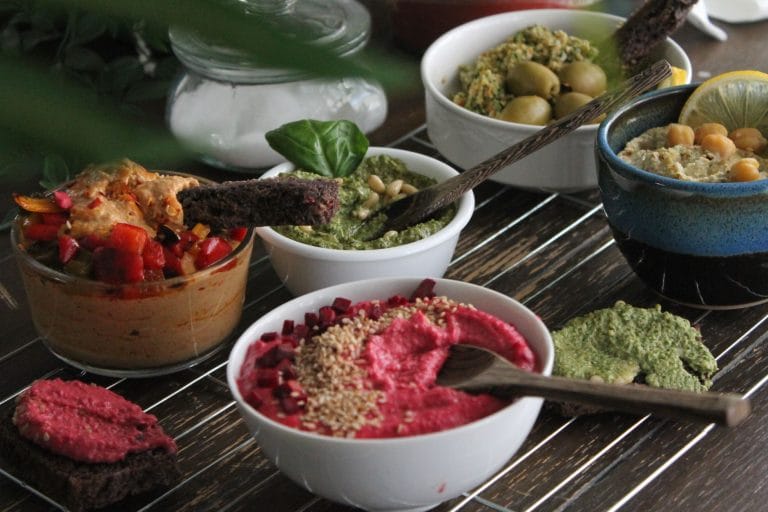
Start with the familiar version. The traditional Mediterranean diet grew out of how people around the Mediterranean Sea have eaten for generations: whole grains, beans, nuts, herbs and spices, fruit, vegetables, and olive oil doing most of the heavy lifting. Seafood shows up about twice a week. Dairy and poultry are moderate. Red meat is occasional, red wine is optional (and nobody’s telling non-drinkers to start), and heavily processed foods, processed meat especially, are off the table.
The green version tightens the screws. Red meat and processed meat are gone, not just limited. Poultry, fish, and eggs become rare guests rather than regulars. Your protein now comes mainly from tofu, beans, nuts, and quinoa.
Then come the three signature additions. These weren’t picked at random, they were chosen for their polyphenol content, the plant compounds with antioxidant activity that a lot of the diet’s proposed benefits hinge on.
Mankai, Walnuts, and Green Tea
 Save
SaveMankai is an aquatic plant, a type of duckweed, and it’s the strangest thing on this list. The protocol calls for 100g daily, usually blended into a shake. It’s dense in protein, iron, vitamin B12, and flavonoids, which is an unusual combination for a plant and part of why it works as a meat replacement rather than just a supplement.
Walnuts come in at 28g a day, roughly a small handful. They contribute omega-3 fatty acids alongside their polyphenols.
Green tea is the easiest of the three: 3 to 4 cups daily.
Miss these and you’re essentially eating a vegetarian-leaning Mediterranean diet. That’s still a good diet. It just isn’t this one.
How the Numbers Work
 Save
SaveUnderneath the food philosophy is a fairly conventional structure: fewer calories, fewer carbs, more protein.
The calorie targets mirror the standard Mediterranean approach. Men aim for 1,500 to 1,800 per day, women for 1,200 to 1,400. Carbs come down, protein goes up, and the protein arrives almost entirely from plants.
Movement isn’t optional here. The protocol builds in exercise up to five days a week, which matters when you’re reading the research, because the studies aren’t testing food in isolation. They’re testing food plus training. Any results you see reflect both.
The Case For It
Seven areas keep coming up in the research on plant-forward Mediterranean eating.
Heart health. Plant-based patterns are linked to meaningfully lower risk of heart disease and of cardiovascular events like heart attack and stroke. Nuts and olive oil, both rich in omega-3s, help pull LDL cholesterol down while nudging HDL up.
Weight management. The calorie restriction does the obvious work, and pairing it with regular activity is what makes the loss stick. The antioxidant-heavy food list may support metabolism on top of that, though the calorie deficit is likely doing most of the work.
Cancer risk. Foods loaded with antioxidants, vitamins, minerals, and anti-inflammatory compounds appear to slow cell degeneration and interfere with cancer cell spread. There’s also evidence of protection against DNA damage.
Gut health. All that fiber from vegetables may feed a healthier microbiome, which in turn supports digestion.
Brain health. Polyphenol-rich foods have been associated with protection against age-related brain atrophy, plus possible reductions in neurodegenerative disease risk and improvements in mood and cognition.
Inflammation. Vitamins C and E from a vegan or vegetarian pattern may help lower inflammatory biomarkers. High levels of those markers flag inflammatory conditions, and chronic inflammation is tied to cardiovascular disease among others.
Blood sugar. Plant-based diets that cut refined foods and animal products may help stabilize glucose, improve insulin sensitivity, and support healthier metabolism, which points toward lower type 2 diabetes risk.
Worth keeping in perspective: “may” is doing real work in most of these findings. The evidence is encouraging and consistent, not a guarantee.
Where It Falls Short
 Save
SaveEvery honest look at this diet lands on the same handful of problems.
Availability and cost. Mankai is not at your corner store. Quality olive oil, nuts, and fresh produce add up week over week.
Nut allergies. Walnuts are structural here, not a garnish. If you can’t eat nuts, this specific protocol isn’t for you.
Nutrient gaps. Pushing animal products this low can leave holes for some people, depending on what the rest of their plate looks like.
Cravings and overeating. Restriction has a way of rebounding. Some people find the calorie and macro targets tight enough to backfire.
Rigidity. Hitting daily calorie and macronutrient goals, plus three specific foods, plus five days of exercise, is a lot of compliance to sustain.
Anyone with a history of eating disorders should steer clear. So should anyone whose medical condition requires strict dietary control, at least without their doctor signing off first.
Is This Diet a Fit for You?
 Save
SaveIt suits someone who wants to eat mostly plants without going fully vegan, who likes structure rather than resenting it, and who can absorb the grocery bill.
It’s a poor fit if you need flexibility, can’t eat nuts, or find that counting anything sends you somewhere unhealthy. And it’s designed as a long-term pattern, not a six-week reset, so the real question isn’t whether you can do it. It’s whether you’d want to be doing it in two years.
The good news is that it adapts. Vegetarians and pescatarians slot in easily. If Mankai is impossible to source, you’re not stuck, you just aren’t running the protocol as studied.
Frequently Asked Questions
What actually is Mankai?
An aquatic plant, specifically a strain of duckweed, eaten as a 100g shake. It’s notably high in protein, iron, vitamin B12, and flavonoids, which makes it useful as a plant protein that covers some of what leaving out meat would otherwise cost you.
Can I drink wine on the green Mediterranean diet?
The traditional Mediterranean diet allows up to a glass of red wine a day while explicitly not encouraging non-drinkers to pick up the habit. The green version’s focus is on removing red and processed meat and adding the three polyphenol-rich components, so wine isn’t its defining feature either way.
Do I have to give up chicken and fish?
Not entirely. Poultry, fish, and eggs stay on the menu occasionally. What disappears completely is red meat and processed meat. The everyday protein load shifts to tofu, beans, nuts, and quinoa.
The Bottom Line
The green Mediterranean diet takes something that already works and asks a straightforward question: what if it were greener? Cut the red meat, add duckweed, walnuts, and green tea, keep the olive oil and produce, move your body five days a week. The research points toward benefits across heart, brain, gut, weight, inflammation, and blood sugar, though most of it comes with an honest “may” attached.
Whether it beats the classic version for you comes down to something less scientific: sourcing Mankai, affording the groceries, and tolerating a fair bit of structure. If those don’t faze you, this is a well-supported way to eat. If they do, the traditional Mediterranean diet is still sitting right there, and it’s hardly a consolation prize.
This article is for informational purposes only and is not a substitute for professional medical advice, diagnosis, or treatment. Always consult your doctor or a registered dietitian before making significant changes to your diet, particularly if you have an existing health condition, take medication, or have a history of disordered eating.