
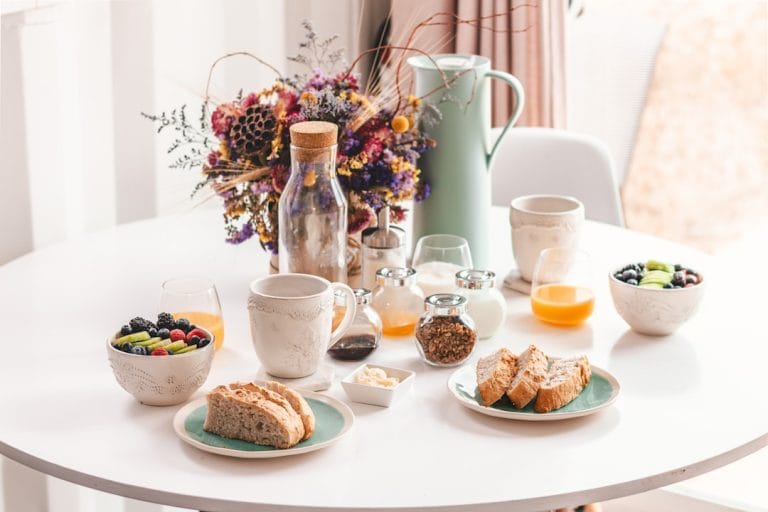
Eggs, olive oil, vegetables and yogurt, assembled without much fuss.
Most breakfasts fall into a rut fast. Cereal, toast, the same coffee, repeat. The Mediterranean approach to the first meal of the day is a nice antidote, partly because it doesn’t ask you to count anything. It asks you to add: vegetables, eggs, fish, whole grains, and fats like olive oil, nuts and seeds.
What it takes out is short and specific. Processed meats, red meat, added sugar and heavily salted foods step aside. Everything else is fair game, which is a large part of why the pattern is easier to live with than stricter plans.
Key Takeaways
– A Mediterranean breakfast is built from vegetables, fruit, eggs, whole grains, nuts, seeds and olive oil.
– The pattern cuts processed meat, red meat, sugary foods and salt-heavy items rather than restricting calories.
– It is associated with better blood sugar, weight loss, and lower risk of type 2 diabetes and cognitive decline.
– Easy starting points include a stuffed spinach omelet, shakshuka, a yogurt bowl, or blueberry banana overnight oats.
– The plan isn’t for everyone. Cost, calorie density and iron intake are worth thinking about.
What Makes a Breakfast Mediterranean
There’s no single recipe that qualifies. The pattern is defined by what’s on the plate in aggregate: plenty of produce, a healthy fat doing the cooking, some protein, and a whole grain if you want one.
Olive oil is the anchor. It does most of the cooking, though a little butter in an omelet pan still shows up in the classics. Nuts and seeds appear as toppings rather than snacks eaten by the handful. Fish is part of the pattern too, and eggs do a lot of the heavy lifting at breakfast.
This eating pattern is aimed at improved blood sugar levels, weight loss, and reduced risk of type 2 diabetes and cognitive decline. It’s often suggested for people managing chronic heart disease, high blood pressure, depression or dementia, and it’s designed as a long-term way of eating rather than a short reset.
Building the Plate Without a Recipe
 Save
SaveOnce you’ve got the logic, you can improvise most mornings. A few things that make it easier:
Rotate your vegetable combinations instead of settling on one. Spinach and tomato one week, zucchini and roasted pepper the next.
Finely chop carrots or nuts and scatter them over whatever you’ve made. It adds crunch for almost no effort.
Keep a homemade vegetable dip or spread in the fridge, ideally a fat-free one.
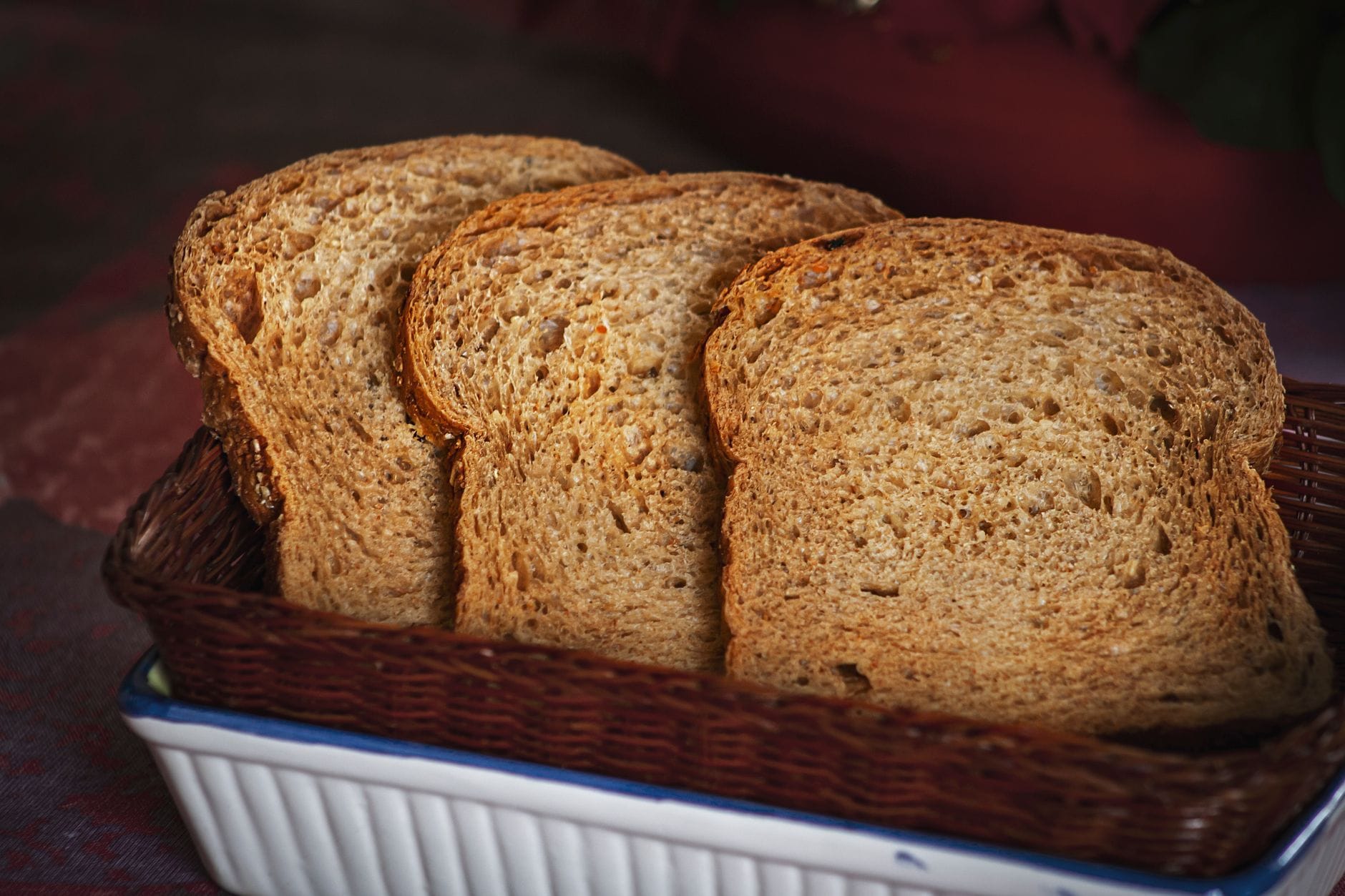
Work whole grain bread in at least twice a week rather than every single day.
Make chickpea or green pea patties in a batch, freeze them flat, and bake them before serving.
Marinate vegetables with a small amount of cheese or sour cream and serve them as a side dish.
Pair homemade fruit jam with nuts if you want something sweet without a sugar-heavy spread.
Do the work the night before
This is the part that decides whether the plan survives a Tuesday. Chop your vegetables, cook a pot of grains, or start overnight oats before bed. A few minutes of evening prep is the difference between cooking breakfast and simply assembling it.
Shakshuka and Other Egg Breakfasts Worth the Pan
 Save
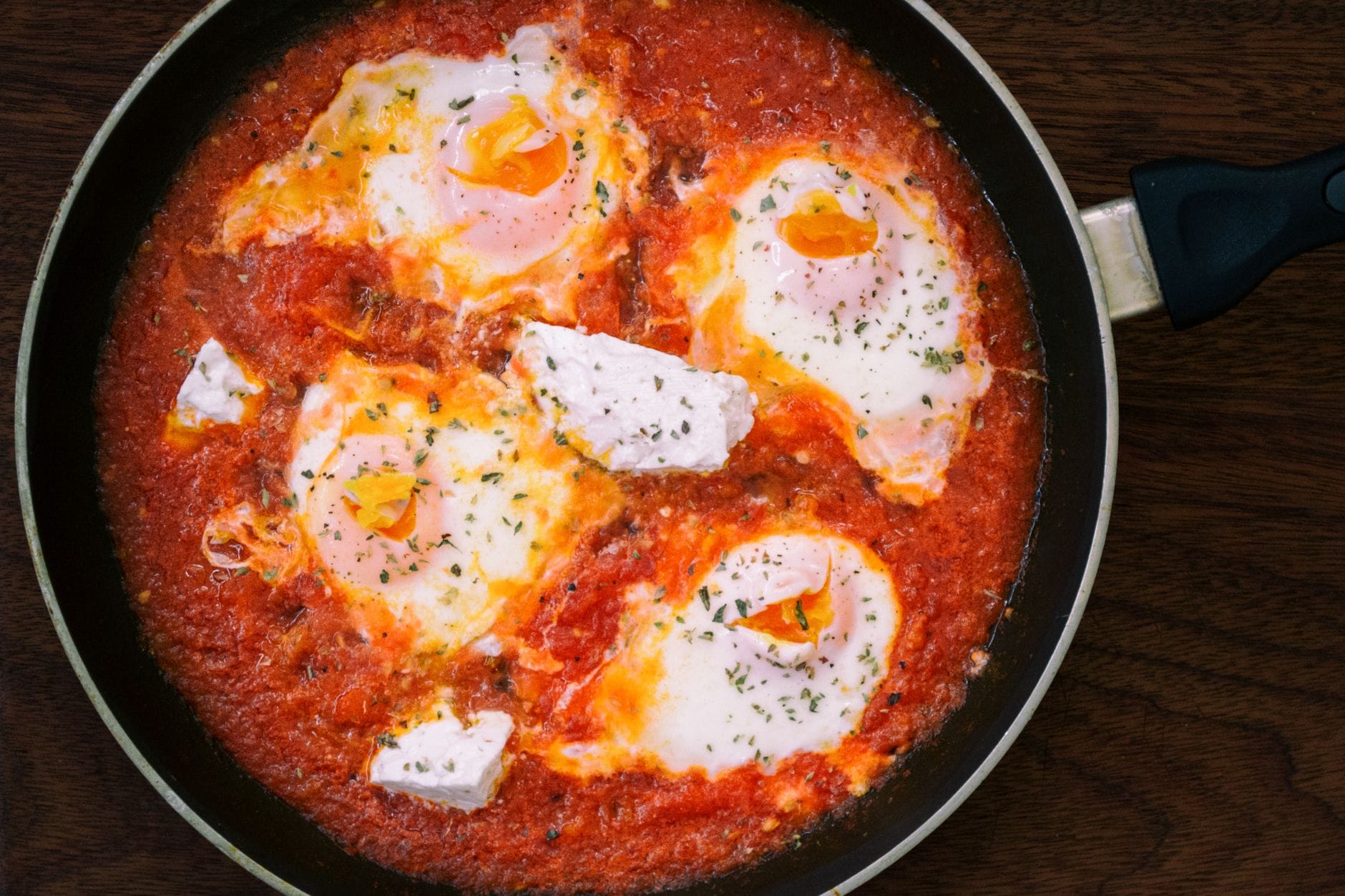
SaveEggs poached in spiced tomato sauce are about as Mediterranean as breakfast gets. Soften an onion, garlic and chopped tomatoes in olive oil, season with paprika, cumin and a little chili, then cover and let it cook for five minutes. Add capsicum and green chili, make a small space in the pan, crack in the eggs, and put the lid back on for another five to seven minutes. Cilantro and spring onion on top, bread on the side.
A stuffed spinach omelet is the quieter version. Fry a chopped onion in butter for five minutes, add four cups of chopped spinach with a cup of parsley and a spoonful of flour, and stir for two minutes. Fold that into three beaten eggs with salt and pepper, then cook it in a buttered pan until the underside browns, and flip. There’s cheese on the ingredient list too, if you want it in the filling.
Yogurt Bowls and Overnight Oats for Rushed Mornings
 Save
SaveFor mornings with no stove time, these two carry the load.
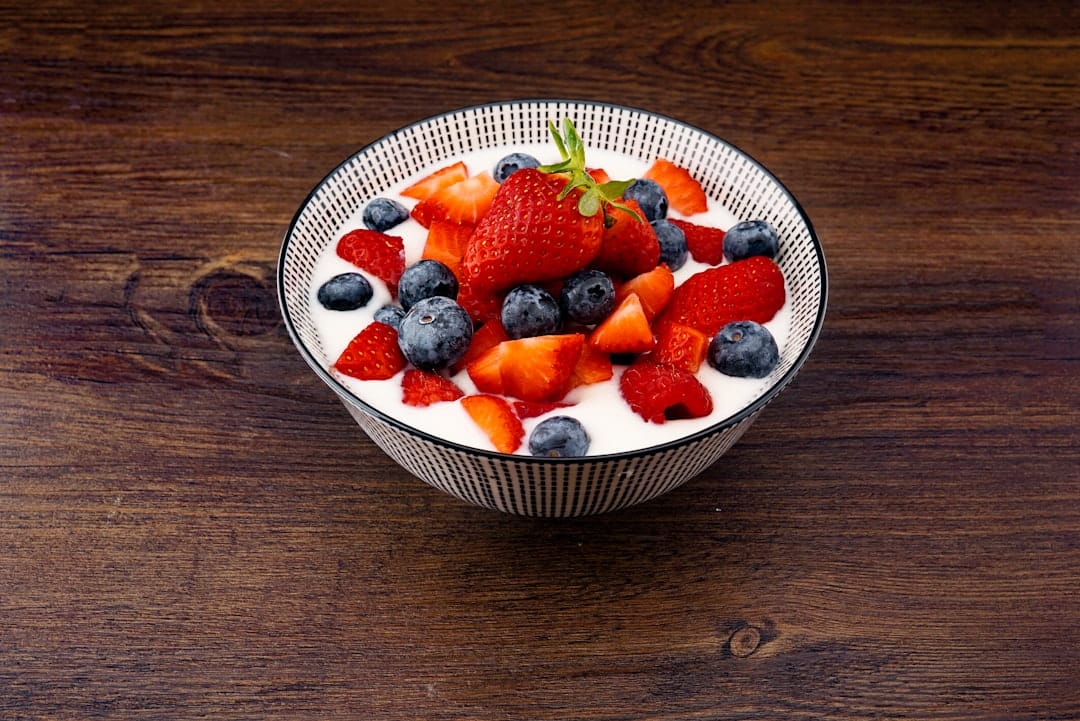
A yogurt bowl is creamy yogurt plus a cup each of strawberries and blueberries, then a tablespoon of honey, a tablespoon of flaxseed powder, a couple tablespoons of granola and a spoonful of almond butter. Twenty minutes in the freezer firms it up nicely if you have the time. Seasonal fruit works just as well as berries.
Overnight oats go together in a jar: mashed banana, half a cup of unsweetened coconut milk beverage, half a tablespoon of chia seeds, a teaspoon of maple syrup and half a cup of blueberries. Stir, refrigerate, eat cold.
Savory Options When You’re Tired of Sweet
 Save
SavePita pockets are the most portable of the bunch. Halve whole wheat pitas, spread hummus inside, then layer cucumber, tomato and parsley with half a boiled egg. A little hot sauce, a warm-through in a pan for five minutes, and a cheese or avocado dip on the side.
Savory pancakes are worth trying once. Oat flour and almond flour with baking powder and a half teaspoon of zaatar, then chopped spinach, sun-dried tomatoes, a small zucchini, sour cream and cheese folded in. Let the batter rest ten minutes before it hits the pan, and serve with hummus or zaatar.
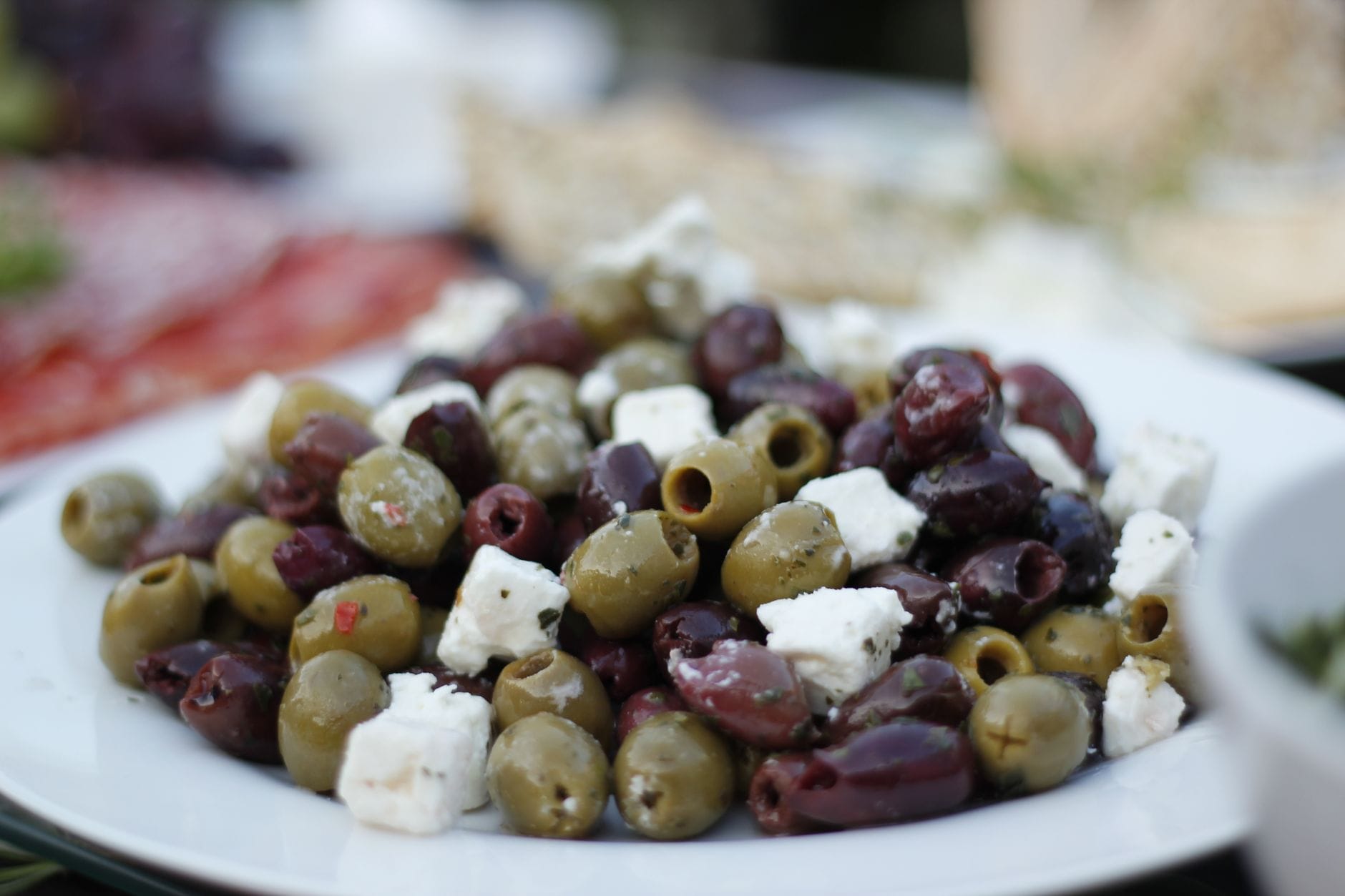
A Greek salad also makes a legitimate breakfast, especially in summer. Feta, olives, sliced onion and lettuce tossed with olive oil, then cherry tomatoes, cucumber and flaxseeds. Fifteen minutes chilled, eaten right away.
Where the Plan Gets Complicated
A few honest caveats. Olive oil, nuts and fish are not cheap, and cost is one of this pattern’s listed drawbacks. The fats involved are calorie dense too, so portions matter more than the “no restriction” framing suggests, and some people do gain weight on it.
Because it leans away from red meat, iron intake deserves attention, and iron deficiency is a recognized downside of the plan. Anyone who is pregnant or breastfeeding, managing a gastrointestinal condition, or looking to lose weight should talk it through with a clinician before making it their default.
Frequently Asked Questions
Do I have to eat fish at breakfast?
No. Eggs, yogurt, legumes and nuts cover the protein side perfectly well. Fish is common in the pattern overall, but there’s no rule that says it belongs before noon.
Is a Mediterranean breakfast good for blood sugar?
It may help. The combination of fiber from vegetables and whole grains with fat and protein tends to slow things down compared to a sugary cereal or pastry, and improving blood sugar levels is one of the things this pattern is aimed at.
Can I keep drinking coffee?
Yes. Coffee isn’t among the foods this pattern cuts out. What matters more is what you’re adding to it, since heavily sweetened drinks run counter to the low-sugar principle.
The Bottom Line
Mediterranean breakfasts work because they’re flexible. You’re assembling from a category, not following a script, so the same handful of ingredients gives you shakshuka on Sunday and a yogurt bowl on Wednesday. Start with one swap, maybe olive oil where you’d normally use butter, or eggs and vegetables where you’d normally have cereal. The cost and the iron question are real, and worth planning around, but the pattern itself is a balanced, long-term way to eat.
This article is for informational purposes only and is not a substitute for professional medical advice, diagnosis, or treatment. Speak with a qualified healthcare provider before making significant changes to your diet, especially if you are pregnant, breastfeeding, or managing a medical condition.