
Most nutrition advice pushes fiber. This one pulls it back, and there are good reasons why.
Fiber has spent decades as the good guy of digestive health, so a diet built around eating less of it sounds backward. But there are stretches of life when your colon needs a break rather than a workout. That’s the whole idea behind the low-residue diet: strip out the parts of food your body can’t break down, cut the bulk moving through your intestines, and let an irritated gut settle.
“Residue” refers to the undigested material, fiber included, that survives the trip through your digestive tract and ends up adding volume to stool. Less residue means fewer, smaller bowel movements and less mechanical work for a system that’s inflamed, healing from surgery, or about to be examined with a camera. Doctors prescribe it for people with Crohn’s disease, ulcerative colitis, diverticulitis, and for anyone prepping for a colonoscopy. It’s a tool, not a lifestyle, and that distinction matters more than almost anything else here.
Key Takeaways
– A low-residue diet cuts high-fiber foods to reduce stool bulk and give the bowel less work to do.
– It’s typically short-term and prescribed for a reason: a flare-up, surgery recovery, or prep before a colonoscopy.
– Refined grains, lean protein, eggs, and peeled or well-cooked produce form the core of the plan.
– Seeds, nuts, whole grains, and raw vegetables come off the plate.
– Long stretches without medical supervision can leave you short on nutrients and, ironically, constipated.
The Mechanics of Eating Less Residue
Fiber is a major driver of how much stool you produce and how often you go. Take it out and three things follow.
Stool volume drops, because there’s simply less indigestible material to bulk it up. Bowel movements become less frequent, which is often the entire point when someone is dealing with diarrhea or an inflamed colon. And the gastrointestinal tract gets a gentler ride overall, with less irritation and less stress on tissue that’s trying to heal.
There’s a wrinkle worth knowing about. “Low residue” and “low fiber” get used as if they mean the same thing, but they don’t quite. Milk is nearly fiber-free, yet it can still leave significant residue in the colon. Pinning down an exact definition is genuinely hard, because digestion and gut microbiota vary from person to person, and what counts as residue for you may not match what counts for someone else. This part of the science is less settled than the confident food lists suggest.
When Doctors Actually Recommend It
 Save
SaveThe diet shows up in a handful of specific clinical situations rather than as general advice.
Before a colonoscopy. This is probably the most common use, and it’s where the evidence is strongest. Studies comparing a low-residue diet to the traditional clear liquid prep found equivalent bowel cleanliness, but with meaningfully better patient experience. People on clear liquids reported more hunger, nausea, and vomiting. People on the low-residue plan tolerated the procedure better, had fewer complications, and were more willing to come back and do it again. That last part isn’t trivial, since a colonoscopy people will actually repeat is worth more than a perfect one they refuse.
Before and after bowel surgery. Ahead of colorectal surgery, the goal is to minimize what’s sitting in the bowel so it empties more easily. Afterward, it takes strain off a digestive system in recovery mode.
During a flare. For inflammatory bowel disease, infectious colitis, and acute diverticulitis, slowing bowel movements may help reduce inflammation and calm symptoms. The word “may” is doing real work in that sentence, though. More research is needed here, and the evidence is thinner than it is for colonoscopy prep.
Some people with irritable bowel syndrome may also benefit from a lower-fiber approach. It sits alongside the low FODMAP diet, which reduces certain carbohydrates to manage symptoms like bloating and gas.
Foods That Make the Cut
 Save
SaveThe list is more forgiving than most people expect, mostly because refined and well-cooked foods are the stars rather than the villains.
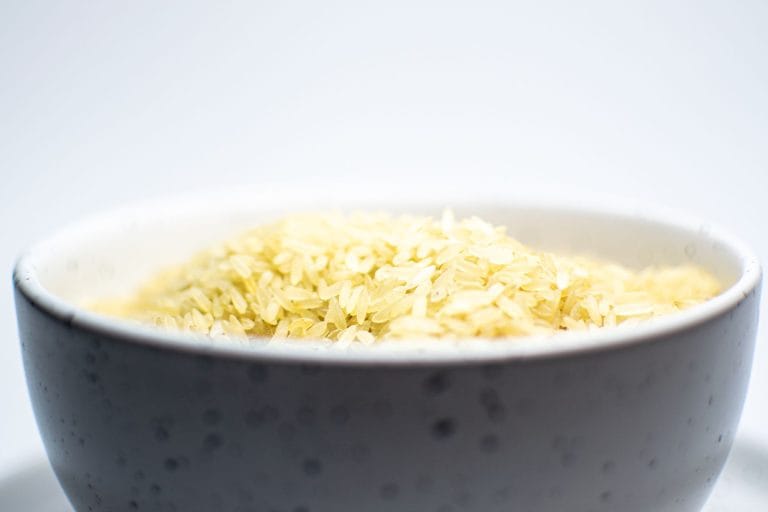
Refined grains — white bread, white rice, plain pasta, low-fiber cereals
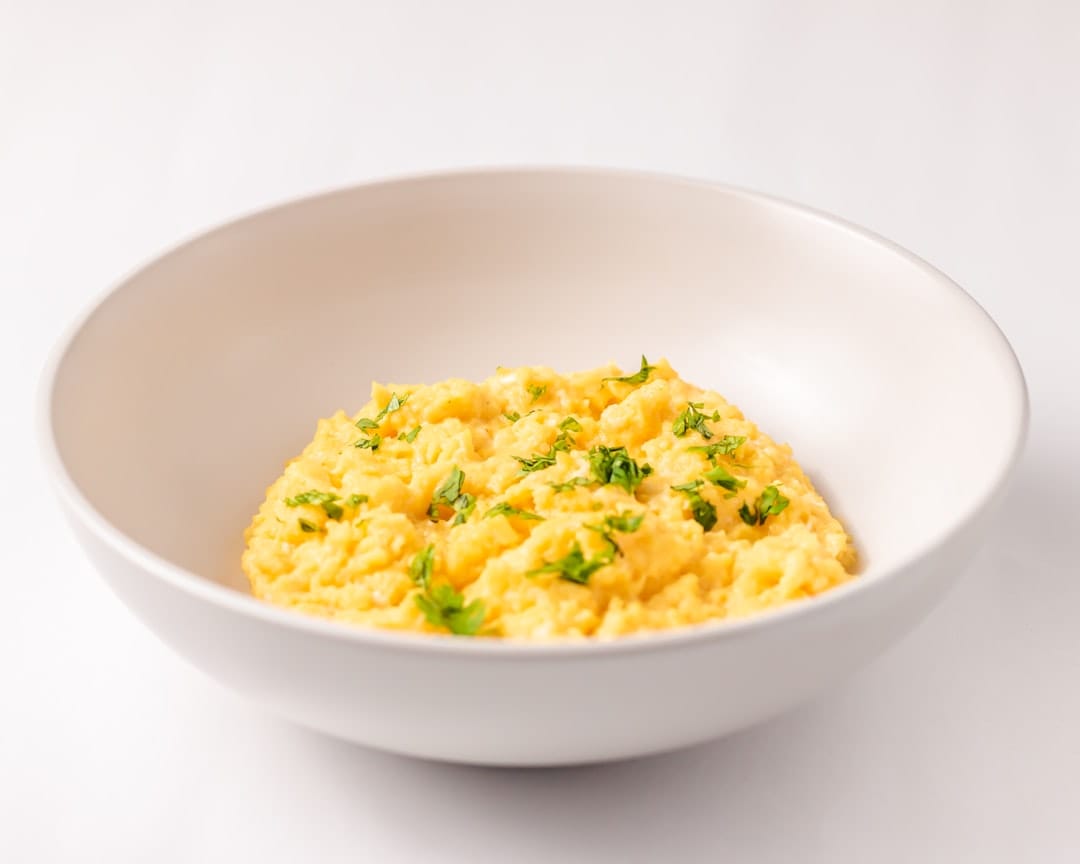
Eggs — cooked any way you like them
Lean proteins — poultry, seafood, tender cuts of meat
Ripe bananas — soft, peeled, easy on the system
Well-cooked vegetables — cooked until soft, with skins and seeds removed
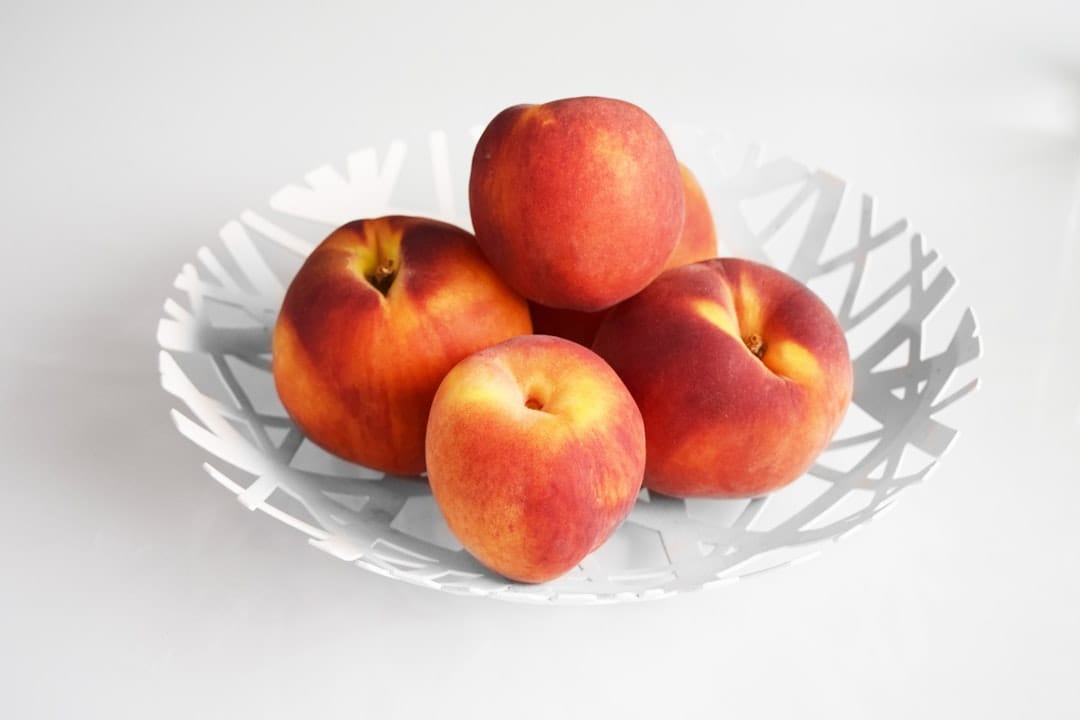
Peeled fruits — the skin is where much of the fiber hides
Fluids — water and juices, in generous amounts
That last bullet deserves more than a line. Because you’re pulling fiber out, and fiber holds water in the digestive tract, constipation becomes a real risk on this diet. Drinking plenty of water and other liquids helps keep things moving and heads off the discomfort that otherwise creeps in.
Dairy sits in a gray zone. It’s low in fiber, so it looks compliant, but it can produce colonic residue and irritate some people. Most guidance limits it rather than banning it outright.
What to Leave Off the Plate
 Save
SaveAnything your body can’t fully break down, and anything that stirs up an already unhappy gut.
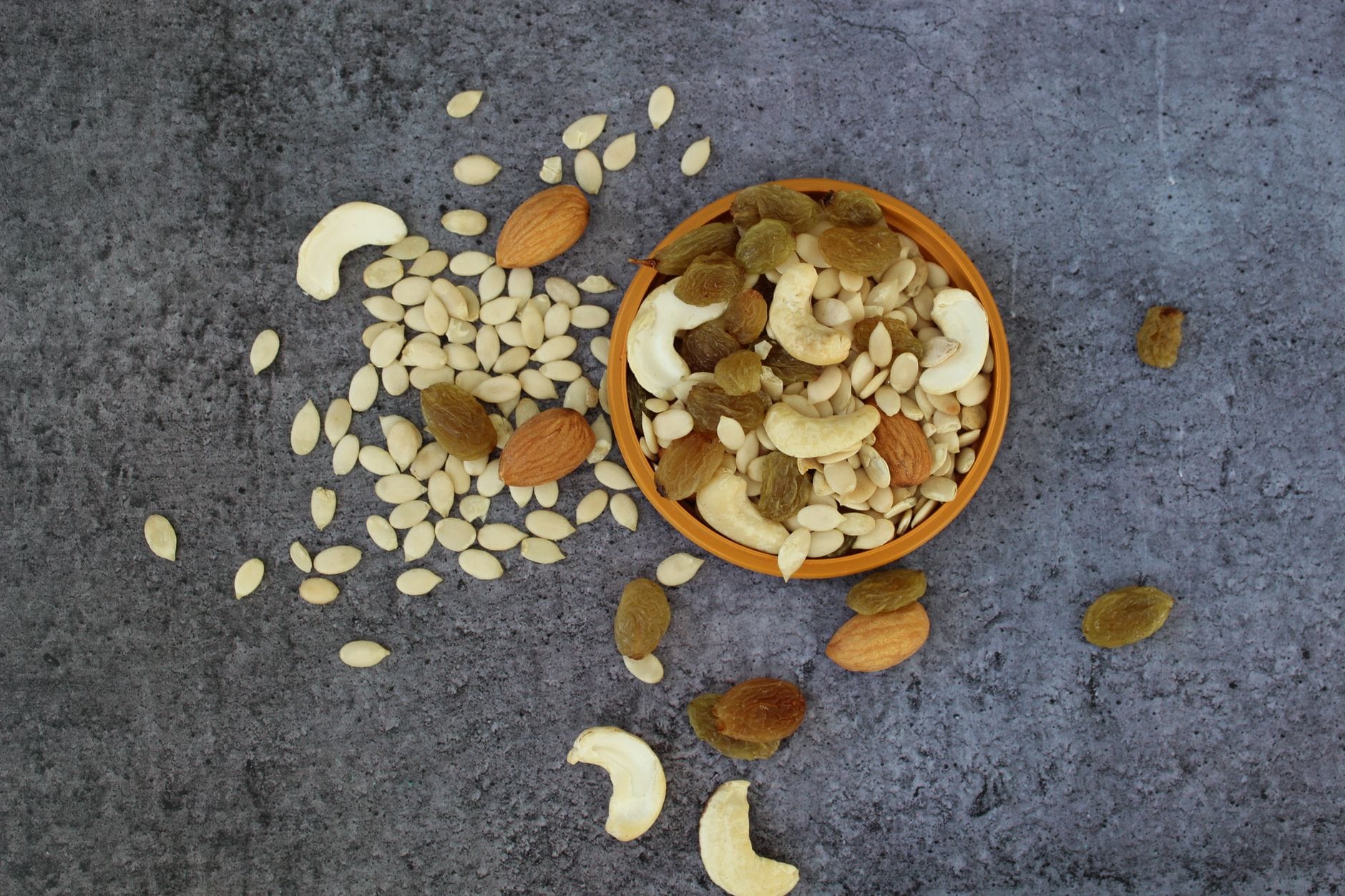
Seeds and nuts
Whole grains
Raw fruits and vegetables
Spicy foods
Tough or fatty cuts of meat
Dairy products, depending on how you tolerate them
Caffeine and alcohol, restricted based on your own tolerance
The raw produce restriction catches people off guard. A salad feels like the healthiest thing on any menu, and under normal circumstances it is. During a flare-up, all that intact plant structure is exactly what your colon doesn’t want to process.
Making It Work Without Wrecking Your Nutrition
Here’s the part that gets skipped, and it’s the part with the most at stake. This diet is restrictive by design. Cut out whole grains, most produce, nuts, and seeds, and you’ve removed a lot of where your vitamins, minerals, and antioxidants live. Stay there long enough and the consequences show up as fatigue, nutrient deficiencies, constipation, and weight loss you didn’t want.
So work with a healthcare provider or a registered dietitian. They can tell you how long to stay on it, which is usually shorter than people assume. They can help you cover nutritional gaps while your options are limited. And they can walk you back to normal eating by reintroducing fiber gradually, which matters, because jumping straight from white rice to a bowl of lentils tends to produce exactly the gastrointestinal distress you were trying to avoid.
Who Should Steer Clear
This isn’t a diet to try on your own out of curiosity. It’s a poor fit for people with chronic constipation, since removing fiber makes that worse. It’s not for anyone without a gastrointestinal issue, and it’s certainly not for someone trying to increase their fiber intake. Pregnant and breastfeeding people should avoid it too, given the nutritional demands of those stages.
Practical Meal Ideas
 Save
SaveCooking on this plan is mostly an exercise in simplicity. Scrambled eggs with white toast. White rice with baked chicken and carrots cooked until they’re soft. Plain pasta with a mild sauce. A ripe banana. White fish with mashed potatoes, skins removed.
Peel everything you can. Cook vegetables past the point where you’d normally stop. Keep seasoning gentle. It’s plain food, and it’s supposed to be, because plain is what your gut can handle right now.
Frequently Asked Questions
How long can I stay on a low-residue diet?
Short-term, and the specifics depend on why you’re on it. Your doctor or dietitian should set the timeline, because extended use without supervision opens the door to nutrient deficiencies.
Is a low-residue diet the same as a low-fiber diet?
Close, but not identical. The terms get swapped constantly, though low residue accounts for foods like milk that contain almost no fiber yet still leave residue in the colon. In practice, most low-residue advice does center on cutting fiber.
Will I lose weight on this diet?
You might, and that’s not a feature. Any weight loss here tends to come from restriction rather than improved health, and unintentional weight loss is listed among the drawbacks of staying on the plan too long. This isn’t a weight-loss diet.
The Bottom Line
A low-residue diet is a short-term medical tool with a specific job: reduce what’s moving through your bowel so an inflamed, healing, or soon-to-be-examined colon has less to deal with. For colonoscopy prep, studies suggest it matches clear liquids on bowel cleanliness while being considerably easier to tolerate. For flare-ups and surgery recovery, it’s widely used, though the research is still catching up to the practice.
Fiber remains genuinely good for you, which is why this diet has an expiration date built in. Talk to a healthcare provider before starting, follow their timeline, and let them guide you back to fiber when your gut is ready for it.
This article is for informational purposes only and is not a substitute for professional medical advice, diagnosis, or treatment. Always consult your doctor or a qualified healthcare provider before making changes to your diet, especially if you have a gastrointestinal condition or are preparing for a medical procedure.