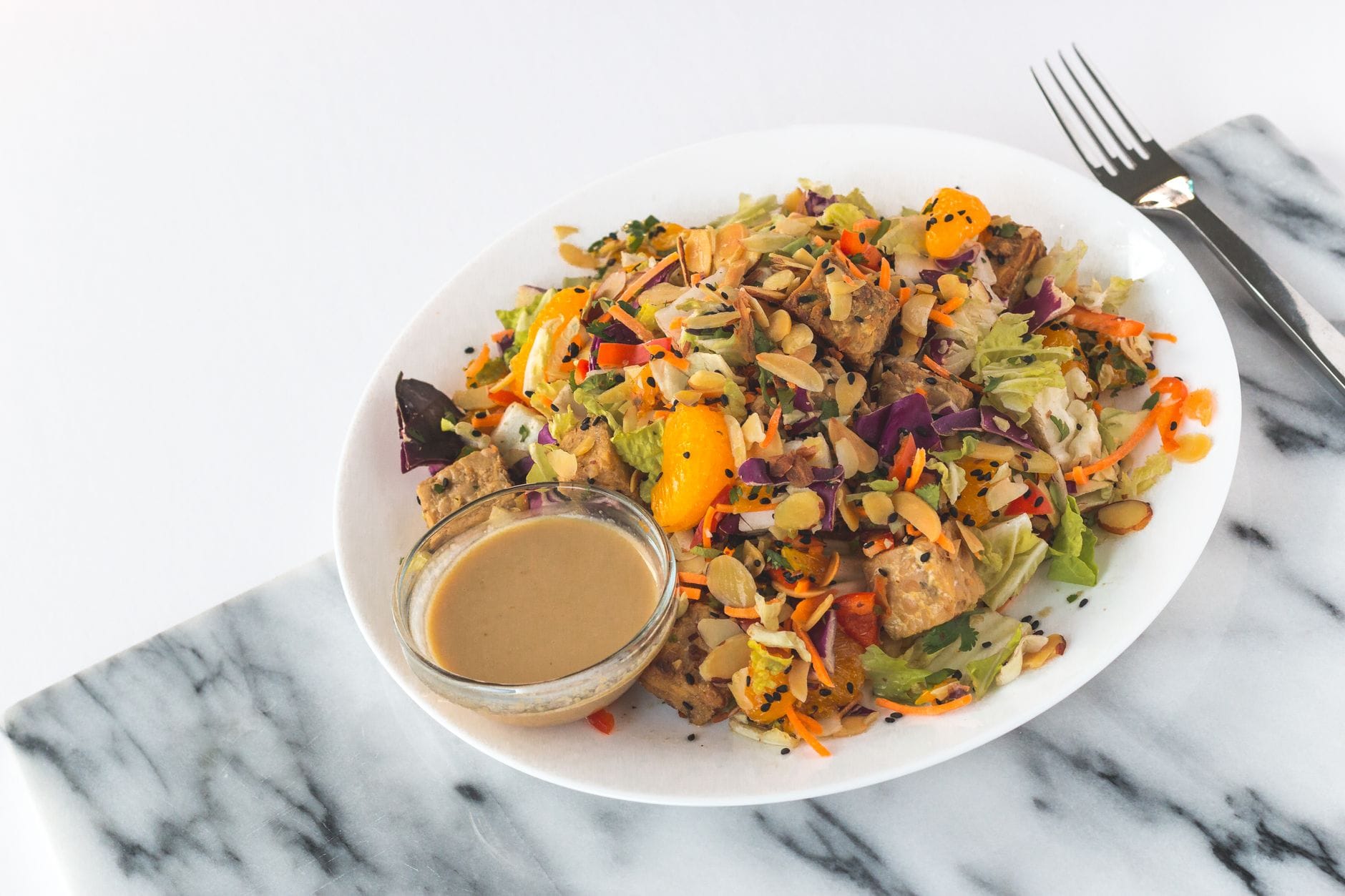
How to Cook With Tempeh and Use It to Support Your Gut Heart and Bones
Discover what tempeh is, its nutrition, and six science-backed benefits for gut flora, bones, cholesterol, and more, plus who should be cautious and how to cook it.

Single-ingredient deep dives: what capers, cordyceps, maqui berry and dozens more actually do for your body, plus the side effects worth knowing.
Discover what tempeh is, its nutrition, and six science-backed benefits for gut flora, bones, cholesterol, and more, plus who should be cautious and how to cook it.

Monolaurin comes from coconut oil and may help fight bacteria, viruses, and fungi while supporting immunity and digestion. Here’s what the science says.
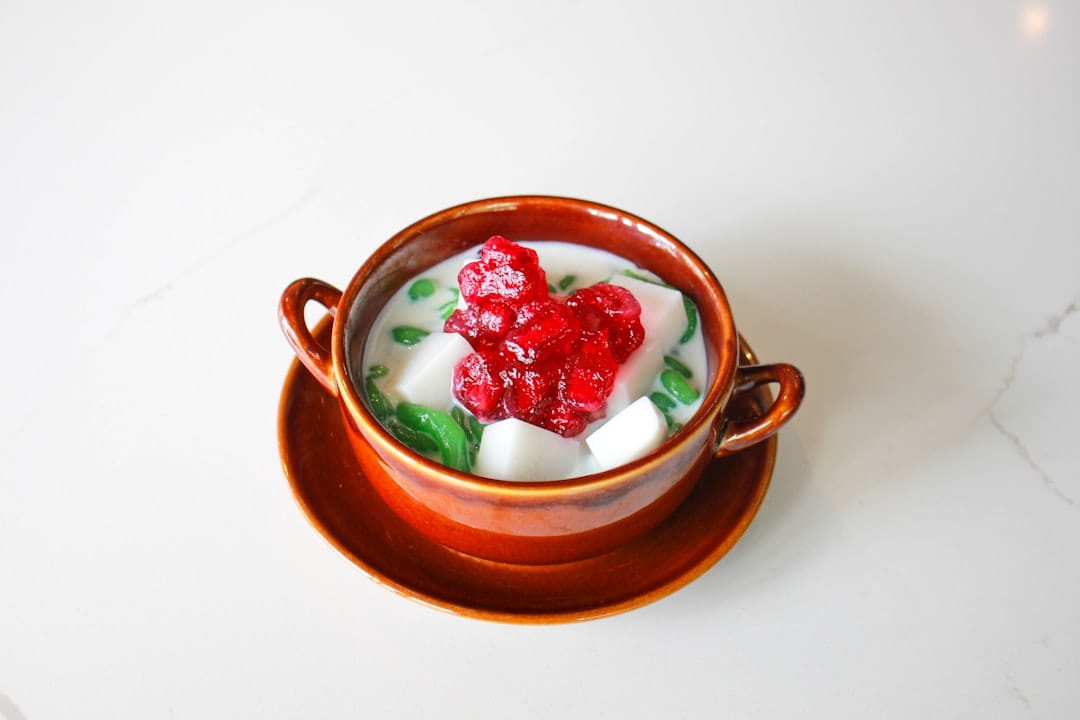
Tapioca is a gluten-free cassava starch that may aid digestion, support heart health, and help with weight gain. Here’s what the research says and how to use it.

Liquid collagen is a drinkable supplement said to firm skin and protect joints. Here is what the research shows, plus dosing and safety notes to know.

Sucralose is 600 times sweeter than sugar with zero calories, but is it safe? Here are the possible benefits and the side effects worth knowing about.
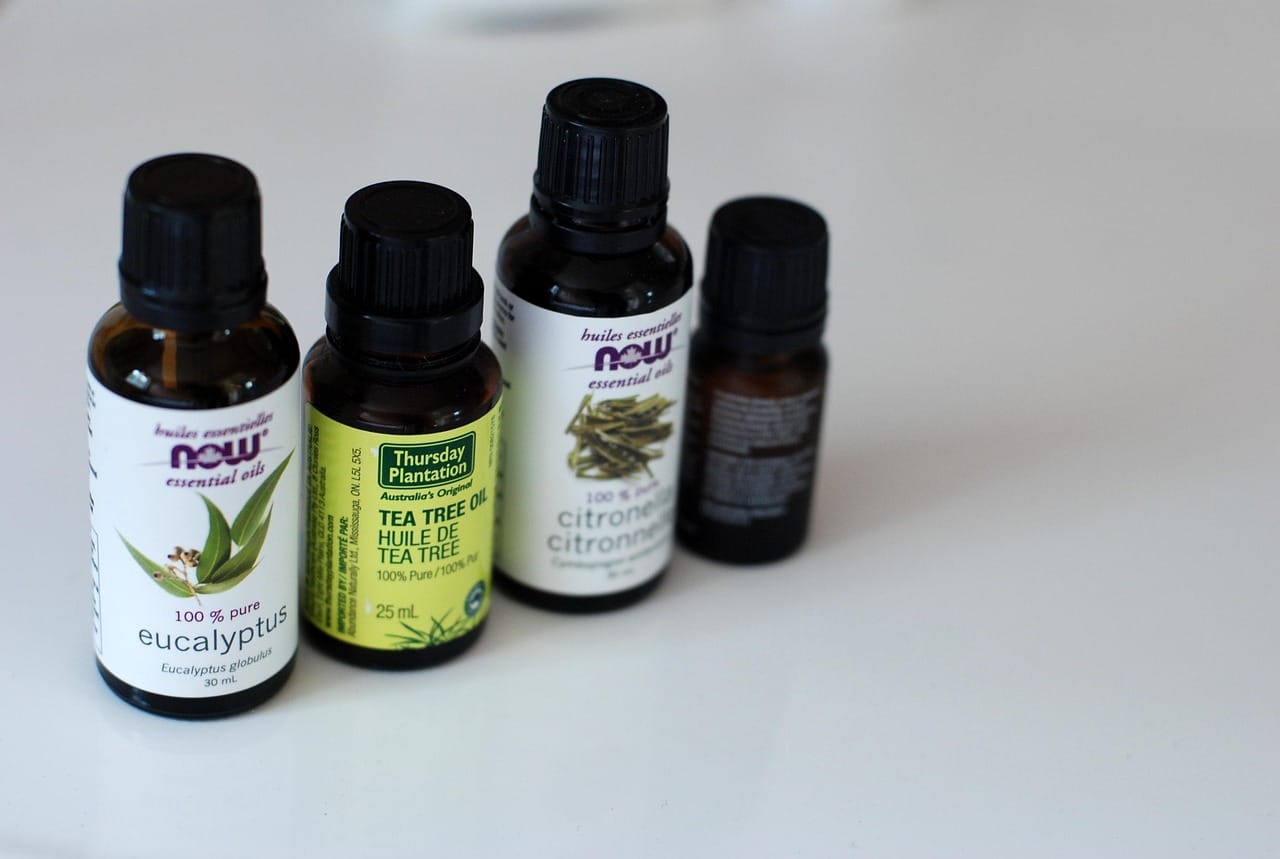
Citronella oil is more than a bug repellent. See how this citrusy essential oil may support your skin, calm oily hair, lift your mood, and aid detox.

Watermelon is about 92% water and rich in lycopene, vitamin C, and citrulline. Here’s what the research actually says about its benefits and limits.
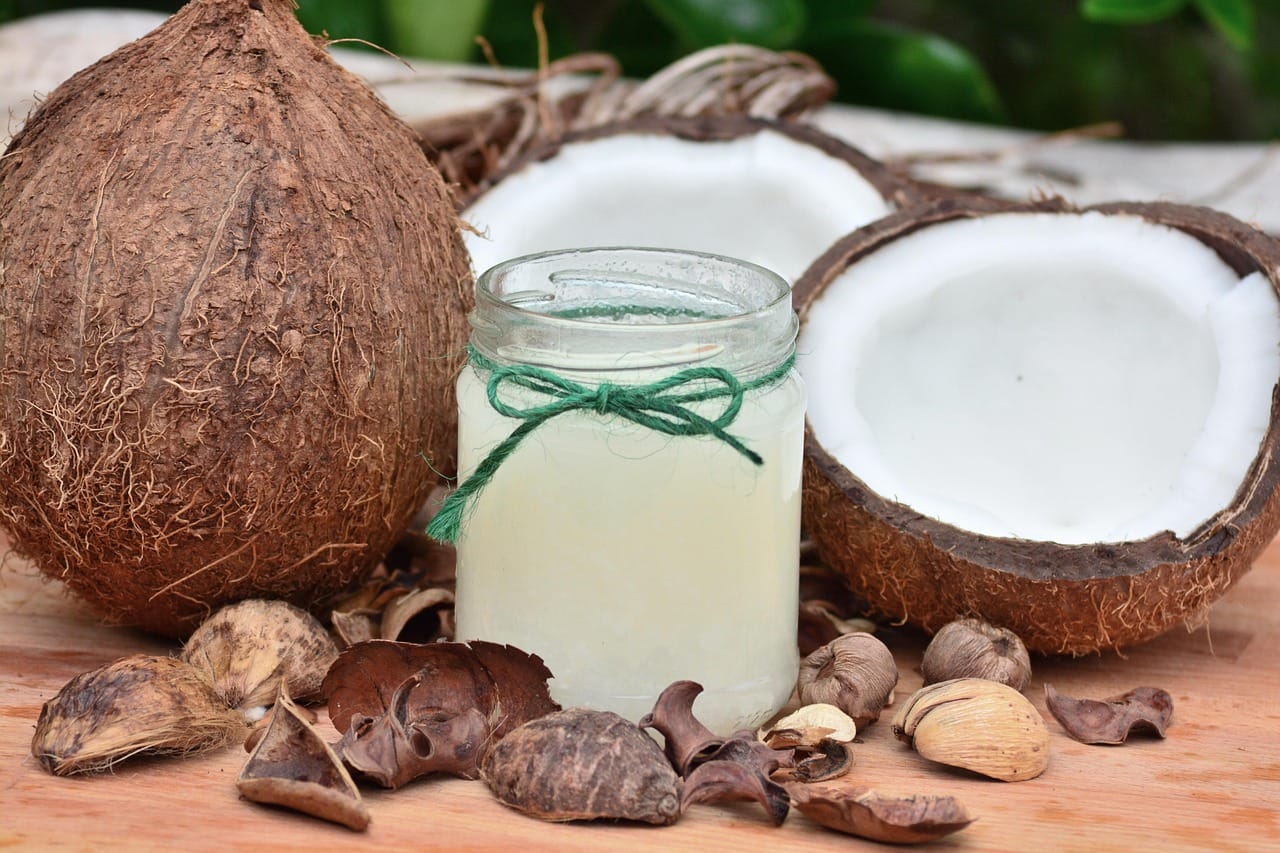
Coconut oil is praised for its perks, but too much can backfire. Here are 10 coconut oil side effects, from cholesterol to allergies, worth watching for.
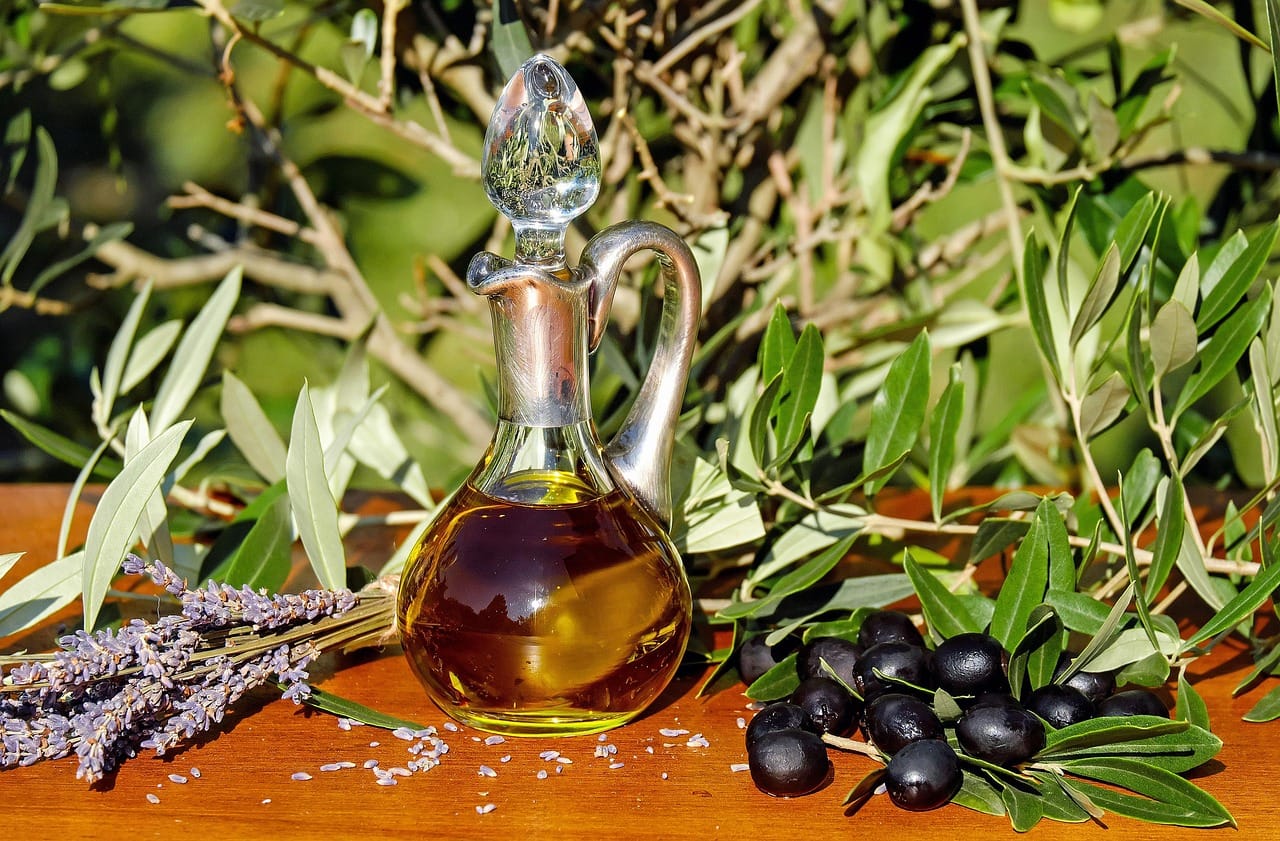
Castor oil is pressed from Ricinus communis seeds. Here is what it may do for constipation, skin, hair, and labor, plus who should steer clear of it.

Star apple is a sweet tropical fruit rich in fiber, vitamin C, and polyphenols. Here’s how it may help your heart, gut, and blood sugar, plus how to eat it.

From heart support to faster wound healing and calmer coughs, here’s what honey may really do for your health, plus the types and precautions worth knowing.
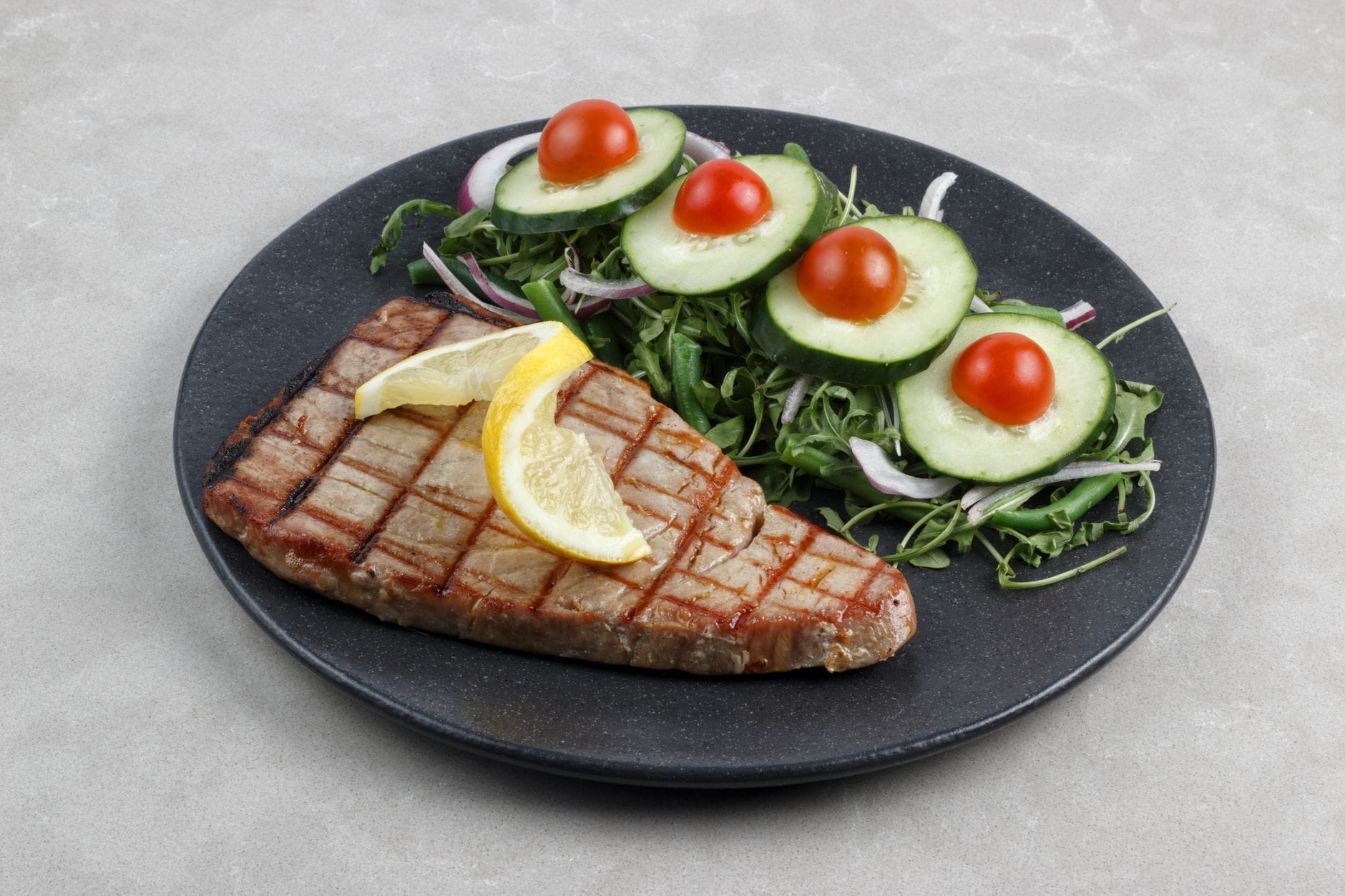
Tuna is packed with omega-3s, protein, selenium, and vitamin D. Here’s what the research says about its benefits, plus how much is safe to eat.