
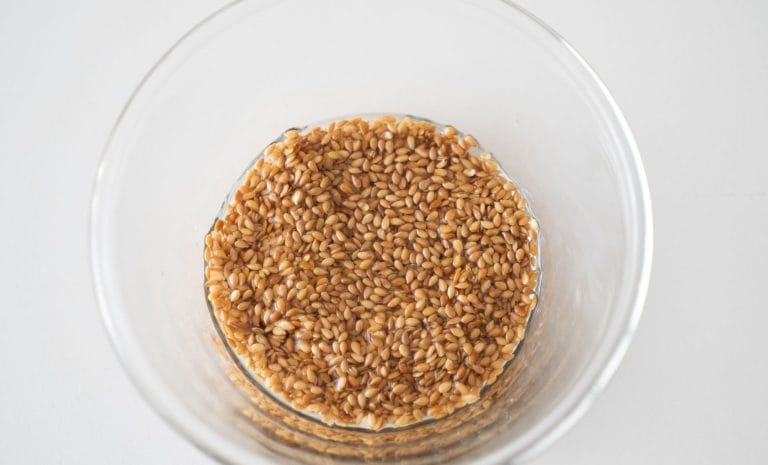
A chewy, nutty grain from the ancient world that keeps quietly earning its place in modern kitchens.
Farro has been feeding people for thousands of years, tracing back to the fields of ancient Mesopotamia. It faded while refined grains took over the pantry, and now it is having a moment again as cooks look for whole-grain swaps that actually taste good. The appeal is simple: a firm, chewy bite, a warm nutty flavor, and a nutrition label that holds its own against most of what it might replace.
If you have only ever seen it on a restaurant menu, this is a good time to get acquainted. Below you’ll find what farro is, what it brings nutritionally, the health benefits worth taking seriously, and a few honest caveats.
Key Takeaways
– Farro is a small, light-brown ancient wheat grain with a nutty taste, common in Italian cooking.
– It delivers fiber, plant protein, antioxidants, and minerals like magnesium and zinc.
– It may support digestion, appetite control, blood sugar management, and heart health.
– It comes in three types (spelt, einkorn, and emmer) and in whole, semi-pearled, and pearled forms.
– Because it contains gluten, farro is off the table for anyone with celiac disease or a wheat allergy.
What Exactly Is Farro?
 Save
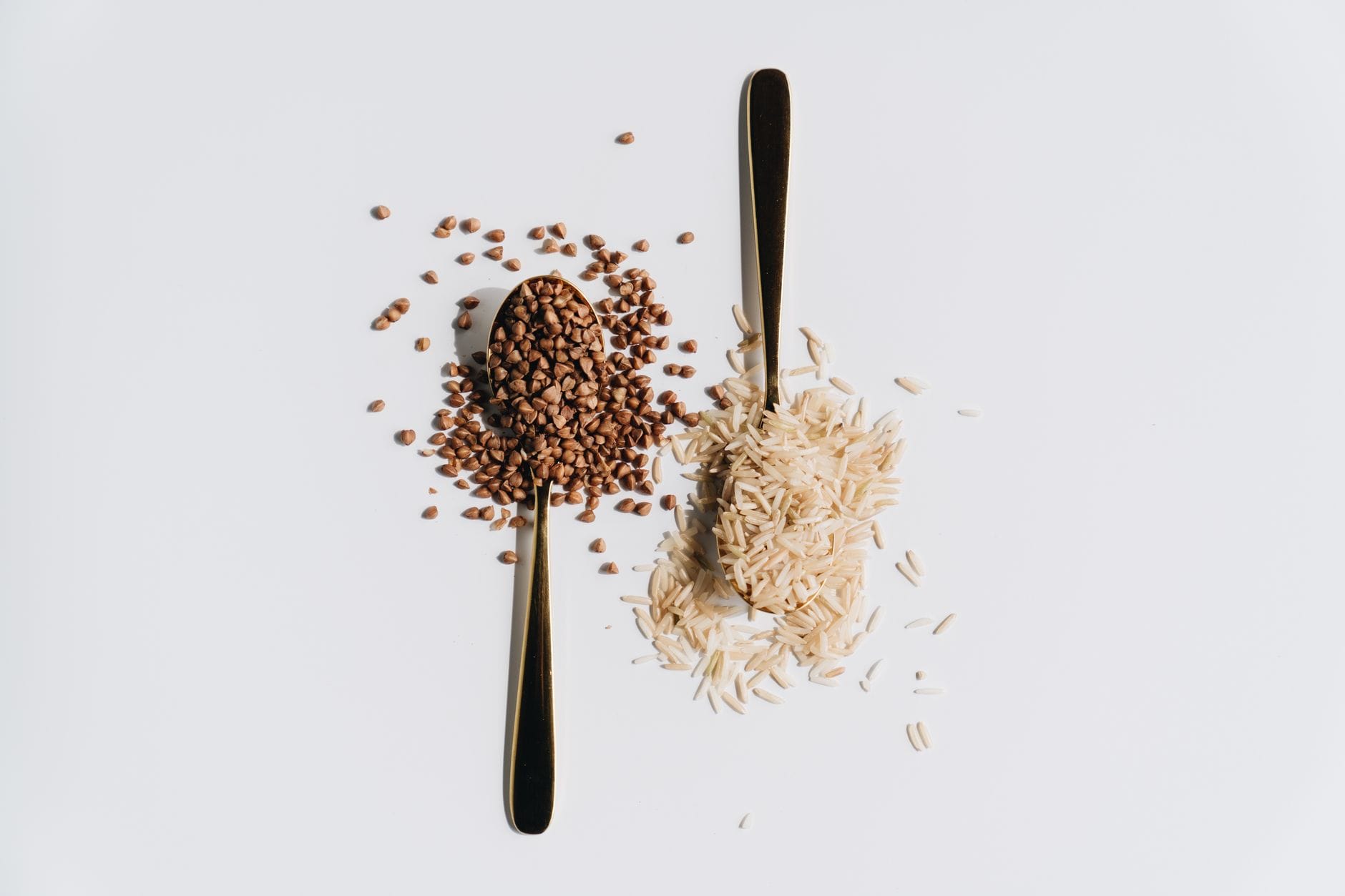
SavePicture a grain that looks a lot like barley but a touch more oblong, with a pale brown color. That’s farro. It’s a whole wheat grain, which means it keeps the parts of the kernel that carry most of the fiber and nutrients, unlike white rice or other refined staples. You can serve it on its own as a side, fold it into salads and soups, or use it as a base the way you might use quinoa or buckwheat.
A Closer Look at the Nutrition
 Save
SaveThe numbers explain most of the enthusiasm. According to the U.S. Department of Agriculture, 100 grams of whole-grain emmer farro provides roughly 362 calories, 12.77 g of protein, 72.34 g of carbohydrate, only 2.13 g of fat, and a generous 10.6 g of dietary fiber. It also brings iron, 128 mg of magnesium, 4.79 mg of zinc, and 8.5 mg of niacin, one of the B vitamins.
That combination of fiber and protein is the part to remember. Protein helps with fullness, supports muscle, and has even been tied to lower blood pressure in some research. And like most whole foods, farro layers in a handful of trace minerals your body relies on in small amounts alongside the headline macros.
What Farro May Do for Your Body
Fiber that keeps things moving
More than 10 grams of fiber per 100 grams is a lot. Diets rich in fiber have been linked to a lower risk of colon cancer, type 2 diabetes, and cardiovascular disease, and higher intakes may help nudge down LDL cholesterol. On the everyday level, fiber softens stool, encourages regularity, and feeds a healthier gut. Research on dicoccum wheat (emmer farro specifically) points to a genuine laxative effect, and reviews suggest fiber can raise stool frequency in people dealing with constipation.
Antioxidants and plant compounds
Whole grains carry more than fiber. Farro contains phenolic antioxidants across its varieties. Studies on spelt found antioxidant activity in every sample tested, and einkorn and emmer show similar phenolic content. Diets high in plant polyphenols have been associated with protection against cancer, weak bones, and cardiovascular and neurodegenerative conditions, which is a reasonable argument for eating more whole grains in general.
A steadier blood sugar response
Registered dietitian Megan Wong describes farro as a smart carbohydrate for people watching their blood sugar. It sits lower on the glycemic index than refined grains, meaning it digests slowly and doesn’t spike blood sugar as sharply. One study even linked higher fiber intake with a lower mortality rate among people with diabetes, which underscores why the swap matters.
Appetite, weight, and the fuller feeling
Because farro is high in both fiber and protein, it tends to keep you satisfied longer, and that fullness often translates into eating less overall. Research on overweight and obese adults connected higher fiber intake with weight loss, and a large study of nearly 120,000 people tied eating three servings of whole grains a day to a lower BMI. These are associations, not guarantees, and long-term trials are still catching up.
Heart and brain, with a lighter touch
The heart benefits mostly flow from the fiber and phytochemicals that help manage cholesterol. For the brain, long-term wheat consumption has been associated with a reduced risk of dementia and Alzheimer’s, though the direct link for farro specifically is still debated and needs more evidence. Treat this last one as promising rather than proven.
The Three Types of Farro
 Save
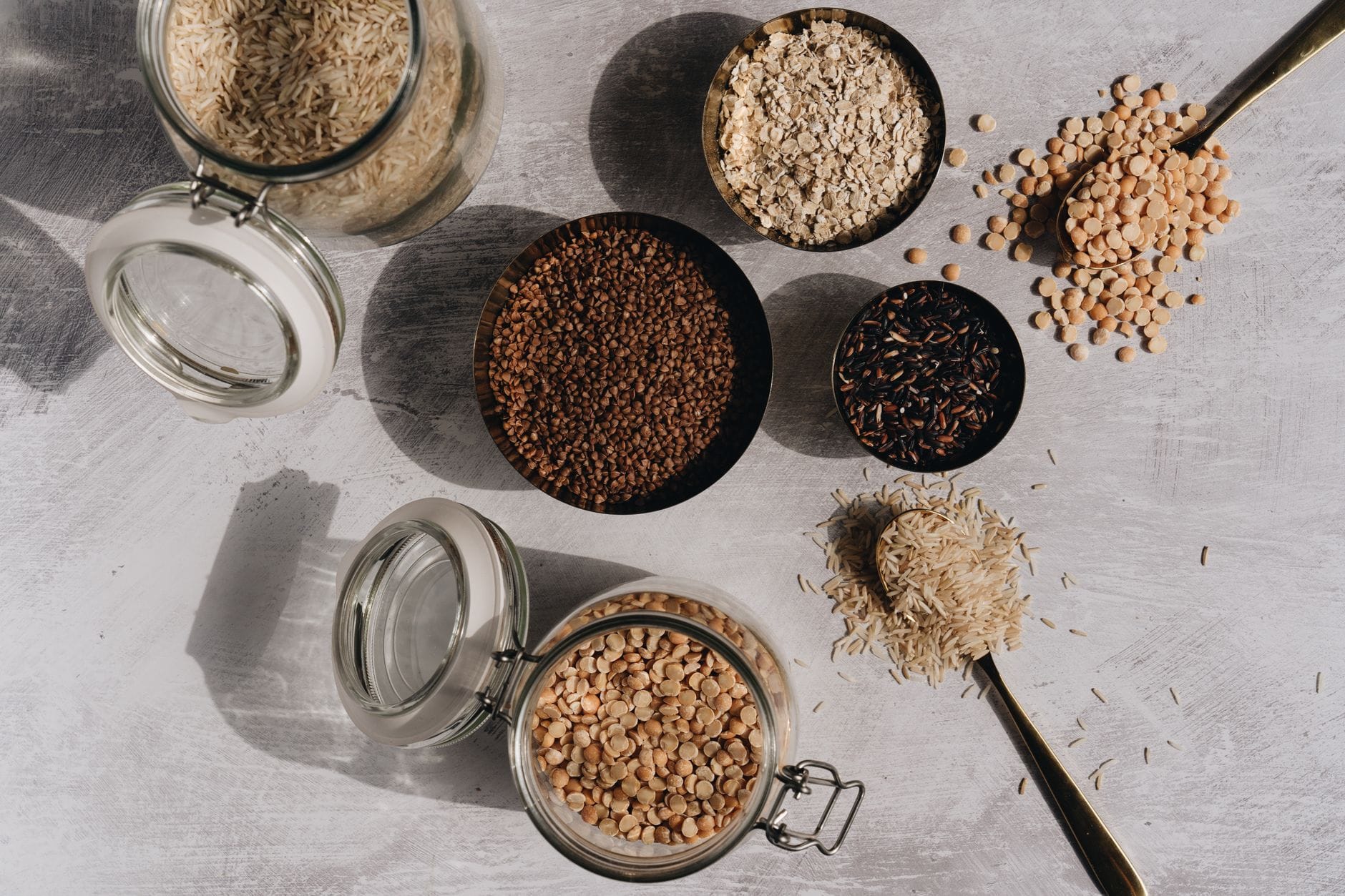
SaveFarro isn’t a single grain but a family of three ancient wheats, each sold under Italian names: spelt (farro grande), einkorn (farro piccolo), and emmer (farro medio). They differ slightly in taste, color, and nutrition. You’ll also see them processed three ways: whole grain keeps the fiber-rich bran, semi-pearled has some bran removed, and pearled has none. For the most nutrition, reach for whole-grain farro. If you’re short on time, pearled cooks faster.
Easy Ways to Put Farro on Your Plate
 Save
SaveFarro is forgiving. Simmer it in salted water for about 30 minutes until tender, drain, and it’s ready to go anywhere. A few ideas:
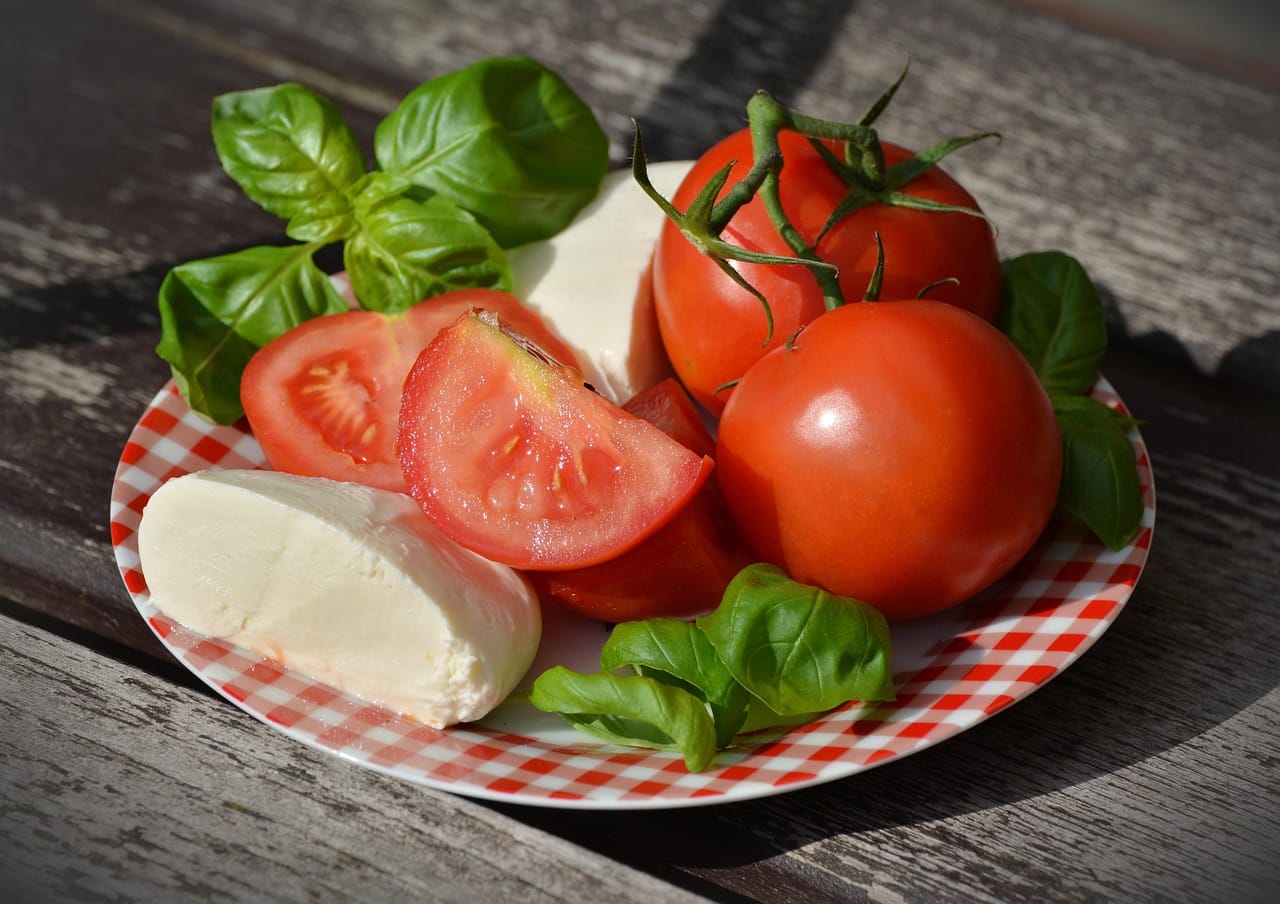
Toss cooled farro with chopped tomatoes, sweet onion, chives, and a bright balsamic vinaigrette for a make-ahead salad.
Simmer it into a vegetable soup for extra body and chew.
Stir it with tomato paste and cheese for a cozy, risotto-style bowl.
Cook it low and slow with sausage for a hearty one-pan dinner.
That tomato-and-herb salad is a good starting point, and it’s an easy place to lean on parsley’s fresh, peppery lift and a drizzle of everyday olive oil worth keeping on hand to round out the dressing.
Frequently Asked Questions
Is farro gluten-free?
No. Farro is a form of wheat, so it contains gluten. Anyone with celiac disease, gluten sensitivity, or a wheat allergy should avoid it and choose a naturally gluten-free grain instead.
How is farro different from quinoa?
Both are whole-food staples, but quinoa is a seed and is gluten-free, while farro is an ancient wheat with a chewier bite and a nuttier flavor. Farro offers solid fiber and protein; the main trade-off is the gluten.
Which type should a beginner buy?
Pearled farro is the easiest to start with because it cooks quickly and doesn’t need soaking. If you want maximum fiber and don’t mind a longer simmer, go with whole-grain farro.
The Bottom Line
Farro is one of those quietly excellent swaps: trade a bowl of refined rice for it and you gain fiber, plant protein, minerals, and antioxidants without giving up flavor or texture. The evidence for better digestion, steadier blood sugar, and support for weight and heart health is encouraging, even if some of the finer claims still need more study. The only real catch is the gluten, so it isn’t for everyone. For most people, though, a pot of farro is an easy, satisfying upgrade to the weekly menu.
This article is for general informational purposes only and is not a substitute for professional medical advice. Talk to your doctor or a registered dietitian before making significant changes to your diet, especially if you have a health condition or food sensitivity.