

A plain-language look at the mouth changes some people notice on ADHD stimulant medication.
If you take Adderall for ADHD and your mouth suddenly feels parched, your tongue sits oddly against your teeth, or you catch yourself clenching your jaw, you are not imagining it. Some people who use this medication describe a cluster of oral symptoms that gets nicknamed “Adderall tongue.” It isn’t a formal diagnosis, but the discomfort is real, and there are practical ways to take the edge off.
Adderall is a stimulant prescribed to treat attention deficit hyperactivity disorder, a neurodevelopmental condition diagnosed in children, teens, and adults around the world. Because the drug ramps up activity in the brain and body, its effects don’t stay neatly in one place. The same stimulation that helps with focus can also dry out your mouth and set off some jaw and tongue habits you’d rather avoid.
Key Takeaways
– Adderall treats ADHD by boosting neurotransmitters such as dopamine, which supports attention and motivation.
– The amphetamine in Adderall is linked with dry mouth, and that dryness sits at the center of what people call Adderall tongue.
– Symptoms can include a swollen or sore tongue, reduced saliva, tongue sucking, and biting or grinding.
– No treatment targets Adderall tongue directly, but staying hydrated, chewing sugar-free gum, and skipping caffeine and tobacco can help.
– Talk to your doctor about any troubling side effects, and seek help right away for swelling that affects your breathing.
What Adderall Tongue Actually Is
Adderall works by increasing the activity of chemical messengers in the brain, especially dopamine, which plays a role in attention, memory, and motivation. That’s the benefit. The trade-off is that the medication acts as a stimulant throughout the body, and one common consequence is a drop in saliva.
Adderall tongue is really a catch-all term for the mouth-related effects that can show up when the medication isn’t well managed. People report involuntary movements, a swollen feeling, and a tendency to clench. The amphetamine component has specifically been associated with dry mouth, and dryness tends to make everything else feel worse.
The Symptoms You Might Notice
 Save
The signs vary from person to person, but a few come up again and again:
Swelling of the tongue or the tissues inside the mouth
Less saliva than usual, leaving the mouth dry and sticky
A habit of sucking on the tongue
Biting the tongue, inner cheeks, or lips, sometimes without realizing it
Teeth grinding and jaw clenching, known as bruxism
General soreness of the tongue
None of these are pleasant, and a dry mouth can quietly contribute to dental problems over time. That’s part of why the dryness is worth addressing rather than ignoring.
Other Side Effects Worth Knowing
Because Adderall is a stimulant, its reach extends well beyond the mouth. Reported side effects include reduced appetite, weight loss, slowed growth in children, and headaches. Some people notice restlessness, trouble sleeping, or fatigue once the medication wears off. Others describe mood changes, including low mood or feeling unusually keyed up.
One blogger who used Adderall to help with her coursework wrote candidly about the emotional cost, saying she often turned moody and cranky and preferred to keep to herself when the side effects hit. Her experience is a reminder that these medications affect the whole person, not just concentration.
Less common but more serious effects can include difficult or slowed speech, numbness in an arm or leg, blurred vision, hallucinations, peeling skin, hives, and trouble breathing or swallowing. Anyone experiencing symptoms like these should treat them as a signal to get medical advice promptly.
When to Call Your Doctor
 Save
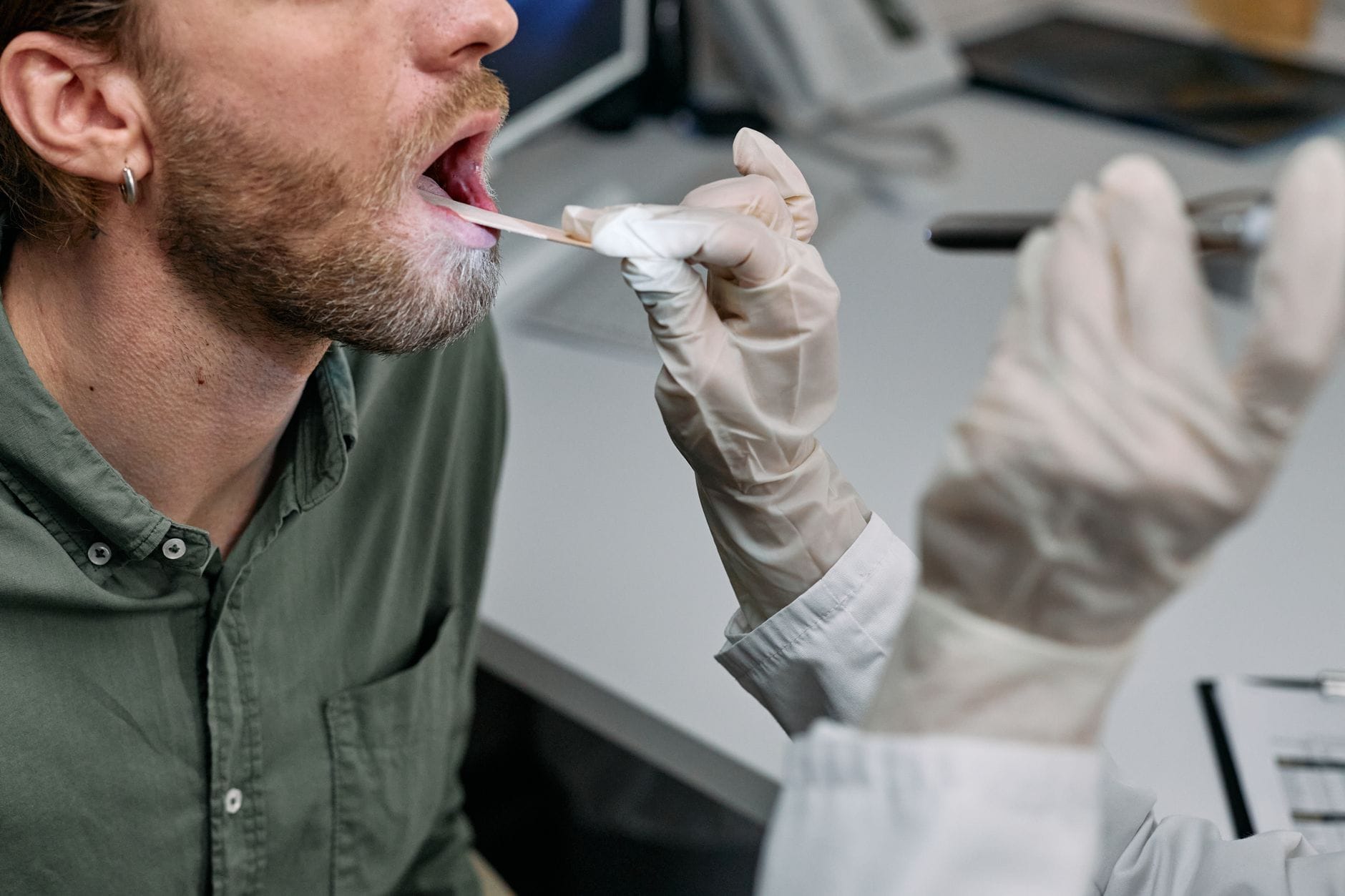
Mild dryness is one thing. Swelling that starts to interfere with your breathing is another, and it calls for immediate medical attention.
There’s a bigger safety point too. In rare cases, stimulant medications like Adderall have been linked to sudden death in children and teens with heart problems, and adults with heart conditions face a risk of heart attack or stroke. Before starting the medication, it’s important to go over your heart history with your doctor. Call for help right away if you or your child develops chest pain, trouble breathing, or fainting while taking it.
Ways to Soothe the Dryness
 Save
There isn’t a specific fix aimed at Adderall tongue itself. What you can do is target the dryness that drives most of the discomfort. A few habits tend to help:
Drink plenty of fluids. Dry mouth is closely tied to dehydration, so sipping water through the day and keeping up good oral hygiene can bring noticeable relief.
Skip caffeine and tobacco. Both have been linked with dry mouth. Reaching for water or juice instead is a small swap that pays off.
Suck on ice chips. They hydrate the mouth and offer quick, temporary comfort.
Limit salty and spicy foods. These can irritate an already-dry mouth. Milder, water-rich options like soups, broths, and juicy fruits are gentler.
Breathe through your nose. Mouth-breathing dries things out faster, so nasal breathing helps keep moisture in.
Run a humidifier. Adding moisture to the air, especially overnight, can ease that morning parched feeling.
Keep Saliva Flowing
 Save
Chewing sugar-free gum or sucking on lozenges is one of the more reliable tricks. Gum sweetened with xylitol can actually stimulate saliva production, which is exactly what a dry mouth is missing. Because it’s sugar-free, it does this without feeding the bacteria that cause decay.
If these measures don’t cut it, ask your doctor whether adjusting the dose or the timing of your medication might help. Should that fall short, there are other ADHD medications worth discussing.
Playing It Safe
A short list of precautions goes a long way with any stimulant:
Tell your doctor about every other medication you take.
Don’t self-medicate, and don’t change your dose without medical guidance.
Avoid alcohol and other stimulants, which can amplify side effects.
Since dry mouth can lead to dental issues, keep up with regular dental checkups and let your dentist know you’re on Adderall. That way any advice you get about protecting your teeth and gums is tailored to your situation.
Frequently Asked Questions
Is Adderall tongue permanent?
Generally no. The symptoms are tied to the medication’s effects, especially dryness, and they tend to ease when the dryness is managed or the medication is adjusted under a doctor’s care.
Can chewing gum really help?
Yes, within reason. Sugar-free gum, particularly the kind sweetened with xylitol, encourages your mouth to make more saliva, which counteracts the dryness at the root of Adderall tongue.
Should I stop taking Adderall if I get these symptoms?
Don’t stop on your own. Bring the symptoms to your doctor, who can weigh a dose change, a timing change, or an alternative medication against the benefits you’re getting from treatment.
The Bottom Line
Adderall can be a genuine help for managing ADHD, sharpening focus and follow-through. Like any medication, it comes with trade-offs, and for some people that includes a dry, sore, or swollen tongue along with jaw clenching and other mouth changes. There’s no treatment aimed squarely at Adderall tongue, but the discomfort usually responds well to simple steps: drink more water, chew sugar-free gum, cut caffeine and tobacco, and keep the air around you a little moister. Loop in your doctor and dentist so your care fits you, and never hesitate to get help fast if swelling starts to affect your breathing.
This article is for informational purposes only and is not a substitute for professional medical advice. Always consult a qualified healthcare provider before starting, stopping, or changing any medication or treatment.