

Most bites are harmless and settle on their own, but a few simple steps make the itch and swelling far easier to live with.
Comic-book origin stories aside, getting bitten by a spider is usually a minor event. The skin gets red, maybe a little puffy, and it itches for a few days before fading. Arachnids accounted for roughly a fifth of non-canine bites logged in one decade of records, so plenty of people go through this, and most never need more than a cool cloth and some patience.
That said, a small number of spiders can cause real trouble, and it helps to know the difference between a bite you can handle at your kitchen sink and one that belongs in a clinic. Here is how to read the signs, what to reach for at home, and when to stop treating and start driving.
Key Takeaways
– The vast majority of spider bites are mild and clear up with basic home care.
– A cold compress is the fastest way to bring down early pain and swelling.
– Aloe vera, baking soda, witch hazel, and gentle essential oils can all ease itching and inflammation.
– Black widow and brown recluse bites are the ones that need medical attention, not home remedies.
– Spreading redness, muscle cramps, fever, or breathing trouble are signals to get help right away.
How to Tell If a Spider Bit You
Here is the frustrating part: you often won’t feel a spider bite until hours later, and by then the culprit is long gone. Many people who think they were bitten by a spider were actually stung by another insect, and some skin infections get blamed on spiders too.
When it is a genuine bite, the skin usually shows a raised red area, some swelling, and itching. Mild reactions tend to stay local, meaning the trouble sits right around the bite rather than spreading through your body. Spider bites also tend to heal more slowly than other bug bites, so keeping the spot clean matters more than you might expect.
Living or working around dark, undisturbed spaces, such as woodpiles, basements, and the underside of rocks and furniture, raises your odds of a run-in. If you spend time in those spots, the same care you’d give to a general collection of remedies for insect stings and bites applies here too.
The Spiders Worth Worrying About
Very few species carry venom strong enough to hurt a person. Two names come up again and again.
Black widow — glossy black with a red hourglass shape on the underside. It likes dark corners, woodpiles, and the space beneath furniture. A bite can bring on abdominal cramping.
Brown recluse — light brown with a violin-shaped mark on its back. It shelters in quiet, out-of-the-way places like closets and basements, and its bite can cause sharp, deep pain.
Tarantula bites, while rare in most homes, can trigger rashes, an irregular heartbeat, low blood pressure, and even shock. Bites from any of these need proper medical care and, in serious cases, an antivenom. No home remedy substitutes for that.
Simple Remedies That Calm the Sting
For an ordinary, mild bite, a handful of everyday items do a surprisingly good job of taking the edge off. You don’t need all of them, so pick what you already have.
Cold Compress First
 Save
Reach for cold before anything else. Ice acts as a mild pain reliever and helps quiet the swelling and ache around the bite. Wrap an ice pack or a bag of ice in a thin cloth and hold it on the area for about 15 minutes, then repeat through the day as the pain flares. It’s the single most useful first move.
Aloe Vera
 Save
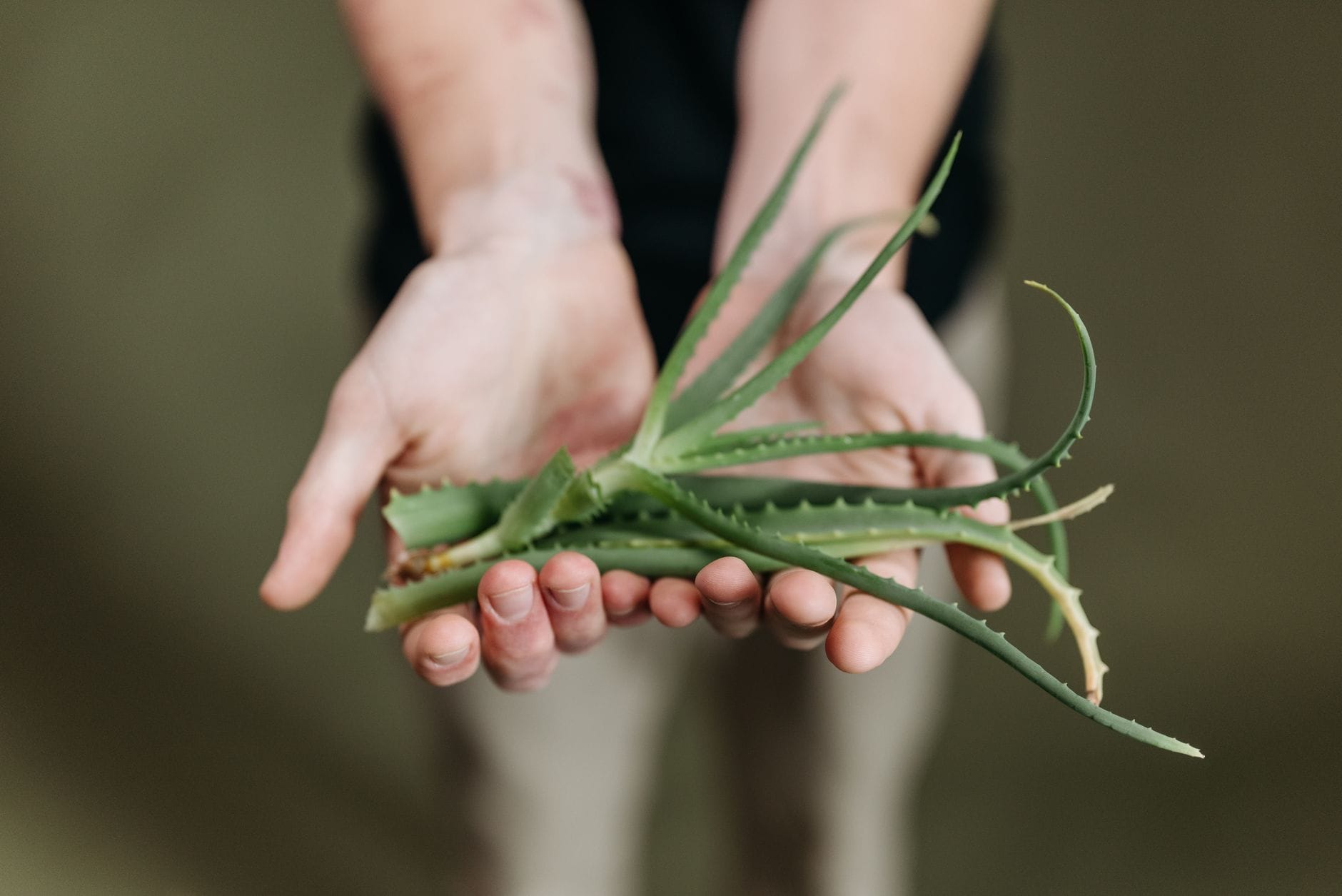
Aloe has both anti-inflammatory and antiseptic qualities, which makes it a natural fit for a spot that’s swollen and prone to infection. Scoop about a teaspoon of the gel onto clean fingers or a cotton ball and massage it gently into the bite for a few minutes. Twice a day is plenty. If you keep aloe on hand for sunburns, you already know how cooling it feels.
Baking Soda Paste
 Save
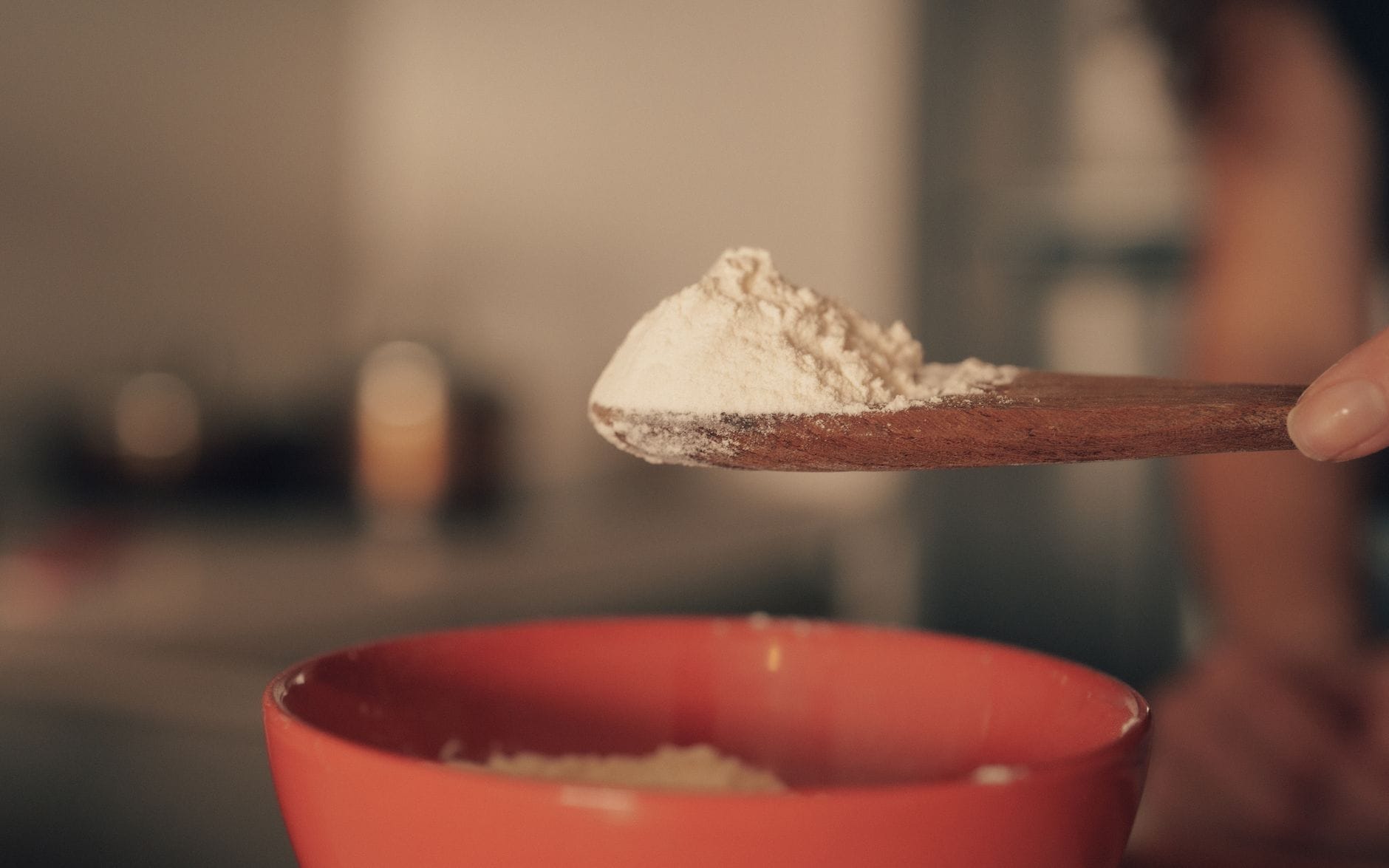
Baking soda is an old standby for itch and irritation, and it may also help hold off infection at the site. Stir a teaspoon of baking soda with just three or four drops of water until you get a thick paste, spread it over the bite, and leave it for around 10 minutes before rinsing well. Once daily until the redness settles is a reasonable rhythm.
Witch Hazel
 Save
Witch hazel is rich in tannins, plant compounds with anti-inflammatory action, so it’s handy for a puffy, angry-looking bite. Dab some onto a clean cotton ball or cotton swab, press it to the skin, and let it air-dry. You can do this three or four times a day until the swelling eases. The same calming approach shows up in gentle natural fixes for irritated, red patches of skin.
Soothing Essential Oils
Lavender oil offers anti-inflammatory and pain-relieving properties, and chamomile oil brings its own anti-inflammatory benefits that may speed healing along. Both are strong, so always dilute first. Mix two or three drops of either oil into a little carrier oil such as coconut oil, dip a sterile cotton ball or piece of gauze in the blend, and rest it on the bite. Three or four applications a day is a sensible ceiling. If the skin around the bite ever breaks open, treat it as carefully as you would when getting a stubborn splinter out without tearing the skin, keeping everything clean to avoid infection.
When Home Care Isn’t Enough
Home remedies are for mild bites only. Stop and seek medical attention if you notice pain, swelling, or redness that keeps spreading, along with nausea, muscle cramps, fever, chills, breathing difficulty, or an open wound with damaged tissue. A known or suspected black widow or brown recluse bite should be seen immediately, no waiting.
Also get checked if things get worse after a couple of days, if you see pus, growing redness, or warmth that hints at infection, or if the bite lands somewhere sensitive like near an eye. At a clinic, a doctor will typically clean the wound, watch it for infection, apply an antiseptic, offer a tetanus booster if you’re overdue, and prescribe antibiotics when needed.
Keeping Spiders From Biting in the First Place
Prevention is mostly about denying spiders the quiet, cluttered corners they favor. Shake out shoes, gloves, and folded clothes that have sat unused. Wear long sleeves and gloves when moving woodpiles, clearing sheds, or reaching under rocks. Seal gaps around doors and windows, and cut down on the indoor clutter where spiders like to hide. None of this is dramatic, but it quietly removes most chances of a bite.
Frequently Asked Questions
How long does a spider bite take to heal?
Mild bites often take longer to clear than other insect bites, sometimes a week or more. Keeping the area clean and watching for signs of infection speeds things along and lowers the risk of complications.
Can I pop or squeeze a spider bite?
No. Squeezing or picking at a bite can push bacteria deeper and slow healing. Leave any blister alone, keep the skin clean, and let a cold compress or soothing remedy do the work.
Is it always obvious which spider bit me?
Rarely. Bites usually go unnoticed for hours, so the spider is gone before symptoms appear. If you didn’t see it and the reaction is severe, describe your symptoms to a doctor rather than guessing at the species.
The Bottom Line
A spider bite sounds scarier than it usually is. For the ordinary red, itchy, mildly swollen kind, cold packs plus a rotation of aloe, baking soda, witch hazel, or diluted lavender and chamomile oil will carry you through the few days it takes to heal. Keep the spot clean, be patient, and don’t panic. What matters most is recognizing the handful of warning signs, spreading redness, cramping, fever, breathing trouble, or a confirmed venomous species, and acting fast when they show up. Handle the mild ones at home, and let the professionals handle the rest.
This article is for general information only and is not a substitute for professional medical advice. If you have concerns about a spider bite or your symptoms, please consult a qualified healthcare provider.