

That heavy, puffy feeling before your period is real, and a few small changes can take the edge off.
Somewhere in the days before your period arrives, your waistband starts to feel a little snug and your stomach turns tender and full. Period bloating rarely gets much airtime, yet plenty of people deal with it every single month. It can bring stomach pain, gas, and a sluggish, weighed-down feeling that makes you swear you’ve gained a few pounds overnight.
You can’t switch it off entirely, but you can soften it. Understanding why your body puffs up around your cycle makes the fixes make a lot more sense, so let’s start there before moving on to what actually helps.
Key Takeaways
– Bloating around your period is normal and often makes you feel like you’ve put on weight, even when you haven’t.
– Shifting hormones, especially a drop in progesterone, slow digestion and encourage your body to hold onto water.
– Diet tweaks, gentle movement, solid sleep, staying hydrated, aromatherapy, and chamomile tea can all help ease the puffiness.
– If bloating sticks around long after your period ends, or feels severe, check in with a doctor.
Why Your Body Puffs Up Before Your Period
Researchers haven’t pinned down one clean cause, but hormones are the leading suspect. During the luteal phase, the stretch right before bleeding begins, your progesterone levels fall. That dip firms up your stool and slows its journey through your gut, which leaves you feeling full and heavy.
Those same hormonal swings also nudge your body into holding onto fluid, a state called edema. That’s why some people notice puffiness not only in the belly but in the legs and breasts in the days leading up to their period.
Hormones aren’t the whole story, though. Bloating tends to be worse when other factors pile on:
Premenstrual syndrome, or PMS
A higher BMI or obesity
Smoking and drinking alcohol
A diet heavy in fried and oily food
Very little physical activity
Bloating is one of the most common PMS complaints out there. In a study of 350 Bulgarian women between the ages of 18 and 50, nearly 85% reported abdominal bloating as a PMS symptom. About half described it as moderate, while close to 29% called it severe. So if you feel like this every month, you’re in good company.
How Long Does It Usually Last?
For most people, bloating shows up a few days before bleeding starts and eases off within the first couple of days of the cycle. The water retention and abdominal pressure driving it tend to fade as your hormones shift again.
Everyone’s timeline is a little different. Regular movement, balanced meals, and enough water can shorten how long you feel puffy. If the bloating drags on well past your period or feels intense, that’s worth a conversation with your doctor rather than something to wait out.
Home Remedies That May Bring Relief
None of these are guaranteed to work for everyone. Age, activity level, and eating habits all shape how your body responds. Still, they’re low-risk, and many people find one or two that genuinely help.
Modify Your Diet
 Save
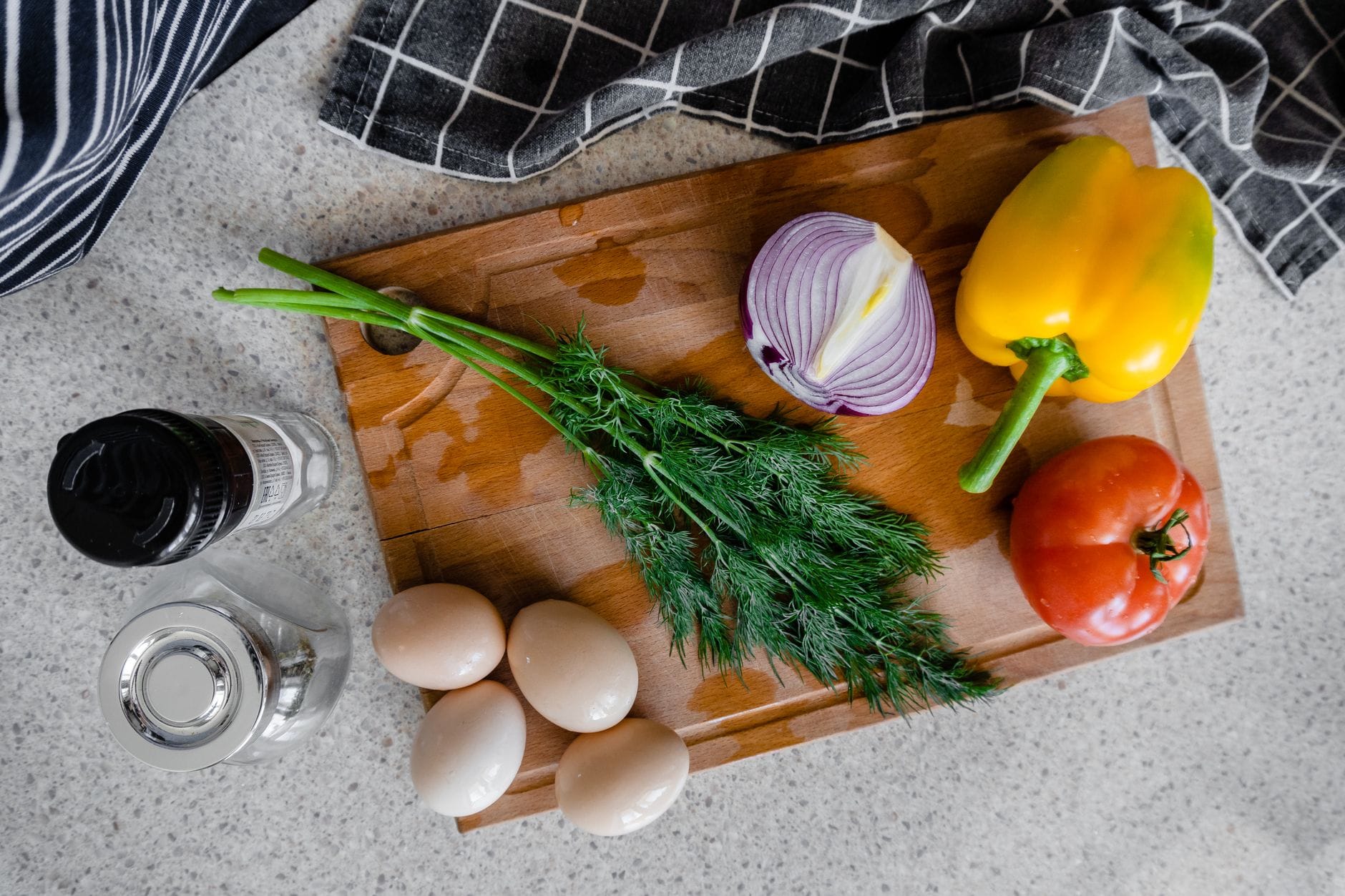
What you eat in the run-up to your period has a real effect on how bloated you feel. A few adjustments worth trying:
Eat smaller, more frequent meals. Lighter portions can keep that overstuffed feeling at bay.
Ease off the salt. Salty food encourages fluid retention, which is exactly what you’re trying to avoid.
Cut back on caffeine. Coffee and other caffeinated drinks can amplify PMS symptoms and may even lengthen or disrupt your cycle, dragging the bloating out longer. Decaf is a gentler swap if you can’t skip your morning cup.
Skip the gassy vegetables. Beans, brussels sprouts, and broccoli contain a complex sugar called raffinose that ferments in your gut and produces gas.
One blogger, Rita Maro, wrote about experimenting with her own routine to tame the worst of it. She cut back on how much she ate, moved dinner up to 7 p.m., switched to cucumber water, and stopped snacking at night. Late-evening hunger was the hardest part, she admitted, so she drank water whenever she woke up. It’s one person’s experience, not a prescription, but it’s a good example of how small, consistent changes can add up.
Move Your Body
 Save
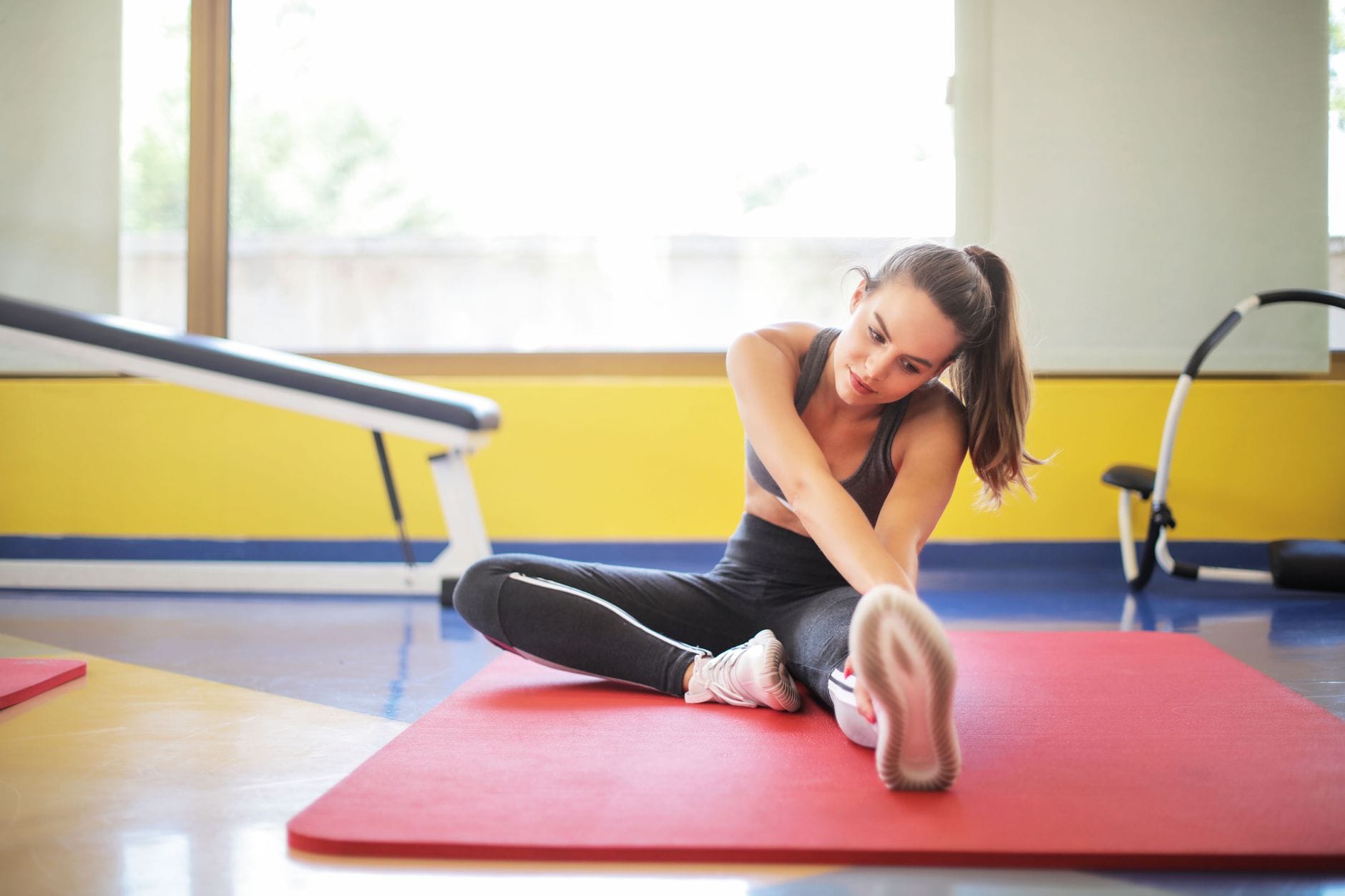
Exercise is probably the last thing you want to do while bloated, and yet women who work out regularly tend to report fewer PMS symptoms, including that puffed-up feeling. You don’t need to push hard here. A gentle yoga flow or an easy walk is plenty. Save the heavy strength training and intense sessions for another week.
Prioritize Sleep
That drop in progesterone can leave you feeling stressed as well as bloated. Aiming for eight to nine hours of good sleep gives your body a chance to reset. Better rest has been linked to relief from a range of premenstrual symptoms, including the more intense form known as premenstrual dysphoric disorder (PMDD).
Drink Enough Water
 Save
It sounds backward to drink more water when you’re already retaining fluid, but staying hydrated actually helps with several period symptoms, bloating among them. There’s no magic number of glasses. How much you need depends on your body, your climate, and how active you are, so let thirst and common sense guide you.
Reach for Chamomile or Essential Oils
 Save
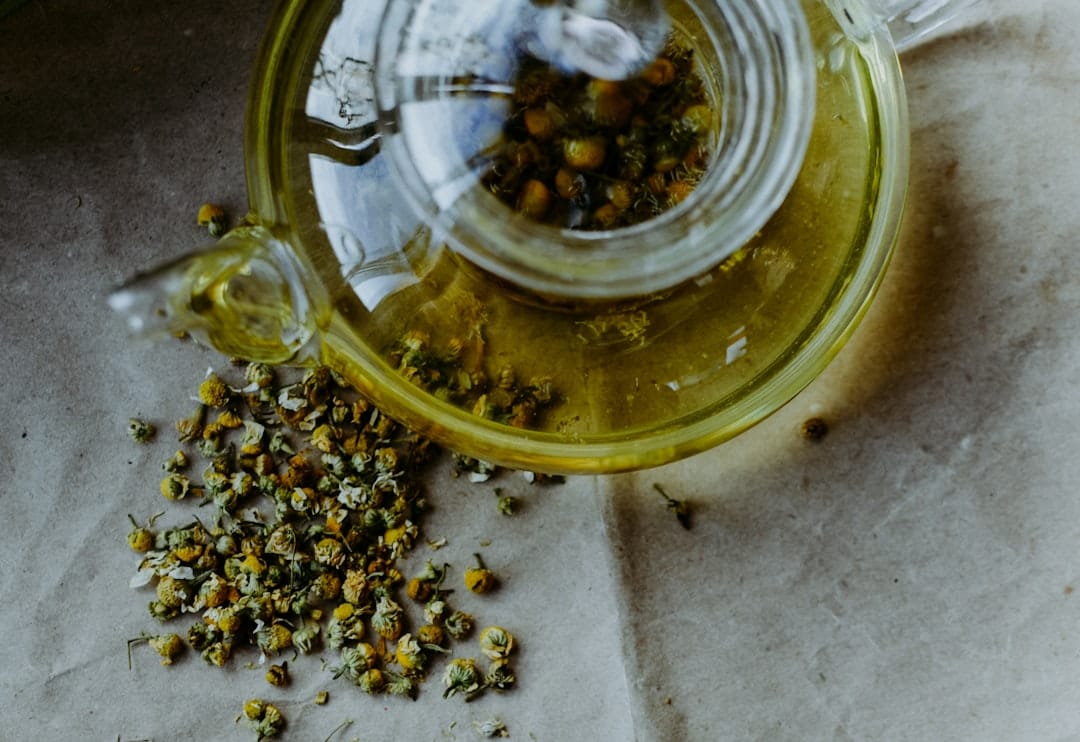
Two calming remedies round things out. Inhaling plant-based essential oils, particularly lavender and citrus, has been shown to ease bloating and other PMS symptoms in some studies. And chamomile tea brings anti-spasmodic and soothing properties that can quiet cramping and discomfort. Keep a box in the cupboard so it’s ready when your period is near.
What About Over-the-Counter Options?
When home remedies aren’t cutting it, a few pharmacy staples can help. Talk to your doctor before starting any of them.
Birth control pills have been shown to reduce period bloating for some people, though results are genuinely mixed, and a fair number of users say the pill leaves them feeling just as puffy. Your OBGYN can help you weigh whether it fits your situation. A simple OTC gas relief tablet or tonic can release trapped air from your gut and shrink that swollen feeling. Diuretics, which help your body shed excess water, are another option some people turn to, but this is one to clear with a professional first rather than self-prescribe.
Frequently Asked Questions
Is period bloating the same as gaining weight?
No. It feels like weight gain because your abdomen swells and your clothes fit tighter, but it’s mostly fluid retention and slowed digestion. It resolves on its own as your cycle moves forward.
Can I prevent period bloating completely?
Not entirely. Hormonal shifts are a normal part of your cycle, and you can’t stop them. What you can do is lessen the intensity with the habits above, especially cutting salt, staying active, and sleeping well.
When does the bloating usually go away?
Typically within the first couple of days of your period, once your hormones begin to rebalance. If it lingers past your cycle or feels severe, see a doctor to rule out anything else.
The Bottom Line
Period bloating is common, uncomfortable, and, thankfully, manageable. Much of it traces back to falling progesterone, slowed digestion, and water retention, none of which you fully control. What you can influence is the surrounding picture: lighter, less salty meals, gentle movement, decent sleep, steady hydration, and calming helpers like chamomile tea or essential oils. Give a few of these a try over a cycle or two and notice what your body responds to. If the puffiness refuses to budge after your period ends, or it turns painful, let a healthcare provider take a closer look.
This article is for informational purposes only and is not a substitute for professional medical advice. Always consult a qualified healthcare provider about your symptoms or before starting any new remedy or medication.