
A small tear, a lot of discomfort, and a recovery that usually comes down to softer stools and a little patience.
The anal canal is lined with delicate, moist tissue, and when that lining tears you get an anal fissure. It is a small injury with an outsized reputation, capable of turning an ordinary trip to the bathroom into something you dread. The reassuring part is that most fissures are minor and close up on their own with basic self-care.
Constipation and diarrhea are the usual culprits, and the same habits that caused the tear tend to keep it from healing. Keep the stool soft, help the ring of muscle at the anus relax, and the tissue gets its chance to knit back together. Here is what fissures are, why they show up, and the remedies and food changes that actually move the needle.
Key Takeaways
– An anal fissure is a small tear in the lining of the anus, most often from passing hard or large stools.
– Pain during and after bowel movements, plus a streak of bright red blood, are the classic signs.
– Over-the-counter and prescription options include nitroglycerin ointment, lidocaine cream, oral diltiazem or nifedipine, and Botox injections.
– Gentle home measures like coconut oil, a warm sitz bath, aloe vera, and a honey-olive oil-beeswax blend can soothe an acute fissure.
– A diet rich in raw fruit, vegetables, and whole grains lowers the odds of a fissure returning.
The tear itself, explained
An anal fissure is a shallow split in the moist skin lining the anus, and it usually happens when a hard or bulky stool stretches the tissue past its limit. The result is sharp pain and often a little bleeding when you pass stool. The anal sphincter, the muscular ring at the opening, tends to spasm in response, which tightens everything and makes the tear harder to heal.
Fissures come in two forms. An acute fissure looks like a fresh paper cut and settles within a few weeks. A chronic one is deeper, sometimes ringed by a small skin tag or fleshy growth, and by definition sticks around longer than eight weeks.
Why do fissures happen?
Most trace back to something mechanical:
– Passing hard or large stools
– Straining during constipation
– Bouts of chronic diarrhea
– Childbirth
– Anal intercourse
Less often, a fissure signals something more involved, such as Crohn’s disease and other inflammatory bowel conditions, or infections like syphilis, HIV, and tuberculosis. Anal cancer is a rare cause. A few things raise your risk: constipation, recent childbirth (they are common in new mothers), and age, since middle-aged adults and infants see them most.
How can you tell it’s a fissure?
The pattern is fairly distinctive. Expect pain during a bowel movement that can linger for minutes or even hours afterward, along with bright red spots on the stool or the toilet paper. Many people can actually see a crack in the skin near the opening, and some notice a small tag of skin next to it.
Beyond the physical, fissures wear on you. The pain and embarrassment push people to skip exercise, avoid sitting through a meeting or a movie, and feel more anxious. Treating it early protects both your body and your peace of mind.
Getting a diagnosis
A doctor can usually confirm a fissure with your history and a gentle look at the area, since the tear is often visible. If something underneath seems off, they may order a closer view: an anoscopy uses a small lighted tube to inspect the anal canal, a flexible sigmoidoscopy checks the lower colon, and a colonoscopy surveys the whole thing. Together they rule out other causes.
Medicines and procedures a doctor might suggest
Plenty of fissures ease within a few weeks once the stool stays soft, and several over-the-counter and prescription options help:
– Nitroglycerin ointment (Rectiv), which boosts blood flow to the tear to speed healing
– Numbing creams such as lidocaine hydrochloride (Xylocaine) for the pain
– Blood pressure medicines taken by mouth, like diltiazem (Cardizem) or nifedipine (Procardia), to relax the sphincter
– Botox (botulinum toxin type A) injections, which calm the muscle spasm by temporarily paralyzing it
When a chronic fissure refuses to respond, surgery is the next step. The most common is a lateral internal sphincterotomy, a small incision that releases part of the sphincter muscle. Botox has a strong track record too: in a retrospective study of 1,003 people with idiopathic fissures, 77.7% had healed at two months, and re-treatment or surgery pushed that figure to 93.9%, with no relapses over an average follow-up of nearly six years.
Home remedies for an acute fissure
Acute fissures respond well to simple, soothing care you can do at home. None of these replace a doctor’s advice, but they keep the area comfortable and lubricated while it heals.
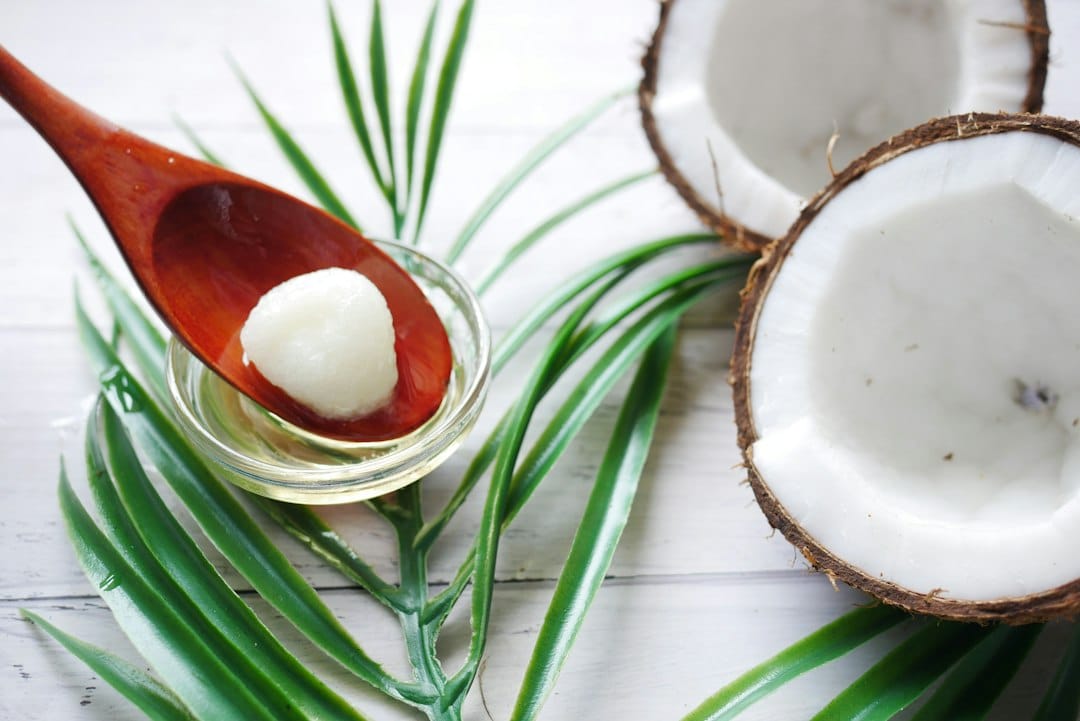
Coconut oil
 Save
Virgin coconut oil is a natural emollient, so a dab on the affected area keeps it moisturized and makes passing stool a little easier. Apply one to two teaspoons and leave it on, reapplying once or twice a day as needed.
Olive oil, honey, and beeswax
 Save
A blend of equal parts honey, olive oil, and beeswax has been studied for easing the itching and pain of both fissures and hemorrhoids. Mix a teaspoon of each, smooth it onto the area, and repeat once or twice daily. Olive oil is one of those everyday kitchen oils with genuine health credentials, though it doesn’t suit everyone, so patch-test first if your skin is sensitive.
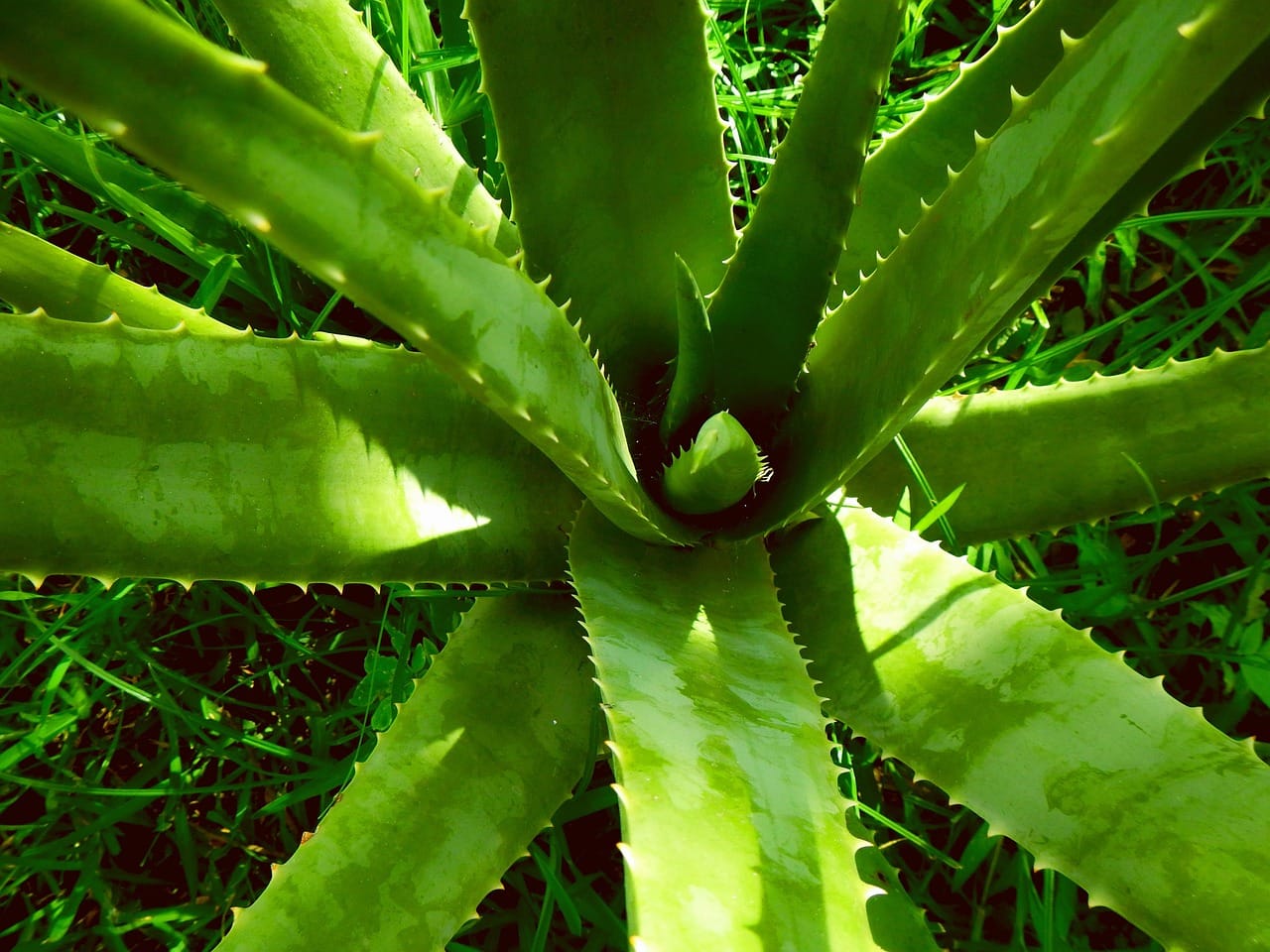
Aloe vera
 Save
The cooling gel inside an aloe leaf calms irritated tissue, the same quality behind aloe vera’s long reputation as a skin and gut soother. Use fresh gel or a pure product and apply a thin layer.
A warm sitz bath
Sitting in a few inches of warm water for 10 to 15 minutes, especially after a bowel movement, relaxes the sphincter and eases pain. It is one of the most reliable comforts for a fresh fissure.
Flaxseed
Ground flaxseed adds fiber and helps stool stay soft and regular, which takes pressure off the healing tear. Stir a spoonful into water, yogurt, or oatmeal.
Eating more fiber to prevent the next tear
 Save
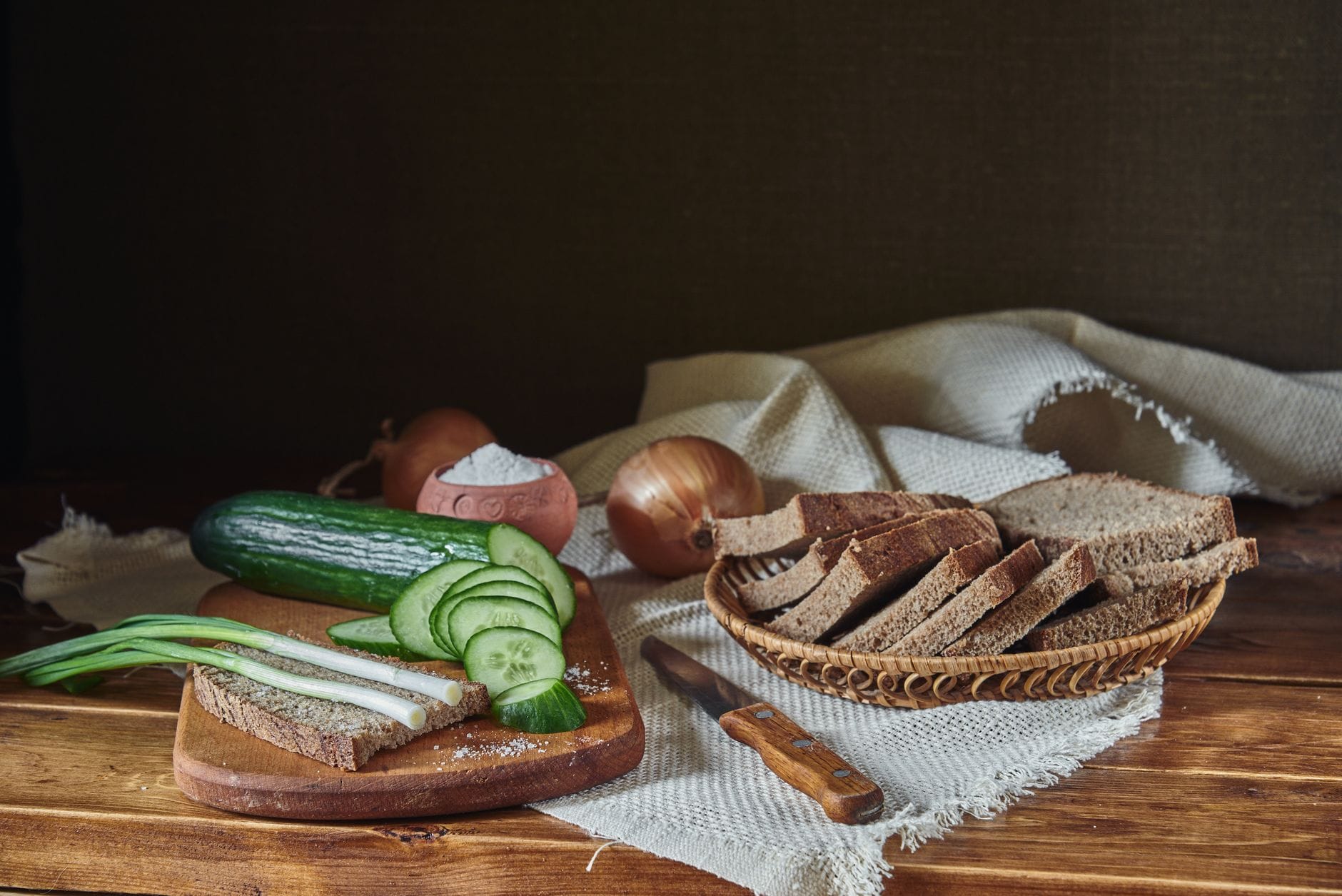
Food does a lot of the heavy lifting in prevention. Diets built around raw fruit, vegetables, and whole-grain bread are linked to a lower risk of fissures, largely because the fiber keeps stools soft and bulky enough to pass without strain. Drink enough water alongside the fiber, since the two work together. A few easy wins:
– Berries, apples, and pears with the skin on
– Leafy greens, carrots, and other raw vegetables
– Whole-grain bread and oats
– Legumes and ground seeds
Ramp fiber up gradually to avoid gas, and keep moving, since regular activity supports healthy digestion.
When should you call a professional?
See a doctor if symptoms hang on past two weeks despite home care, if the pain is severe, or if you notice signs of infection like fever or pus. Waiting tends to lengthen recovery and invite complications. Getting seen early means the right treatment sooner and less time spent hurting.
Frequently Asked Questions
How long does an anal fissure take to heal?
Acute fissures often heal within a few weeks once stools soften and the area is kept comfortable. A fissure lasting more than eight weeks is considered chronic and usually needs medical treatment.
Can I keep fissures from coming back?
Largely, yes. Keeping stools soft with plenty of fiber and water, avoiding straining, and not lingering on the toilet all lower the odds of a repeat tear.
Is bleeding from a fissure dangerous?
The small streak of bright red blood typical of a fissure is usually not serious, but any rectal bleeding deserves a doctor’s evaluation to rule out other causes.
The Bottom Line
An anal fissure is common, painful, and in most cases very manageable. Softer stools take the strain off the tear, warm sitz baths and gentle emollients ease the discomfort, and a fiber-rich diet keeps the problem from returning. Most acute fissures clear up on their own within a few weeks. If yours drags on past two weeks, hurts badly, or shows signs of infection, let a doctor guide the next step rather than waiting it out.