
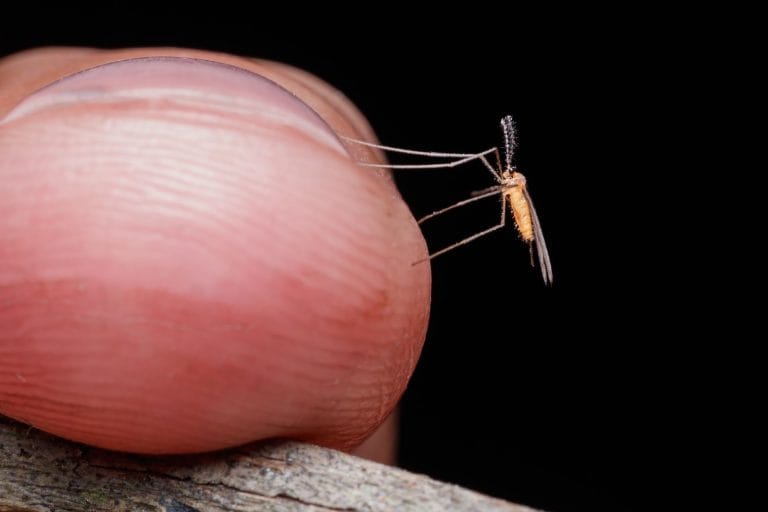
Simple, skin-calming fixes for mosquito bites, bee stings, and other itchy souvenirs of time outdoors.
Nobody gets through a warm season untouched. Mosquitoes, fleas, ticks, wasps, fire ants, the occasional spider, all of them leave behind some version of the same unwelcome gift, a red, swollen spot that itches or stings for days.
The good news is that most bites are minor and respond well to things you already have at home. The less good news is that a small number of reactions are serious and need a doctor quickly. This guide covers both, plus how to recognize what bit you in the first place.
Key Takeaways
– Most bug bites cause only mild swelling, redness, itching, or a tingling, numb feeling around the site.
– Tea tree oil, neem oil, baking soda, honey, aloe vera, and apple cider vinegar can all help calm irritated skin.
– Fever, vomiting, confusion, a racing heart, or a swelling throat after a bite are emergencies, not itches to wait out.
– Flu-like symptoms in the days after a bite deserve a prompt doctor’s visit to rule out infection.
– Covering up outdoors and using insect repellent remain the best ways to avoid bites altogether.
First, Figure Out What Bit You
Different insects leave different calling cards, and knowing which one you’re dealing with helps you decide whether home care is enough.
Mosquito bites are small, puffy, round bumps that itch, often several in the same area.
Flea bites cluster on the lower legs and feet as itchy red spots, each often ringed by a red halo, and they show up almost immediately.
Bedbug bites tend to appear in lines or groups, red and swollen with a darker red center, sometimes turning into hives or blisters.
Tick bites usually come one at a time, with swelling, pain, and often a rash. The tick itself frequently stays attached for a long while.
Fire ant bites are red, swollen, and burning, may blister, and can last up to a week.
Stings are their own category. A bee leaves redness, pain, and a small white spot where the stinger went in, and it can only sting once. A wasp produces a raised welt with sharp pain and burning, and unlike the bee, it can sting you repeatedly.
Why Bites Itch in the First Place
 Save
SaveWhen an insect bites or stings, it injects venom into your skin. Your immune system treats that substance as an invader and mounts a defense, which is exactly what you feel as redness, swelling, and that maddening itch. The reaction is the response, not the bite itself.
In people who are highly sensitive to a particular venom, this same immune response can spiral into anaphylactic shock, a potentially fatal reaction in which the throat tightens and breathing becomes difficult. And if the insect carried infectious agents, the bite can transmit an infection as well. This is why the same mosquito can be a nuisance for one person and a genuine medical problem for another.
Remedies Worth Trying at Home
For mild bites, the goal is simple, calm the swelling and stop the itch. If a stinger is lodged in your skin, remove it first, then apply an ice pack before trying anything else.
Tea Tree and Neem Oil
 Save
SaveMix two drops of tea tree oil into a teaspoon of coconut oil or another carrier oil and dab it on the bite once or twice a day. Tea tree oil has anti-inflammatory properties that ease swelling and pain, and it doubles as an insect repellent, which may spare you the next bite.
Neem oil works similarly. Add one to two drops to a teaspoon of carrier oil, apply, and let it dry. Neem is a well-known mosquito repellent with its own anti-inflammatory effects. Lavender, chamomile, calendula, witch hazel, peppermint, and eucalyptus have also shown skin-soothing potential, so there is room to use what you have.
Baking Soda
 Save
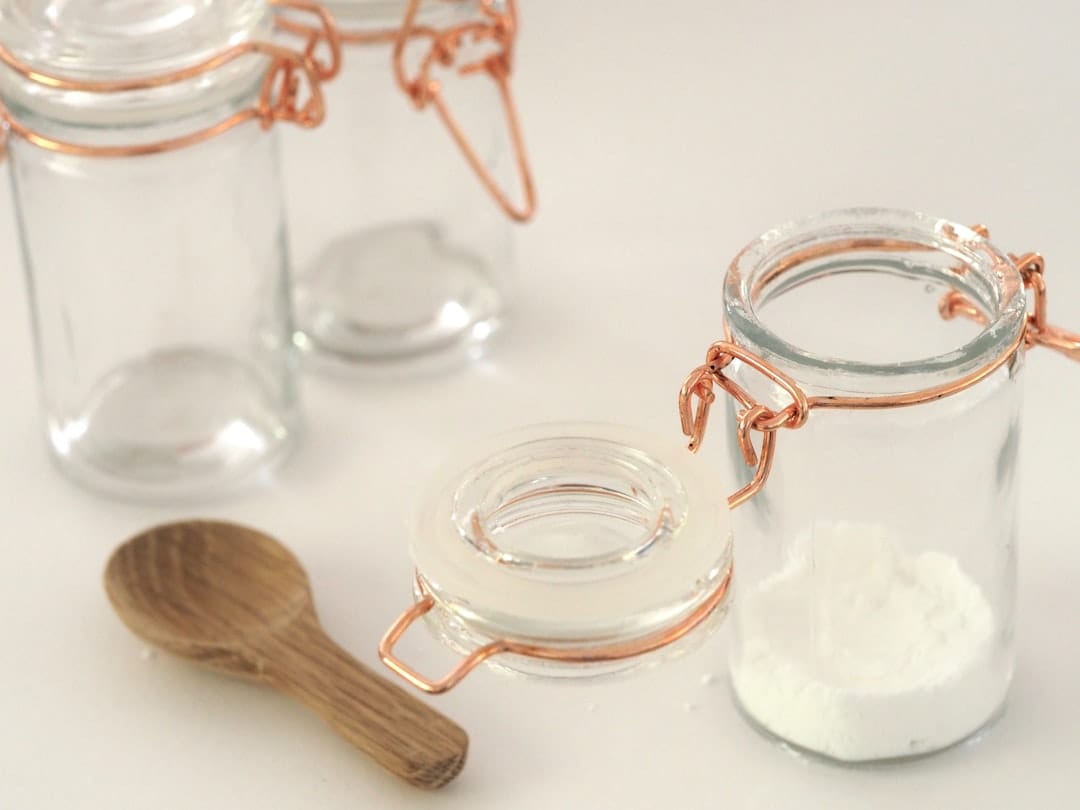
SaveThis one costs pennies. Stir one teaspoon of baking soda into three teaspoons of water, soak a cotton ball in the paste, and hold it against the bite. It’s a classic for a reason.
A Few More Pantry Standbys
Apple cider vinegar, honey, aloe vera gel, turmeric, and rubbing alcohol round out the list of simple options that can settle irritated skin after a bite. None of these requires anything fancier than a dab and a little patience. If the itch persists, ask about an anti-itch cream, pain reliever, or antihistamine, which a doctor may prescribe for stubborn cases.
When a Bite Needs a Doctor Instead
Home remedies are for mild symptoms only. Call emergency services if a bite or sting is followed by fever, nausea or vomiting, confusion, muscle spasms, a rapid heartbeat, swollen lips or throat, or loss of consciousness. The same urgency applies to bites from venomous creatures such as scorpions or spiders like the black widow and brown recluse.
One practical tip, if the insect dies after biting you, keep it (without provoking a live, aggressive one, obviously). Preserving the bug can help your doctor diagnose your symptoms faster, which matters most with poisonous spiders.
Also watch the calendar. Flu-like symptoms developing in the days after a bite can signal an infection picked up from the insect, and that’s a see-your-doctor-now situation.
Keeping Bugs at Arm’s Length
 Save
SaveAnyone can get bitten, but time outdoors raises the odds, especially in the woods or rural areas where insects are thick. Children and older adults tend to react more severely, so they benefit most from prevention.
Two habits do most of the work here. Wear clothing that covers as much skin as possible when you’re in buggy territory, and use an insect repellent consistently. It’s far easier than treating a dozen bites later.
Frequently Asked Questions
Why do some people react so much worse to bites than others?
Sensitivity to insect venom varies from person to person. Most people get only minor discomfort, while highly allergic individuals can develop dangerous reactions, including anaphylaxis. Age plays a role too, since children and older adults often have stronger reactions.
How do I know if a bite has become infected?
Watch for flu-like symptoms, such as fever, in the days following a bite. If they appear, see your doctor promptly so they can rule out an infection transmitted by the insect.
Can I handle a bee sting entirely at home?
Usually, yes. Remove the stinger, apply an ice pack, and use a soothing remedy like aloe or a baking soda paste for the itch. But if you notice throat swelling, trouble breathing, or a racing heart, treat it as an emergency.
The Bottom Line
Most bug bites are more annoying than dangerous, and a little tea tree oil, baking soda paste, honey, or aloe will carry you through the itchy days. Save the worry for the warning signs, trouble breathing, fever, confusion, or a bite from a venomous spider or scorpion, all of which need medical care right away. And since the easiest bite to treat is the one you never get, cover up and keep the repellent handy.
This article is for informational purposes only and is not a substitute for professional medical advice, diagnosis, or treatment. Always consult a qualified healthcare provider about any medical concern, especially severe or unusual reactions to insect bites and stings.