
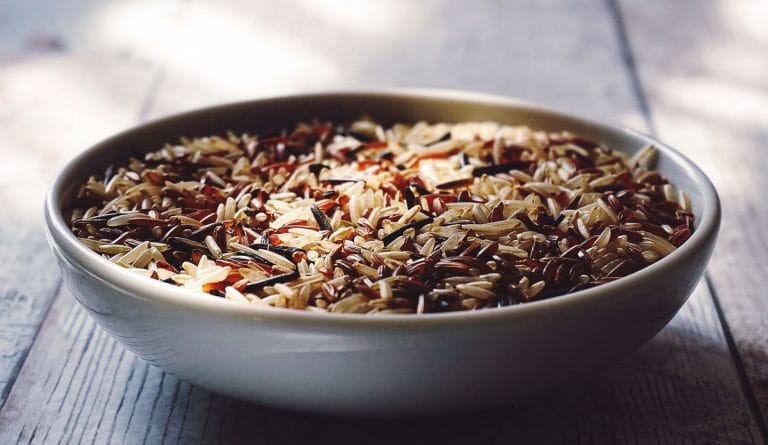
A small mineral with an outsized role in your bones, brain, and metabolism.
You won’t find manganese trending on wellness feeds the way iron or magnesium do, yet your body depends on it every single day. This trace mineral shows up in tiny amounts—an adult carries only around 20 mg total, tucked mostly into the bones, liver, pancreas, and kidneys—but it quietly powers dozens of essential reactions.
From building your skeleton to steadying your blood sugar, manganese earns its keep. Here’s a closer look at what it does, where to get it, and how to keep your intake in the safe zone.
Key Takeaways
– Manganese activates key enzymes and supports nutrient absorption, wound healing, and bone development.
– A shortfall may show up as joint pain, weaker bones, or fertility trouble.
– It benefits brain and thyroid health, helps regulate blood sugar and metabolism, and may ease inflammation and PMS.
– More is not better—excess manganese can harm the nervous system, so stick to recommended amounts.
What Is Manganese?
Manganese is an active part of the enzyme manganese superoxide dismutase (SOD), one of your body’s built-in antioxidant defenders. As a cofactor, it switches on enzymes involved in metabolism, nutrient use, wound repair, and bone formation. It also acts as a free-radical scavenger, helping shield your cells from oxidative wear and tear.
Fall short and you may notice consequences—research links low manganese to joint discomfort, poor bone health, and fertility issues. Because your body can’t make it, you have to get manganese from food or, when advised, supplements.
Health Benefits of Manganese
Builds Stronger Bones
 Save
SaveManganese is essential for normal bone development and helps support the mineral density of the spine (1, 2). It appears especially relevant for post-menopausal women, who can be prone to declining bone strength and minor fractures. Researchers are still working to confirm exactly how much manganese contributes to preventing osteoporosis, but its role in the skeleton is well established.
Fights Free Radical Damage
Thanks to its antioxidant properties, manganese helps keep free radicals in check (3). Left unchecked, these unstable molecules can damage cells and fuel inflammatory disease. Including manganese-rich foods in your routine is one simple way to bolster your body’s defenses.
Helps Balance Blood Sugar
Manganese plays a part in the healthy synthesis and secretion of insulin, which helps keep blood sugar on a more even keel (4). By smoothing out unpredictable dips, it may make daily management a little easier for people living with diabetes.
Supports a Healthy Metabolism
 Save
SaveManganese-activated enzymes help your body process cholesterol, amino acids, carbohydrates, and vitamins like B1 and E (6). It supports liver function, assists in metabolizing the amino acid glutamine, and is a component of DNA polymerase. On the energy front, it helps regulate glucose metabolism so fuel reaches your cells, muscles, and organs efficiently (13).
Eases Inflammation and Sprains
By raising levels of superoxide dismutase, manganese may speed recovery from sprains and calm inflammation (7). SOD has anti-inflammatory effects, and low SOD is often seen in people with arthritis—so supporting its activity may help ease related symptoms.
Supports Thyroid and Brain Health
Iodine gets the spotlight for thyroid health, but manganese matters too. It acts as a cofactor for enzymes tied to thyroxine, a key thyroid hormone that governs appetite, metabolism, weight, and overall organ efficiency (9).
Your brain benefits as well. The antioxidant action of SOD clears free radicals from neural pathways, and manganese binds with neurotransmitters to help regulate the electrical signals that support cognition (12). A deficiency has even been associated with epileptic seizures, and manganese’s vasodilating, anti-seizure properties are being studied for this reason (5).
Eases PMS Symptoms
 Save
SaveFor those who struggle with premenstrual syndrome, manganese may help take the edge off mood swings, headaches, irritability, and low mood (10). It also aids the absorption and use of vitamins like B and E, supporting the enzymatic reactions that put the nutrients from your food to work (11).
Where to Find Manganese in Food
 Save
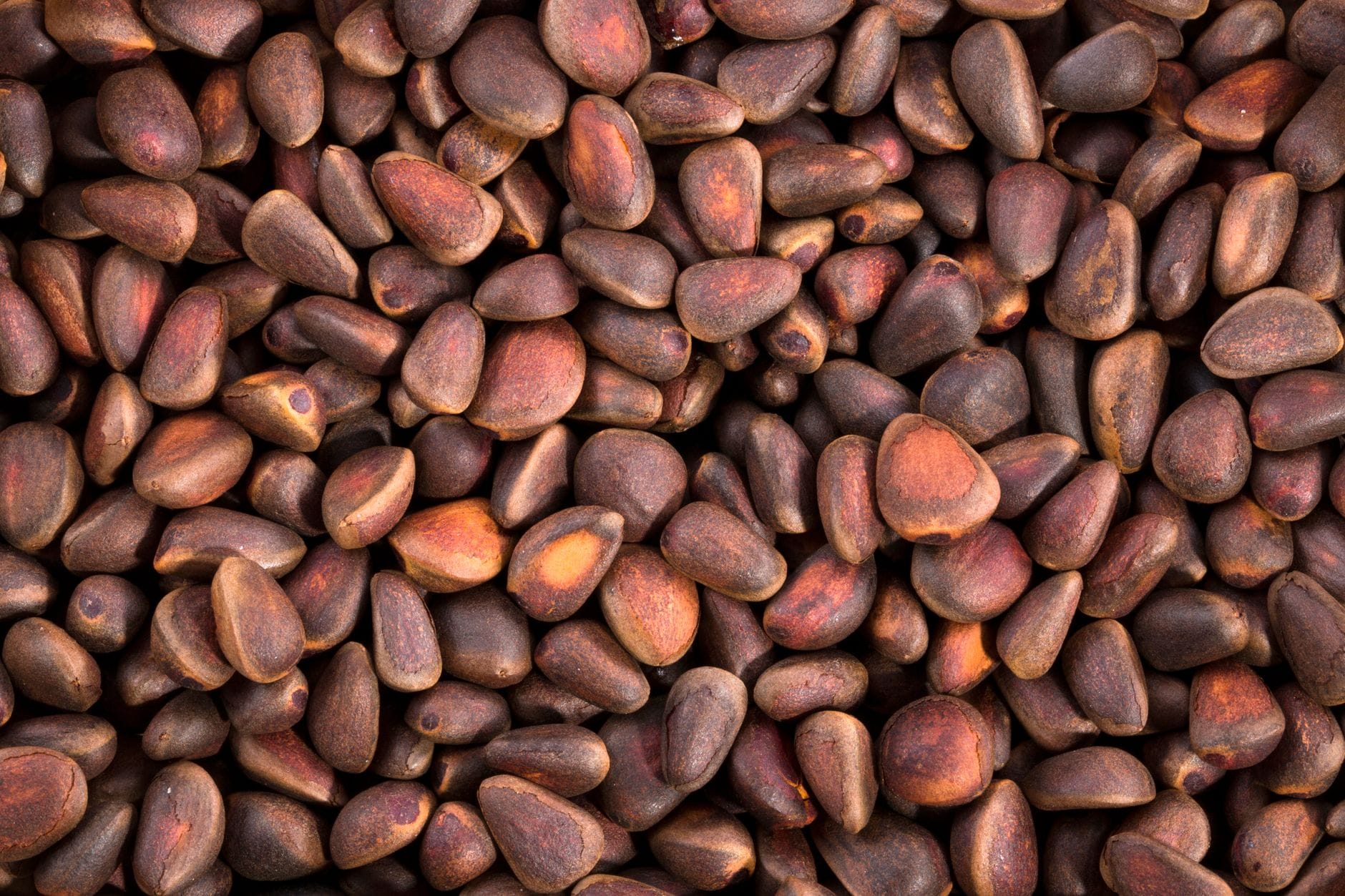
SaveThe good news: you can meet your needs through everyday foods. Manganese is especially plentiful in nuts, seeds, and whole grains. Reach for wheat germ and bran, flax, sesame and sunflower seeds, sesame butter, and roasted pumpkin or squash seeds.
Shellfish such as mussels, oysters, and clams supply it too, along with roasted soybeans. For a flavorful boost, cocoa powder and dark chocolate are surprisingly rich sources, as are spices and herbs like cloves, saffron, and chili powder. Supplements exist for those who need them, though prevention through osteoporosis-friendly, balanced eating is usually the smarter first step (8).
A Word of Caution
More manganese is not better—balance is the goal. Keep these points in mind:
Only take the amount your healthcare provider recommends; an overdose can be dangerous.
Toxicity from food alone is rare, but excess intake can affect the nervous system, causing tremors, muscle spasms, memory problems, mood changes, and reduced hand-eye coordination (14).
Antacids can lower manganese absorption, so separate supplements by one to two hours.
People fed intravenously should generally avoid manganese supplements.
Inhaled manganese may harm children under five.
Combining manganese supplements with quinolone antibiotics can be hazardous.
Frequently Asked Questions
How much manganese do I need each day?
Some sources suggest around 12 mg daily for optimal health, though individual needs vary. Most people meet their requirements through a varied diet, so check with your provider before supplementing.
Can I get too much manganese from food?
There are no documented cases of toxicity from ordinary dietary intake. The concern is with high-dose supplements or inhaled manganese, both of which can affect the central nervous system.
Which foods are the easiest way to get more manganese?
Nuts, seeds, and whole grains are simple, versatile choices. Whole-wheat products, pumpkin seeds, and a square or two of dark chocolate all add up quickly.
The Bottom Line
Manganese may be a minor mineral by quantity, but its influence is anything but small. It helps build bone, steadies blood sugar and metabolism, defends cells from oxidative stress, and supports both thyroid and brain function. A colorful, whole-food diet featuring nuts, seeds, grains, and shellfish will usually cover your needs. Just remember that the sweet spot is enough—not more—since too much manganese carries real risks. When in doubt, let a healthcare professional guide your intake.
This article is for informational purposes only and is not a substitute for professional medical advice. Always consult a qualified healthcare provider before making changes to your diet or starting any supplement.