

The slippery little pod also called lady’s fingers packs a surprising amount of nutrition into very few calories.
Okra shows up in kitchens all over the world, from Southern gumbo to Indian curries to West African stews. It has a reputation for its sticky, slippery inside, which some people love and others quietly work around. That same texture, though, is part of why researchers keep taking a closer look at this vegetable. A cup of okra brings fiber, folate, vitamin C, and a handful of minerals for barely more than 30 calories.
None of this makes okra a cure for anything. But the studies that exist point to some genuinely useful qualities, and it’s an easy, affordable vegetable to cook more often. Here’s what the science actually supports, and where it’s still thin.
Key Takeaways
– Okra is low in calories yet rich in fiber, folate, vitamin C, and antioxidants.
– Its sticky mucilage may bind cholesterol during digestion and support heart health.
– The folate in okra matters especially during pregnancy, when neural tube development depends on it.
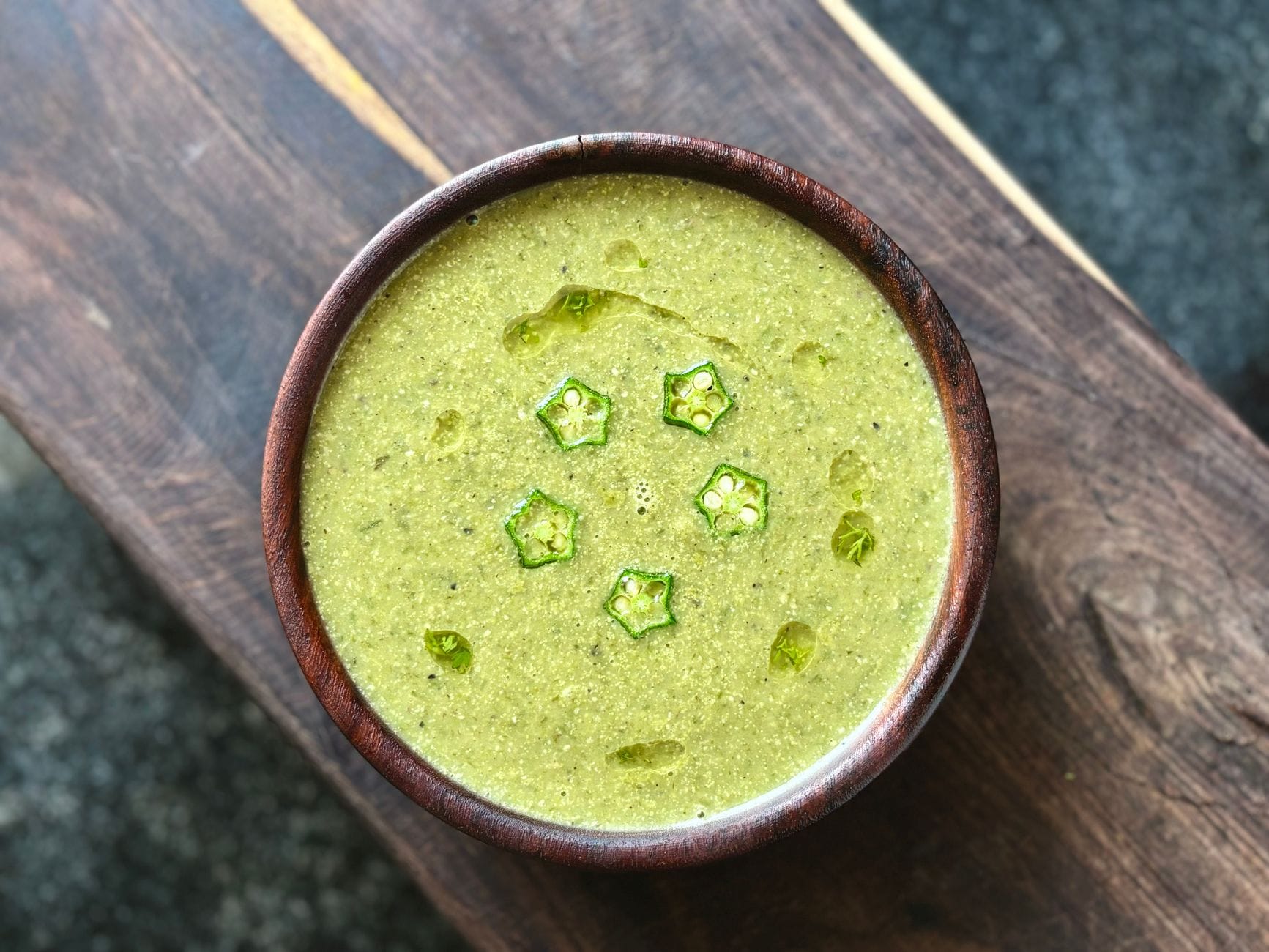
– Roasted okra, fat-free okra chips, and okra in soups are all easy ways to enjoy it.
– People sensitive to okra may notice gas, cramps, or loose stools, so start small.
What’s Actually Inside Okra
 Save
SaveA 100-gram serving, roughly a cup, delivers about 33 calories, 3.2 grams of dietary fiber, and just under 2 grams of protein. It’s low in fat and sugar, and it carries a solid mineral load: potassium, magnesium, calcium, phosphorus, and a notable amount of manganese, a trace mineral your body relies on for bone formation and metabolism. On top of that you get vitamin C, vitamin B6, and folate, plus a range of antioxidants.
The seeds are worth a mention too. Okra seed oil is a good source of linoleic acid, and the pod itself is dense in pectin and insoluble fiber. For a vegetable this humble, the nutrient sheet is impressively full.
A Pod That Comes in Many Colors
Not all okra looks the same. Some varieties stay small and tender, while others, like the cow horn type, stretch as long as 14 inches. The emerald variety was bred by Campbell’s Soup Company specifically because it held up beautifully in soups. Then there are the red and burgundy pods, prized for pickling and for adding a splash of color to a dish, with types like hill country red being a pickler’s favorite.
For many families, okra carries meaning beyond the plate. Writer Kayla Stewart has described it as a vegetable of survival tied to her African heritage, the dish her family reached for at celebrations and during hard times alike, “seemingly prepared with additional love, care, and need.” That kind of cultural weight is part of why okra endures.
Okra and Your Heart
 Save
SaveOne of okra’s best-studied qualities comes down to that slippery substance, called mucilage. During digestion, mucilage binds to cholesterol and keeps some of it from being absorbed into the bloodstream, so it leaves the body as waste instead. Lower cholesterol absorption tends to mean a lower cardiovascular risk over time.
Animal research backs this up. In one study, mice fed a high-fat diet containing 1% or 2% okra powder ended up with less cholesterol in their blood than mice given no okra at all. Okra also supplies polyphenols with anti-inflammatory effects, which may help lower the inflammatory markers linked to heart trouble. If you’re building a heart-friendly plate, okra pairs well with other whole foods studied for cardiovascular support, including nuts with a strong heart-health record.
The Blood Sugar Question
 Save
SaveOkra is often mentioned in conversations about diabetes, and there’s some reason for that. Studies in mice suggest that both okra seed and okra peel have a hypoglycemic, or blood-sugar-lowering, effect.
Here’s the important caveat. Research in rats found that certain compounds in okra may interfere with the absorption of metformin, a common diabetes medication. So while okra may be a helpful vegetable for someone managing blood sugar, it isn’t automatically compatible with every treatment plan. If you take medication for diabetes, talk with your doctor before making okra a daily habit.
A Few More Reasons to Cook It
Possible anti-cancer activity
Okra contains a protein called lectin, which has drawn interest for its effect on cancer cells in the lab. One test-tube study reported 63% less growth in treated cancer cells, and another found that okra extract killed cancer cells outright. The honest framing: these were test-tube studies using concentrated extracts, not whole okra eaten by people. It’s promising early signal, nothing more, and human research is still needed.
A hand with stress
Okra seeds contain compounds described as adaptogens, which are thought to help the body cope with stress. In one rat study, okra extract lowered blood glucose, cholesterol, and triglyceride levels, all of which tend to climb under stress. Whether this translates to people is unproven, but it’s an intriguing thread.
Gut Comfort and Pregnancy Support
 Save
SaveOkra has a long history in traditional remedies for stomach complaints, and the reasons make sense. Its mucus-like coating may neutralize stomach acid and make it harder for harmful bacteria to cling to the stomach lining, which could ease gastritis. Some of its bioactive compounds even behave similarly to omeprazole, a drug used for ulcers and gastritis. And thanks to all that fiber, okra helps keep things moving, which reduces constipation. If gut repair is a personal focus, okra fits alongside other nutrients studied for the digestive lining, such as the amino acid that supports gut and immune health.
For anyone expecting, the standout nutrient is folate, also known as vitamin B9. The CDC recommends pregnant women get 400 micrograms of folic acid daily, and okra contributes toward that. Folate supports the formation of the baby’s neural tube and helps guard against birth defects like spina bifida, while okra’s fiber can ease the constipation that so often comes with pregnancy. Its vitamin A may also lend a little support to vision.
A Note on Side Effects
Okra is safe and healthy for most people, but it isn’t for everyone in every amount. Those sensitive to it may experience gas, cramps, or loose stools, so it’s smart to ease in rather than pile your plate high on the first try. If okra reliably upsets your stomach, that’s your cue to scale back.
Frequently Asked Questions
How much okra can I eat in a day?
Around 100 grams, roughly one cup, is a reasonable daily amount for most people. Because okra is high in fiber, it’s wise to build up gradually and drink plenty of water.
Can I eat okra raw?
Yes. Okra can be eaten raw, fried, baked, blanched, pickled, or dried. Raw okra keeps more of its vitamin C, though many people prefer it cooked to soften the texture.
Does cooking reduce okra’s sliminess?
It can. Roasting, grilling, or pairing okra with an acid like tomato or lemon tends to cut the slipperiness, which is why roasted okra and okra in tomato-based stews are so popular.
The Bottom Line
Okra earns its place as a nutrient-dense, low-calorie vegetable. The evidence for its heart benefits and its folate content is the sturdiest, while the blood sugar, anti-cancer, and stress findings come mostly from animal and lab studies that haven’t yet been confirmed in humans. Treat okra as a genuinely healthy addition to a varied diet, not a stand-alone fix, and start with modest portions if your stomach is sensitive. Roasted, stewed, pickled, or crisped into chips, it’s an easy vegetable to enjoy more often.
This article is for informational purposes only and is not a substitute for professional medical advice. Consult your healthcare provider before making changes to your diet, especially if you are pregnant, managing diabetes, or taking medication.