
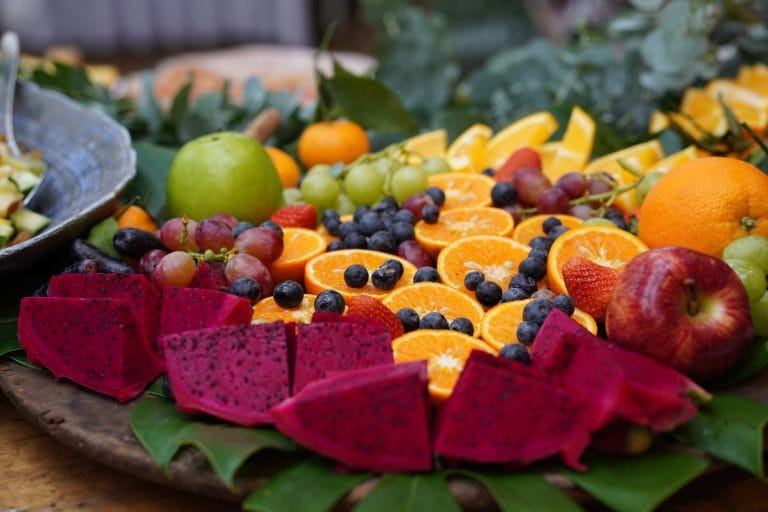
Lower-acid fruits are having a moment, so here’s what the science does and doesn’t support.
You’ve probably heard someone swear that eating more “alkaline” foods will reset your body. The idea has famous fans and a tidy logic to it: some foods leave your system leaning more acidic, others more alkaline, and fruit tends to land on the gentler end of that scale. Whether that translates into real health wins is a more nuanced story, and one worth telling honestly.
Alkaline fruits simply have lower acidity. Apples, bananas, and avocados are classic examples. They’re nutrient-dense, easy to work into meals, and for most people they’re a genuinely smart thing to eat more of. The pH claims deserve a little scrutiny, though, so let’s look at both the appeal and the caveats.
Key Takeaways
– Alkaline fruits, including apples, bananas, avocados, cantaloupe, and dates, are lower in acid and packed with fiber, vitamins, and minerals.
– Eating them regularly may support weight management, digestion, and heart health, though the “balancing your pH” claim is not fully settled.
– Citrus can taste sharply acidic yet have an alkalizing effect once your body metabolizes it.
– Store cut fruit away from raw meat to avoid cross-contamination, and trim any spoiled sections before eating.
– Very high-fiber portions can trigger bloating or gas, so build up your intake gradually.
What Alkaline Actually Means
Here’s a quick refresher. On the pH scale, anything above 7 is alkaline and anything below 7 is acidic, with 7 sitting right in the neutral middle. Your body runs both extremes at once. Stomach acid sits somewhere around 2.8 to 3.7, firmly acidic, while healthy blood hovers near 7.3, which is mildly alkaline.
The eating pattern built around this is popularized as the alkaline diet, and it traces back to the old acid-ash theory, which held that food shifts the body’s internal acidity depending on what’s left after digestion. The evidence is thinner than the hype suggests. A few limited studies hint that a diet heavy in alkaline fruits and vegetables might help people living with chronic kidney disease, but researchers agree more work is needed before anyone promises a full-body pH makeover.
What isn’t in doubt: the fruits on this list are good food. That’s reason enough to keep reading.
Five Alkaline-Leaning Fruits Worth Eating
Because these fruits carry a higher pH and less acid, people often reach for them to ease everyday acidity. Each one also brings its own nutritional strengths.
Apples
 Save
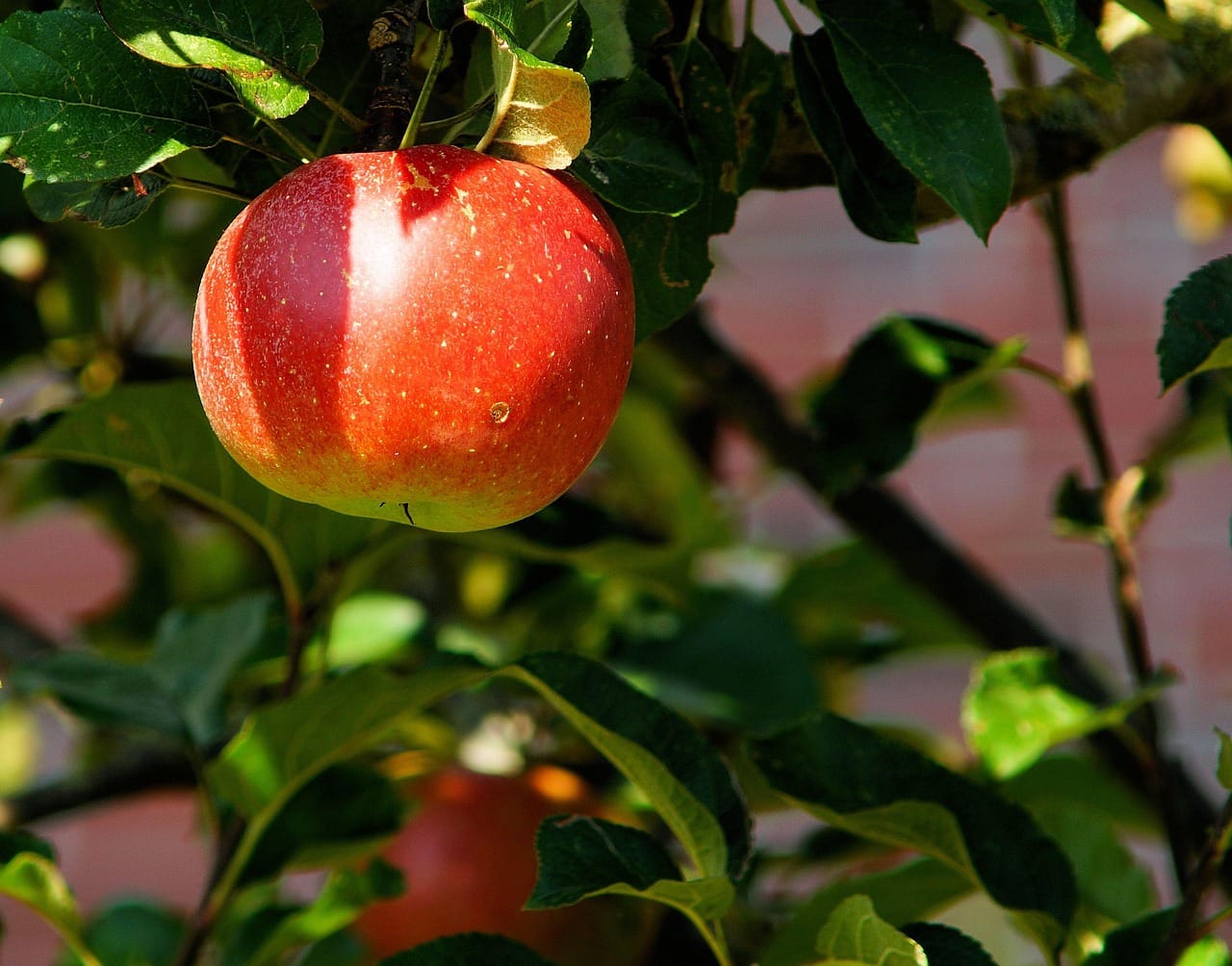
SaveA medium apple, about three inches across, runs roughly 95 calories and delivers vitamin A, vitamin C, calcium, and vitamin K. The fiber lives in the peel and the core, and that fiber is the piece linked to steadier cholesterol and easier weight control. Research connects apples with modest weight loss, better bone health, and even fewer asthma symptoms. If you’ve ever wondered whether apples earn their reputation for helping with weight loss, the fiber-and-fullness combination is a big part of why they do.
One blogger, Matt Harmon, ate three apples a day alongside normal meals for 30 days and reported eating less overall, dropping about 8.5 pounds, and losing a couple of inches at the waist. An anecdote, not a trial, but a relatable one.
Bananas
 Save
SaveReach for a banana when your energy dips. Bananas supply potassium, magnesium, and phosphorus along with a solid dose of fiber that keeps digestion moving. They’ve also been tied to a lower risk of ulcers and strokes, and yes, they’re a common go-to for a rough morning after.
Ripeness changes what you get. A 2026 study in PLOS One found that unripe bananas held more starch and, by one measurement method, more dietary fiber, while ripe bananas carried noticeably more sugar in the form of sucrose, fructose, and glucose. Greener isn’t automatically better, but if blood sugar is on your mind, the less-ripe end of the bunch is the gentler choice.
Avocados
 Save
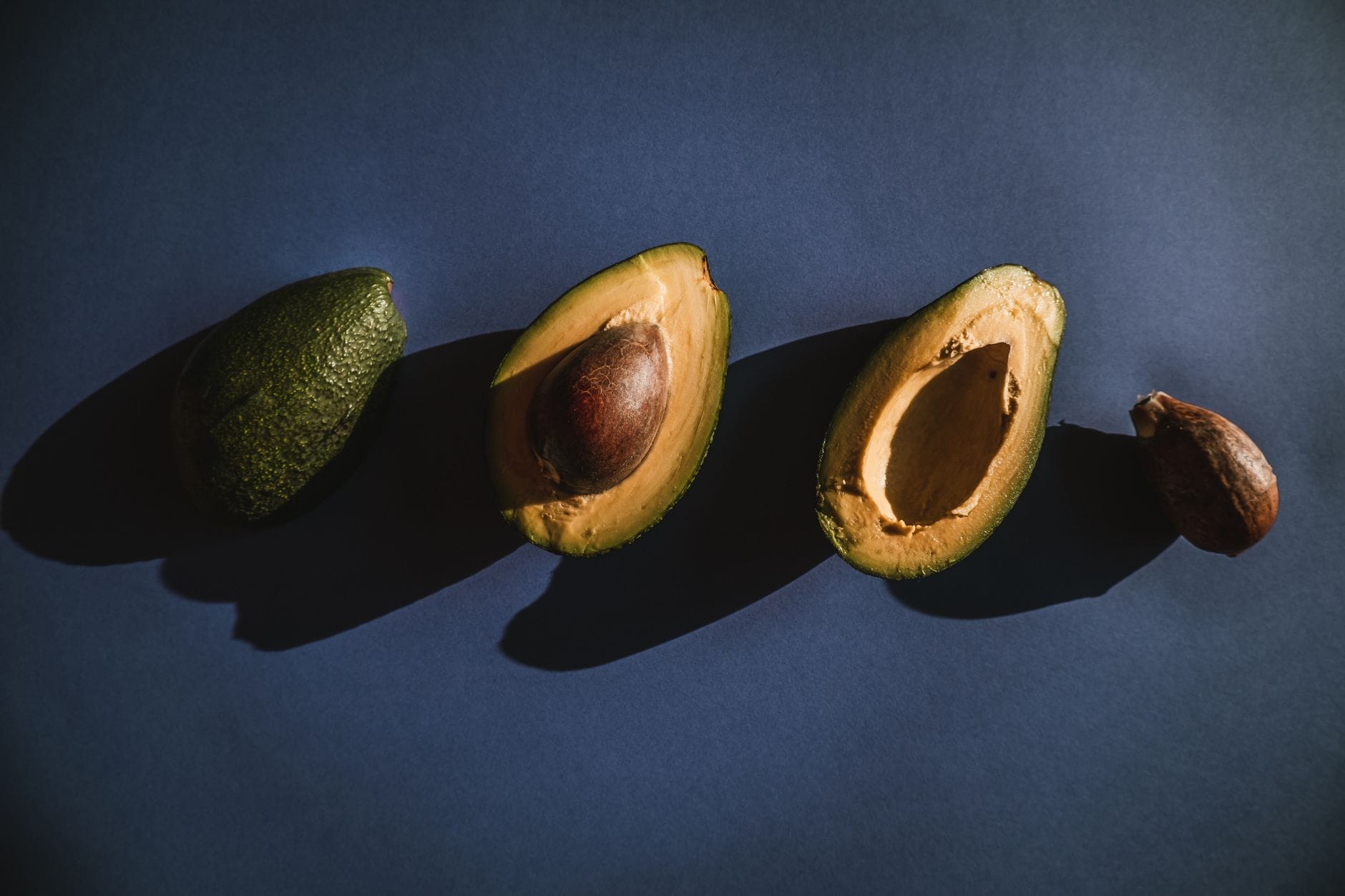
SaveCreamy, filling, and genuinely good for you. A cup of sliced avocado brings around 234 calories plus potassium, magnesium, phosphorus, and vitamin A. A literature review found that avocados may help lower cholesterol and support cardiovascular health, which is why the fruit shows up so often in heart-friendly eating advice.
Cantaloupe
 Save
SaveLow in fat and sugar, cantaloupe is an easy summer add. It’s rich in vitamin A, vitamin C, and beta-carotene, and its flavonoid antioxidants may help calm inflammation and mop up free radicals. It’s also mostly water, so it does double duty as a hydrating snack.
Dates
Dates are tiny and deceptively rich, so they read as nature’s candy while still delivering calcium, phosphorus, and potassium. Research points to anti-inflammatory and antioxidant properties, which makes them a satisfying way to sweeten a snack. They are concentrated in natural sugar, though, so if you’re curious how dates fit into eating for stable blood sugar, portion size matters more than with most fruit.
Why Citrus Fruits Fool You
Lemons, oranges, and grapefruit taste unmistakably tart, which makes people assume they’re acidic through and through. What matters is what happens after you eat them. As your body metabolizes citrus, it releases alkaline byproducts, so the net effect on your internal environment leans alkaline rather than acidic. The sour bite on your tongue and the fruit’s actual impact are two different things. Individual responses vary, but citrus can absolutely be part of an alkaline-leaning plate.
What These Fruits May Do for You
Stack up the benefits and a pattern emerges. Regularly eating alkaline fruits may support:
Weight management, thanks to fiber and fullness
Smoother digestion and more regular bowel movements
Better eye and bone health from the vitamins and minerals
Lower cholesterol and steadier cardiovascular function
A steady supply of antioxidants that help counter inflammation
None of these require the pH theory to be true. They come from eating whole, minimally processed fruit, which is worthwhile on its own terms.
A Few Cautions
Fruit is friendly, but a couple of practical notes help. When you refrigerate cut fruit, keep it well away from raw meat so nothing cross-contaminates, and slice off any bruised or rotten spots before eating. Because several of these fruits are high in fiber, loading up too fast can leave you bloated or gassy. Ease into larger portions and your gut will adjust. People prone to migraines may also want to watch how certain fruits affect them.
Frequently Asked Questions
Can I eat alkaline fruits every day?
For most people, yes. Daily fruit is encouraged. Just build your portions up gradually if you’re not used to a lot of fiber, and spread intake across the day rather than eating a huge amount at once.
Do alkaline fruits actually change my blood pH?
Not meaningfully. Your body tightly regulates blood pH on its own. What these fruits reliably offer is nutrition, fiber, and antioxidants, which is the more grounded reason to eat them.
Are bananas better ripe or unripe?
It depends on your goal. Unripe bananas carry more starch and resist digestion a bit longer, while ripe bananas are sweeter and easier on the stomach. If you’re watching sugar, lean greener.
The Bottom Line
Alkaline fruits earn their place on your plate, though not quite for the reason the trend suggests. Apples, bananas, avocados, cantaloupe, and dates are lower in acid and loaded with fiber, vitamins, minerals, and antioxidants that support weight, digestion, and heart health. The promise that they’ll rebalance your body’s pH is far shakier and still under study. Eat them because they’re nourishing and delicious, watch your fiber ramp-up, and store cut fruit safely. That’s a version of this advice you can actually rely on.
This article is for informational purposes only and is not a substitute for professional medical advice. Consult a qualified healthcare provider before making significant changes to your diet, especially if you have an existing health condition.