

Can the food on your plate really shift your body’s pH — or is this another celebrity trend dressed up as science?
The alkaline diet has picked up plenty of famous fans and a whole lot of buzz, with the promise that eating more “alkaline” foods can rebalance your body and fend off disease. It sounds tidy and appealing. But a diet working for a celebrity doesn’t mean it works the way people claim — or that it works at all. Below, we unpack where the idea comes from, what the research genuinely supports, and where the science pushes back.
The short version: many of the foods this diet emphasizes are wonderful for you, but often for reasons that have nothing to do with pH.
Key Takeaways
– The alkaline diet is built on the idea that eating fewer acid-forming foods (like meat and eggs) and more alkaline-forming foods (like fruits and vegetables) can balance your body’s pH.
– Fans credit it with preventing osteoporosis, cancer, and kidney disease — but the core “acid-ash hypothesis” isn’t supported by solid science.
– Food can shift the pH of your urine, but it does not meaningfully change the tightly regulated pH of your blood.
– Its real perks likely come from eating more produce and fewer processed foods, not from alkalizing your body.
– Because it can fall short on protein, vitamin B12, calcium, and zinc, check with a registered dietitian before committing to it.
What Is the Alkaline Diet?
The diet was popularized by American naturopath Robert Oldham Young, and it hinges on the notion that what you eat alters your internal pH. To follow along, it helps to remember what pH measures: how acidic or alkaline something is, on a scale from 0 to 14.
0 to 6.9 — acidic
7 — neutral
7.1 to 14 — basic (alkaline)
Here’s the catch your body already knows: your pH isn’t one number. Your stomach sits at a strongly acidic 2 to 3.5 thanks to hydrochloric acid, while arterial blood stays in a narrow 7.36 to 7.44 range and the inside of your cells hovers around 7.2. Urine, meanwhile, shifts around depending on what your body needs to stay balanced.
That last detail is the crux of the whole debate.
The Acid-Ash Hypothesis
Followers lean on the “acid-ash hypothesis,” which argues that a diet heavy in acid-forming foods and light on fruits and vegetables throws off your blood’s pH and invites disease. The problem is that this idea lacks scientific grounding. Research shows food can change urine pH, but it has no significant effect on the pH of your blood, which your kidneys regulate automatically and precisely. In other words, your body defends its blood chemistry no matter what you order for lunch.
The Evidence-Based Benefits
Even without the pH story holding up, some claimed benefits deserve a fair look.
May Support Healthy Bones
 Save
SaveThe osteoporosis claim rests on the acid-ash idea: eat acidic foods, and your body supposedly pulls calcium from your bones to neutralize them, weakening them over time. But this overlooks your kidneys, which already manage acid-base balance. A meta-analysis found no evidence that an acidic diet causes osteoporosis or that an alkaline one prevents it. Bone strength depends on many things — overall nutrition, age, and physical activity — not diet pH alone.
May Offer Some Protection Against Breast Cancer
Some research links a high dietary acid load to greater breast cancer risk, hinting that an alkaline-style diet could be protective. It’s an interesting signal, but far from settled — more study is needed across different cancers before anyone should treat this as established.
May Help With Chronic Kidney Disease
This is one of the more promising areas. Research suggests that easing the acid load on the kidneys — through a lower-protein diet rich in fruits, vegetables, and plant proteins — may slow the progression of chronic kidney disease. Another study reinforced that produce-heavy eating can benefit kidney health.
May Benefit the Heart
 Save
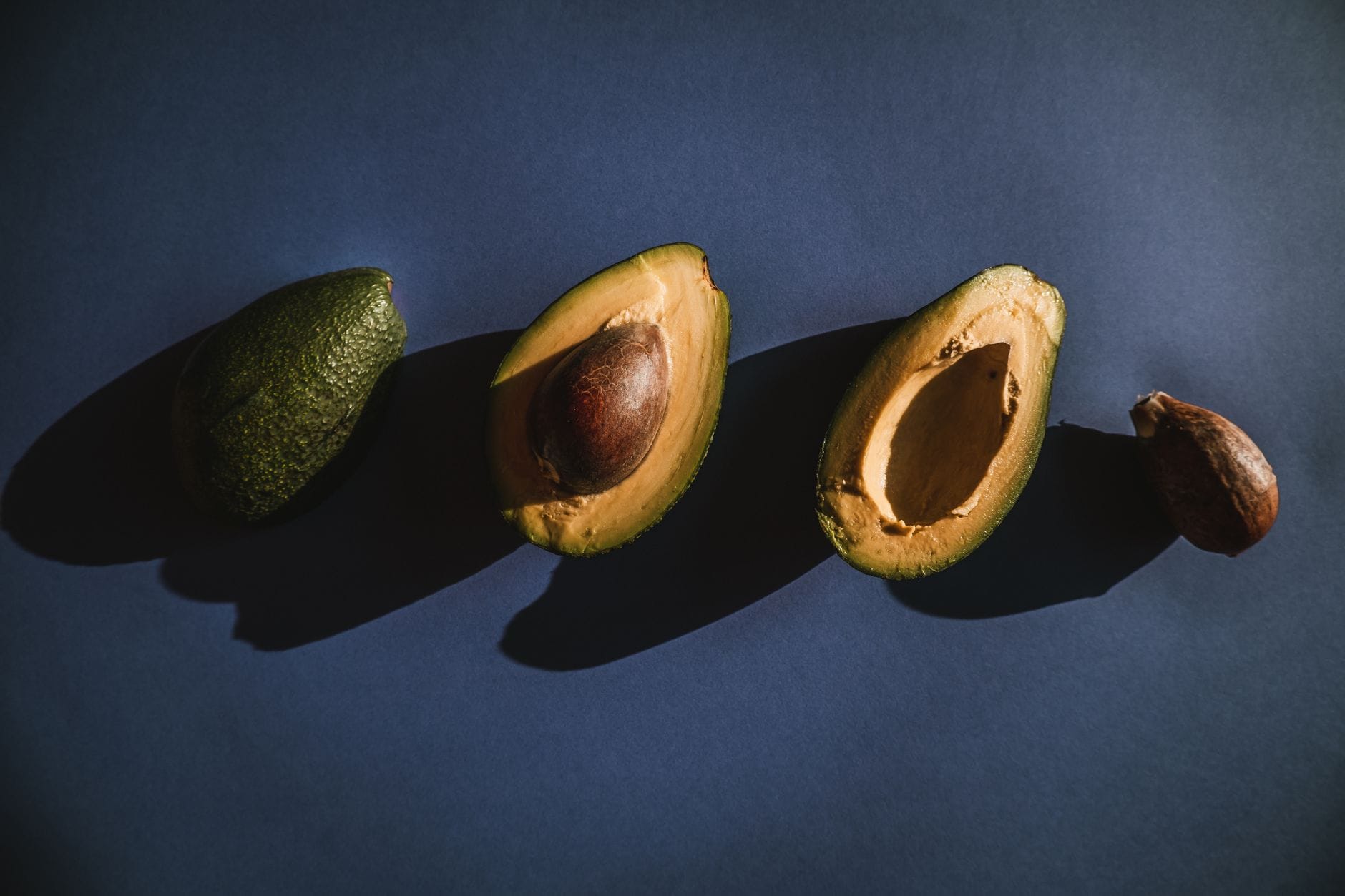
SaveA review reported that an alkaline-style diet may lower the risk of hypertension and stroke. The likely reason is refreshingly simple: people eating this way tend to load up on fruits and vegetables, which are good for your cardiovascular system on their own.
May Aid Weight Loss
By steering you away from processed foods, dairy, and calorie-dense options, the diet naturally trims overall calorie intake. Its emphasis on fiber-rich produce helps, too — one study found the weight-loss group ate notably more servings of fruits, vegetables, and beans.
May Help Preserve Muscle
Research on dietary acid-base load suggests an alkaline approach may help protect against muscle loss in healthy women. Protein remains essential for maintaining muscle, but the potassium and magnesium in fruits and vegetables may lend a hand.
Foods to Eat and Avoid
 Save
SaveThe diet sorts foods into two camps.
Alkaline-forming (enjoy freely):
Most fruits
Vegetables of all colors
Nuts and seeds
Acid-forming (limit):
Meat and poultry
Dairy
Grains
Processed and packaged foods
You don’t have to abandon acid-forming foods entirely — knowing which is which simply helps you tilt your plate toward more plants.
A Simple Sample Day
 Save
SaveBreakfast: a fruit-and-greens smoothie
Lunch: a big vegetable salad with seeds
Dinner: roasted vegetables with a plant-based protein
Snacks: fresh fruit, a handful of almonds, or vegetable sticks
Treat it as a flexible template, not a rulebook.
Side Effects to Keep in Mind
The biggest concern is what the diet leaves out. By restricting meat, dairy, and grains, it can run low on protein, vitamin B12, calcium, and zinc — nutrients that matter for energy, blood, bones, and immunity. Certain groups should be especially cautious or avoid it altogether: children, pregnant or breastfeeding women, and anyone managing a condition like diabetes.
Frequently Asked Questions
Can food actually change my blood’s pH?
No. Your body keeps blood pH within a very tight range on its own. Diet can alter your urine pH, but that’s a sign your kidneys are doing their job — not that your blood chemistry has shifted.
So is the alkaline diet worthless?
Not at all. Its focus on produce and fewer processed foods is genuinely healthy. The benefits are real; they just come from good nutrition, not from “alkalizing” your body.
How long should I follow it?
It can work short-term as a produce-focused reset or long-term as a lifestyle. Either way, plan for adequate protein and B12, and loop in a dietitian.
The Bottom Line
Strip away the pH marketing and the alkaline diet is, at heart, a plant-forward, whole-foods way of eating — and that’s why people often feel better on it. The science does not back the claim that food rebalances your blood or single-handedly prevents disease, but the emphasis on fruits, vegetables, nuts, and seeds is legitimately good for your heart, kidneys, and waistline. Just mind the potential gaps in protein and key vitamins, and talk to a healthcare professional before making it your long-term plan.
This article is for informational purposes only and is not a substitute for professional medical advice. Always consult a qualified healthcare provider or registered dietitian before making significant changes to your diet, especially if you are pregnant, breastfeeding, or managing a health condition.