
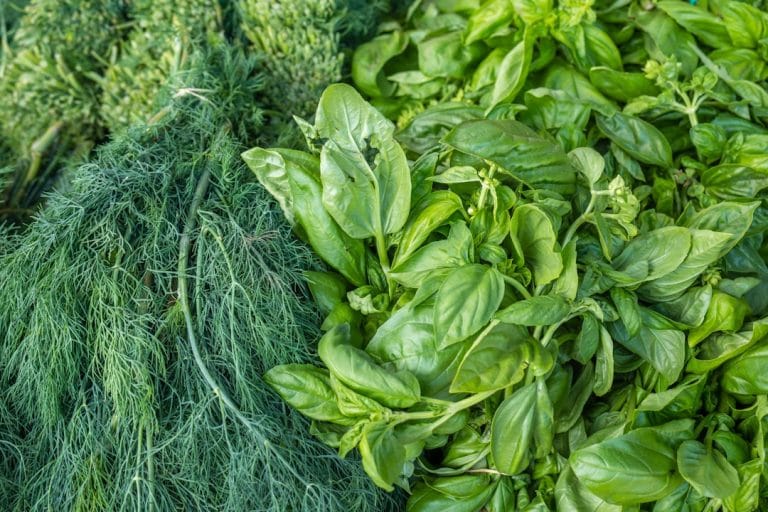
A gentle French herb with a quiet anise note and a surprisingly long list of traditional uses.
Chervil rarely gets top billing in the spice rack, which is a shame. This soft, feathery green is one of the classic fines herbes of French cooking, sitting alongside parsley, chives, and tarragon, and it carries a faint whisper of anise and licorice that lifts mild dishes without shouting over them. Cooks have prized it for centuries, and herbalists have leaned on it even longer.
Beyond flavor, chervil brings antioxidants, a bit of fiber, and a handful of minerals to the table. The evidence for its health effects is a mix of traditional use and early research, so it’s worth knowing what the herb can plausibly do and where the claims outrun the science.
Key Takeaways
– Chervil is an aromatic herb in the Apiaceae family, sometimes called French parsley for its resemblance to its better-known cousin.
– It supplies antioxidants like flavonoids, phenolic compounds, and vitamin C, plus dietary fiber that supports digestion.
– Traditional and early research uses include easing congestion, calming inflammation, and reducing premenstrual fluid retention.
– Its flavor is delicate and fades with heat or drying, so it’s best added fresh and late.
– Rare side effects include throat itching and digestive upset, and it should be avoided in pregnancy.
What Chervil Actually Is
Garden chervil (Anthriscus cerefolium) is a leafy annual with dainty white flowers and lacy, almost fern-like foliage. It grows widely across Europe and parts of Asia, where the leaves, stems, roots, and seeds all find their way into the kitchen. Fresh, dried, or preserved, the leaves turn up in pesto-style pastes and light herb blends.
You’ll sometimes see it labeled French parsley, and the two really do look alike because they share a family (Apiaceae, also called Umbelliferae). The difference is intensity. Chervil is softer and more perfumed than parsley, which is part of why it stays in a supporting role rather than the spotlight.
There are four varieties worth naming: garden chervil, root chervil (the turnip-rooted type), wild chervil (Anthriscus sylvestris), and bur chervil (Anthriscus caucalis). Garden chervil is the one you’ll cook with. The herb’s history runs deep enough that its leaves were once called “Myrrhis,” because the oil pressed from them smelled like the biblical resin myrrh.
A Look at Its Nutrition
Dried chervil is surprisingly dense in nutrients for something you use by the pinch. Flavonoids are the standout compounds, and the herb also carries a small amount of essential oil (roughly 0.3% in the fresh leaves and closer to 0.9% in the seeds). That oil holds constituents such as methyl chavicol (estragole) and hendecane.
On the mineral side, chervil offers iron and zinc, and its leaves contribute vitamin C and dietary fiber. None of this makes it a meal, but as a finishing herb it quietly adds more than flavor.
What the Herb May Do for You
Most of chervil’s reputation traces back to its antioxidant content and its long record in folk medicine. Here’s how those threads hold up.
Antioxidant support
The phenolic compounds, flavonoids, and vitamin C in chervil act as antioxidants, helping to blunt oxidative stress and mop up free radicals. That activity is linked to healthier skin and organ function, and it’s part of why the herb has been associated with slowing visible signs of aging like fine lines.
Fighting microbes and easing congestion
Chervil contains bioactive compounds shown to inhibit certain bacteria (Staphylococcus aureus) and fungi (Candida albicans), both of which can be involved in respiratory infection. That antimicrobial streak is one reason traditional medicine reached for it during illness. The herb also works as an expectorant, meaning it encourages mucus secretion so the airways can clear more easily through coughing.
Digestion and circulation
Because it carries dietary fiber, chervil can support regularity, improving stool frequency and shortening the time food spends in transit. It has also been used as a mild diuretic, helping the body shed excess fluid and salt, which may take the edge off premenstrual bloating. Paired with herbal teas, chervil has traditionally been thought to aid circulation, and its iron and zinc content ties into that as well. Reports of anti-hypertensive and blood-purifying effects exist, though this part is less settled and rests mostly on traditional use.
May Boost Skin Health
 Save
SaveChervil turns up in old remedies for inflammatory skin conditions, from eczema and psoriasis to acne. Fresh leaf infusions were used as cleansers and lotions, and the juice was applied to fade blemishes or help wounds and scars heal. Taken internally, chervil juice was believed to improve skin from the inside. These are gentle, traditional uses rather than clinically proven treatments, so treat them as folk wisdom worth a cautious try, not medicine.
How to Use Chervil at Home
 Save
SaveThe golden rule with chervil is restraint with heat. Its flavor is fragile and easily lost when the herb is dried or cooked hard, so add it fresh and near the end.
Infused vinegar. Steep sprigs in white wine vinegar to hold the flavor for weeks. It’s a low-calorie way to brighten a dish.
Garnish. Scatter whole sprigs or torn leaves over creamy soups, butter sauces, scrambled eggs, and omelets.
Seasoning. Use it in the classic fines herbes blend, or on its own to lift mild dishes.
Sauces and butter. Fold it into light sauces, soft cheeses, mixed-herb pesto, or a compound herb butter you can melt over vegetables, pasta, fish, or warm bread.
If you can’t find chervil, tarragon or a little parsley with a pinch of fennel or anise seed will get you close.
A Few Cautions Before You Sprinkle
Chervil is safe for most people in normal culinary amounts, and it’s fine to enjoy daily. Still, a few cautions apply. In rare cases it can trigger allergic reactions, with symptoms like throat itching, a change in voice, swelling of the uvula, or diarrhea. Anyone who is pregnant or trying to conceive should skip it.
Frequently Asked Questions
Is chervil the same as parsley?
No, though they’re close relatives in the same plant family and look alike. Chervil is milder, more perfumed, and carries a faint anise note that flat-leaf parsley lacks.
Can I use dried chervil instead of fresh?
You can, but expect a weaker result. Chervil’s delicate aroma fades with drying and heat, so fresh leaves added at the end of cooking give you far more flavor.
How often is it safe to eat chervil?
For most people it’s fine as a daily culinary herb. Keep to reasonable amounts rather than large medicinal doses, and avoid it during pregnancy.
The Bottom Line
Chervil is a small pleasure with a long history. As a flavor, it lifts eggs, soups, and light sauces with a soft anise lilt that never overwhelms. As a wellness ingredient, it offers real antioxidants and fiber, plus a folk record of easing congestion, inflammation, and premenstrual bloating. Much of that traditional use hasn’t been confirmed in rigorous trials, so enjoy chervil first for the way it makes food taste, and treat its gentler health claims as a nice bonus rather than a prescription.
This article is for informational purposes only and is not a substitute for professional medical advice. Talk with a qualified healthcare provider before using chervil or any herb to treat a health condition, especially if you are pregnant, nursing, or taking medication.