
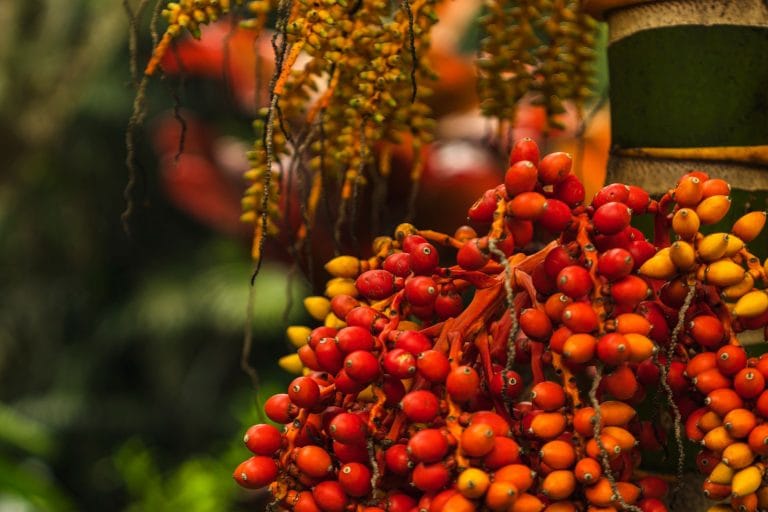
A cherry-sized yellow fruit with a divisive smell and a surprisingly generous nutrient profile.
If you have wandered through a market in Mexico, Costa Rica, or Belize, you may have passed a basket of small golden berries giving off a scent people struggle to name. That is nance. It is sweet, a little pungent, sometimes faintly sour, and it has been folded into jams, drinks, and folk remedies across Central and Latin America for generations. Only recently has it started showing up in fancier kitchens as a novelty ingredient.
What makes nance worth a closer look is not its looks or its odor. It is the mix of vitamin C, fiber, carotenoids, and minerals packed into each little fruit. Here is what that combination may do for your body, and how to actually get some into your diet.
Key Takeaways
– Nance (Byrsonima crassifolia) is a cherry-sized yellow or red berry native to Central and Latin America and the Caribbean, known for its unusual, almost soapy scent.
– It delivers a solid dose of vitamin C and dietary fiber, along with carotenoids and minerals.
– Its nutrients are linked to better gut health, heart support, skin protection, and a possible role in lowering cancer and lead-related oxidative stress.
– One cup a day is a reasonable serving for most people.
– Skip it if you react to acerola cherries, since a cross-sensitivity is possible.
What Exactly Is Nance
Nance grows wild on a flowering shrub that turns up in backyards, open forests, and savannas. Depending on where you are, you might hear it called nanche, hogberry, or yaca. Each berry hides a large pit holding one to three seeds inside a whitish, creamy, slightly oily pulp. The yellow version is most common, but a red variety, often called guajacote, shows up in parts of Mexico and Costa Rica.
The taste splits people. Some find it pleasantly sweet, others catch a bitterness or an acidic edge, and the smell is its own conversation. One blogger described it as reminiscent of old fruitcake heavy on the cloves and allspice. That polarizing quality is part of the charm, and it is why nance has traditionally gone into fermented drinks like Crema de Nance and chicha rather than being eaten plain by everyone.
What’s Inside a Handful of Nance
You can eat nance raw or cook it down, and either way the nutrition holds up. The fruit is loaded with vitamin C and dietary fiber, and it carries carotenoids like lutein, alpha-carotene, and beta-carotene along with useful minerals. That profile is the engine behind most of its reported benefits. Like other deeply pigmented tropical fruits such as the purple-skinned mangosteen, a lot of nance’s value comes from those plant pigments working alongside the vitamins.
Five Reasons Nance Earns a Place in Your Bowl
A Friend to Your Gut
 Save
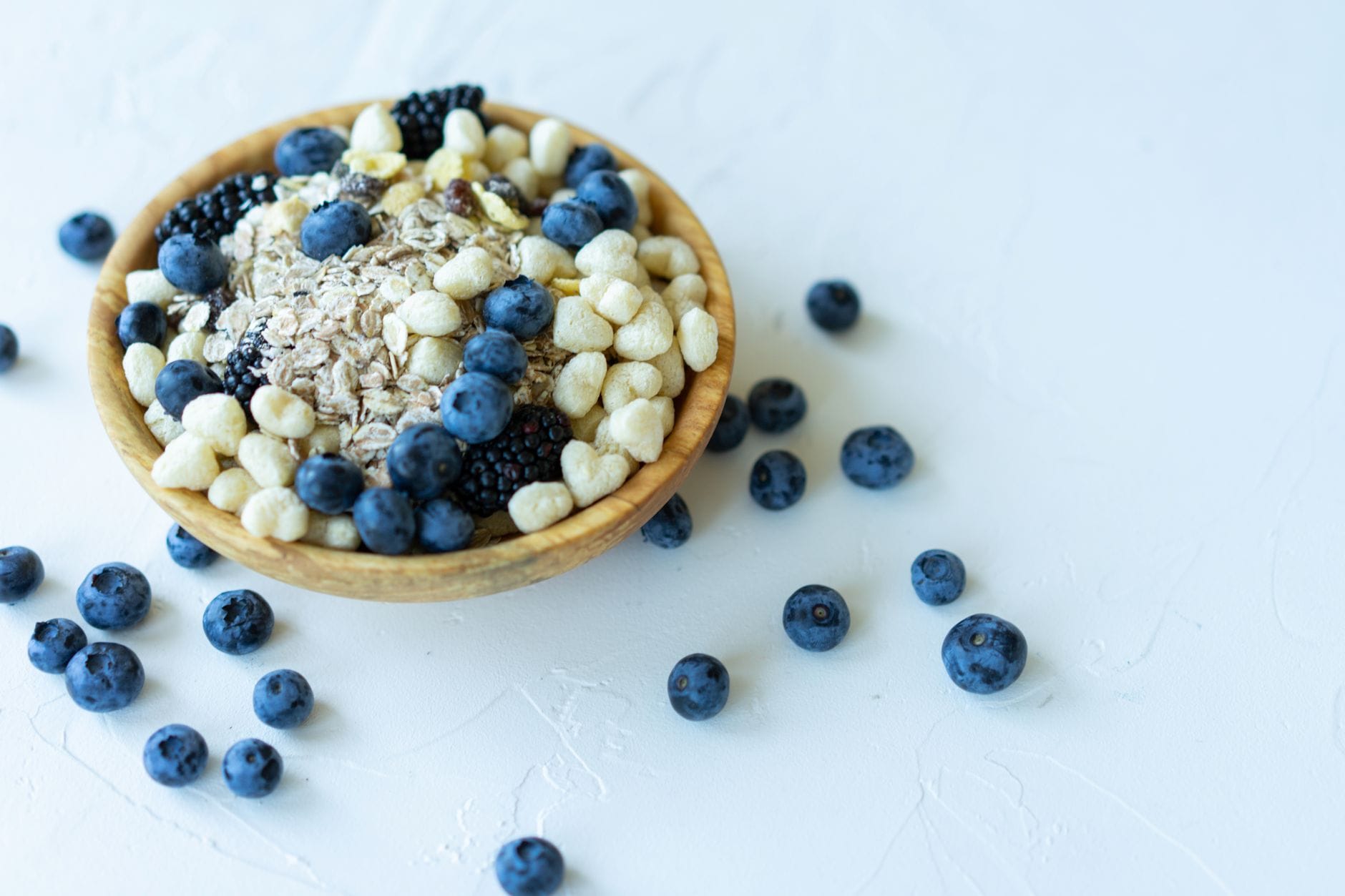
SaveHalf a cup of nance offers about 4 grams of fiber, roughly 16 percent of the daily value on a 2,000-calorie diet. Fiber is food for the friendly bacteria living in your intestines, and a well-fed microbiome tends to run smoother. Diets rich in fruit fiber are associated with easier digestion and a lower risk of several gut conditions, and fiber may ease symptoms tied to irritable bowel syndrome, Crohn’s disease, ulcerative colitis, and stubborn constipation. It is a small fruit doing quiet, steady work.
Skin That Holds Up Better
 Save
SaveA cup of nance can cover much of your day’s vitamin C, and vitamin C is closely linked to collagen production and to defending skin against UV damage. That helps skin stay firmer and more resilient over time. Nance also supplies vitamin E, a favorite of the cosmetics world, which stabilizes the skin barrier and calms inflammation. The pairing of vitamins C and E has been studied for reducing skin damage and helping healthy skin regenerate. The research on those vitamins is strong; the research on nance specifically is still thin, so treat the skin angle as promising rather than proven. If you like fruits that pull double duty for skin, the vitamin-rich flesh of cantaloupe works on a similar principle.
Support for Your Heart
 Save
SaveThe same fiber that helps your gut may also nudge your cardiovascular numbers in the right direction. Soluble fiber can interfere with how cholesterol is absorbed, which helps lower LDL, the type most associated with high blood pressure and stroke risk. Fiber is also linked to steadier blood pressure and triglyceride levels. One large study even found that eating at least 25 grams of white-fleshed fruit was tied to a 9 percent lower risk of stroke, and nance fits neatly into that white-fleshed group.
A Buffer Against Lead
This one is narrower but interesting. Lead accumulation drives up oxidative stress and throws off normal body functions. In a study of battery workers with high blood lead levels, vitamin C supplementation lowered oxidative stress and raised antioxidant status. Vitamin C did not pull the lead out of their blood, but it softened some of the damage that lead causes. The vitamin C in nance could plausibly play a similar supporting role.
A Possible Edge Against Cancer
Vitamin C intake has been linked to a reduced risk of cancers of the lung, mouth, stomach, throat, rectum, and esophagus, and in one study terminal patients given supplemental vitamin C reported better quality of life and longer survival. Fiber, meanwhile, is associated with lower risk of colon and other gastrointestinal cancers. Nance has not been tested on its own as an anti-cancer food, so nobody can make claims about the fruit specifically. Its selenium, lutein, and carotenes are the kind of compounds researchers watch for protective potential, which is enough reason to keep it in a varied diet without overselling it.
How to Eat Nance
 Save
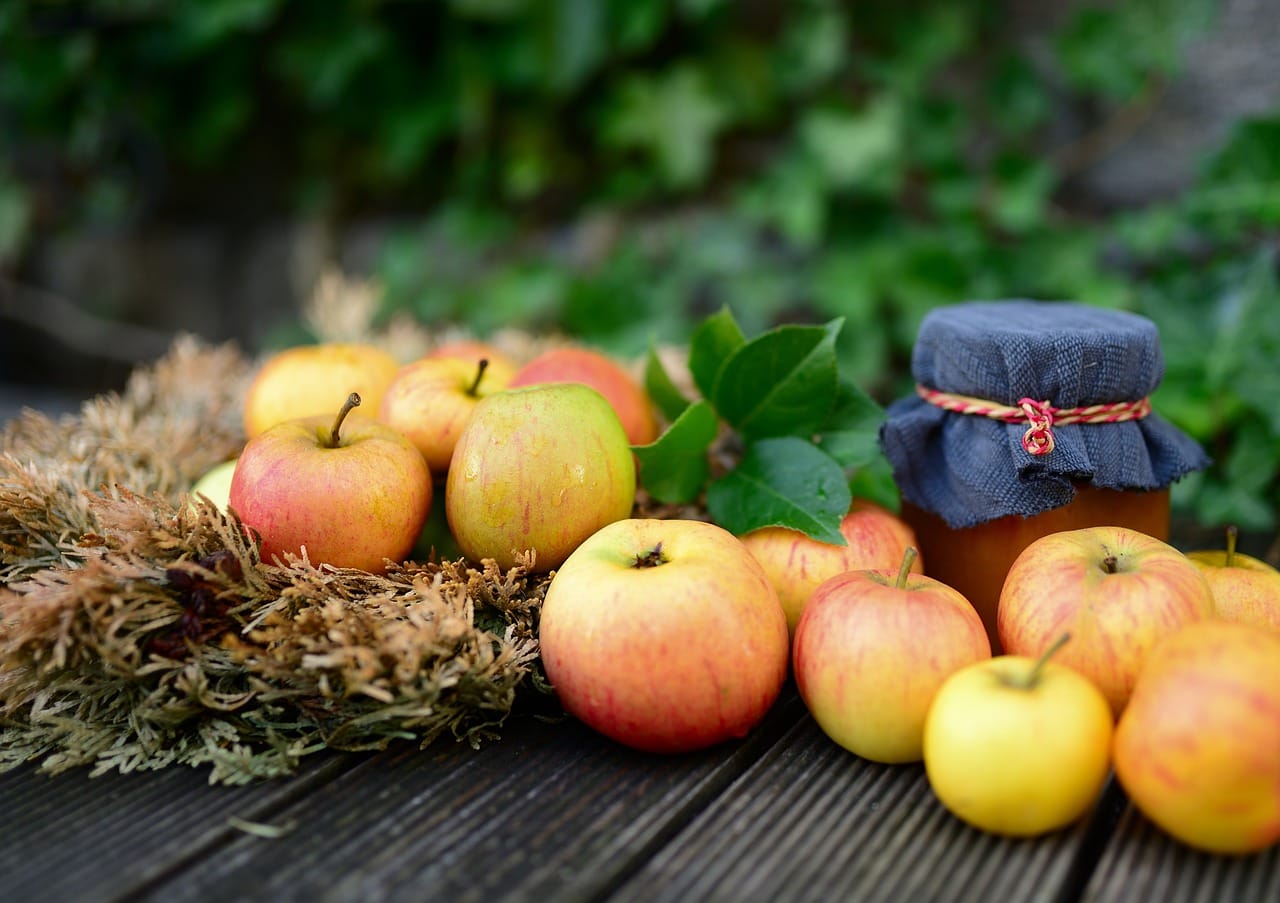
SaveIf you live where nance grows, fresh fruit turns up in local markets and you can eat it straight, pit and all set aside. Everywhere else, you are more likely to find it preserved. It shines in jams and fruit preserves, blended into aguas frescas and other beverages, frozen into popsicles, or simmered into desserts. Cooks in the region also drop it into savory dishes, where its tang plays against richer flavors. Because the flavor is bold, a little goes a long way, much like how a small amount of an intense fruit such as the pea-sized turkey berry can carry a whole dish.
Frequently Asked Questions
Is nance safe to eat every day?
For most people, yes. Around one cup daily is a sensible serving that delivers meaningful fiber and vitamin C without going overboard.
Who should avoid nance?
Anyone allergic to acerola cherries should steer clear, since a cross-reaction is possible. As with any new fruit, start small if you have a sensitive stomach or a history of food allergies.
Why does nance smell so strange?
The aroma comes from the fruit’s natural aromatic compounds, and people describe it very differently, from soapy to overripe fruitcake. The smell is stronger than the taste, so cooking or blending it often mellows the impression.
The Bottom Line
Nance is a small fruit with an outsized nutritional resume. Its fiber supports digestion and may help your heart, its vitamin C and vitamin E look after your skin and buffer oxidative stress, and its carotenoids add to the case for eating a colorful diet. Just remember that most of the strongest evidence is about the individual nutrients rather than nance itself, so enjoy it as one flavorful, nutrient-dense option among many rather than a cure for anything. If you can find it and get past the smell, it is a worthy addition to your bowl.
This article is for informational purposes only and is not a substitute for professional medical advice. Talk to a qualified healthcare provider before making significant changes to your diet, especially if you have a health condition or a known food allergy.