

A juicy, low-calorie way to stay hydrated while feeding your immune system, heart, eyes, skin, and hair.
Few fruits feel as right in hot weather as a ripe cantaloupe. Also called muskmelon, rock melon, or Persian melon, this orange-fleshed fruit is roughly 90 percent water, which makes it one of the easiest ways to rehydrate on a warm day. A cup of the cubed fruit carries only about 60 calories.
The appeal goes beyond the water content, though. Cantaloupe supplies vitamin C, pro-vitamin A (beta-carotene), potassium, and fiber, a combination linked to benefits ranging from steadier blood pressure to healthier eyes and skin.
Key Takeaways
– Cantaloupe is about 90 percent water and only around 60 calories per cup, making it a smart hydrating snack.
– Its vitamin C and vitamin A content supports the immune system and helps counter free radical damage.
– Potassium in the fruit helps regulate blood pressure and supports heart health.
– The same antioxidants that protect the body also benefit skin, and the fruit is used in simple hair treatments.
– Stick to about a cup a day; eating too much can cause diarrhea or stomach cramps.
What Is Cantaloupe, Anyway?
Cantaloupe (Cucumis melo var. cantalupensis) belongs to the Cucurbitaceae family, the same group that gives us cucumbers, pumpkins, and squash. It grows on a trailing vine, and its flesh ranges from pale yellow to a deep salmon-orange, with a hollow center full of small off-white seeds. Ripe fruit has a soft, juicy texture and that unmistakable musky-sweet aroma.
Two varieties dominate in Western countries. The North American type has netted, web-like skin, which is where its botanical name reticulatus comes from. The European type, named after the Italian village of Cantalup, has lightly ribbed pale green skin instead; Galia and charentais melons fall into this group.
Cantaloupe is also an alkaline fruit, and eating it may help relieve acidity while supporting digestion.
The Health Benefits Worth Knowing
 Save
SaveImmune support
Cantaloupe delivers both vitamin C and vitamin A, nutrients that help stimulate white blood cells, the body’s front-line defense against infection. Vitamin C also works as an antioxidant, neutralizing the free radicals that damage cells over time.
A friend to your heart
Potassium is the standout here. It helps control blood pressure and blunts the harmful effects of excess sodium, both of which matter for long-term cardiovascular health. Cantaloupe also contains adenosine, a compound with blood-thinning properties that may discourage clot formation, while its vitamin C helps protect against the hardening of arteries and its folate is associated with a lower risk of heart attack.
Eyes, stress, and more
The beta-carotene that gives cantaloupe its orange color converts to vitamin A in the body, a nutrient tied to healthy vision and a reduced risk of cataracts. Research suggests that regularly eating vitamin-rich foods may cut cataract risk substantially.
Feeling frazzled seems like an odd thing for a melon to fix, but there is some logic to it. Potassium helps normalize heartbeat and improve oxygen flow to the brain, and the fruit contains superoxide dismutase, an enzyme that counters oxidative stress and helps relax the nervous system.
Antioxidants like vitamin C and beta-carotene are also studied for their role in protecting cells from the free radical damage linked to cancer development. This area is promising but far from settled, so treat cantaloupe as one piece of a varied diet rather than a shield.
Digestion and weight
With plenty of water and dietary fiber, cantaloupe keeps things moving through the digestive tract and helps you feel full without many calories. That combination makes it a genuinely useful snack if you are trying to manage your weight.
What Cantaloupe Does for Your Skin
 Save
SaveHydrated skin starts from the inside, and a water-rich fruit with potassium does its part there. Cantaloupe is also linked to skin regeneration, helping the surface renew itself, while vitamin C contributes to the fight against free radicals that drive premature aging, fine lines included.
Traditional use goes a step further: cantaloupe has been applied in the management of eczema and other skin complaints. Evidence here is thinner than for its nutritional benefits, but as a gentle, hydrating food it certainly does your skin no harm.
Can It Help Your Hair?
 Save
SaveEating cantaloupe regularly is said to help combat hair loss. Some people take it a step further and mash the ripe flesh into a quick natural conditioner, applying it to hair for a few minutes before rinsing. It leaves strands soft and lightly scented, and it costs almost nothing to try.
Choosing, Storing, and Enjoying It
 Save
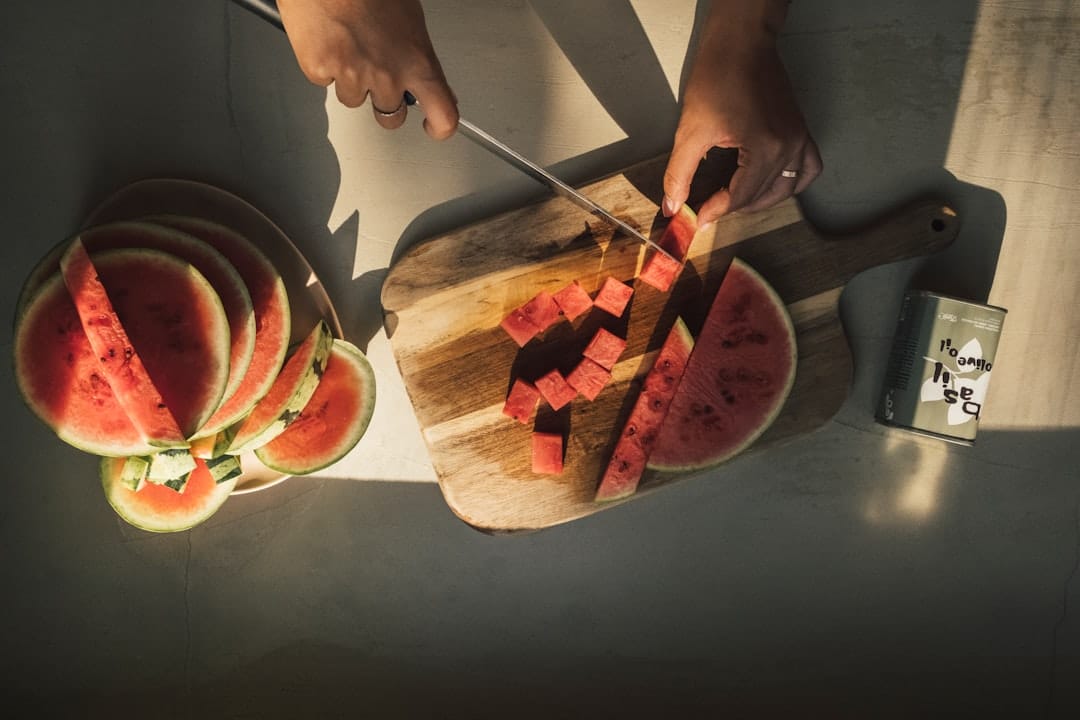
SaveCantaloupe season runs roughly April through August, and ripeness makes all the difference. A ready-to-eat melon smells sweet and musky. Eat it fresh in wedges, blend it into smoothies, or toss it into salads; even the seeds have a history of medicinal use in traditional systems.
A Word of Caution
Moderation matters. About one cup a day is a sensible amount for most people. Eating far more than that can trigger diarrhea and stomach cramps, and people with bowel issues or kidney disease should avoid the fruit or check with their doctor first.
Frequently Asked Questions
How much cantaloupe can I eat per day?
One cup of cubed cantaloupe daily is a reasonable serving for most healthy adults. It provides hydration, vitamins, and fiber for only about 60 calories.
Is cantaloupe safe for everyone?
Most people can enjoy it freely. Those with bowel conditions or kidney disease should be cautious, and anyone eating large amounts may experience digestive upset such as cramps or diarrhea.
What is the difference between cantaloupe and muskmelon?
They are the same fruit under different names. You may also hear it called rock melon, sweet melon, or Persian melon depending on where you live.
The Bottom Line
Cantaloupe earns its place in a summer diet on hydration alone, but the vitamin C, beta-carotene, potassium, and fiber packed into those orange cubes do quiet work for your immune system, heart, eyes, skin, and hair. Pick a fragrant, ripe melon, keep portions to about a cup a day, and enjoy it fresh, blended, or in a salad.
This article is for informational purposes only and is not a substitute for professional medical advice, diagnosis, or treatment. Always consult a qualified healthcare provider before making changes to your diet, especially if you have an existing health condition.