
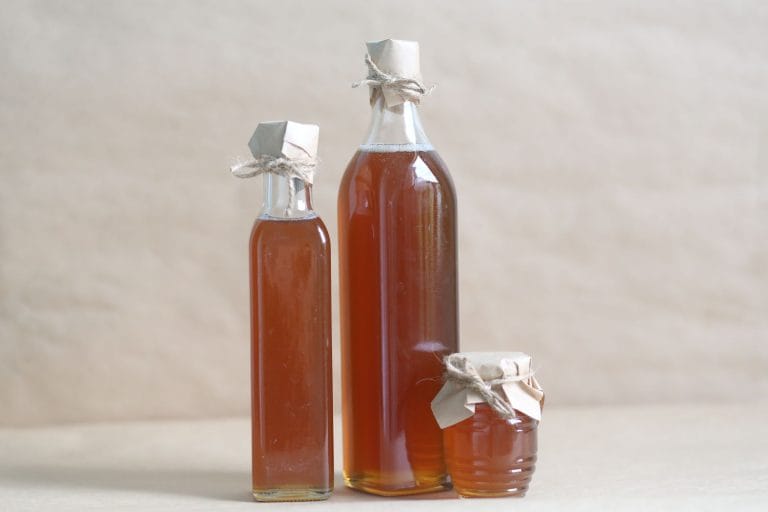
Two golden pantry staples, one common question: which deserves the spot next to your morning plate?
More people are keeping an eye on how much sugar lands in their coffee, oatmeal, and weekend pancakes. That habit tends to lead straight to two familiar jars. Maple syrup and honey both look the part of a “better” sweetener, and both have long histories behind them. They are not interchangeable, though, and the small differences add up depending on what you want out of them.
Honey has been prized for a very long time. Ancient Greeks and Ayurvedic healers reached for it to dress wounds and settle digestive complaints, and Egyptians used it on infected wounds and in embalming. Modern medicine hasn’t fully adopted it as a remedy, but a growing pile of research keeps circling back to some of those old uses.
Key Takeaways
– Honey is made by bees from flower nectar; maple syrup is boiled-down sap tapped from maple trees.
– Honey carries vitamins B3, B5, and C plus iron and copper, while maple syrup leans toward potassium, calcium, magnesium, and zinc.
– Per 100 grams, honey runs about 304 kcal and maple syrup about 260 kcal.
– Honey has research behind it for cough relief, cholesterol, and wound care.
– Maple syrup shows early promise in cancer-cell and liver research, workout performance, and antibacterial support.
Two Sweeteners, Two Very Different Origins
They share a color and a sticky pour, but almost nothing else about how they come to be.
Where honey comes from
Bees gather nectar from flowers, tuck it into the honeycomb, and fan it steadily with their wings. That constant fanning drives off moisture until the nectar thickens into the golden liquid we scoop out of the hive. Because the flowers vary, so does the honey. A single-source honey tastes and even performs differently from a wildflower blend.
How maple syrup is made
 Save
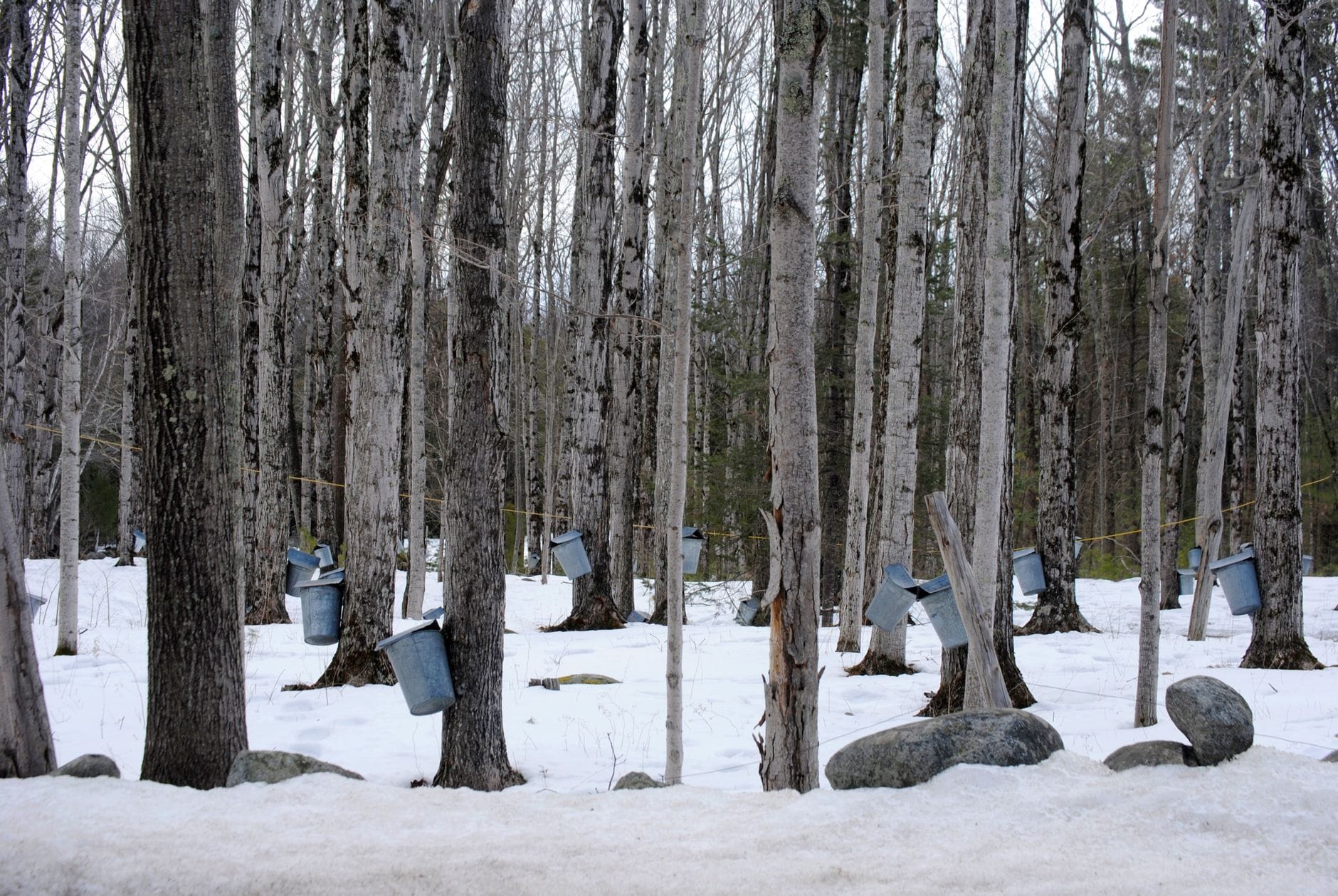
SaveMaple syrup starts as a thin, milky sap that the tree pushes up in spring. Producers drill taps into the trunk, collect the sap in tanks, then boil it down for hours until it condenses into the dark, rich syrup that belongs on a stack of pancakes. It takes a lot of sap to make a little syrup, which is part of why the good stuff isn’t cheap.
What the Nutrition Labels Actually Show
USDA data puts both firmly in the “energy and carbohydrate” camp, so neither is a free pass. The interesting part is what sets them apart. Honey supplies vitamins B3, B5, and C, none of which maple syrup contains, along with minerals like phosphorus, iron, and copper.
Maple syrup counters with a different mineral mix: potassium, calcium, magnesium, and zinc, plus manganese. If you’re building those minerals into your day from whole foods too, a mineral-dense option like calcium-rich sesame seeds covers similar ground far more efficiently than any drizzle of syrup would.
On calories, maple syrup is slightly lighter at roughly 260 kcal per 100 grams versus honey’s 304. It’s a modest gap, and portion size matters more than the number itself. A tablespoon here or there is where the real decision lives, not the per-100-gram figure.
What Honey Brings to the Table
 Save
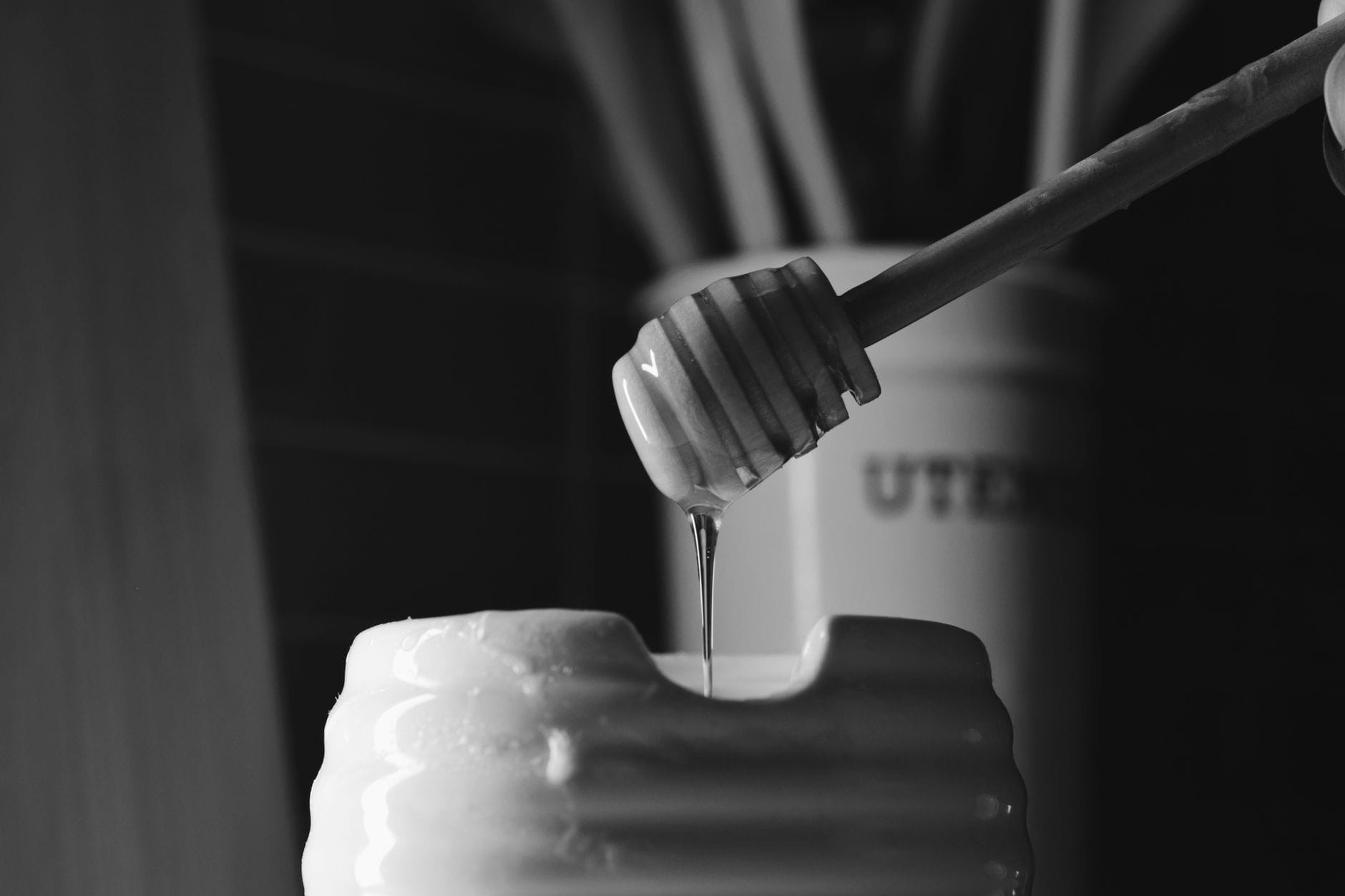
SaveHoney is the more heavily studied of the two, and a few uses have real evidence behind them.
Easing a cough
 Save
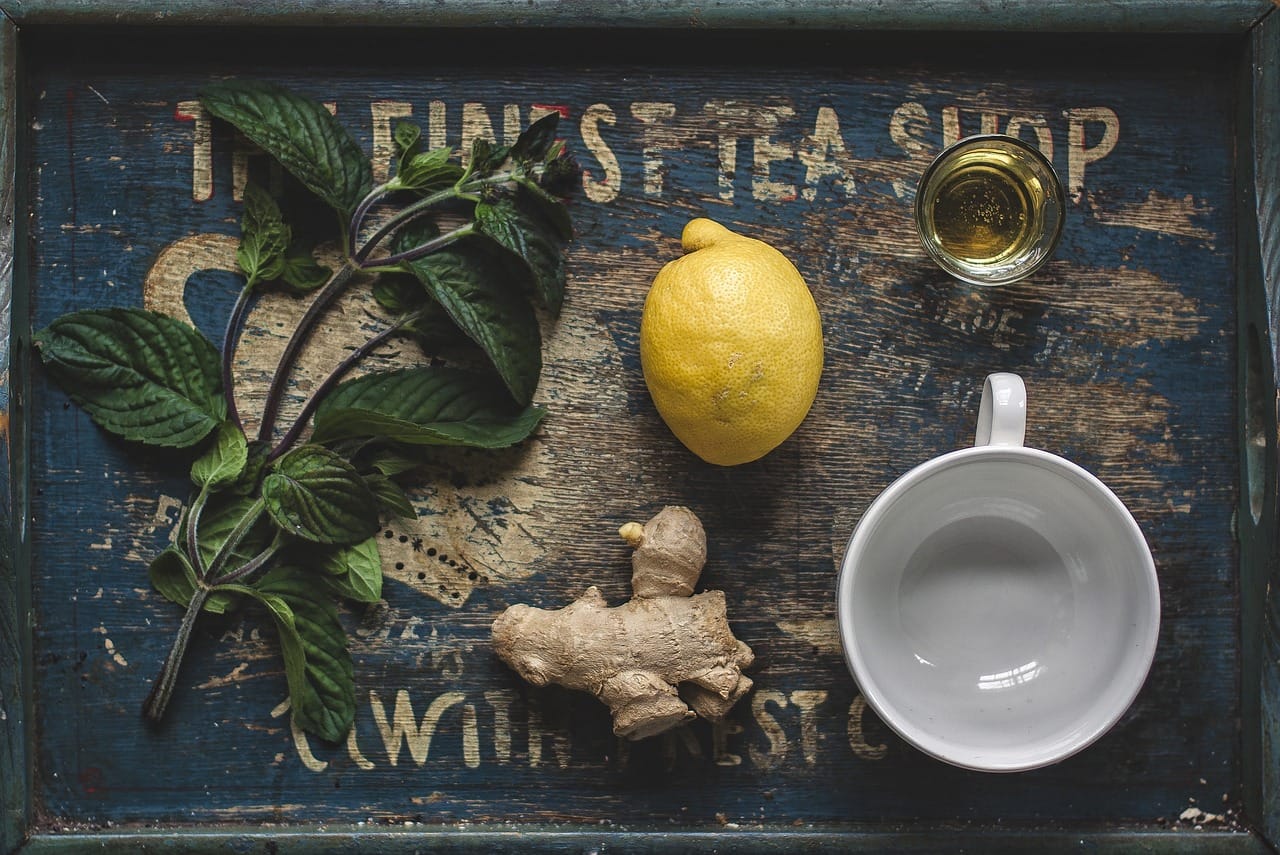
SaveThe tea-and-honey ritual for a cold turns out to be more than nostalgia. A study in Iran found honey helped calm coughs in children with upper respiratory infections, and the CDC lists honey as an option for cough in both children and adults. One caution worth repeating: honey should never be given to infants under one year old.
Cholesterol and heart health
The CDC estimates a large share of American adults carry high cholesterol. In a trial of people who were overweight or obese, honey lowered total cholesterol and other cardiovascular risk markers without adding weight. That’s a promising signal, though honey is still sugar and belongs in a balanced pattern, not a spoonful strategy.
Skin and wound care
Research points to honey as a genuine healing agent. Manuka honey has been studied for diabetic foot ulcers, reviews suggest it may help partial burns and post-surgical wounds, and kanuka honey eased psoriasis lesions in a New Zealand trial. Evidence is still building, but the topical tradition has legs. If skin is your focus, it pairs naturally with other soothing botanicals like licorice root, a sweet herb with a long skin history.
Where Maple Syrup Stands Out
 Save
SaveMaple syrup’s research is younger and mostly preclinical, but it’s intriguing. In lab work on human colorectal cancer cells, maple syrup slowed their growth and limited how they moved and invaded. A mouse study published in a Japanese biochemistry journal found maple syrup extract reduced liver inflammation in animals on a high-fat diet, though that still needs testing in people.
Athletes get a curious mention too. Researchers at the University of Montreal tested a concentrated maple sap sports drink and found that men who drank it reported lower perceived exertion, meaning their workout felt easier than the effort suggested. Canadian scientists have also studied maple syrup extract for enhancing antibiotic activity against microbes. Honey, for its part, carries antioxidants, in the same family of plant compounds you’d find in antioxidant-rich cacao.
So Which One Should You Reach For?
Honestly, it depends on the job. Honey has the deeper evidence file, especially for coughs, cholesterol, and skin. Maple syrup edges ahead on certain minerals and a slightly lower calorie count, and it’s the one to grab if you keep a vegan kitchen. Both are still added sugars, so the smartest move is picking the one you’ll enjoy in a small amount rather than treating either as health food.
Frequently Asked Questions
Is maple syrup safe for babies?
Unlike honey, maple syrup isn’t linked to the infant botulism risk, so it doesn’t carry the same under-one-year warning. Still, added sugars aren’t recommended for young infants, so check with your pediatrician.
Can I swap honey for maple syrup one-for-one in recipes?
Roughly, yes, though honey is a touch sweeter and denser. You may want slightly less honey and a small reduction in other liquids when substituting it for maple syrup.
Does either count as a “sugar-free” option?
No. Both are natural sources of sugar and calories. They offer trace nutrients white sugar lacks, but portion control still applies.
The Bottom Line
Maple syrup and honey both beat plain table sugar on the nutrient front, and each has its own quiet strengths. Honey leans medicinal, with the strongest evidence for coughs, cholesterol, and skin. Maple syrup offers a distinct mineral profile, a lighter calorie load, and a plant-based origin. Neither is a health tonic, so let taste, dietary needs, and moderation guide the jar you keep on the counter.
This article is for informational purposes only and is not a substitute for professional medical advice. Consult a qualified healthcare provider before making changes to your diet, especially if you have a medical condition or are managing blood sugar.