
The humble bean behind every chocolate bar may be one of nature’s most underrated superfoods.
We tend to credit chocolate for that little rush of joy, but the real hero is the bean it comes from. Cacao — the dried, fermented seed of the Theobroma cacao tree — is packed with plant compounds that do far more than flavor a dessert. From smoother skin to a healthier heart, its benefits have deep roots in both ancient tradition and modern research.
So what makes this bean so special, and are the wellness claims actually backed by science? Below, we unpack what cacao is, how it’s made, and the evidence-based reasons it deserves a spot in your pantry.
Key Takeaways
– Cacao is loaded with flavanols and antioxidants that support the health of your skin, hair, and nails.
– Its polyphenols help fight free-radical damage, softening the look of fine lines, wrinkles, and age spots.
– Cacao may benefit your heart, teeth, and weight while helping calm inflammation in the body.
– Choose high-quality, organic cacao without added sugar or fillers to get the most benefit.
Meet the Cacao Bean
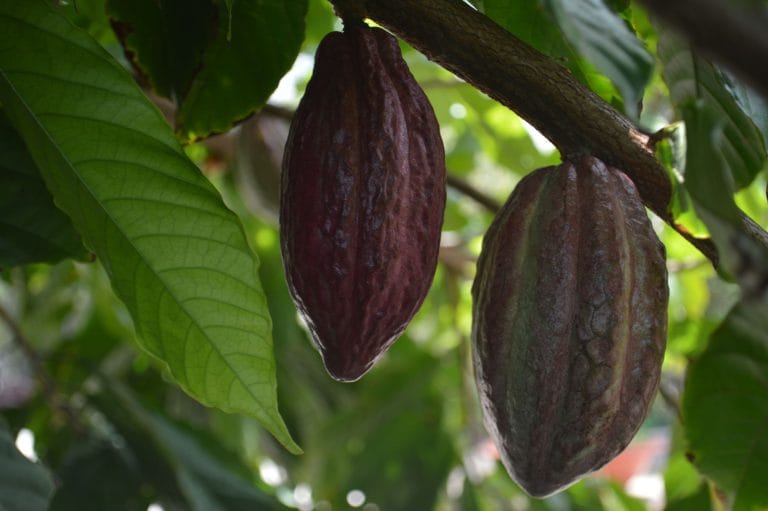
Cacao (Theobroma cacao) is a tropical tree native to the forests of Central America. Its ribbed, thick-skinned pods grow straight from the trunk and larger branches, and each one holds 35 to 50 almond-shaped seeds cushioned in sweet pulp.
These seeds carry serious history. Archaeologists have traced cacao use back to roughly 1900–1500 BC, and the Aztecs valued the beans so highly they used them as currency. Where the tree couldn’t grow, cacao was a luxury — often whipped into a frothy, refreshing drink in ancient Mexico.
Cacao vs. Cocoa: What’s the Difference?
The two words get swapped all the time, but they aren’t identical. The difference comes down to processing:
Fermentation: Seeds and pulp are heaped together so natural microbes can ferment the sugars.
Drying: The beans are dried in the sun or in wood-fired ovens, then shipped to processors.
Roasting and milling: The thin outer coat is removed, and the inner seed is roasted and ground into a rich paste called chocolate liquor.
Pressing: Most of the fat (cocoa butter) is pressed out, leaving the fine cocoa powder we know.
In short, cacao refers to the raw seeds, while cocoa is the more refined, often heat-processed powder. Chocolate itself is a blend of cocoa liquor, cocoa butter, and sugar — the higher the liquor content, the darker the bar. Dark chocolate contains at least 35% cocoa liquor, milk chocolate only 10–12%, and white “chocolate” contains no liquor at all.
What Makes Cacao So Good for You?
The magic is in the chemistry. Raw cacao nibs are rich in polyphenols, healthy fats, fiber, vitamins, and minerals. The standout compounds are flavanols — including epicatechin, catechin, quercetin, caffeic acid, and proanthocyanidins — which act as powerful antioxidants.
Cacao also delivers theobromine and caffeine, two stimulants with real physiological effects, plus generous amounts of magnesium, copper, potassium, and iron. Together, these nutrients explain why cacao is far more than a treat.
What Are the Benefits of Cacao?
1. Nurtures Radiant Skin
 Save
SaveCacao and its derivatives are rich in flavanols like epicatechin, catechin, and caffeic acid, along with theobromine. These compounds scavenge the free radicals your skin generates when exposed to UV and visible light. Dark chocolate has shown anti-aging, anti-inflammatory, and antioxidant effects, and research suggests it may reduce redness and skin cancer risk by around 25%. Applied topically, cocoa butter can also soften wrinkles, dark spots, blemishes, and breakouts.
2. Supports Fuller Hair
 Save
SaveMagnesium is essential for cell division, repair, and calming inflammation — all of which matter for the hair follicles. Consuming cacao or cocoa powder may encourage hair growth from the roots, an effect that appears especially helpful after menopause, while helping curb the inflammation that can disrupt healthy growth patterns.
3. Protects Your Teeth
It sounds backward, but the unsweetened forms of chocolate may be good for your smile. Research shows that unsweetened cocoa, dark chocolate, and chocolate liquor contain inhibitors of dextransucrase, the enzyme responsible for dental plaque. Cacao also has anticaries properties, limiting microbial growth on teeth and gums, and cocoa-rich diets have been linked to improvements in gingivitis and periodontitis.
4. Helps Manage Weight and Inflammation
In animal studies, a cocoa-rich diet led to weight loss and less obesity-related inflammation and triglyceride buildup. Cacao’s antioxidants lower levels of reactive oxygen species, easing inflammation in organs like the liver and blood vessels. In one human trial, eating 100 g of flavonoid-rich chocolate over two weeks cut total cholesterol by 7% and LDL by 12%. Cacao may even shift the activity of genes tied to obesity and inflammation.
5. Protects Your Heart
 Save
SaveCacao’s flavanols support healthy blood flow and blood vessel function, and its cholesterol-lowering effects make it a heart-friendly addition to a balanced diet. By reducing oxidative stress and inflammation in the vascular system, cacao may help lower the overall risk of cardiovascular disease.
How to Enjoy Cacao
 Save
SaveYou don’t have to eat chocolate bars to reap the rewards. Stir raw cacao powder into smoothies, oatmeal, or warm plant milk for a rich, mineral-packed drink. Sprinkle cacao nibs over yogurt or granola for crunch, or bake with unsweetened cocoa. When shopping, skip products loaded with sugar and additives — organic, minimally processed cacao gives you the most flavanols per bite.
Frequently Asked Questions
Is cacao the same as cocoa?
Not quite. Cacao usually refers to the raw or minimally processed seeds and nibs, while cocoa is the more refined, often heat-treated powder. Cacao tends to retain more of its natural antioxidants.
Can cacao cause any side effects?
For most people it’s safe, but those with existing gastrointestinal issues may notice digestive discomfort. Overdoing sweetened chocolate can also lead to tooth decay and unwanted weight gain, so moderation matters.
Who should avoid cacao?
Anyone with a cacao or chocolate allergy should steer clear. If you’re sensitive to caffeine, keep in mind that cacao naturally contains it.
The Bottom Line
Cacao is proof that something delicious can also be genuinely good for you. Rich in flavanols, minerals, and antioxidants, it offers support for your skin, hair, teeth, heart, and waistline — as long as you choose quality sources over sugary, heavily processed chocolate. Enjoyed mindfully, this ancient bean is a small, satisfying upgrade to a health-conscious lifestyle.
This article is for informational purposes only and is not a substitute for professional medical advice. Always consult a qualified healthcare provider before making changes to your diet, especially if you have an underlying health condition or allergy.