
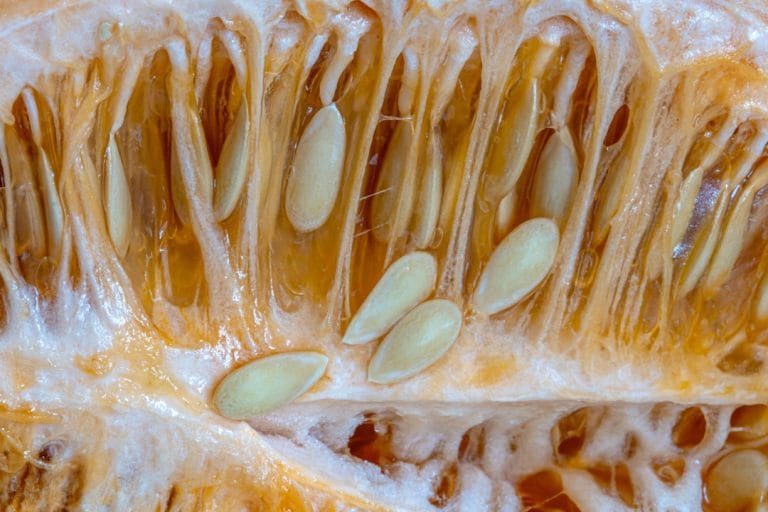
A closer look at the earthy red seed behind that golden glow in your cheese and rice.
If you have ever wondered why store-bought cheddar looks so vividly orange or why a bag of microwave popcorn glows yellow, the answer is often annatto. This natural pigment comes from the seeds of the achiote tree (Bixa orellana), a plant native to Central and South America. For anyone trying to move away from synthetic dyes, it offers a plant-based alternative with a long culinary history and a growing list of studied benefits.
Annatto is more than a coloring trick, though. The same carotenoids that tint your food carry antioxidant activity, and researchers have looked at the seed for everything from bone support to fighting bacteria. Here is what the evidence actually says, plus how to use it without overdoing it.
Key Takeaways
– Annatto is a natural orange-red colorant and condiment made from achiote tree seeds.
– It lends food a smoky, peppery, slightly bitter flavor with a faint floral note.
– Its carotenoids give it antioxidant, antimicrobial, and possible anti-cancer activity.
– Most people can use it safely in moderation, with roughly 600 mg a day suggested by some researchers.
– People managing diabetes should be cautious, since annatto may influence blood sugar.
Where Annatto Comes From
 Save
SaveThe achiote tree produces a heart-shaped, spiky brown fruit packed with small red seeds. Inside the seed sits a red flesh rich in pigment-yielding carotenoids, the compounds that do the coloring work. Indigenous peoples across the Americas have used this red dye for centuries, not only in food but in body paint, textiles, and ritual. Ancient Mayan writings were reportedly made with annatto juice, and the plant even picked up the nickname “the lipstick tree” for its role in cosmetics.
That heritage stretches into the modern kitchen. Today annatto turns up as powder, paste, liquid, and essential oil, showing up in cheeses, butter, margarine, smoked fish, and countless packaged snacks.
What Annatto Tastes Like
 Save
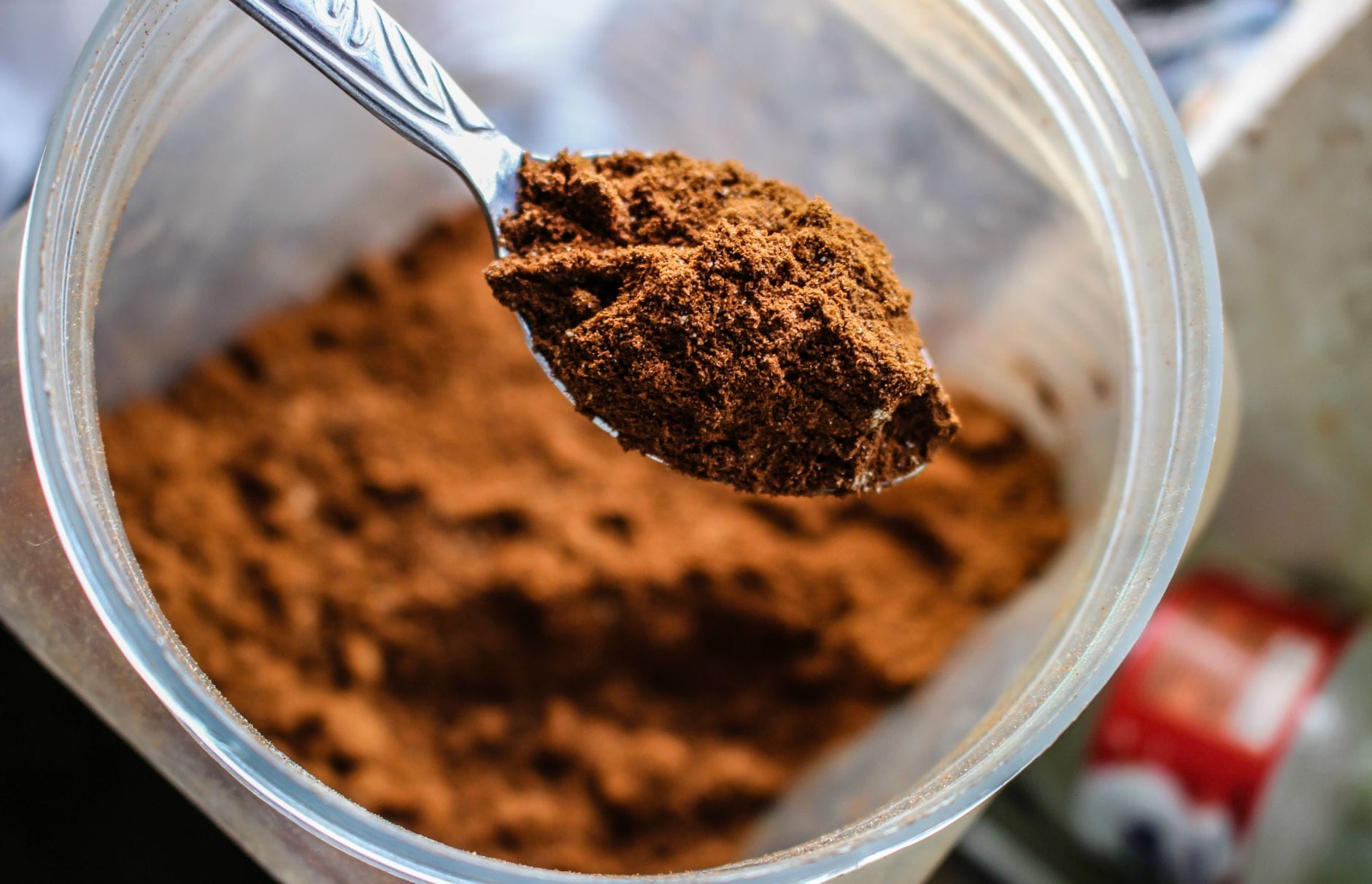
SaveOn its own, as a pure colorant, annatto is fairly neutral. Used as a condiment, it shifts toward earthy and peppery with a mild bitter edge, and it gives off a soft floral scent reminiscent of nutmeg. If you enjoy layering warm, aromatic spices in a dish, it plays a similar supporting role to the gentle nutmeg-like warmth of mace, rounding out marinades rather than dominating them.
The Many Ways Cooks Use Annatto
 Save
SaveIts headline job is color. Crushed seeds are soaked in water until a bright paste forms, and that paste gets stirred into soups, gravies, cheeses, cakes, and popcorn. Cooks around the world also reach for annatto as an affordable stand-in for saffron, since it delivers a golden hue at a fraction of the price. It is generally considered non-toxic and a safer bet than many artificial additives.
Beyond color, it works as a flavoring. Added early in cooking and blended with other herbs, it lends a smoky depth to marinades for fish, meat, and poultry. It is a signature ingredient in cochinita pibil, the slow-roasted Mexican pork dish. And its reach goes well past the plate: the dye is biodegradable and low in toxicity, so it also colors textiles, leather, lotions, shampoos, and even floor wax.
Make Your Own Achiote Oil
 Save
SaveThe simplest way to capture annatto at home is to steep the seeds in oil. Toast a quarter cup of seeds in a dry skillet until fragrant, then pour a cup of neutral oil such as grapeseed over them in a jar. Seal it and let it rest in a cool, dark spot for a day or up to a week, then strain out the seeds. The resulting achiote oil gives rice, stews, and paella a rich tint and a subtle earthy flavor. For a punchier marinade, grind toasted seeds into powder and whisk with orange juice, vinegar, olive oil, cumin, garlic powder, cloves, and a pinch of cayenne.
What the Research Says About Annatto
Traditional medicine has long turned to annatto for diabetes and skin complaints, and modern studies have started to explain why. The strongest thread running through the research is its antioxidant profile, but a few other findings are worth knowing.
Antioxidant activity
Annatto is loaded with carotenoids and other phytochemicals that neutralize free radicals, the unstable molecules produced during normal metabolism. Left unchecked, free radicals are linked to a higher risk of heart disease, cancer, diabetes, and brain disorders, so foods that supply antioxidants may help tip that balance. In this respect annatto keeps company with other pigment-rich botanicals, much like the flavanol-dense profile that makes cacao such a studied antioxidant source.
Fighting microbes
Extracts of annatto have been shown to slow the growth of bacteria such as Staphylococcus aureus and Clostridium perfringens. The seed also shows antifungal potential and may extend the shelf life of bread. In one storage test, pork patties treated with annatto powder resisted microbial contamination better after two weeks than untreated ones, hinting at a role as a natural preservative.
Possible cancer protection
Early laboratory work points to anti-carcinogenic activity in annatto’s compounds. This part is less settled, and the findings so far come from cell and animal studies rather than large human trials, so it is fair to file this under promising rather than proven.
Researchers have also connected the seed’s nutrients to bone strength, vision, and a lower risk of age-related heart problems, though again the human evidence is still thin.
Nutrition and Safety
Annatto contributes carotenoids along with trace nutrients, and because you typically use it in small amounts, it is more of a functional flavoring than a meaningful source of calories. It deserves a spot in the pantry the same way an unassuming jar of briny capers earns its keep in everyday cooking: a little goes a long way.
Moderation is the key word. There is no firmly established limit, but some researchers point to around 600 mg per day as reasonable. Annatto can affect blood sugar, so anyone with diabetes should use it sparingly and watch their levels. As with any concentrated botanical, it is smart to start small.
Frequently Asked Questions
Is annatto safe to eat every day?
For most people, culinary amounts are considered likely safe. Some researchers suggest keeping intake around 600 mg daily, though firm limits have not been established.
Can I use annatto instead of saffron?
Yes, it is a common budget-friendly substitute for the golden color saffron provides, though the flavor is earthier and more peppery rather than floral and honeyed.
Does annatto have any downsides?
It may affect blood sugar, so people with diabetes should be cautious. As with any concentrated botanical, it is smart to introduce it gradually.
The Bottom Line
Annatto has earned its place as one of the few natural colorants that also brings flavor and a modest set of studied health perks. As a swap for synthetic dyes, it is hard to beat, adding a warm golden-red hue to cheese, rice, and marinades while supplying antioxidants along the way. Treat it as a seasoning, keep portions modest, and check with a clinician if you manage blood sugar. Used that way, this old-world seed is a genuinely useful addition to a modern kitchen.
This article is for informational purposes only and is not a substitute for professional medical advice. Consult a qualified healthcare provider before making changes to your diet, especially if you have a health condition or take medication.