
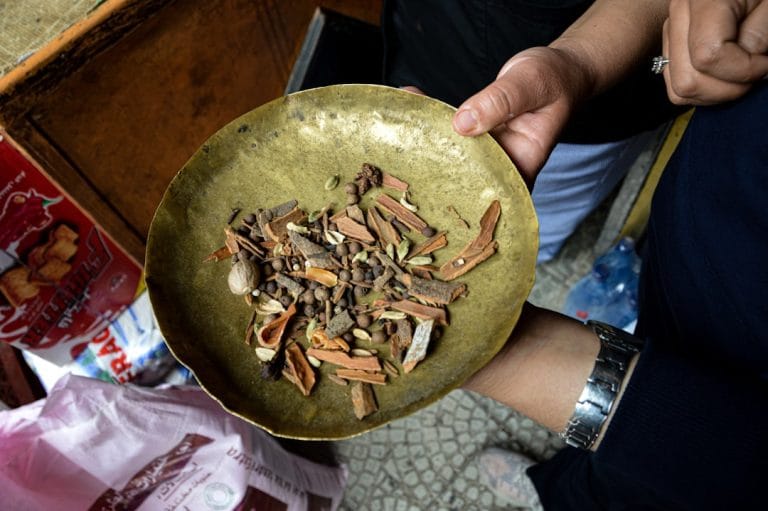
A warm, fragrant spice that does far more than season your dinner.
If you have ever cracked open a whole nutmeg, you may have noticed the delicate, lacy red webbing wrapped around the seed. That crimson layer is mace — known as javitri in South Asian kitchens — and once dried it turns a soft brown-yellow. For centuries it has been prized both as a warming culinary spice and as a folk remedy for pain, nausea, and sluggish digestion.
Mace shares much of its chemistry with nutmeg because the two come from the very same fruit. What makes it worth a spot in your spice rack is its blend of antioxidant and anti-inflammatory compounds, which may support everything from your gut to your gums. Below, we walk through ten ways mace can nourish your body — plus simple, delicious ways to enjoy it.
Key Takeaways
– Mace may ease bloating, gas, and other digestive complaints while gently boosting appetite.
– Its compounds are linked to better blood circulation and calmer, less anxious moods.
– Mace supports oral health and shows renoprotective potential that may help guard against kidney stones.
– It’s a traditional remedy for colds and coughs, with antioxidant and anti-inflammatory properties.
– Best enjoyed regularly but in moderation; some people should avoid larger amounts.
Soothing Your Digestive System
One of mace’s most cherished traditional uses is calming the gut. Cooks and herbalists have long reached for it to relieve bloating, constipation, and gas, and to settle nausea, diarrhea, and flatulence. Adding a pinch to your cooking may help keep bowel movements regular. It’s worth being honest here: the human research behind these digestive claims is still limited, so think of mace as a gentle, time-honored support rather than a cure.
Encouraging a Healthy Appetite
If you struggle to eat enough during the day or feel you’re a little too thin, mace might be a helpful addition to your meals. It has a long-standing reputation as an appetite stimulant, nudging your desire to eat in a more balanced direction.
Circulation, Calm, and Focus
Better Blood Flow
 Save
SaveMace is associated with improved blood circulation throughout the body. Healthy circulation carries oxygen and nutrients to your skin and hair — helping them look their best — and supports your body’s defenses against infection and disease.
A Natural Stress Soother
This one surprises people: mace can act as a gentle stress reliever. It has traditionally been used to ease tension and anxiety, quiet mental exhaustion, and encourage a feeling of calm. Some also credit it with sharpening concentration and supporting memory, making it a comforting spice for busy, frazzled days.
Protecting Your Mouth and Kidneys
Mace has a place in oral care too. It’s a folk remedy for toothaches and sore gums, helps freshen breath, and even appears as an ingredient in some toothpastes. Beyond the mouth, mace shows renoprotective potential — it may help protect the kidneys and has traditionally been used to address kidney stones and infections. As with digestion, the evidence is still emerging, so more research is needed before firm conclusions can be drawn.
Fighting Colds and Coughs
 Save
SaveWhen cold season arrives, mace has long been part of the home-remedy toolkit. It’s believed to help shield the body from flu and viral illness, and it turns up in cough syrups and warming chest rubs. Some traditions also use it to ease breathing for people prone to asthma.
Anti-Inflammatory Power
Perhaps mace’s best-documented quality is its anti-inflammatory action. That makes it a traditional ally for achy joints and inflammatory conditions such as arthritis — the painful swelling and stiffness of joints that tends to worsen with age — and lumbago, or lower-back pain caused by muscle and ligament strain. Its antioxidants help the body counter the oxidative stress that fuels inflammation.
An Aromatic, Nutrient-Rich Seasoning
Part of mace’s charm is purely sensory. Its warm, exotic fragrance lifts almost any dish, adding depth and a subtly peppery flavor. And alongside that aroma comes substance: mace supplies antioxidants, vitamins, minerals, and other beneficial plant compounds, which is where much of its healthful reputation truly comes from.
Roots in Traditional Medicine
Mace has been woven into Indian traditional medicine for generations. Animal studies have pointed to antifungal, antidepressant, aphrodisiac, and digestive properties, echoing the ways healers have used it for centuries. These early findings are promising, though they remind us that most of mace’s benefits still await confirmation in people.
Bringing Mace Into Your Kitchen
 Save
SaveThe easiest way to enjoy mace is simply to cook with it. A little goes a long way, so start small.
Warm up baked goods like muffins, cakes, puddings, and breads with a whisper of mace.
Stir it into masala milk or spiced milk tea for a peppery lift.
Add it to pickles, ketchups, curries, and sauces.
Blend it into mashed potatoes, broths, soups, and rice dishes.
Cream of Chicken and Turkey Soup
 Save
SaveBring your broth to a gentle simmer and stir in a cup of heavy cream, keeping the heat low. Season with about a quarter-teaspoon of salt, an eighth-teaspoon each of pepper and mace, then fold in a quarter’s worth of boiled chicken and turkey. Let it warm for ten minutes and serve hot, scattered with chives or parsley.
Spiced Iced Tea
Simmer four cups of water with whole cloves and a cinnamon stick, then remove from heat and steep three tea bags for ten minutes. Separately, boil half a cup of sugar with a teaspoon of mace, three-quarters cup of orange juice, and a tablespoon of lemon juice. Strain the tea into this mixture, pour over ice, and chill for at least 20 minutes before serving.
Frequently Asked Questions
Is mace spice safe for everyone to consume?
For most people, mace is safe in normal culinary amounts. A few individuals may notice allergic reactions or mild stomach upset. Those who are pregnant or breastfeeding, or who have a weakened immune system, should check with a healthcare provider before using more than a cooking pinch.
Is mace spice poisonous?
No. Consuming moderate, food-level amounts of mace is considered safe. Problems tend to arise only with very large doses, which can cause symptoms like dizziness or an irregular heartbeat.
Is mace good for the liver?
It may be. Mace has been studied for helping manage fatty liver by raising antioxidant levels, reducing inflammation, and lowering fat buildup in the liver.
The Bottom Line
Mace is a small spice with a surprisingly wide reach. Sharing much of nutmeg’s chemistry, it offers antioxidant, anti-inflammatory, antifungal, and even mood-lifting potential. It may support digestion, spark appetite, improve circulation, protect your teeth and kidneys, strengthen your defenses against colds, and soothe inflamed joints. Add to that its lovely aroma and its easy fit in everything from muffins to curries, and mace earns a permanent home in your kitchen. Enjoy it regularly, keep the amounts modest, and let this fragrant spice quietly work in your favor.
This article is for informational purposes only and is not a substitute for professional medical advice. Always consult a qualified healthcare provider before making changes to your diet, especially if you are pregnant, breastfeeding, have a weakened immune system, or have an existing health condition.