

Two beloved kitchen oils, two very different fat profiles, and one question worth answering before your next batch of stir-fry.
Walk down any oil aisle and you’ll find the same quiet rivalry playing out: a jar of creamy, solid coconut oil sitting a shelf away from a tall bottle of green-gold olive oil. Both have devoted fans. Coconut oil anchors much of South Asian and tropical cooking and has crept into baking, while olive oil has been the backbone of Mediterranean meals for centuries and now shows up in kitchens everywhere.
They share a fair amount. Both deliver vitamins E and K, both carry their own antioxidants, and both can nourish more than just your dinner. But dig into how their fats are built and the two start to look less like twins and more like distant cousins. Here’s what actually separates them, and why olive oil tends to come out ahead when heart health is the priority.
Key Takeaways
– Coconut oil is roughly 92% saturated fat, which keeps it solid at room temperature and stable enough for shallow frying and long storage.
– Olive oil leans heavily on monounsaturated and polyunsaturated fats, the kinds linked to friendlier cholesterol numbers.
– Both oils support skin and hair and supply antioxidants, so the choice often comes down to how you plan to use them.
– Coconut oil’s medium-chain triglycerides are used quickly for energy, but eaten in excess they can still be stored as body fat.
– For overall cardiovascular health, olive oil has the edge; for kitchen versatility and shelf stability, coconut oil holds its own.
Where Coconut Oil Comes From
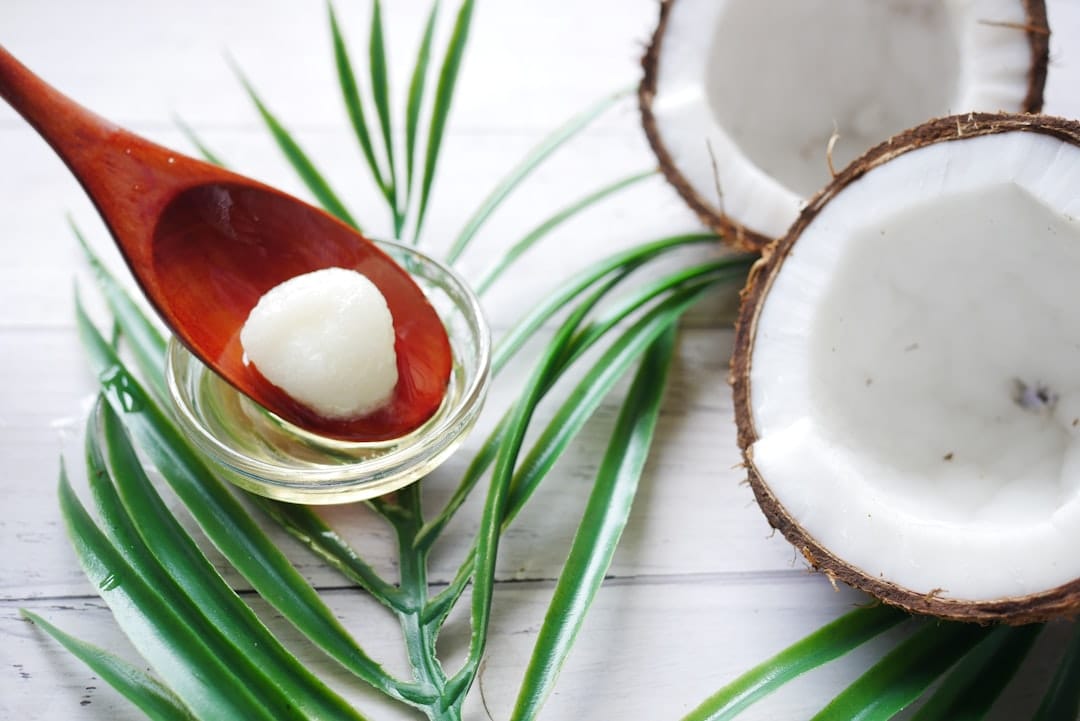
Coconut oil is pressed from the kernel of mature coconuts (Cocos nucifera L.), the same tropical fruit that gives us coconut water, milk, flour, and meat. You’ll generally meet it in one of two forms. Copra oil is made by crushing dried kernels, then refining, bleaching, and deodorizing the result. Virgin coconut oil is pressed from fresh, shredded wet kernels and holds onto more of the good stuff, including vitamin E and polyphenol antioxidants.
That yellowish-white, semi-solid texture is a dead giveaway of its makeup. As dietitian Stephanie Hnatiuk puts it, coconut oil is made mostly from saturated fat, “and you can tell this by the fact that it is solid at room temperature.” All that saturation makes it resistant to oxidation, so it resists going rancid and tolerates heat well.
There’s a catch, though. A growing body of research ties high saturated fat intake to obesity, elevated blood pressure, type 2 diabetes, and worse heart health over time. The general advice is to keep saturated fat modest and lean on oils rich in unsaturated fats instead.
Where Olive Oil Comes From
 Save
Olive oil is squeezed under pressure from the pulp of olives (Olea europaea L.), fruit of a Mediterranean tree famous for its role in salads, pasta, and savory cooking. It comes in several grades, including virgin, common, refined, and pomace olive oil, with virgin retaining the most nutrients and bioactive compounds. Oil from unripe olives carries a green tint, while other types run a clearer yellow, and flavor shifts from one growing region to the next.
Olive oil stays liquid at room temperature, a sign it’s built mostly from unsaturated fat. Registered dietitian Paula Doebrich notes that it’s “rich in polyunsaturated fat (also known as the good fat) and low in saturated fat,” which can help lower LDL cholesterol and nudge up HDL. It’s also a solid source of vitamin E and polyphenols, plant compounds that may calm inflammation and even support a healthier gut microbiome.
The Fat Story, Side by Side
This is where the two oils really part ways. Both are pure fat, but the kind of fat differs sharply.
Coconut oil is loaded with saturated fatty acids like lauric, myristic, palmitic, and stearic acid. Olive oil is dominated by oleic acid, a monounsaturated fat, along with the essential polyunsaturated fats linoleic and linolenic acid. Hnatiuk sums up the practical difference plainly: olive oil’s unsaturated fats tend to help cholesterol, while coconut oil’s heavy saturation can push “bad” LDL levels up.
Coconut oil does carry more medium-chain triglycerides than most fats, and those MCTs are interesting because the body tends to burn them for energy rather than park them. Useful, yes, but not a free pass. Eat more than you need and the surplus still gets stored as body fat. On a straight nutritional read, olive oil comes out looking like the healthier daily choice.
Beyond the Frying Pan
 Save
Neither oil stays confined to cooking, and their benefits overlap more than you’d expect.
Skin and Hair
 Save
Both oils bring rich fatty acids plus vitamins E and K, all friendly to skin. Coconut oil is often used to nourish the skin barrier, soften the look of wrinkles, and add glow, and it’s a face-mask favorite, though it’s a poor match for acne-prone skin. Olive oil gets used to hydrate and to help with blackheads and whiteheads.
For hair, the evidence is mostly anecdotal but consistent. People reach for coconut oil to moisturize, strengthen strands, and tame dandruff thanks to its antibacterial and antifungal traits. Beauty vlogger Audrey Victoria described leaving it in overnight and waking to hair that looked “a lot more shiny and less frizzy,” with split ends less obvious than before. Olive oil plays a similar role, especially on dry hair.
A Steady Supply of Antioxidants
Coconut oil offers phenolic antioxidants, while olive oil brings a broader lineup that includes phenol alcohols and acids, secoiridoids, lignans, and flavones. These compounds mop up free radicals and blunt oxidative stress, the kind of cellular wear that feeds inflammation and long-term conditions. Olive oil’s wider antioxidant roster is part of why it earns so much praise for heart protection.
Matching the Oil to the Job in the Kitchen
 Save
Think about heat and think about flavor. Coconut oil’s stability makes it dependable for shallow frying and for anything you want to store a while, and it lends a gentle sweetness that suits baked goods and many savory dishes. Olive oil shines when the heat is lower or the oil stays raw: sautéing, drizzling over roasted vegetables, whisking into dressings, or finishing a bowl of pasta. Push olive oil past its smoke point and you lose both flavor and some of its benefits, so save your best virgin bottle for gentle uses.
Frequently Asked Questions
Can I swap one oil for the other in a recipe?
Often, yes, but expect a difference. Coconut oil adds firmness and a faint sweetness that works in baking, while olive oil brings a savory, sometimes peppery note better suited to Mediterranean-style dishes. Texture and taste will shift with the swap.
Is coconut oil bad for you because of the saturated fat?
Not inherently, but moderation matters. Its high saturated fat content can raise LDL cholesterol, so it’s smart to use it in reasonable amounts rather than as your only cooking fat.
Which oil is better for high-heat cooking?
Coconut oil handles heat better thanks to its saturated, oxidation-resistant structure. Olive oil is happiest at lower temperatures, so keep it away from aggressive frying.
The Bottom Line
Coconut oil and olive oil both earn a place in a well-stocked kitchen, and both do more than season food, from softening skin to conditioning hair. Their real divide is in the fat. Coconut oil’s heavy saturation makes it stable and versatile but harder on cholesterol, while olive oil’s unsaturated fats and generous antioxidants line up with better heart health. If you want one everyday oil to lean on, olive oil is the stronger pick. Keep coconut oil around for the jobs it does best, and let each earn its spot on the shelf.
This article is for general informational purposes only and is not a substitute for professional medical advice. Talk to your doctor or a registered dietitian before making significant changes to your diet, especially if you have a heart condition or other health concerns.