

Two pantry staples, very different jobs, and one that edges ahead for your health.
Most kitchens keep a bottle of each. One goes on the salad, the other goes in the cake, and somewhere along the way we stop asking whether we picked the right one. The honest answer is that olive oil and vegetable oil are not interchangeable, and the gap between them shows up in flavor, in how they handle heat, and in what they do for your heart over the long run.
So instead of crowning a single winner, it helps to look at where each oil actually comes from, how their fats compare, and which one belongs in which pan. Once you see that, swapping them becomes a choice rather than a guess.
Key Takeaways
– Vegetable oil is a broad label for oils pressed from seeds, grains, and nuts, including soybean, sunflower, corn, canola, and coconut.
– Olive oil is technically a vegetable oil too, but it is pressed from the fleshy fruit of the olive rather than a seed.
– Olive oil runs high in monounsaturated fat, which is the type linked to lower “bad” cholesterol and better heart health.
– Refined vegetable oils have a neutral taste and a higher smoke point, which makes them handy for baking and high-heat cooking.
– Every oil is calorie-dense, so “healthier” still means using it with a light hand.
Where the Two Oils Come From
Vegetable oil is really a category, not a single product. Manufacturers press it from seeds, grains, nuts, or the oily parts of various plants, then usually refine it. That refining strips out impurities and stretches shelf life, but it also flattens the flavor into something clean and neutral and removes a good share of the original nutrients.
Olive oil takes a different path. It is squeezed from ripe olives, and the best grades barely get touched after that. Extra virgin olive oil, the least processed version, keeps a bold, fruity, slightly peppery taste and holds onto more of what was in the fruit to begin with.
You will also see two broad processing styles on the shelf:
Refined or hot-pressed oils are crushed fast under high heat. They are cheap, widely stocked, and flavor-neutral.
Cold-pressed oils are extracted at room temperature without added heat or chemicals, which preserves more nutrients. Beyond olive, this group includes sesame, safflower, flaxseed, hemp seed, and rapeseed oils.
The Fat Question
 Save
This is where olive oil pulls ahead. It sits at roughly 85% monounsaturated fat and about 14% saturated fat, a ratio that favors the fats your cardiologist tends to like. Because extra virgin olive oil is minimally processed, it also carries oleic and linoleic acids, vitamins E and K, and antioxidants such as polyphenols and carotenoids.
Vegetable oils are all over the map. Coconut oil, for instance, is one of the most saturated fats you can buy, while sunflower oil lands in a much friendlier zone. So “vegetable oil is unhealthy” is too blunt a claim. The type matters far more than the category.
The heart data leans in olive oil’s favor. In a large trial of over 7,400 adults at high cardiovascular risk, a Mediterranean diet enriched with extra virgin olive oil lowered the rate of major cardiovascular events, with the olive oil group showing a hazard ratio around 0.69. Regular, moderate use of olive oil has also been tied to lower blood pressure, a lower body mass index, and reduced risk of certain cancers, including postmenopausal breast cancer and colorectal cancer.
The Health Case for Olive Oil
 Save
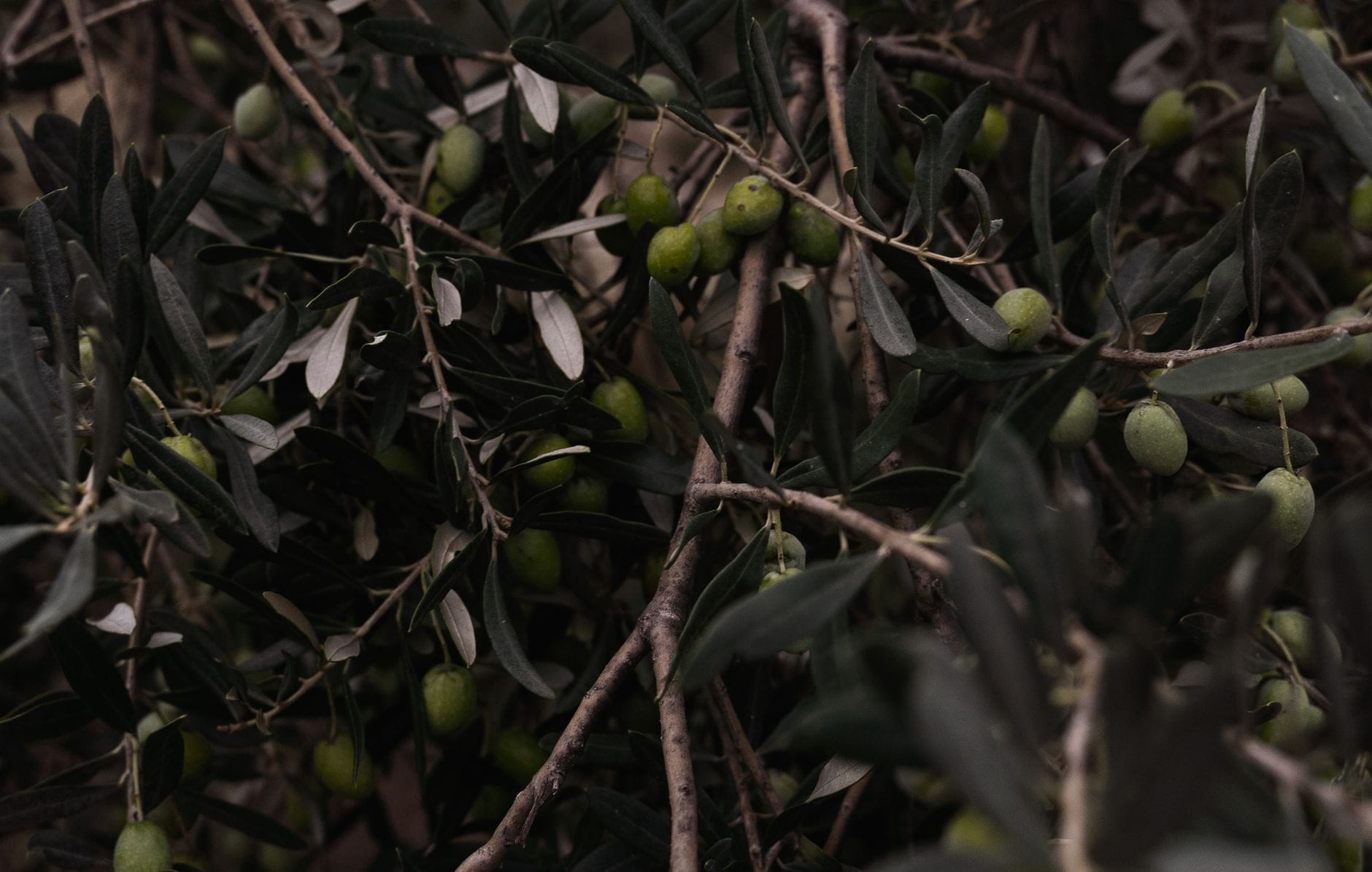
If you are choosing an oil mainly for your health, extra virgin olive oil is the easy pick for most everyday uses. Its antioxidants are thought to support immunity, slow some signs of skin aging, and offer a measure of protection against diabetes and heart disease. It is also a big reason the Mediterranean diet keeps earning its reputation.
None of that makes it a free pass. Olive oil is every bit as calorie-dense as any other oil, so pouring more of it does not make a dish healthier. Moderation is doing quiet work behind every one of these benefits.
Matching the Oil to the Task
 Save
The smarter move is to match the bottle to the job rather than declaring one oil best for everything.
Salad dressings
Reach for extra virgin olive oil here and do not overthink it. This is raw, no-heat cooking, which lets the oil’s flavor and nutrients shine at full strength. A vegetable oil would work mechanically, but it gives up the taste and the health edge for no real gain.
Marinades
Both oils cling to meat and help spices stay put, so either one does the mechanical job. Olive oil adds a sharp, peppery note that many cooks want, along with its links to lower obesity and type 2 diabetes risk. If that flavor is not your thing, a nut-forward option like sesame or walnut oil brings its own character.
Sautéing and stir-frying
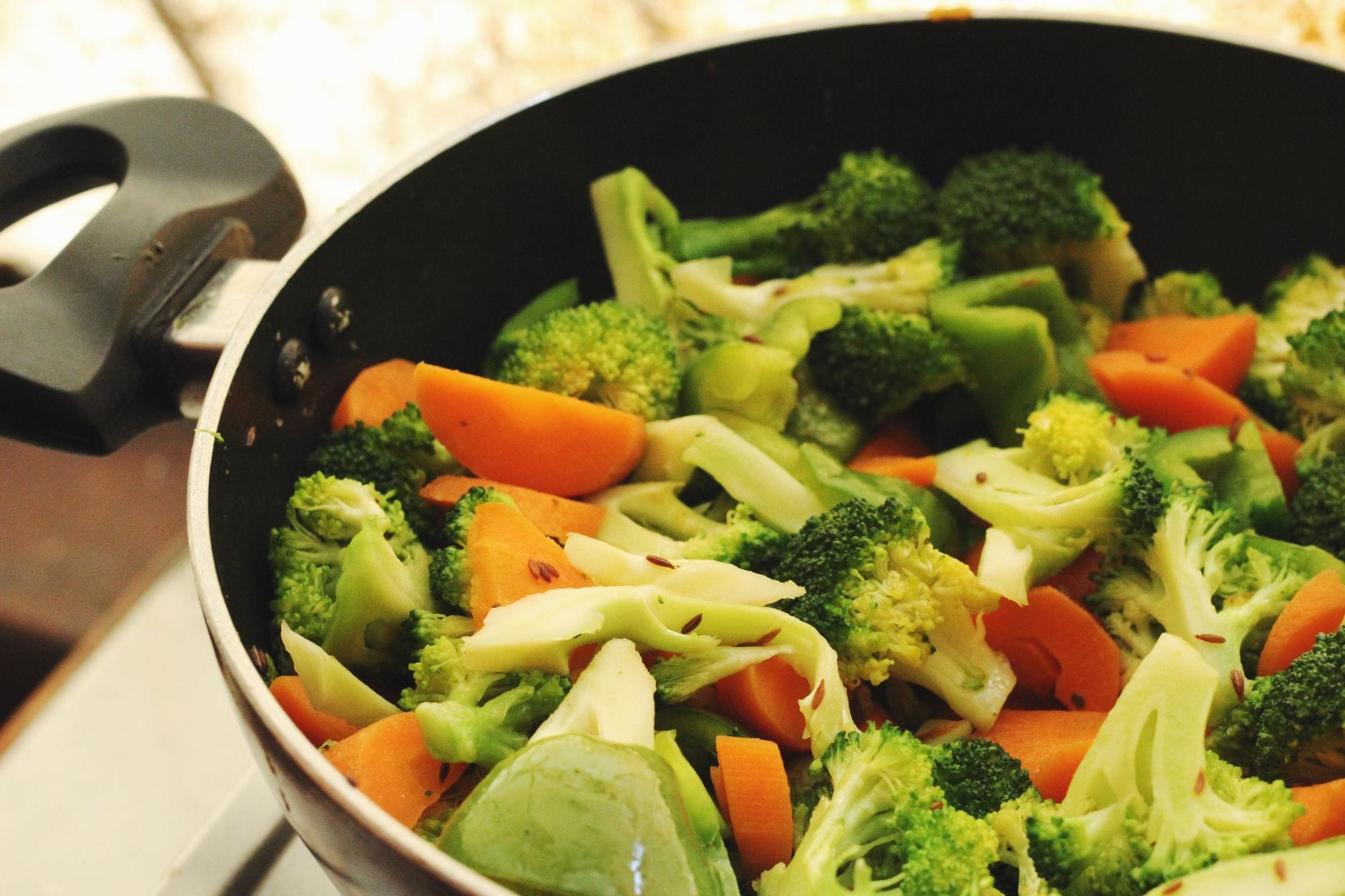
Olive oil and sunflower oil both perform well over moderate heat. One study found that broccoli stir-fried in either oil held onto more vitamin C than broccoli cooked in several other oils. Pick olive oil for the nutritional bonus, or sunflower oil when you want something affordable for everyday stir-fries.
Baking
Bakers usually default to neutral vegetable oil, and for good reason. It hits the fat content a recipe needs without stamping its own flavor on the crumb. Olive oil can still play a role through partial substitution. In one study on Italian Cantuccini biscuits, swapping part of the butter for extra virgin olive oil actually improved the texture and chemistry of the finished cookies.
Deep-frying
 Save
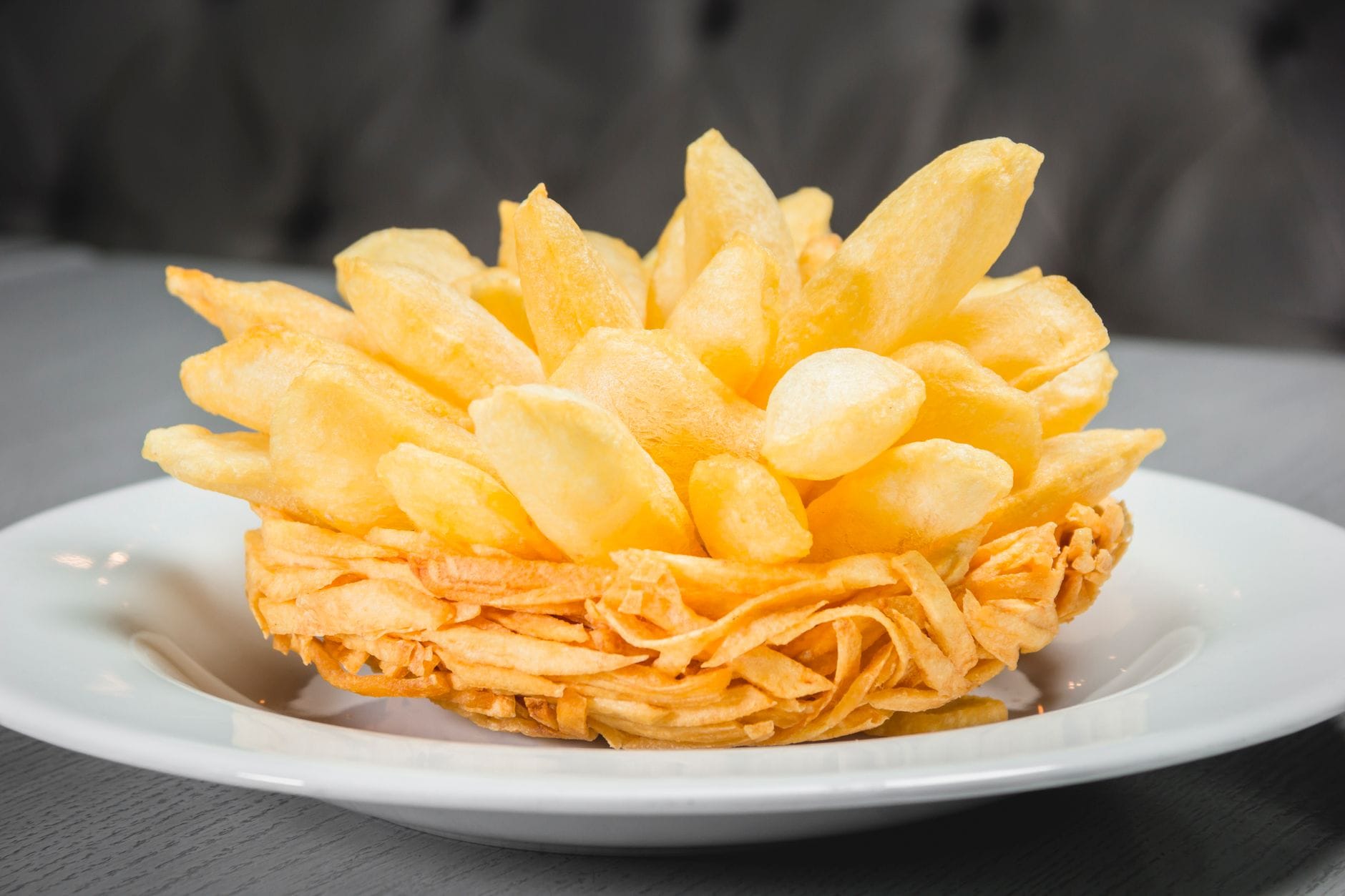
Judged on smoke point alone, olive oil looks like a poor fit for deep-frying. That number is not the whole story, though, since some evidence shows olive oil stays surprisingly stable when heated compared with other oils. Still, deep-frying burns through a lot of oil, so a cheaper, sturdy vegetable oil like mustard or refined sunflower is the practical call.
Frequently Asked Questions
Can I use vegetable oil in place of olive oil?
Often, yes, especially in baking and high-heat frying where a neutral flavor and higher smoke point help. For raw uses like dressings, olive oil is worth keeping because the swap costs you flavor and nutrients.
Is olive oil always the healthier choice?
For most cooking it edges out the average vegetable oil thanks to its monounsaturated fat and antioxidants. But some vegetable oils, such as sunflower, are perfectly reasonable, and all oils are calorie-dense regardless of type.
Which oil is best for high-heat cooking?
Refined vegetable oils have higher smoke points, which suits deep-frying and searing. Extra virgin olive oil is more heat-stable than its smoke point suggests, so it holds up fine for sautéing and roasting.
The Bottom Line
Olive oil and vegetable oil earn their spots for different reasons. Olive oil, particularly extra virgin, carries the better fat profile and the stronger track record for heart health, which makes it the go-to for dressings, marinades, and gentle cooking. Neutral vegetable oils win on price, flavor-free versatility, and heat tolerance, so they hold their place in baking and deep-frying. Keep both, use each where it belongs, and remember that every oil counts as fat, so a measured pour is part of what makes any of this healthy.
This article is for informational purposes only and is not a substitute for professional medical advice. Talk with a qualified healthcare provider or registered dietitian before making significant changes to your diet, especially if you have an existing health condition.