

Seven days won’t flatten your stomach, but they can start the work that lasts.
Let me be honest up front: you cannot lose meaningful belly fat in a single week. Abdominal fat is famously stubborn, and it tends to hang on longer than fat elsewhere on the body. That matters beyond looks, because a thicker waistline is tied to conditions like diabetes, heart disease, and metabolic syndrome, and it shows up often in people with PCOS.
So why bother with a week? Because a week is long enough to change your habits, cut some bloat, and point your body in the right direction. The tips below are the ones worth starting today. Give them a few weeks and the results become real.
Key Takeaways
– A true week-long “belly fat burn” isn’t scientifically possible; lasting fat loss takes longer.
– Protein and fiber at most meals keep you full and support lean muscle and gut health.
– Cutting refined carbs, added sugar, excess salt, and trans fats reduces both fat storage and water retention.
– Water, green tea, coffee, and ginger can gently nudge metabolism and satiety.
– Portion control, mindful eating, and good sleep hold the whole thing together.
Why Belly Fat Digs In
Fat around the middle is metabolically active and slow to shift, which is part of why crash approaches disappoint. The upside is that the same habits that reduce abdominal fat also lower your health risks, so nothing here is wasted effort even if the scale moves slowly. Think of the first week as building momentum rather than chasing a number.
Small Morning Habits That Nudge Things Along
A Morning Glass of Fenugreek Water
 Save
Fenugreek (methi) seeds have hypoglycemic properties and may help limit fat accumulation, and they’ve been shown to improve insulin sensitivity in people with type 2 diabetes. Soak two teaspoons of seeds in a cup of water (about 375 ml) overnight, then drink it about 30 minutes before breakfast. One caution: if you tend toward low blood sugar, skip the fenugreek and reach for plain lime water instead.
A little ginger helps too. Research suggests ginger supports weight loss by boosting satiety and thermogenesis while curbing fat synthesis and absorption. Three or four slices in your water add flavor and a small metabolic assist.
Build Meals Around Protein and Fiber
 Save
This is where most of the payoff lives. Two nutrients, working together, do the heavy lifting.
Lead With Protein
A high-protein breakfast, think eggs, Greek yogurt with oatmeal, or a protein smoothie, keeps you satisfied for hours because protein digests slowly. Registered dietitian Sara Chatfield, MPH, RDN, notes that protein itself won’t add belly fat unless your overall calories run too high; the real culprits are sugar and refined carbs from sodas, packaged snacks, and white-flour foods.
Protein also earns its keep in two other ways. Digesting it burns calories through thermogenesis, and it helps build lean muscle, which carries more mitochondria and keeps your metabolism humming.
Fill Up on Fiber
Fiber has a low glycemic index and forms a gel-like layer in the stomach that stretches out fullness. It also feeds your gut bacteria, which convert it into short-chain fatty acids linked to less belly fat. A 2026 study in Nutrients followed overweight middle-aged women over 18 months and found BMI dropped as fiber intake climbed. If you’re not sure where to begin, loading up on everyday high-fiber foods is an easy first move.
Fatty Fish and Omega-3s
 Save
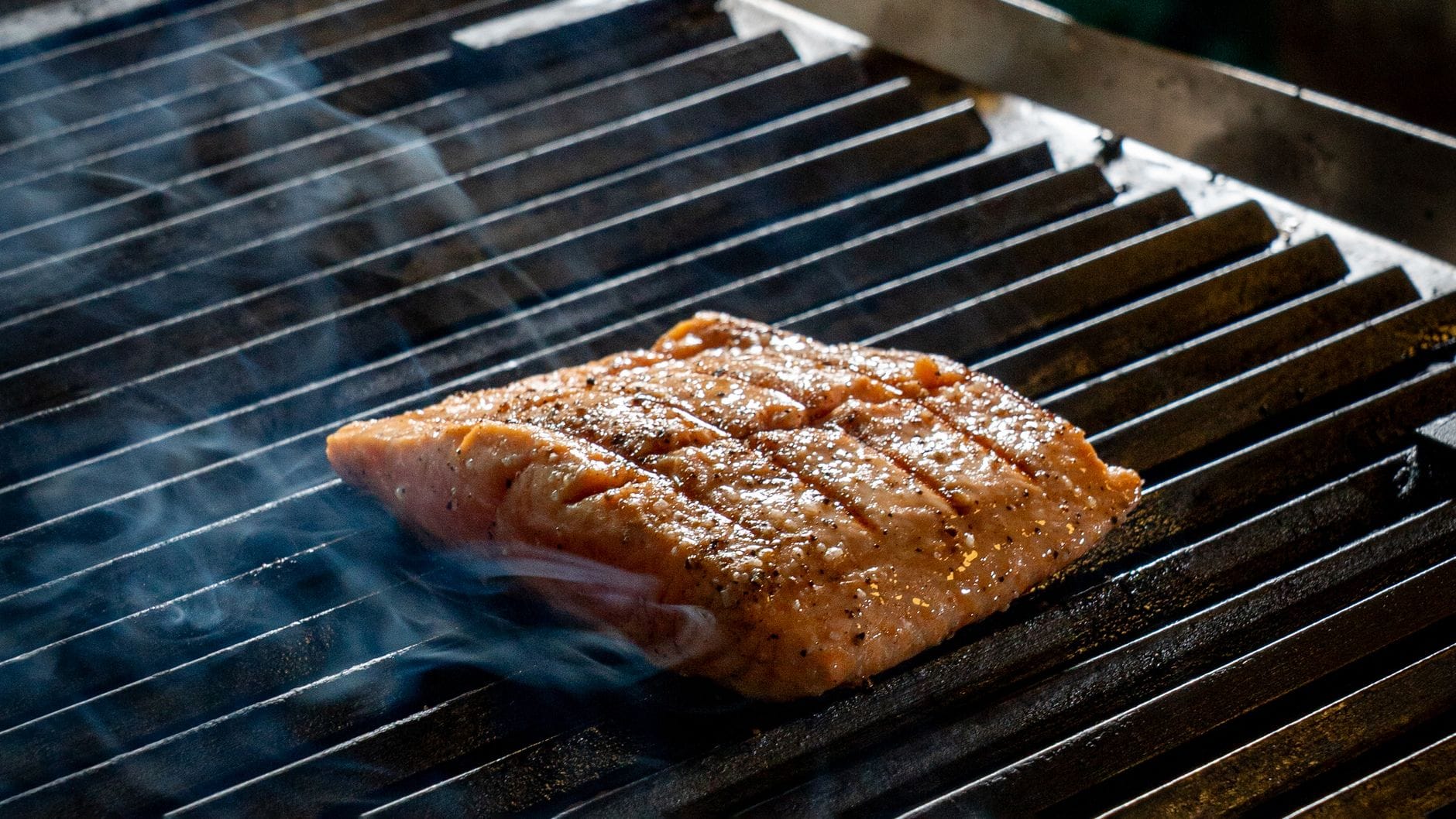
Salmon, tuna, and mackerel are rich in omega-3 polyunsaturated fats, which calm inflammation, discourage fat storage, and improve body composition. Getting more of these omega-3s from oily fish is one of the simpler swaps you can make at dinner.
Vegetables and Leafy Greens
Veggies and dark leafy greens deliver fiber, vitamins, and minerals for very few calories. Eating them regularly is associated with a smaller waist and lower obesity risk. Just remember that “healthy” still has calories, so portions matter even with produce.
What to Pull Back On
Some of the fastest visible change in a week comes from removing, not adding.
Refined carbs and sugar. These digest quickly, spike blood glucose, and leave you hungrier. High sugar intake also drives fat deposition and inflammation-linked weight gain. Ease off burgers, pizza, cakes, pastries, and soda.
Salt. Too much salt is tied to obesity, insulin resistance, and hypertension, and it makes your body hold water, which shows up on the scale. Cut fries, chips, canned foods, packaged dressings, and pickles.
Trans fats. Linked to abdominal obesity and higher cardiovascular risk, these hide in many convenience foods. Pre-cook and refrigerate simple meals so a healthier option is ready when hunger hits.
Alcohol. Scaling back on alcohol is another simple lever worth pulling while you focus on your waistline.
Drinks That Do a Little Work
Green Tea and Black Coffee
 Save
Green tea contains EGCG, an antioxidant that eases inflammation, and its caffeine supports weight loss; coffee’s caffeine and chlorogenic acid raise satiety and thermogenesis. Aim for three or four cups of green tea or two cups of black coffee a day, and choose decaf versions if caffeine bothers you. For more ideas, see how green tea can aid weight loss as part of a daily routine.
Plain water deserves a mention too. Drinking roughly eight glasses a day supports thermogenesis, fullness, and fat mobilization, so keep sipping.
Eat Smaller, Snack Smarter
Portion control quietly cuts calories without leaving you deprived. A useful template: half your plate lean protein, a quarter vegetables, and the rest whole grains and healthy fat, served on a smaller plate. Eat something every three hours so you don’t arrive at meals ravenous.
Snacking isn’t off-limits, it just needs to be intentional. A handful of nuts, apple or watermelon slices, carrot and cucumber sticks, or Greek yogurt with berries all work. Slow down while you eat, put the screens away, and pay attention to when you’re actually full.
Frequently Asked Questions
Can I really lose belly fat in just seven days?
Not in any lasting way. A week can reduce bloating and water weight and kick-start better habits, but genuine fat loss takes consistent effort over weeks to months.
Does a high-protein diet cause belly fat?
No. As dietitian Sara Chatfield explains, protein won’t add belly fat unless your total calories are too high. It actually helps preserve muscle and metabolic rate during weight loss.
Is fenugreek water safe for everyone?
Mostly, but skip it if you’re prone to low blood sugar, since fenugreek can lower glucose further. Lime water is a gentle alternative.
The Bottom Line
A flat stomach in a week is a myth, and chasing it usually backfires. What works is unglamorous and reliable: protein and fiber at meals, less sugar, salt, and trans fat, plenty of water, a few smart drinks, controlled portions, and decent sleep. Start these now and the first week becomes the foundation for weeks that genuinely show progress.
This article is for general informational purposes only and is not a substitute for professional medical advice. Talk to a qualified healthcare provider before making significant changes to your diet, especially if you have diabetes, blood sugar concerns, or another health condition.