
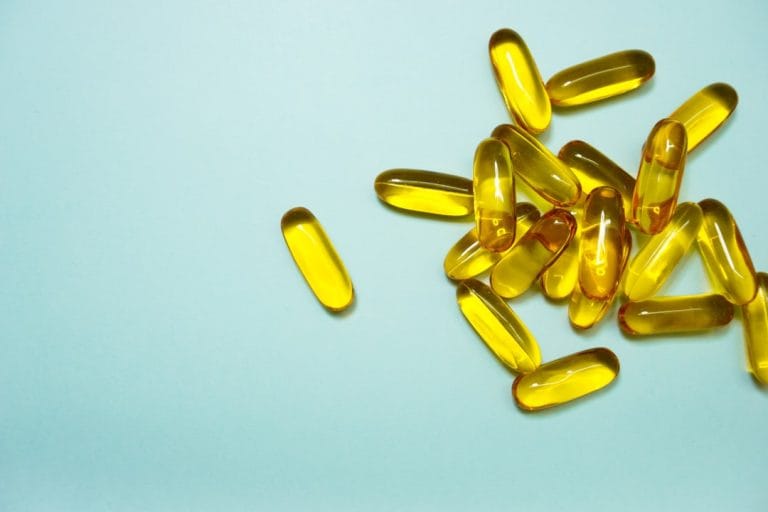
A closer look at why this golden supplement keeps showing up in fat-loss conversations — and what the science really says.
Fish oil has earned a loyal following among people trying to slim down, and it’s not just marketing hype. This concentrated source of omega-3 fatty acids has been linked to lower inflammation, better heart health, a reduced risk of diabetes, and even sharper brain function. It may also help lower cortisol, the stress hormone tied to stubborn belly fat.
But how exactly does a few drops of oil translate into easier weight management? The answer lies in the way omega-3s influence your metabolism, appetite, hormones, and muscle. Below, we break it all down — plus how much to take and how to use it wisely.
Key Takeaways
– Fish oil is a rich source of omega-3 fatty acids (EPA, DHA, and ALA) that your body can’t make efficiently on its own.
– It may support fat loss by boosting metabolism, increasing fat burning, and improving satiety.
– Omega-3s help build lean muscle, which keeps your metabolic rate humming.
– Fish oil can improve triglycerides, cholesterol, insulin sensitivity, and inflammation.
– You can get its benefits from fatty fish, capsules, or liquid supplements — pair them with a healthy lifestyle.
What Fish Oil Actually Is
Fish oil comes primarily from oily fish and is packed with polyunsaturated fatty acids — namely omega-3 and omega-6. Decades of research suggest that eating fish or supplementing with its oil can reduce deaths from coronary heart disease, a condition where plaque narrows the arteries and restricts blood flow.
There are three main omega-3s: EPA, DHA, and ALA. Your body can make small amounts of ALA, but it can’t produce EPA and DHA directly. While ALA can convert into the other two, the conversion rate is very low — which is why vegetarians in particular need more of it, and why supplements can help everyone hit their omega-3 targets.
How Fish Oil Supports Weight Loss
Rebalancing Your Omega Ratio
Ideally, your intake of omega-6 to omega-3 fatty acids should sit close to 1:1. In typical Western diets, however, that ratio can climb to 15:1 or higher — a pattern linked to cardiovascular disease, inflammation, depression, and obesity. Eating fatty fish or taking fish oil helps restore balance, which in turn tames inflammation, curbs inflammation-driven weight gain, and improves your lipid profile. This rebalancing is the foundation of fish oil’s fat-loss reputation.
Curbing Appetite and Boosting Satiety
 Save
SaveOmega-3s appear to fine-tune the hunger-and-fullness cycle. In one study, people with obesity following a calorie-restricted diet were given either 260 mg or 1,300 mg of omega-3s daily — and reported greater post-meal satiety. Feeling fuller for longer makes it easier to eat less without white-knuckling through the day.
Firing Up Metabolism and Fat Burning
A faster metabolic rate means your body burns more energy at rest. In one experiment, supplementing with 3 grams of fish oil omega-3s per day lifted metabolic rate by about 14% and fat oxidation by roughly 19%. Separate research from France found that giving healthy volunteers 6 g per day for 12 weeks measurably increased fat burning — meaning the body was actively mobilizing and breaking down stored fat.
Building Lean Muscle
 Save
SaveMuscle is metabolically active tissue, so more of it helps you burn more calories around the clock. Studies show that fish oil can support muscle protein building and improve overall muscle mass. In fact, research in the Journal of the International Society of Sports Nutrition found that six weeks of supplementation significantly reduced fat mass while increasing lean mass in healthy adults — a two-for-one win, though more research is still needed to nail down the mechanism.
Better Cholesterol and Triglycerides
When you eat poorly and skip exercise, triglyceride levels rise, raising your risk of obesity, heart disease, diabetes, and atherosclerosis. Omega-3s help lower serum triglycerides by reducing the availability of fatty acids and dialing down the enzymes that build fat molecules — which helps limit both visceral and subcutaneous fat. Fish oil has also been shown to lower LDL (“bad”) cholesterol, while a moderate 6 g daily dose raised protective HDL cholesterol in one study.
Steadier Blood Sugar
 Save
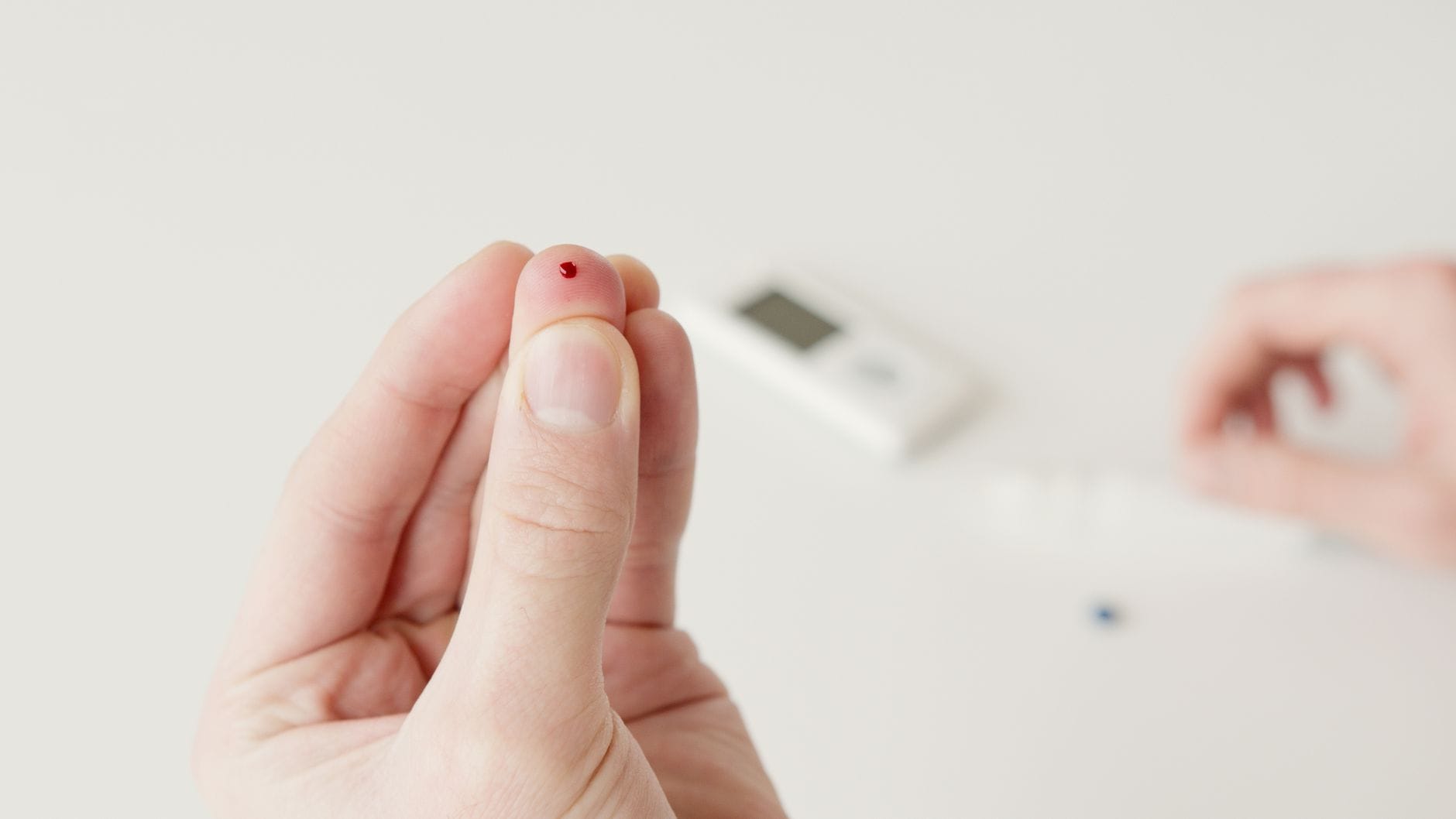
SaveConstantly high blood sugar can push your body toward insulin resistance, where cells stop responding to insulin and glucose can’t get in. That leaves you hungry, prone to overeating, and gaining weight. Encouragingly, short-term fish oil supplementation has been shown to improve insulin sensitivity in people with metabolic disorders.
Calmer Inflammation and Smoother Workouts
Chronic stress and inflammation can quietly drive weight gain. Fish oil is well documented as anti-inflammatory, working by blocking inflammatory pathways in the body. That same effect may make exercise more productive: less inflammation can mean faster recovery, better endurance, and more effective workouts — all of which support your weight-loss efforts.
How Much Fish Oil for Weight Loss
You can get omega-3s from fatty fish or from capsules and liquid supplements. Research suggests that increasing long-chain omega-3 intake by about 0.3 to 3 grams per day may improve body composition and support weight loss.
That said, the right dose depends on your age, health history, and any medications you take. Always check with your doctor before starting fish oil so you can land on a dose that’s both safe and effective for you.
Getting the Most From Fish Oil
 Save
SaveFish oil is a helper, not a magic bullet. To see real results, pair it with the fundamentals: a balanced, whole-food diet, regular movement that includes both cardio and strength work, quality sleep, and stress management. Together, these habits amplify everything omega-3s do behind the scenes.
Frequently Asked Questions
Can I take fish oil while pregnant?
Omega-3s, especially DHA, are important during pregnancy, but you should always speak with your doctor before adding any supplement so the dose and source are appropriate for you.
How should I store fish oil?
Keep it in a cool, dark place away from heat and direct light to prevent the oil from going rancid. Refrigeration and tightly sealed containers help preserve freshness.
Will fish oil alone make me lose weight?
No single supplement melts fat on its own. Fish oil works best alongside a nutritious diet and consistent exercise — it supports the process rather than replacing healthy habits.
The Bottom Line
Fish oil offers a genuinely impressive range of benefits for anyone working toward a healthier weight. By restoring your omega balance, nudging up metabolism and fat burning, supporting lean muscle, and improving triglycerides, cholesterol, blood sugar, and inflammation, omega-3s create an internal environment that makes fat loss more achievable. Choose a quality source, aim for a sensible dose in the 0.3–3 g range with your doctor’s guidance, and build it into an already-healthy routine for the best results.
This article is for informational purposes only and is not a substitute for professional medical advice. Always consult a qualified healthcare provider before starting any supplement, especially if you are pregnant, nursing, taking medication, or managing a health condition.