
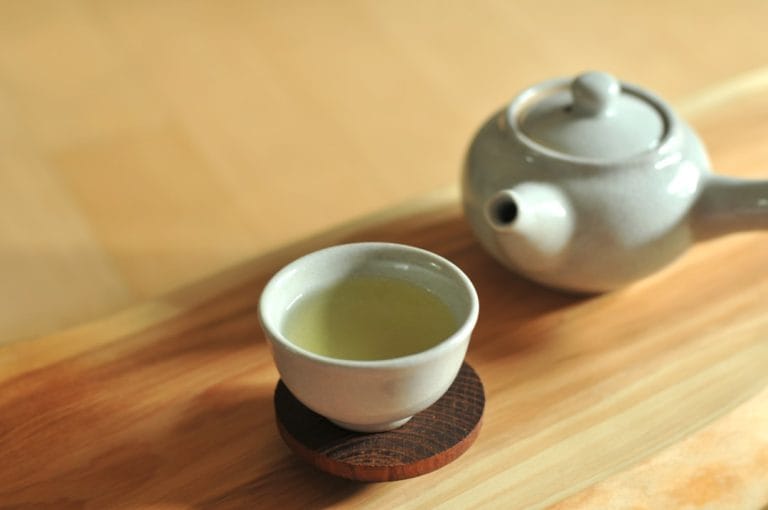
A simple, refreshing brew with a genuine — if modest — role in a weight-loss plan.
Green tea has a near-mythical reputation as a fat burner, and for once the hype isn’t entirely empty. It won’t melt away pounds on its own, but there’s solid research showing that its active compounds can give your metabolism a small, helpful nudge. The key is understanding what green tea actually does, and pairing it with the habits that drive real results.
Here’s how green tea supports weight loss, how much to drink, and the best ways to fit it into your day.
How Green Tea Supports Weight Loss
 Save
SaveGreen tea’s effects come mainly from two ingredients: catechins (especially one called EGCG) and a modest dose of caffeine. Together they appear to work in a few ways:
A small metabolism boost — green tea compounds can slightly increase the number of calories your body burns at rest (1).
More fat oxidation — studies suggest catechins and caffeine help the body use fat for fuel, particularly during exercise (2).
Gentle appetite and energy support — the caffeine offers a mild energy lift that can make workouts feel easier.
The honest framing: these effects are real but modest. Green tea is a useful supporting player, not the star of a weight-loss plan.
Key Takeaways
– Catechins + caffeine are the active duo behind green tea’s fat-burning reputation.
– Modest effect — it nudges metabolism and fat oxidation rather than causing dramatic loss.
– Around 2–3 cups a day is a sensible amount for most people.
– Timing helps — a cup before exercise can support fat burning.
– Diet and movement still matter most — green tea works best alongside a calorie-aware diet and regular activity.
How Much Green Tea to Drink
 Save
SaveFor most healthy adults, 2 to 3 cups a day is a reasonable target — enough to supply a useful dose of catechins without excessive caffeine. More isn’t necessarily better; very high intakes can cause jitteriness, sleep problems, or stomach upset, especially in people sensitive to caffeine. If you’re caffeine-sensitive, start with a single cup and see how you feel.
The Best Time to Drink It
 Save
SaveThere’s no single perfect moment, but a couple of windows make sense:
Before a workout — a cup 30 to 60 minutes beforehand may help your body tap into fat stores during exercise.
Between meals — sipping green tea between meals keeps you hydrated and gives you a warm, low-calorie alternative to snacking.
One thing to avoid: drinking strong green tea right before bed, since the caffeine can interfere with sleep — and poor sleep works against weight loss.
Which Type Is Best?
 Save
SavePlain, minimally processed green tea is your best bet, because that’s where the catechins are most intact. Matcha, a powdered whole-leaf green tea, delivers a particularly concentrated dose. Whatever you choose, skip the sugary bottled “green tea drinks” — added sugar quickly cancels out any benefit. Brew it yourself and leave it unsweetened, or add a squeeze of lemon.
A Note on Supplements
Green tea extract supplements promise a concentrated catechin hit, but they come with caveats. High-dose extracts have, in rare cases, been linked to liver problems, and they can deliver far more than you’d ever get from drinking tea. For most people, brewed green tea is the safer, smarter choice. If you’re considering an extract, talk to your doctor first — especially if you take other medications.
Practical Tips for Drinking More Green Tea
Brew a batch and chill it — unsweetened iced green tea is a great summer swap for soda.
Pair it with a habit — a cup after lunch or before your workout makes it automatic.
Don’t over-steep — too long and it turns bitter; 2–3 minutes is usually right.
Keep it unsweetened — flavor with lemon, mint, or ginger instead of sugar.
Frequently Asked Questions
Can I drink iced green tea for weight loss?
Yes — iced green tea has the same catechins as hot, as long as it’s unsweetened. Brew it yourself rather than buying pre-sweetened bottles.
Can I drink green tea while breastfeeding?
Green tea contains caffeine, which passes into breast milk, so it’s best limited during breastfeeding. Check with your doctor about a safe amount for you.
How long until I see results?
Green tea’s effect is gradual and modest. Any real change comes from the combination of green tea, a sensible diet, and regular movement over weeks — not from the tea alone.
The Bottom Line
Green tea earns its place in a weight-loss routine, just not as a miracle. Its catechins and caffeine give metabolism and fat burning a small, genuine boost — most useful when you drink 2–3 unsweetened cups a day, time one around exercise, and pair it with a balanced diet and consistent activity. Brewed tea beats extracts for safety, and the sugar-free version is the only version worth drinking.
This article is for general informational purposes only and isn’t a substitute for professional medical advice, diagnosis, or treatment. Talk to a qualified healthcare provider before making significant dietary changes or using supplements, especially if you’re pregnant, breastfeeding, or have a health condition.