
A simple, food-first guide to eating more fiber—and why your body will thank you.
Good health often starts in the gut, and few nutrients support it as quietly and effectively as fiber. This special kind of carbohydrate resists digestion, keeps things moving through your system, and feeds the friendly bacteria that live inside you. Yet many people fall short of the amount they need each day.
The good news? Fiber isn’t hiding in some hard-to-find superfood. It’s already in many meals you enjoy—you may just not realize how much (or how little) you’re getting. Below, we’ll break down what fiber does, the seven food groups richest in it, how much you should aim for, and easy ways to fit more onto your plate.
Key Takeaways
– Fiber is a non-digestible carbohydrate that supports digestion, satiety, and steadier blood sugar.
– It may ease constipation and nourish beneficial gut bacteria as a prebiotic.
– A fiber-rich diet can help keep blood cholesterol in a healthy range.
– Build meals around vegetables, fruit, legumes, nuts, seeds, and whole grains to hit roughly 25–38 g of fiber daily.
What Is Fiber, and Why Does It Matter?
Fiber is a group of complex, non-digestible carbohydrates found naturally in plants and sometimes added to foods. One of its most important jobs is acting as a prebiotic—fuel for the “good” bacteria that make up your gut microbiota.
Not all fiber behaves the same way, and that’s actually a benefit. There are two main types:
Soluble fiber dissolves in water and is linked to healthier blood cholesterol levels. You’ll find it in fruits, legumes, and oats.
Insoluble fiber adds bulk, helps prevent constipation, and supports appetite control. It shows up in wheat, bran, and vegetables.
Eating a mix of both gives you the widest range of benefits. Unfortunately, plenty of people don’t get enough. A study of 1,319 people in Slovenia found intake well below the recommended 30 g per day—with over 90% of adolescents, nearly 90% of adults, and about 84% of older adults falling short.
The Benefits of a High-Fiber Diet
 Save
SaveLoading your plate with fiber-rich foods pays off in more ways than one:
Better digestion: Fiber encourages regular bowel movements and may help manage constipation and irritable bowel syndrome. Fermentable fibers in foods like oats and bran also act as prebiotics.
Weight management: Fiber helps you feel full, which can naturally curb how many calories you eat.
Steadier blood sugar: By slowing sugar absorption, fiber helps prevent sharp spikes—especially valuable for managing diabetes.
Heart support: Soluble fiber can lower cholesterol, which may reduce the risk of heart disease.
Colon protection: Adequate fiber is tied to a lower risk of colorectal cancer and other digestive issues.
A stronger gut microbiome: As a prebiotic, fiber nourishes beneficial bacteria that support immunity and overall well-being.
Lower chronic-disease risk: Getting enough fiber is associated with reduced risk of conditions like obesity and type 2 diabetes.
The 7 Fiber-Rich Food Groups
You don’t need supplements to meet your fiber goals—these everyday food groups do the heavy lifting.
1. Vegetables
Vegetables are one of the easiest and most versatile fiber sources. Options like peas, spinach, and kale deliver both fiber and a wealth of vitamins and minerals, making them a smart base for almost any meal.
2. Fruits (Fresh and Dried)
Fruit brings soluble fiber along with natural sweetness. Berries and apples are standouts, and dried fruit offers a concentrated, portable option. Eating fruit with the skin on adds even more fiber.
3. Legumes and Lentils
 Save
SaveBeans, peas, and lentils are fiber powerhouses that also supply plant protein. They’re filling, budget-friendly, and easy to stir into soups, stews, salads, and grain bowls.
4. Nuts and Seeds
 Save
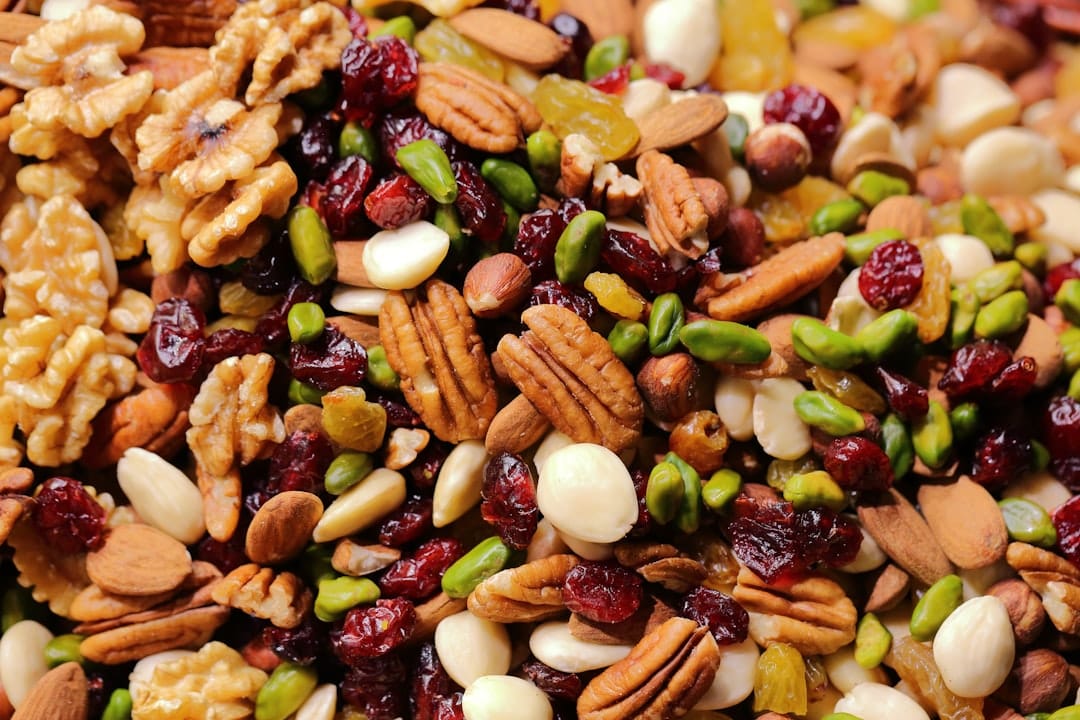
SaveNuts and seeds add crunch, healthy fats, and a solid fiber boost. Chia seeds and flaxseeds are especially notable—just a tablespoon of chia can contribute several grams of fiber.
5. Grains, Cereals, Snacks, and Pasta
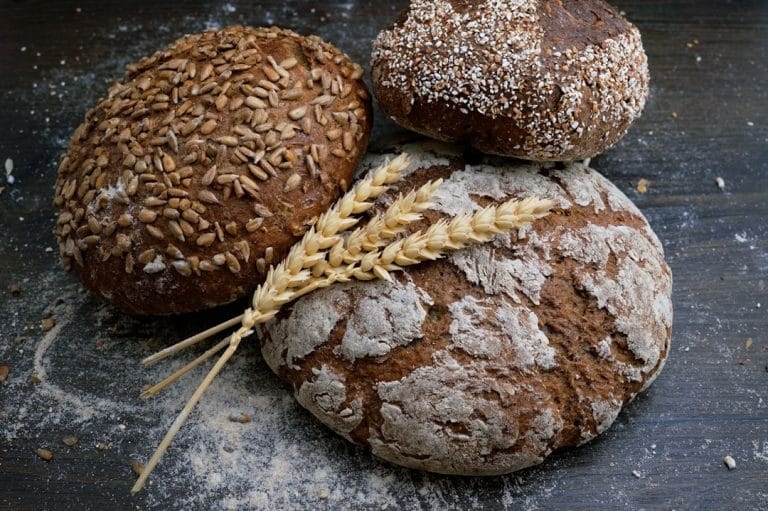
Whole grains such as brown rice, quinoa, oats, and whole-grain pasta offer far more fiber than their refined counterparts. Whole-grain cereals and popcorn make satisfying, fiber-friendly snacks.
Beyond these core groups, whole grains, kale, and flaxseeds are all worth keeping in regular rotation.
How Much Fiber Do You Need?
Your target depends on age and sex, according to USDA guidance. Men and women aged 19 to 50 should aim for about 38 g and 25 g per day, respectively. After age 50, the recommendations shift to roughly 30 g for men and 21 g for women.
Hitting those numbers is easier than it sounds. One blogger who set out to reach 38 g a day leaned on simple combinations—chia seeds (5 g per tablespoon), popcorn (4 g per two cups), almonds (4 g per quarter cup), avocado (5 g per half), and a little dark chocolate (2 g per ounce). If you have specific health concerns, a registered dietitian can tailor a plan to your history.
How to Eat More Fiber
 Save
SaveSmall swaps add up quickly:
Choose whole grains like brown rice and quinoa over refined ones.
Fill half your plate with vegetables at meals.
Trade chips and cookies for raw veggies, fruit, or nuts.
Leave the skin on fruits and vegetables when you can.
Mix sources—sprinkle nuts and seeds over salads or fruit for extra crunch and fiber.
A gentle reminder: If you’re new to a high-fiber diet, increase your intake gradually and drink plenty of water. This helps you sidestep bloating and digestive discomfort.
Frequently Asked Questions
What are common misconceptions about fiber?
Many people assume all fiber is identical, but there are two types—soluble (in fruits and legumes) and insoluble (in wheat and vegetables). Another myth is that fiber only comes from whole grains, when fruits, vegetables, and legumes are excellent sources too. And while supplements exist, a balanced diet can usually provide all the fiber you need.
Are eggs, milk, or chicken high in fiber?
No. Fiber comes from plants, so eggs, milk, and chicken contain none. Pair these foods with vegetables, whole grains, or legumes to round out your meal.
Which drinks contain fiber?
Prune juice is notably high in fiber. Chia water and fruit or vegetable smoothies also contribute a helpful amount.
The Bottom Line
Fiber is a complex carbohydrate your body can’t fully digest—and that’s exactly why it’s so valuable. It promotes fullness, may support weight management, helps ease constipation, supports healthy cholesterol, and feeds the beneficial bacteria in your gut. By building meals around vegetables, fruit, legumes and lentils, nuts, seeds, and whole grains, you can comfortably reach your daily target. Start slowly, stay hydrated, and let small, consistent swaps do the work.
This article is for informational purposes only and is not a substitute for professional medical advice. Consult a qualified healthcare provider or registered dietitian before making significant changes to your diet, especially if you have an existing health condition.