

Tame the midday shine and keep your skin fresh — without a single mystery ingredient.
If your face turns into an oil slick a few hours after washing, you are not alone, and you are not doing anything wrong. Oily skin simply produces more sebum, which attracts dust and leftover grime that a quick cleanse doesn’t always lift away. That’s where toning comes in. A good toner sweeps up the last traces of impurities, helps balance your skin’s pH, tightens the look of pores, and creates a smooth canvas for your moisturizer.
The best part? You don’t need a shelf full of pricey bottles. Many gentle, effective toners can be made from things already sitting in your kitchen. Below are twelve simple homemade toners for oily skin, plus how to use them and what to watch out for.
Key Takeaways
– Homemade toners are budget-friendly, low-ingredient alternatives built from pantry staples like aloe vera, cucumber, and green tea.
– The right toner helps control excess oil, refine the look of pores, calm irritation, and rebalance your skin’s pH.
– Always apply toner to a freshly cleansed face, ideally with a cotton pad, once or twice a day.
– Most fresh toners keep for only one to two weeks in a cool, dark spot.
– Patch test every new recipe first — natural doesn’t automatically mean irritation-free.
Why Toning Matters for Oily Skin
Cleansing removes the bulk of surface dirt, but it rarely gets everything. Toning is the follow-up step that clears out what’s left, soothes the skin, and preps it to absorb the next layer of your routine. For oily skin especially, this extra pass helps keep pores from clogging and can visibly reduce shine throughout the day.
Think of toner as the bridge in the classic cleanse-tone-moisturize sequence. Skip it and your moisturizer sits on top of residue; include it and everything works a little better.
12 Homemade Toners to Try
Apple Cider Vinegar
 Save
SaveA diluted vinegar rinse is one of the most popular DIY options. Stir one tablespoon of apple cider vinegar into a cup of water, soak a cotton pad, and sweep it over your face, concentrating on oil-prone zones. Many people notice far less midday greasiness with regular use.
One important caveat: ACV won’t dissolve stubborn makeup. If you wear heavy foundation, remove it first with an oil-based cleanser followed by a mild face wash, or the residue can settle into pores and trigger breakouts.
Aloe Vera
 Save
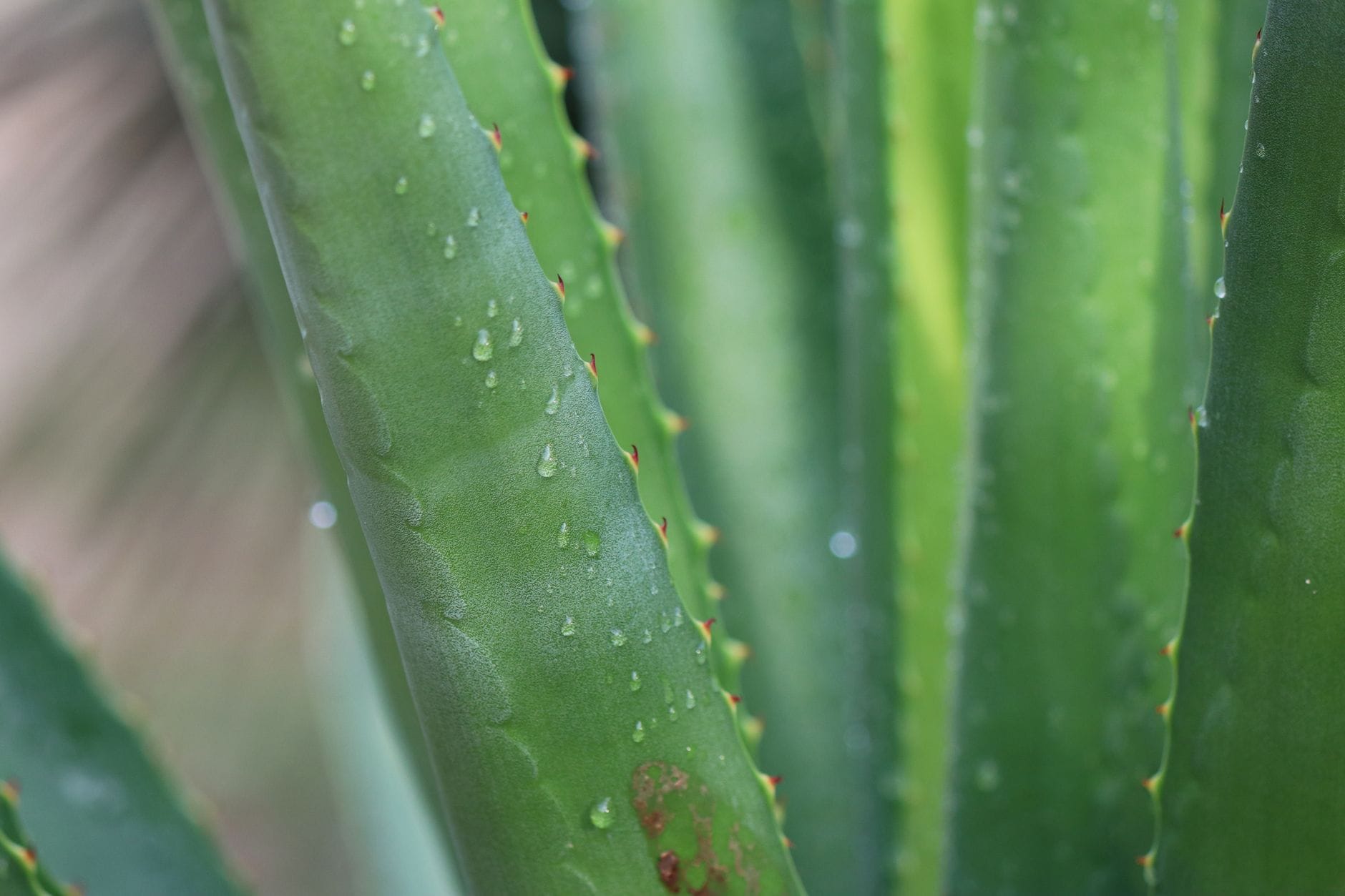
SaveSlice open an aloe leaf and scoop out the gel. Blend two tablespoons of it with a cup of cool water, then apply with a cotton pad. Beyond mopping up excess oil, this soothing solution is lovely for calming sunburn and minor rashes.
Cucumber
Chop about two-thirds of a fresh cucumber and simmer it in a cup of water for roughly eight minutes, until it reaches a boil. Blend, let it cool, then strain out the pulp with a sieve. The cooling liquid that’s left makes a refreshing, hydrating toner.
Ice Cold Water
The simplest recipe of all: after washing, dab ice-cold water across your face with a cotton pad, or rub an ice cube directly over the skin. It’s an instant way to tighten the look of pores and wake up a tired complexion.
Camphor with Rose Water
Drop a pinch of camphor into a bottle of rose water and shake. Apply after every cleanse for a light, fragrant finish that helps keep oil in check.
White Vinegar and Rose Water
If you don’t have ACV on hand, stir a tablespoon of white vinegar into a bottle of rose water and use it to tone after washing.
Lemon Juice
Dilute one tablespoon of lemon juice in a cup of water and swipe it on with a cotton pad. You can also rub a spent lemon peel over your skin and wipe away any residue. Lemon helps fade tan and rein in oiliness — but always dilute it and avoid direct sun afterward.
Mint Leaves
 Save
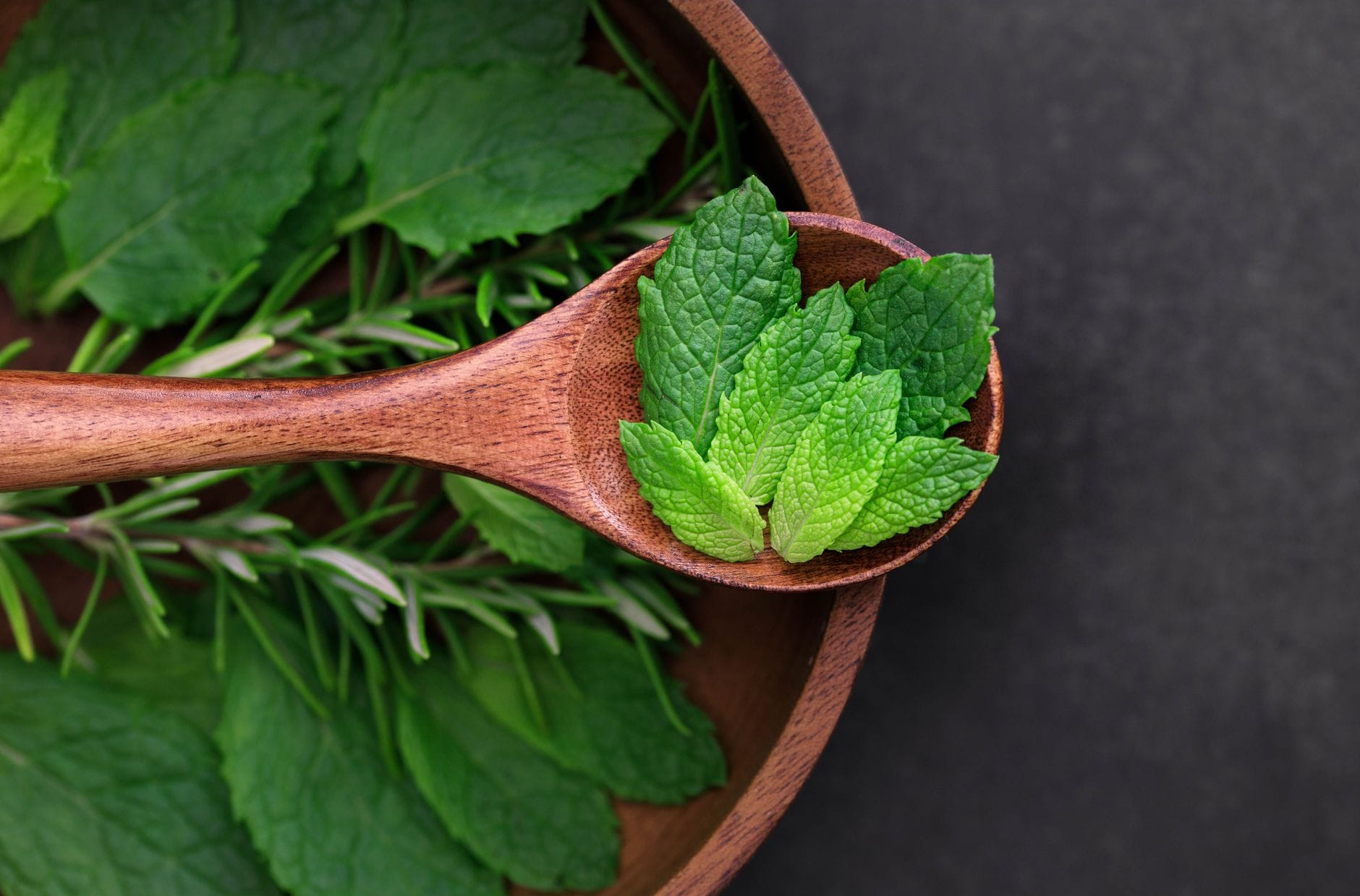
SaveBoil about six cups of water, toss in a few mint leaves while it’s still hot, and let it cool completely. Saturate a cotton pad and wipe your face for a crisp, refreshing tone.
Raw Mango Seed
Don’t toss those mango seeds. Boil the seeds from a couple of raw mangoes in three to four cups of water for 30 minutes, cool, and strain. Use the liquid to tone after each wash.
Green Tea and Herbal Options
 Save
SaveGreen tea is rich in compounds that suit oily, blemish-prone skin. Simply brew a cup, let it cool, and use it straight as a toner.
For a chamomile version, steep a tea bag in a cup of water for five minutes, cool, and bottle it. Prefer a floral spritz? Steep half a cup of dried hibiscus in hot water for ten minutes, strain, stir in a tablespoon of witch hazel, and decant into a spray bottle for twice-daily use.
Lemon Juice with Peppermint Tea
Steep a peppermint tea bag in a cup of hot water, remove it, then stir in a tablespoon of lemon juice. Let it cool and apply with a cotton pad for a bright, tingly finish.
Rosemary Mint
For a herb-garden blend, infuse a quarter cup of fresh mint leaves and two and a half tablespoons of fresh rosemary needles in a cup of boiled water for 10 to 15 minutes. Strain, add two tablespoons of witch hazel, and refrigerate. Use it up within three weeks.
How to Use and Store Your Toner
Apply toner to clean skin, either patting it on with clean hands or a cotton pad. Once daily is plenty if your skin runs sensitive; twice daily works for sturdier complexions. Because these blends are preservative-free, keep them in a cool, dark place and use most within one to two weeks (refrigerated herbal blends may last up to three).
Frequently Asked Questions
How often should I use a homemade toner?
Once or twice a day works for most people. If your skin feels tight or reactive, start with once daily and build up slowly.
Is rose water a good toner for oily skin?
Yes. Rose water suits oily, acne-prone skin and contains rose essential oil, which has been shown to fight acne-causing bacteria. It can help calm breakouts while keeping skin balanced.
What can I use instead of a store-bought toner?
Rose water and rice water are both gentle stand-ins that help control oil and guard against breakouts, usually with fewer added chemicals. Just confirm the ingredients agree with your skin.
The Bottom Line
Toning is a small step with an outsized payoff for oily skin — clearer pores, less shine, and a calmer, more balanced complexion. With ingredients as ordinary as cucumber, green tea, and a splash of vinegar, you can build an effective routine for pennies. The golden rules stay the same: cleanse first, patch test anything new, apply to clean skin, and store your fresh batches for only a week or two. Listen to how your skin responds, and adjust as you go.
This article is for informational purposes only and is not a substitute for professional medical advice. If you have persistent skin concerns, allergies, or a diagnosed skin condition, please consult a qualified dermatologist before trying new remedies.