
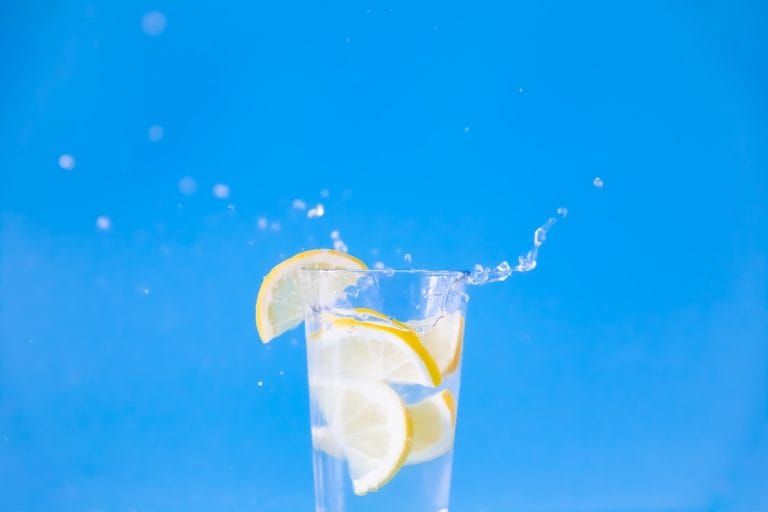
A daily lemon habit is mostly harmless, but the acid adds up in ways your teeth, stomach, and skin may notice.
Lemon water has a reputation as the simplest healthy habit there is. Squeeze, stir, sip. For most people, a glass now and then causes no trouble at all, and it can be a pleasant way to drink more water.
The catch is the acid. Lemons are intensely acidic, and when you drink them daily (or several times a day), that acidity can start working against you. Researchers have documented real effects on tooth enamel, and there are plausible concerns around reflux, mouth sores, and skin reactions worth knowing before you commit to a big pitcher every morning.
Key Takeaways
– Citric acid can soften and erode tooth enamel over time; drinking through a straw and brushing your teeth afterward may help.
– Lemon juice on the skin plus sunlight can cause phytophotodermatitis, a blistering burn triggered by compounds called psoralens.
– Citrus may aggravate heartburn, reflux, and existing canker sores in people prone to them.
– Some reported effects, like frequent urination and nausea, have little research behind them.
– Moderation matters more than avoidance: dilute well and pay attention to how your body responds.
What Lemon Water Does to Tooth Enamel
 Save
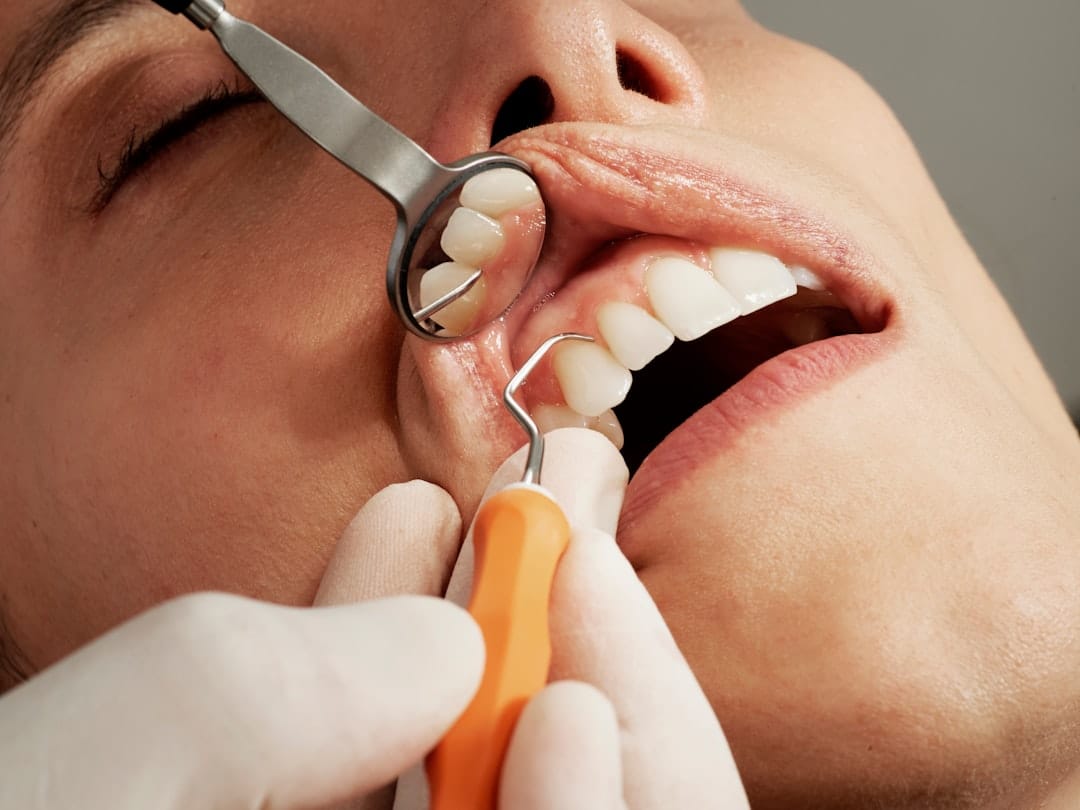
SaveThis is the best-documented risk. One published case report describes a woman who developed enamel erosion and dentinal hypersensitivity, that sharp zing when something cold or sweet touches an exposed surface, after frequently drinking lemon juice (1). A Brazilian study went further and found lemon juice corroded teeth about as aggressively as soft drinks, since both sit in a similar acidity range (2).
Registered dietitian Allyson Brigham puts it plainly: enamel deterioration from the citric acid in lemon juice is common.
A few habits reduce the damage without giving up the drink. Sip through a straw so the liquid bypasses your front teeth. Brushing your teeth soon after drinking may help prevent erosion. Keep up brushing and flossing twice a day, since good baseline oral care protects enamel over the long run (3).
Lemon on Your Skin and the Sun
 Save
SaveLemon juice belongs in your glass, not on your face before a beach day. Lemons contain psoralens, chemicals that react with sunlight and can trigger phytophotodermatitis, a nasty condition that shows up as blisters and dark patches where the juice touched your skin (4). It behaves like a severe, localized sunburn.
There is also a more distant question mark. One study linked higher citrus consumption to an increased risk of melanoma, again pointing to psoralens as the possible mechanism (5). The authors themselves called for more research, so treat this as an open question rather than a reason to quit oranges and lemons. The practical advice is simpler: wash citrus juice off your hands and skin before heading into strong sun.
Can It Make Heartburn and Canker Sores Worse?
If you already deal with acid reflux, lemon water sits in a gray zone. Studies have found that people reporting reflux symptoms tended to consume more citrus fruits and juices (7). The proposed explanations include acid weakening the lower esophageal sphincter and reactivating pepsin, a protein-digesting enzyme, in the throat. Neither mechanism is firmly established, and anecdotally some people say lemon water actually soothes their symptoms. If you have GERD or a peptic ulcer, check with your doctor before making it a habit.
Canker sores are a clearer case. These shallow, painful ulcers inside the mouth do not appreciate an acid bath, and research suggests citric acid may provoke them (6). If you have an active sore, skip citrus entirely until it heals.
One more caution: lemon juice can interact with certain medications, particularly calcium antagonists. If you take prescription drugs, ask your pharmacist whether citrus is a problem.
Migraines and Other Reported Reactions
 Save
SavePeople prone to migraines sometimes name citrus as a trigger, and there is some research to back that up. The suspect is tyramine, a compound found in citrus fruits that may set off an attack, possibly through an allergy-like response (8). If you notice headaches after your morning glass, it is worth a trial week without it.
Nausea and vomiting have also been reported after large amounts, roughly more than two lemons’ worth or three cups of diluted juice. One theory is that the body flushes out excess vitamin C and drags your stomach along for the ride. This part is far less settled, though. Similarly, the claim that lemon water causes iron overload is unsupported; vitamin C does boost iron absorption, but studies (in rats) found this mainly helped correct iron deficiency anemia (9).
Why You Might Be Running to the Bathroom
 Save
SaveSome people, women especially, report urinating more often when they drink a lot of lemon water. Honestly, the water itself probably deserves most of the blame. Warm lemon water is sometimes described as a mild diuretic, and in theory heavy urine output could flush sodium and other electrolytes along with it, leaving you slightly dehydrated. Acidic foods are also believed to irritate the bladder in sensitive people.
None of this has solid research behind it. A reasonable test is to drop citrus for a week and see whether anything changes. If the urgency continues, that is a conversation for your doctor, not your fruit bowl.
A Sensible Way to Keep the Habit
You do not need to swear off lemons. Dilute the juice well, drink it with meals rather than on an empty stomach if reflux is an issue, use a straw, and brush your teeth afterward. Eating a whole raw lemon is technically possible but not recommended, since the concentrated acid can irritate your mouth, throat, and stomach. As with most good things, the dose makes the difference.
Frequently Asked Questions
Is it safe to drink lemon water every day?
For most healthy people, yes, in moderation. The main long-term concern is enamel erosion, so dilute the juice, use a straw, and brush your teeth afterward.
Should I brush my teeth right after drinking lemon water?
Brushing your teeth soon after drinking may help prevent enamel erosion. Consistent twice-daily brushing and flossing supports enamel health overall, so keep that routine regardless.
Can lemon water interfere with medications?
It may, particularly with calcium antagonist drugs. If you take any regular medication, confirm with your doctor or pharmacist before drinking lemon juice daily.
The Bottom Line
Lemon water is refreshing and generally safe, but it is not consequence-free at high doses. The strongest evidence concerns tooth enamel, which citric acid demineralizes much like soda does. Skin reactions with sun exposure, aggravated heartburn, irritated canker sores, and migraine triggers are documented or plausible for susceptible people, while claims about frequent urination, nausea, and iron overload remain mostly unproven. Enjoy it diluted and in moderation, and stop if your body pushes back.
This article is for informational purposes only and is not a substitute for professional medical advice, diagnosis, or treatment. Always consult a qualified healthcare provider with questions about a medical condition or before changing your diet.