
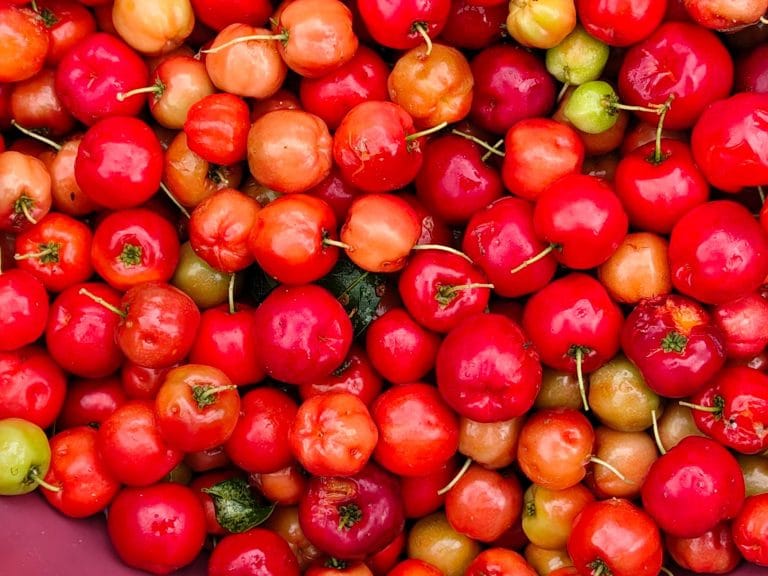
A tiny tropical cherry with one of the highest natural vitamin C contents on the planet.
If you’ve never heard of acerola, you’re not alone — but this small red fruit has quietly earned a big reputation among nutritionists. Native to the West Indies and parts of Central and South America, acerola (sometimes called the Barbados or West Indian cherry) packs an extraordinary amount of vitamin C into each bite, along with a useful spread of antioxidants. It’s been used in traditional medicine for everything from coughs and colds to supporting healthy skin.
Here’s what acerola actually does, how to work it into your routine, and how much is sensible.
What Is Acerola Cherry?
 Save
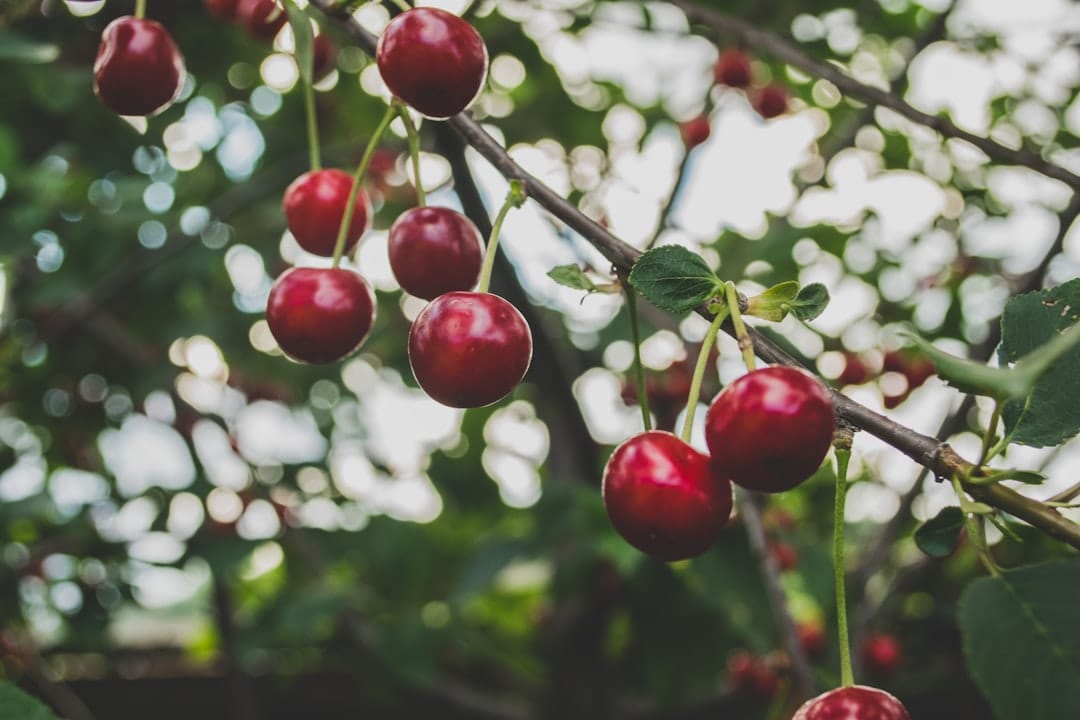
SaveAcerola is a small, bright-red fruit from a shrub in the Malpighiaceae family. It looks a little like a regular cherry but is tart and juicy, and it’s most famous for its vitamin C density — gram for gram, far higher than oranges (1). Because the fruit is so perishable, you’ll most often find it as a juice, a powder, or a supplement rather than fresh in the produce aisle. It also supplies plant compounds like carotenoids and polyphenols that act as antioxidants (2).
Key Takeaways
– Vitamin C giant — acerola is one of the richest natural sources of vitamin C, supporting immunity and collagen.
– Skin support — vitamin C is essential for collagen, which keeps skin firm and elastic.
– Antioxidant rich — its polyphenols and carotenoids help fight oxidative stress.
– Small amounts go far — about three fruits a day is plenty given the high vitamin C content.
– Don’t overdo it — too much can cause digestive upset.
4 Science-Backed Benefits
1. A Vitamin C Powerhouse for Immunity
 Save
SaveThis is acerola’s headline act. Vitamin C is central to a well-functioning immune system, helping your body fend off and recover from everyday infections like colds (3). Because acerola is so concentrated, a small serving can cover — or exceed — your daily vitamin C needs. That’s also why it shows up in so many immune-support supplements.
2. Brighter, Firmer Skin
Vitamin C is a building block for collagen, the protein that keeps skin firm, smooth, and elastic (4). It also acts as an antioxidant in the skin, helping to neutralize the free radicals that contribute to dullness and premature aging. A steady dietary supply of vitamin C is one of the simplest ways to support your skin from the inside out.
3. Brain and Mood Support
Your brain relies on antioxidants to protect its cells from oxidative stress, and vitamin C plays a role here too. Research links adequate vitamin C status to healthy cognitive function as we age (5). While acerola isn’t a magic brain pill, it contributes to the broader pool of antioxidants your nervous system depends on.
4. Everyday Antioxidant Protection
 Save
SaveBeyond vitamin C, acerola delivers polyphenols and carotenoids that help counter oxidative stress throughout the body (2). Chronic oxidative stress is linked to inflammation and many age-related conditions, so an antioxidant-rich diet is a sensible long-term investment — and acerola is a flavorful way to add to it.
How to Enjoy Acerola
 Save
SaveFresh acerola is hard to come by outside the tropics, but you have easy alternatives:
Powder — stir acerola powder into smoothies, yogurt, or oatmeal for a vitamin C boost.
Juice — drink it on its own (it’s tart) or blend it into fruit juices.
Supplements — capsules and tablets are widely sold as a natural vitamin C source.
Fresh — if you can find it, eat it as-is or toss it into fruit salads.
How Much Is Safe?
Because acerola is so vitamin-C-dense, you don’t need much. A common guideline is around three acerola fruits per day for an adult, which already supplies generous vitamin C. If you’re using powder or supplements, follow the product’s serving size and keep an eye on your total daily vitamin C from all sources. Most healthy adults tolerate vitamin C well, but very high intakes offer no extra benefit and can cause discomfort.
Side Effects and Precautions
Acerola is safe for most people in food amounts, but more isn’t better. Excess vitamin C can cause:
Digestive upset — diarrhea, nausea, heartburn, or stomach cramps.
Sleep disruption — some people report restlessness with very high doses.
If you have kidney issues, a history of kidney stones, or take medication, check with your doctor before using concentrated acerola supplements. As with any supplement, moderation is the rule.
Frequently Asked Questions
Is acerola better than oranges for vitamin C?
By weight, acerola contains dramatically more vitamin C than oranges — which is exactly why it’s used in supplements. That said, whole oranges bring fiber and other nutrients too, so think of acerola as a concentrated booster rather than a replacement for a varied diet.
Can I take acerola every day?
Yes, in sensible amounts. Stick to the serving size on supplements or roughly three fruits a day, and you’ll get the benefits without overdoing the vitamin C.
Does acerola help with colds?
Vitamin C supports immune function and may modestly ease cold symptoms, so acerola can be a helpful part of your routine — though no single food prevents colds outright.
The Bottom Line
Acerola is a small fruit with an outsized nutritional punch, thanks mainly to its remarkable vitamin C content and supporting antioxidants. Used sensibly — a few fruits, a scoop of powder, or a measured supplement — it’s an easy way to support your immunity, skin, and overall antioxidant defenses. Keep portions modest, and if you have an existing health condition, run concentrated supplements past your doctor first.
This article is for general informational purposes only and isn’t a substitute for professional medical advice, diagnosis, or treatment. Consult a qualified healthcare provider before starting new supplements, especially if you have a health condition or take medication.