
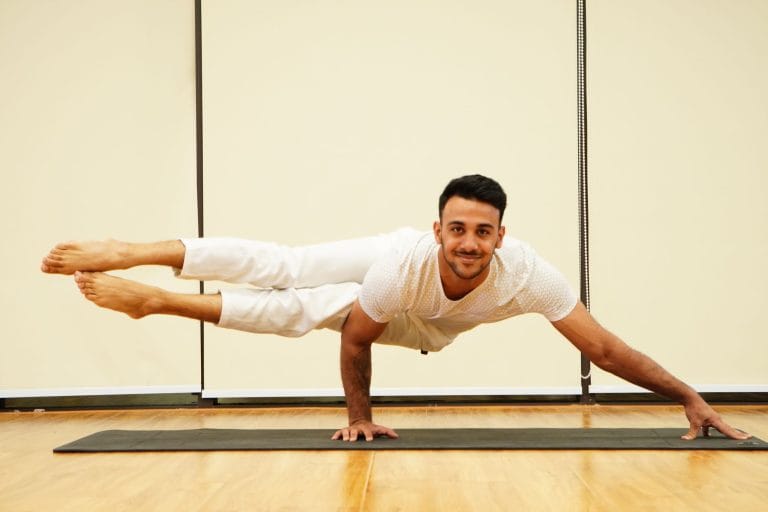
Yoga isn’t one thing — it’s a whole family of practices, and there’s a style for almost everyone.
If you’ve been put off yoga because you pictured either impossible pretzel poses or a room full of chanting, here’s the good news: “yoga” is an umbrella term covering many very different styles. Some are slow and gentle, some are athletic and sweaty, and some lean into meditation and breathwork. The trick is matching the style to what you actually want — whether that’s flexibility, strength, stress relief, or a calmer mind.
More than a workout, yoga connects breath, body, and attention, which is why it tends to leave you feeling steadier as well as looser. Here’s a tour of nine popular styles and who each one suits.
What Makes Yoga Different from a Regular Workout
Yoga combines physical postures (asanas) with controlled breathing (pranayama) and a focus on the present moment. That mind-body link is what sets it apart — you’re training attention and breath as much as muscle. It builds discipline, balance, and a sense of calm alongside genuine physical fitness, which is why so many people describe it as a practice rather than just exercise (1).
Key Takeaways
– Yoga is a family of styles, from slow and restorative to fast and athletic.
– Beginners usually do best starting with Hatha or a slow Vinyasa class.
– Breath and attention are central, not optional extras.
– Benefits span flexibility, strength, balance, and stress relief (2).
– The best style is the one you’ll actually keep doing.
9 Types of Yoga
1. Hatha Yoga
“Hatha” is the foundation that most other styles grow from. Classes are slow-paced and focus on the basics — postures, breathing, and relaxation — without a continuous flow. That makes it ideal for beginners, and a nice way for experienced practitioners to slow down and reset.
2. Vinyasa Flow
 Save
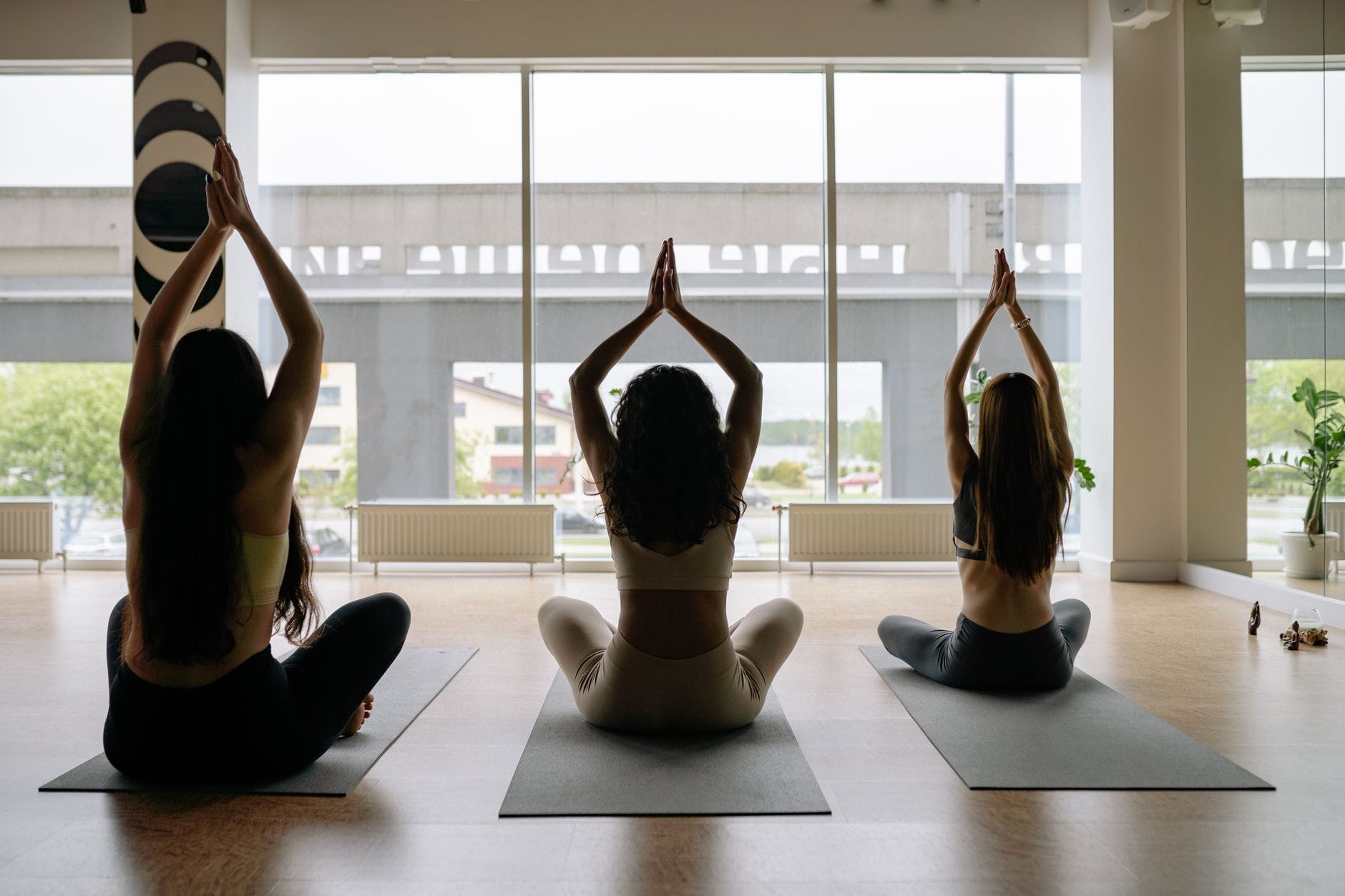
SaveVinyasa links movement to breath, flowing smoothly from one posture to the next. Classes vary a lot with the teacher — some are gentle and meditative, others fast and athletic. It’s great if you like variety and rhythm; just look for a slower class first if you’re new and work up to faster ones.
3. Iyengar Yoga
Iyengar is all about precise alignment. You hold each pose for a while and use props like blocks, straps, and blankets to get the position exactly right. Because it’s so adaptable, it’s a strong choice for people with injuries or chronic issues, and for anyone who loves understanding the details of a pose.
4. Bikram (Hot) Yoga
 Save
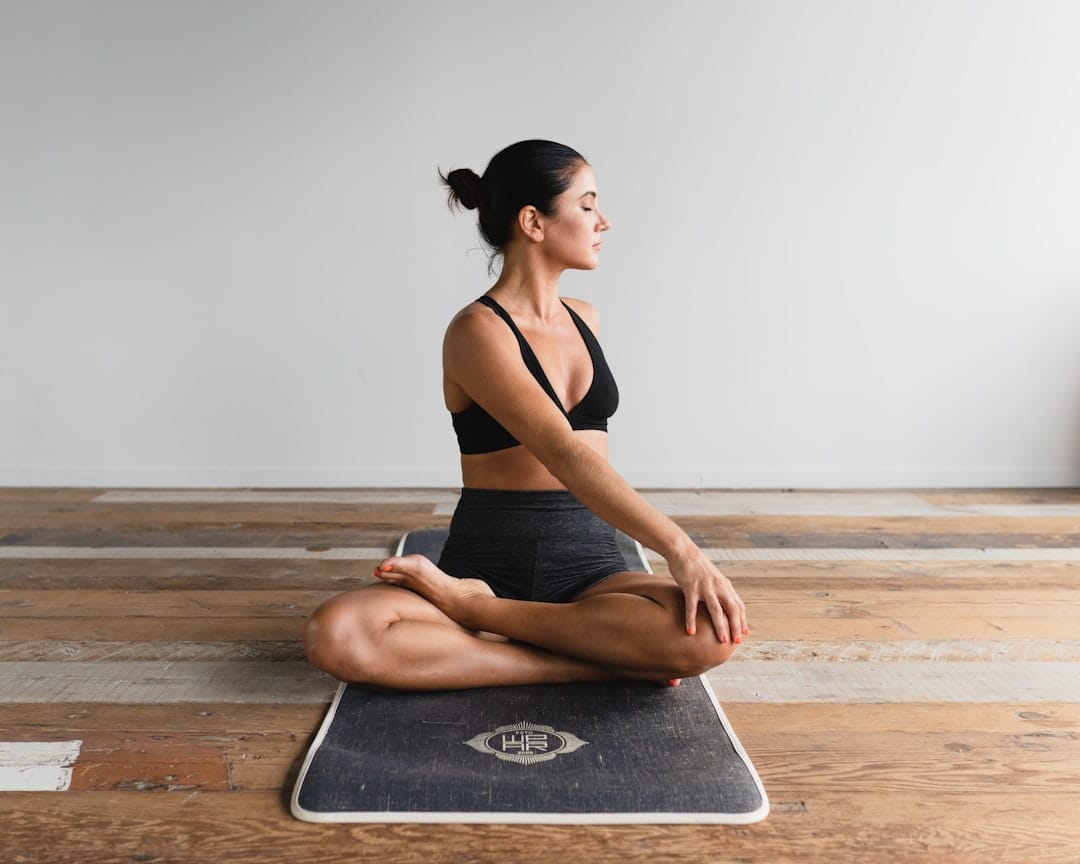
SaveBikram is practiced in a room heated to around 40°C with high humidity — so be ready to sweat. It follows a fixed sequence of 26 postures designed to work the whole body. Best for those who enjoy intensity and a serious sweat; skip it if you don’t tolerate heat well, and hydrate thoroughly.
5. Ashtanga Yoga
Often called “power yoga,” Ashtanga links breath to a defined, demanding sequence of poses. You master one series before progressing to the next, so it rewards commitment and structure. If you like a challenging, repeatable practice that builds real strength, this is it.
6. Jivamukti Yoga
Jivamukti blends Vinyasa-style movement with ethics, spirituality, and music. Classes often include intention-setting, chanting, and meditation alongside the physical practice. It suits people who want yoga as a complete lifestyle, mind and body together.
7. Kundalini Yoga
 Save
SaveRooted in breathwork and core activation, Kundalini focuses on awareness and energy, with plenty of meditation, chanting, and mudras. It’s physically and mentally demanding, and many find it genuinely transformative once they settle into it.
8. Anusara Yoga
A relatively modern, upbeat style, Anusara emphasizes alignment and a positive, “open your heart” philosophy. With its supportive tone and use of props, it’s welcoming for newcomers who are also up for a bit of soul-searching.
9. Yin Yoga
 Save
SaveYin is slow and meditative — you hold each pose for several minutes to gently stress the connective tissues, improving circulation and flexibility. It’s deeply relaxing and a wonderful counterbalance to busy, high-intensity routines or a stressful week.
The Benefits of a Regular Practice
Across styles, a consistent yoga habit can:
Improve flexibility and mobility as tight muscles and joints gradually open up.
Build strength and balance through holding and transitioning between poses.
Lower stress — the breath-and-attention focus calms the nervous system (2).
Support better sleep and mood by helping you wind down and regulate emotions.
How to Choose Your Style
New to yoga? Start with Hatha or a slow Vinyasa class.
Want intensity and sweat? Try Bikram or Ashtanga.
Need stress relief and recovery? Go for Yin or a restorative class.
Recovering from injury? Iyengar and its props are forgiving and precise.
Drawn to the spiritual side? Explore Kundalini or Jivamukti.
The best advice is simple: try a few. The “right” style is whichever one keeps you coming back to the mat.
Frequently Asked Questions
Which type of yoga is best for beginners?
Hatha is the classic starting point — slow, basics-focused, and gentle. A beginner-level Vinyasa class is another good option.
Can yoga help with weight loss?
More vigorous styles like Ashtanga and Bikram burn more calories, but yoga’s biggest contribution to weight management is often stress reduction and body awareness, which support healthier habits overall.
How often should I practice?
Even one or two sessions a week brings benefits. Consistency matters far more than intensity — a regular gentle practice beats an occasional hard one.
The Bottom Line
Yoga is far more varied than its reputation suggests, with a style to suit nearly any goal or temperament — from the gentle basics of Hatha to the heat of Bikram and the stillness of Yin. Pick a style that matches what you’re after, start where you are, and let consistency do the work. Whatever you choose, you’ll likely come away stronger, more flexible, and a little calmer.
This article is for general informational purposes only and isn’t a substitute for professional medical advice. If you’re pregnant, have an injury, or have a health condition, check with your doctor before starting a new yoga practice, and work with a qualified instructor.