
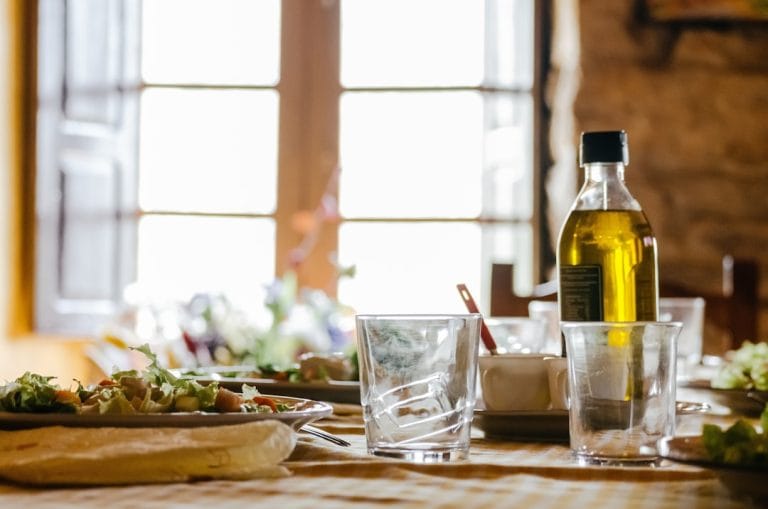
An affordable, versatile olive oil that quietly earns its place in the kitchen and beyond.
When most people picture olive oil, they think of the deep-green, fruity extra virgin variety poured over salads. But olive oil comes in several grades, and one of the most practical is often overlooked: pomace olive oil. Made from the olive pulp and flesh left behind after the first press, it is refined using solvent extraction (typically hexane), which makes it more affordable and gives it a lighter, more neutral character.
Because it is refined, pomace olive oil is sometimes dismissed as “low grade.” Yet it shares much of the nutrient profile of pricier olive oils and holds up beautifully to heat. Below, we walk through four ways this budget-friendly oil can support your skin, hair, heart, and cooking.
Key Takeaways
– Pomace olive oil is pressed from the olive pulp left over after extra virgin olive oil is made.
– It is rich in antioxidants that may help neutralize free radicals and soothe dry skin.
– Its high monounsaturated fat content may support healthier cholesterol levels and blood flow.
– A high smoke point makes it a stable, sensible choice for frying and other high-heat cooking.
– It is safe for nearly everyone, apart from those with an olive allergy, when used in moderation.
Nourishes Your Skin
 Save
SaveOne of the simplest ways to use pomace olive oil is straight on your skin. Because its composition is close to that of extra virgin oil but much gentler on the wallet, it is a common choice for massage and everyday skin care.
If your skin tends to feel tight or flaky, pomace oil can help. Olive-based products are known to nourish and comfort dry skin, and a small amount worked in during or after a bath can leave your skin feeling softer and more supple. Used regularly as a massage oil, it may help your complexion look smooth and refreshed.
Supports Hair and Scalp
The same qualities that help your skin can benefit your hair. Pomace olive oil is rich in antioxidants, which may help nourish a stressed or damaged scalp and reduce breakage.
To use it, warm a little oil and massage it directly into the scalp before washing. This can ease dryness and add a natural shine to dull strands. You can also stir a small amount into your usual conditioner to give it an extra boost, especially helpful if you struggle with a dry, itchy scalp or seasonal hair fall.
Helps Manage Cholesterol
 Save
SavePerhaps the most compelling reason to keep pomace olive oil in your pantry is its fat profile. Roughly 80% of its fat is monounsaturated, the type of plant-based fat associated with better cholesterol balance.
Why the fats matter
Monounsaturated fats may help lower unhealthy cholesterol, which is important because excess cholesterol can build up in the arteries that feed the heart. Keeping those arteries clearer allows blood to flow more freely and eases the workload on your heart. The oleic acid in the oil is also thought to help blood vessels relax, which may support healthier blood pressure. Together, these effects suggest pomace olive oil can be a heart-friendly addition to your diet.
What the research suggests
A large study following 60,582 women and 31,801 men in the United States found that a higher intake of olive oil was linked to a 19% lower risk of dying from cardiovascular disease, a 17% lower risk of cancer death, a 29% lower risk of death from neurodegenerative disease, and an 18% lower risk of respiratory-related death. Swapping just 10 grams a day of fats like butter, margarine, mayonnaise, or dairy fat for olive oil was tied to an 8–34% lower risk of overall and cause-specific mortality. Because pomace olive oil shares a similar nutrient makeup, it is reasonable to expect comparable benefits.
A Reliable Cooking Oil
 Save
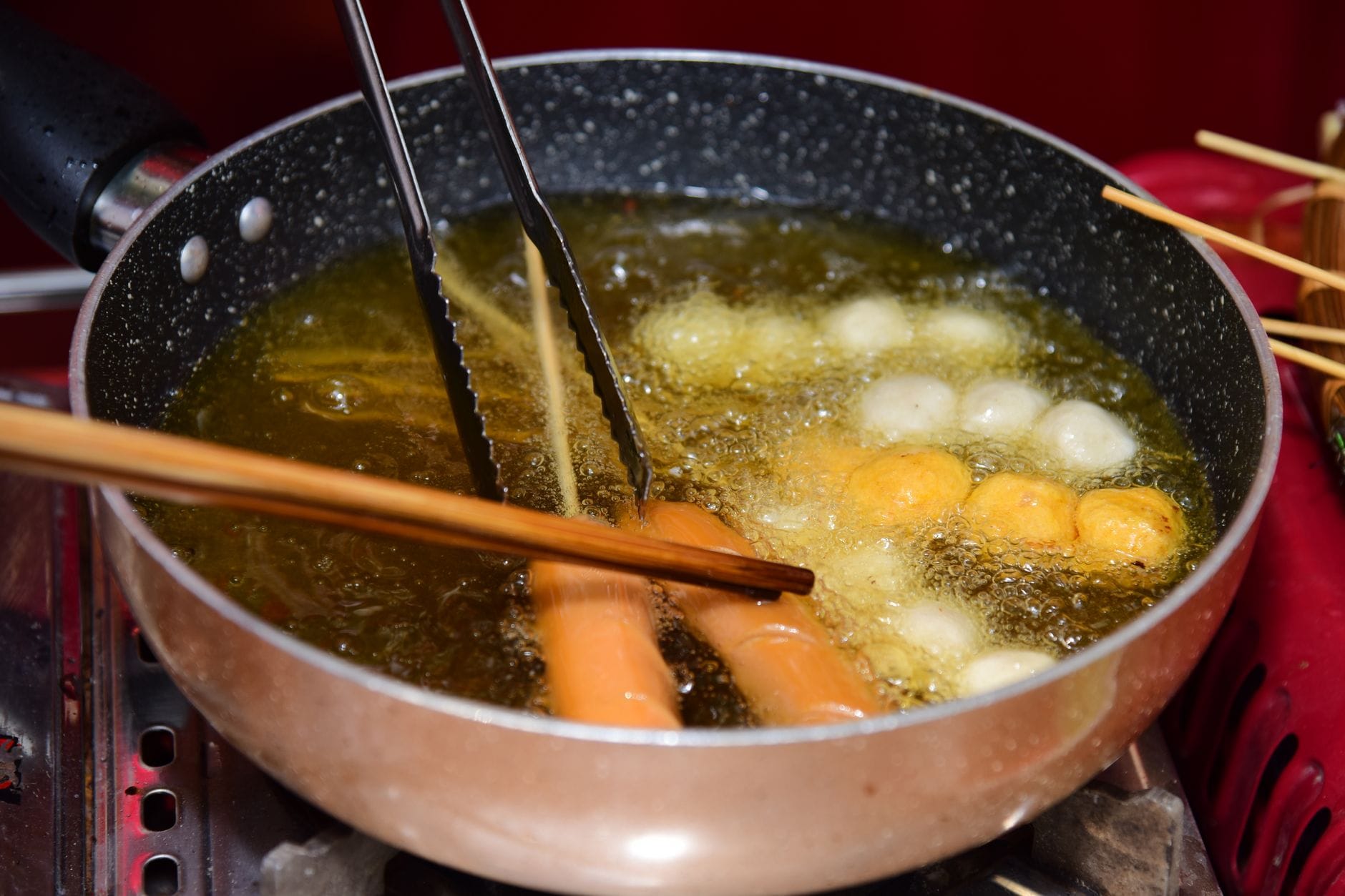
SaveWhere pomace olive oil truly shines is at the stove. Its light, neutral flavor won’t overpower a dish, and its high smoke point makes it one of the better olive oils for deep-frying and other high-heat methods.
That heat stability comes from naturally present compounds like squalene and β-sitosterol, which help the oil hold its structure at high temperatures. By contrast, many refined seed oils (such as sunflower oil) are high in linoleic acid, which degrades more readily when heated. Olive oil also spreads well, so a little goes a long way in the pan. As the primary fat in the Mediterranean diet, olive oil in all its forms has a long track record of supporting balanced, wholesome eating.
Nutritional Snapshot
 Save
SavePer 100 ml, pomace olive oil delivers roughly 800 kcal and 93.3 g of total fat, of which about 66.7 g is monounsaturated, 13.3 g is saturated, and 13.3 g is polyunsaturated. Within that fat, about 74% is oleic acid, close to 11% is palmitic acid, and around 9% is linoleic acid. It is also a good source of vitamin E, an antioxidant that supports skin and overall health.
The Trade-Offs to Keep in Mind
No oil is perfect, and pomace olive oil has a few drawbacks worth weighing. It is generally considered lower in quality than virgin grades, and its solvent-based refining can reduce some of its natural antioxidants. Its flavor is milder and less fruity, which some cooks miss. A few people find it slightly harder to digest, and because it is inexpensive and widely available, labeling isn’t always transparent, so buy from brands you trust.
Pomace vs. Extra Virgin Olive Oil
Extra virgin olive oil comes from the first cold pressing of olives, with no refining or chemical treatment, so it keeps its antioxidants, nutrients, and bold, fruity taste. It is best for dressings, drizzling, and gentle cooking. Pomace olive oil, drawn from the leftover pulp and refined with heat and solvents, loses some of those antioxidants but gains heat stability, making it the smarter pick for frying and baking. Think of them as partners rather than rivals: one for finishing, one for cooking.
Frequently Asked Questions
Is pomace olive oil safe to eat every day?
Yes. It is safe for daily use in moderate amounts for most people. The main exception is anyone with an olive allergy. As with any oil, overdoing it can contribute to weight gain and other issues, so keep portions sensible.
Can I fry with pomace olive oil?
Absolutely. Its high smoke point and heat-stable compounds make it one of the better olive oils for deep-frying and high-temperature cooking, where extra virgin oil is less suitable.
Is pomace olive oil as healthy as extra virgin olive oil?
It shares a similar fat and nutrient profile, so it offers many of the same benefits. However, refining reduces some of its antioxidants, so extra virgin oil remains the richer choice for raw, uncooked uses.
The Bottom Line
Pomace olive oil proves that “budget” doesn’t have to mean “compromise.” With a fat profile that may support your heart, antioxidants that care for skin and hair, and impressive stability at high heat, it earns a spot beside your extra virgin bottle rather than replacing it. Use extra virgin for drizzling and finishing, and reach for pomace when the pan gets hot. Buy from a reputable brand, use it in moderation, and it can be a practical, wholesome staple in everyday cooking.
This article is for informational purposes only and is not a substitute for professional medical advice. Consult a qualified healthcare provider before making changes to your diet, especially if you have a health condition or a known allergy.