
A dreamy water lily with a 3,000-year backstory, and a look at what it can and can’t do.
Long before it showed up in tea sachets and tincture bottles, the blue lotus flower was painted on Egyptian tomb walls and steeped in ritual wine. Ancient cultures treated it as something close to sacred, a bridge to the divine and a way to loosen the mind. Today most people reach for it hoping to unwind, sleep more soundly, or take the edge off a stressful week.
So how much of the old reputation holds up? Some of it has a foothold in modern research, and a fair amount is still traditional lore. Here’s an honest walk through what this flower is, what it may do, and where you should be careful.
Key Takeaways
– The blue lotus flower (Nymphaea caerulea) is a water lily used for centuries in Egyptian, Mayan, Ayurvedic, and Chinese traditions.
– Its alkaloids, mainly nuciferine and apomorphine, may lift mood, ease anxiety, and support sleep.
– Antioxidants in the flower are linked to anti-aging skin benefits, and one small study found it helped acne.
– The gentlest way to try it is a tea brewed from dried petals; keep the amount modest.
– High doses can trigger real side effects, including disorientation, chest pain, and hallucinations.
A Gentle Psychoactive with Ancient Roots
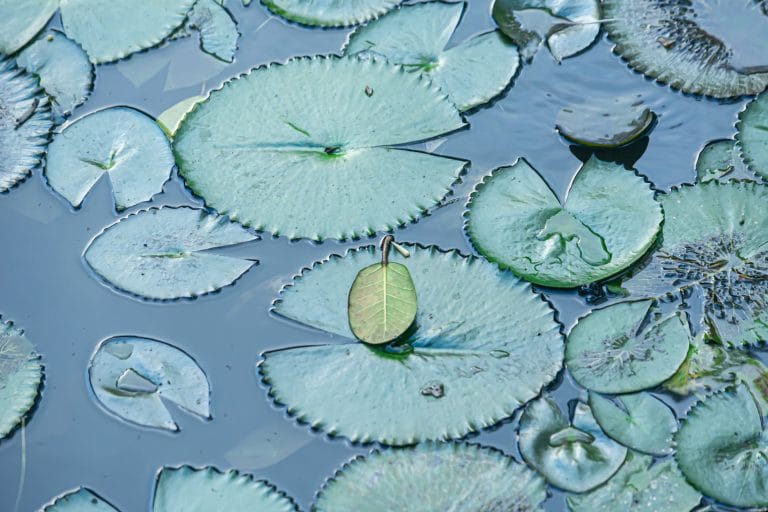
Native to lakes and slow rivers across Africa and Asia, including the Nile itself, Nymphaea caerulea goes by several names: blue Egyptian lotus, blue water lily, and the sacred blue lily of the Nile. It’s a perennial aquatic plant, and nearly every part of it has been put to use somewhere.
Folk healers, Ayurvedic practitioners, and traditional Chinese medicine all had a role for it. The flowers served as a sleep aid, a detoxifier, and a supposed aphrodisiac, while the whole plant was used as an astringent and diuretic. The rhizome was applied to inflammation and blood sugar, the leaves to bleeding disorders, and the seeds to a long list of ailments. In Chinese tradition, the seed embryo (Lian Zi Xin) was reserved for restlessness, insomnia, and heart concerns.
The historical mood-altering angle is real, too. Wellness educator Jade Sancho-Duser notes that Egyptians steeped blue lotus in wine alongside herbs like poppy, producing euphoric effects that some have compared, loosely, to MDMA, and served it at large celebrations. She adds that the flower is only mildly psychoactive on its own; the effect sharpens noticeably in an alcohol-based tincture.
What the Flower May Do for You
Two alkaloids do most of the interesting work here. Apomorphine and nuciferine appear to nudge dopamine and serotonin, the neurotransmitters tied to mood and calm. That chemistry underpins most of the claims below, though the evidence is uneven from one benefit to the next.
Mood and mild euphoria
Along with tannins, phenolic acids, and flavonoids, the flower’s alkaloids may prompt a gentle release of feel-good neurotransmitters. The result is often described as a soft lift in mood or mild euphoria rather than anything dramatic. Anecdotal reports of visual or auditory hallucinations exist, but those tend to involve large quantities.
Sleep and vivid dreams
Nuciferine seems to amplify the sleep-promoting action of apomorphine, and the pairing may help you drift off and wake without the grogginess or hallucinations of heavier sedatives. Apomorphine itself is used clinically, including for sleep troubles linked to Parkinson’s disease. Tea drinkers frequently mention more lucid, vivid dreams, which is the kind of claim that’s fun to hear but hard to measure.
Easing anxiety
An ethanolic extract of the flowers has shown anxiolytic and muscle-relaxant effects in research, which lines up with the way Eastern medicine has long used lotus blossoms to settle emotional unrest. Apomorphine has also been connected to lower anxiety. Still, this part is less settled, and larger human studies would help confirm how well it works and at what dose.
Skin and signs of aging
 Save
SaveSkincare and perfumery are, in fact, the two legal uses Jade points to for the flower. Its antioxidants may help neutralize free radicals and slow visible aging, which is why it turns up in creams and serums much like other botanical antioxidants such as those found in cacao’s skin-friendly compounds. One study at the University of Natham tested blue lotus extract on 42 people over a month; the treated group saw a 76% improvement in acne versus 4.2% for placebo, with fewer comedones, papules, and pustules. That antioxidant profile echoes what you find in other richly pigmented plants, from the deep-purple rind of mangosteen to dark berries.
Menstrual comfort
In Ayurveda and Siddha medicine, the closely related Indian blue lily (Nymphaea stellata) is a traditional remedy for irregular cycles, used on its own or blended with other herbs. People who drink the tea say it eases cramps and helps steady their cycle, but solid clinical research to explain the mechanism isn’t there yet.
How People Use It
 Save
SaveThe most common route is tea. As registered dietitian Pallini Winnifred describes it, blue lotus tea is simply the petals steeped in hot water, and drinkers reach for it hoping to reduce stress, aid digestion, and feel more relaxed.
Brewing blue lotus tea
 Save
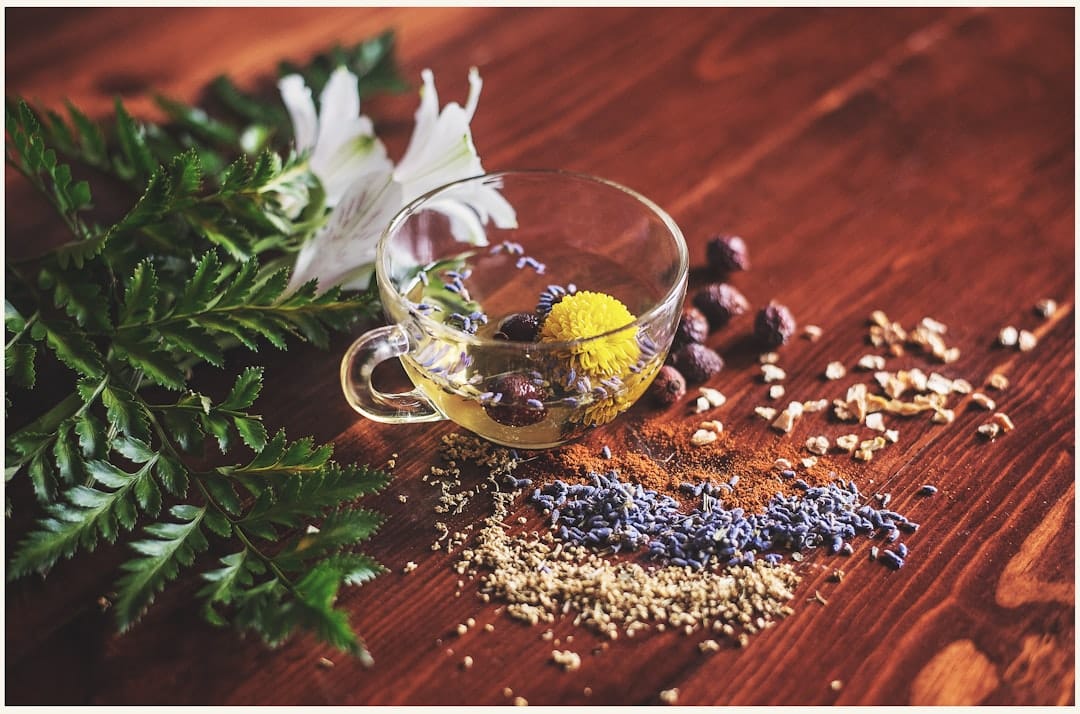
SaveSteep about 5 grams (roughly 0.17 oz) of dried petals in 250 to 500 mL of hot water. There’s no officially agreed dosage, so that range is a reasonable starting point rather than a prescription. Start low, see how your body responds, and don’t stack it with alcohol if you want to keep the effect gentle. A calming, fragrant ritual like this pairs naturally with other soothing botanicals, in the same spirit that sandalwood’s grounding aroma shows up in wind-down routines.
Buying and Storing
Dried petals, whole flowers, teas, and tinctures are sold through wellness retailers and online shops. Keep fresh flowers in a vase at room temperature or in the fridge; store dried petals somewhere cool and dry, away from direct light, so they hold their color and potency.
Side Effects and Cautions
 Save
SaveSmall amounts are generally described as mild, but this flower is not risk-free. Large doses have been associated with an altered mental state, anxiety, chest pain, brief drops in oxygen, disorientation, and hallucinations. The effects intensify sharply in alcohol-based tinctures. If you’re pregnant, nursing, taking medications that affect the brain, or managing a health condition, talk to a clinician before trying it. And because legal status varies by region, it’s worth checking your local rules first.
Frequently Asked Questions
Is blue lotus flower legal?
It depends on where you live. In many places it’s sold openly for skincare, perfumery, and tea, but some regions restrict it. Check your local regulations before buying or traveling with it.
Will blue lotus tea make me hallucinate?
Typically no, not at modest amounts. It’s usually described as mildly psychoactive and calming. Hallucinations are linked to very large quantities or potent alcohol tinctures, not a single cup of tea.
Can I take it every day?
There’s no established safe daily dose, so routine heavy use isn’t well studied. If you use it, keep the amount small and occasional, and stop if you notice any of the side effects above.
The Bottom Line
The blue lotus flower is a genuinely fascinating plant with real chemistry behind its calming, sleep-supporting reputation, plus promising early hints for skin. It’s also easy to overdo, and much of its lore still outpaces the science. Treat it as a gentle addition to a wind-down routine rather than a cure, keep your doses modest, and let a healthcare provider weigh in if you have any concerns.
This article is for informational purposes only and is not a substitute for professional medical advice. Always consult a qualified healthcare provider before using blue lotus flower or any new supplement, especially if you are pregnant, nursing, taking medication, or managing a health condition.