
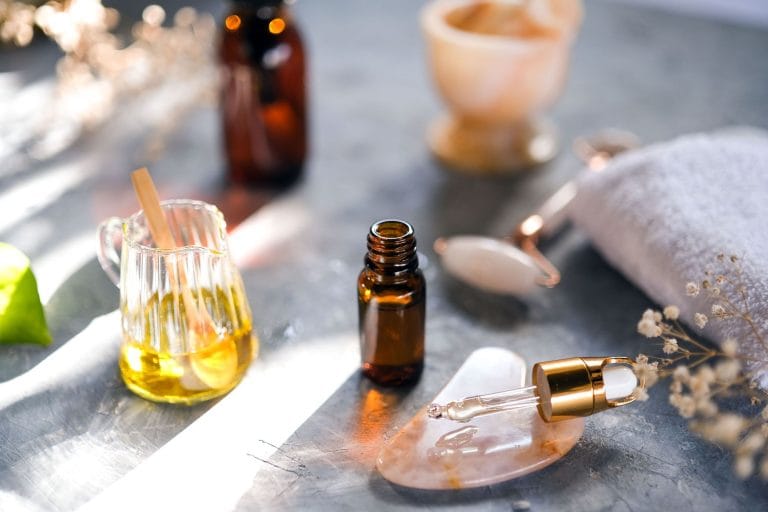
A warm, woody oil that has traveled from ancient medicine cabinets to modern skincare shelves — and what the research actually says.
Few scents feel as instantly grounding as sandalwood. For centuries, this rich, woody oil has been prized across cultures — burned as incense, blended into perfumes, and folded into traditional Chinese and Ayurvedic remedies. Today it is exported as a valuable commodity and studied for far more than its fragrance.
East Indian sandalwood oil, distilled from the Santalum album tree, is the most researched variety. It carries anti-inflammatory, antimicrobial, antiviral, and antioxidant properties, and early studies hint at benefits for aging skin and even blood sugar. In the United States the FDA lists it as a natural flavoring agent, while Australia’s regulators classify it as a medicine. Here is a clear, evidence-based look at what sandalwood oil may offer.
Key Takeaways
– Sandalwood oil has anti-inflammatory, antimicrobial, and antioxidant properties that may benefit skin and overall wellness.
– Its antimicrobial action makes it a promising, well-tolerated option for managing mild to moderate acne.
– Inhaling the oil may support better sleep, calmer moods, and reduced stress and anxiety.
– It may help protect against oxidative stress and soothe inflammatory skin conditions like psoriasis.
– Adults can use it safely in the right dilution; pregnant or nursing women should check with a doctor first.
What Makes Sandalwood Oil So Valued
Sandalwood essential oil owes its reputation to a broad set of medicinal properties documented in research. It is described as anti-inflammatory, antimicrobial, antioxidant, antiviral, and antihyperglycemic (blood-sugar lowering), along with anti-aging, anti-acne, skin-softening, and even chemopreventive effects. Much of this activity traces back to its aromatic compounds — especially the santalols — which give the oil both its signature scent and its therapeutic punch.
Sandalwood Oil Benefits for Skin
Brightening a Dull Complexion
One of sandalwood’s standout compounds, alpha-santalol, inhibits tyrosinase — an enzyme that drives melanin production. That is why the oil turns up as an active ingredient in so many complexion-focused skincare products. It is also rich in sesquiterpenoids, molecules that help deliver oxygen to cells and act as gentle coolants. While some people use sandalwood to fade dark spots, that particular claim isn’t backed by solid research yet.
Calming Acne-Prone Skin
 Save
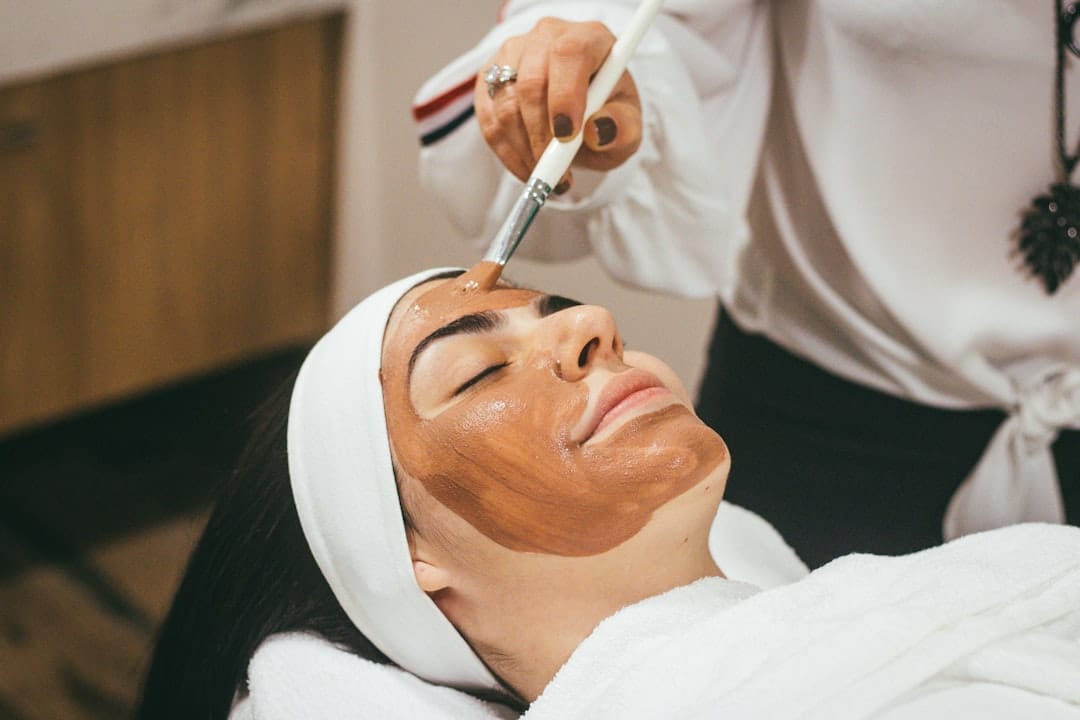
SaveBecause sandalwood oil is anti-inflammatory, antimicrobial, and anti-proliferative, it shows real promise for breakouts and other skin troubles like eczema, psoriasis, and warts. In studies, adolescents and adults with moderate facial acne saw their symptoms improve after using sandalwood oil — with no reported side effects. Researchers describe it as safe, well-tolerated, and rejuvenating, and it is now produced under current Good Manufacturing Practices standards.
Sandalwood Oil for Hair Growth
 Save
SaveThe hair research is early but intriguing. In mouse studies, sandalwood oil reduced the number of mast cells clustered around hair follicles — cells thought to cut the growth phase short — and appeared to encourage new growth. Separately, scientists at the University of Manchester found that a sandalwood-like odorant activated a scalp receptor called OR2AT4, which may help prolong the hair’s growing phase. Whether this translates to real results in humans still needs more study, but it is a promising lead.
Benefits for the Mind: Sleep, Stress, and Anxiety
Better Sleep
 Save
SaveSantalol, one of the oil’s active components, has been shown to shorten total waking time and lengthen the restorative non-REM phase of sleep. Because it is absorbed through the respiratory lining when inhaled, it can gently support people who struggle to drift off.
Easing Anxiety and Stress
Sandalwood is a mainstay of aromatherapy for good reason. In studies, the oil helped reduce anxiety in women undergoing breast biopsies and in palliative care patients. Research into its physiological effects also found it could soften the body’s stress response and support recovery afterward — one reason it pairs so naturally with meditation. Larger trials are still needed, but the calming reputation appears earned.
Whole-Body Benefits
Fighting Inflammation
 Save
SaveSandalwood oil inhibits oxidative enzymes and shields cells from oxidative stress. Research shows it can suppress the release of several pro-inflammatory chemokines and cytokines, the signaling compounds the body produces during inflammation.
Urinary and Antiseptic Support
Thanks to antipyretic, antiseptic, and diuretic properties, sandalwood oil has traditionally been used for urinary tract complaints, along with bronchitis, cystitis, and painful urination. As a potent antiseptic and astringent, it may also help with inflammatory skin disorders like psoriasis, though more research is warranted.
Memory and Blood Pressure
The oil is often used to promote mental clarity, and animal studies have shown improved learning and memory — especially during periods of rapid growth. Some research also found sandalwood oils could lower systolic blood pressure and aid recovery from stress, with sandalwood powder containing mild hypotensive agents.
Menopause and Body Odor
The calming sesquiterpenols in sandalwood may soothe the nervous system enough to ease menopausal symptoms like hot flashes, and clinical work confirms its relaxing effect. Its beloved fragrance and fixative qualities may also help mask body odor from excessive sweating, though evidence here is limited.
How to Use Sandalwood Oil Safely
Sandalwood essential oil is potent, so a little goes a long way. For skin, dilute it in a carrier oil before applying, and patch-test first. For its mental and sleep benefits, diffuse a few drops or inhale it. Keep it well out of reach of children. If you are pregnant, breastfeeding, or managing a health condition, talk to your doctor before adding it to your routine.
Frequently Asked Questions
Is sandalwood oil safe to put directly on the skin?
It’s best diluted in a carrier oil rather than applied neat. Studies found it well-tolerated for acne, but a patch test helps you rule out sensitivity.
Can sandalwood oil really help me sleep?
Its active compound, santalol, has been shown to reduce waking time and increase restorative non-REM sleep when inhaled, making it a gentle option for restless nights.
Who should avoid sandalwood oil?
Keep it away from children, and if you are pregnant or breastfeeding, check with your doctor first. Anyone with a known fragrance allergy should also be cautious.
The Bottom Line
Sandalwood oil is more than a beautiful scent. Research supports its role in calming acne, fighting inflammation, easing stress and anxiety, and supporting sleep, while early studies hint at benefits for hair, memory, and blood pressure. Many claims still need larger human trials, so treat it as a gentle, complementary tool rather than a cure. Used thoughtfully and in the right dilution, this fragrant oil can be a warm addition to both your skincare shelf and your wind-down ritual.
This article is for informational purposes only and is not a substitute for professional medical advice. Always consult a qualified healthcare provider before using essential oils, especially if you are pregnant, nursing, taking medication, or managing a health condition.