
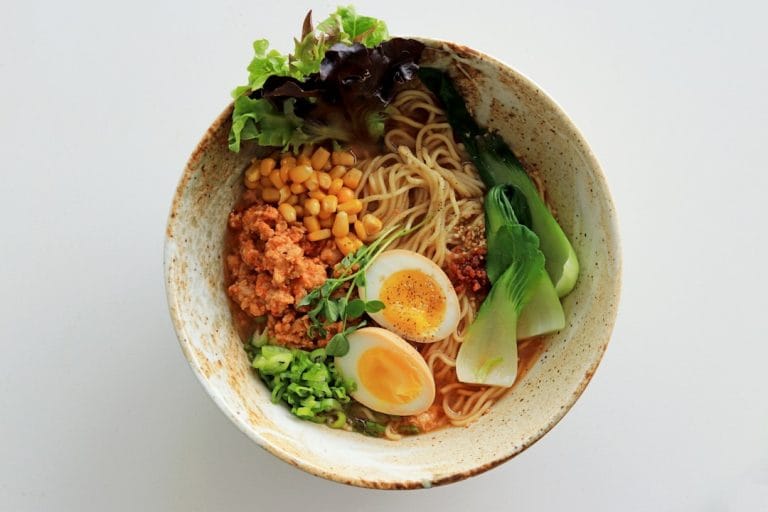
A nutty Japanese staple that quietly does your heart and blood sugar a favor.
Soba noodles have been a fixture of Japanese kitchens for centuries, prized for their earthy, nutty flavor and their satisfying chew. What sets them apart from most pasta is the flour: buckwheat, a seed rather than a true grain, which happens to be naturally gluten-free. That single ingredient is why soba shows up in conversations about heart health, steadier blood sugar, and appetite control.
They are also endlessly flexible. You can slurp them hot in broth on a cold night or serve them chilled with a dipping sauce in summer. Below is what buckwheat brings to the table nutritionally, the different styles you’ll run into, and the one caveat that keeps soba from being a free-for-all.
Key Takeaways
– Soba noodles are built on buckwheat flour, which is gluten-free and may help lower cholesterol and triglycerides.
– Buckwheat has a low glycemic index, so it tends not to spike blood sugar the way refined starches do.
– The protein in buckwheat supports fullness and may nudge overall calorie intake down.
– Buckwheat’s flavonoids, including rutin, carry anti-inflammatory and antioxidant activity.
– Buckwheat is often blended with wheat, so anyone with a wheat allergy needs to read the label.
What Exactly Are Soba Noodles?
At their simplest, soba noodles are thin noodles made from buckwheat flour. They cook quickly, hold up to both hot and cold preparations, and carry a distinctive toasty taste that plain wheat noodles lack. In Japan there’s even a New Year’s Eve tradition, dating back to the Edo period, of eating soba on the evening of December 31st.
Because buckwheat isn’t wheat, botanically speaking, soba is often described as a good option for people with celiac disease or gluten sensitivity. The catch, which I’ll come back to, is that not every package of soba is pure buckwheat.
Not All Soba Is the Same
How much buckwheat goes into the dough changes the flavor, color, and texture. A few types you’ll see:
Nihachi soba — roughly 80% buckwheat and 20% wheat, the most common version sold in the United States. The wheat gives the dough strength and a smoother bite.
Juwari soba — 100% buckwheat, the traditional style, with a grainy texture and a strong nutty, earthy taste.
Sarashina soba — pale, delicate noodles made only from the endosperm of the buckwheat seed, with a subtle sweetness.
Inaka soba — darker and thicker, made from whole un-hulled buckwheat seeds, with a bolder aroma.
Cha soba — buckwheat and wheat flour blended with green tea powder, giving a gentle green-tea scent, often saved for special occasions.
How Soba Shows Up on the Table
 Save
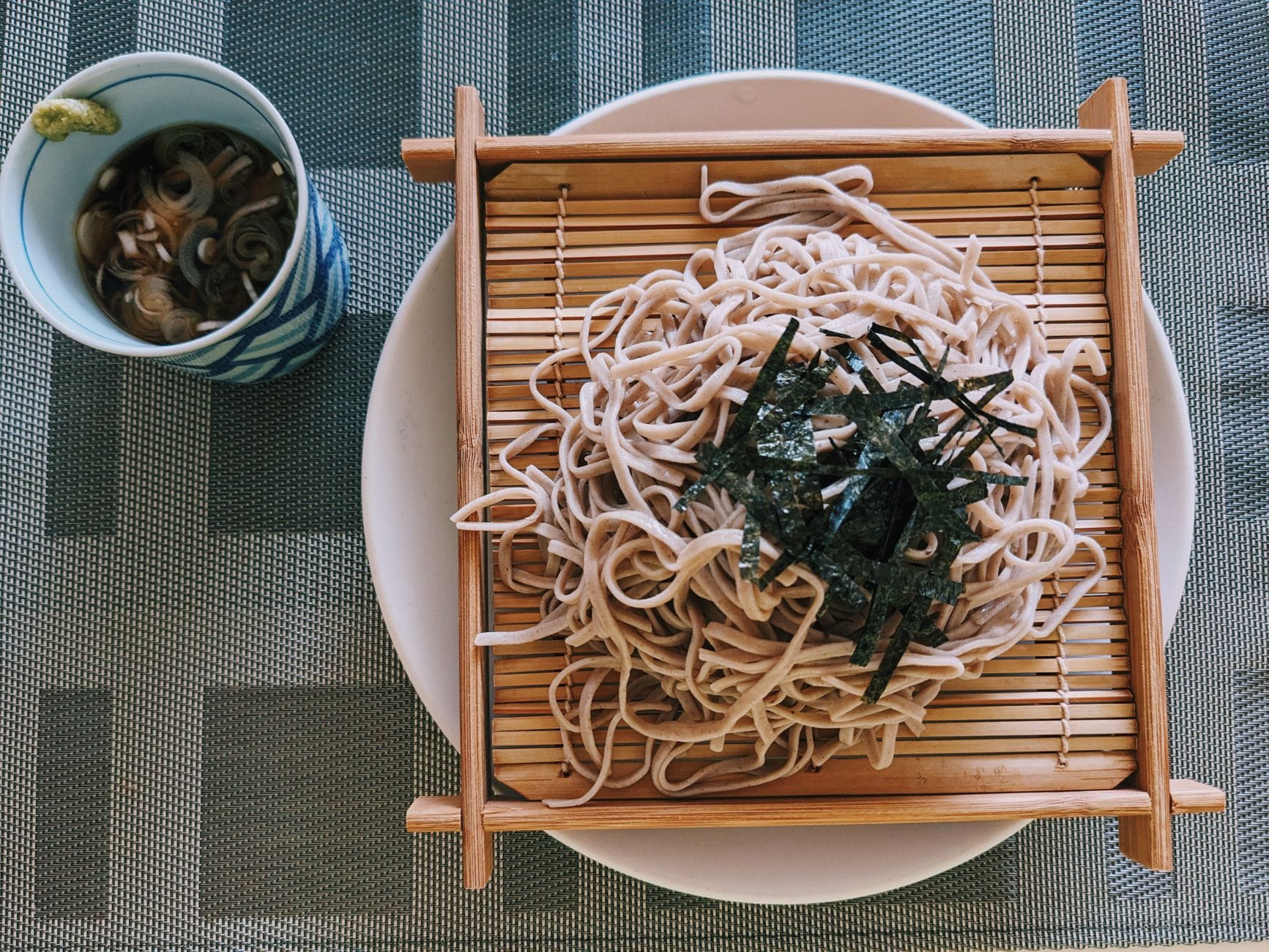
SaveThe noodle is only half the story. The other half is how it’s served. Zaru soba is the classic cold plate: chilled noodles laid over a bamboo mat with a soy-based dipping sauce, green onions, and a dab of wasabi. Kake soba goes the opposite direction, with hot noodles sitting in a savory broth, dressed with scallions, seaweed, or tempura.
From there it gets playful. Tanuki soba tops the broth with tenkasu, the crispy tempura flakes that add crunch. Kitsune soba leans sweet and savory with a slab of marinated fried tofu called aburaage. None of these change the nutrition dramatically, but they do show how far one humble noodle can stretch.
What You Get Nutritionally
According to USDA data, dry Japanese soba noodles deliver a respectable amount of plant protein along with dietary fiber, and they contain no cholesterol. Buckwheat also brings antioxidants and bioactive plant compounds that plain refined pasta simply doesn’t. The protein and fiber together are the reason soba tends to feel more filling than its calorie count would suggest.
The Buckwheat Advantage
 Save
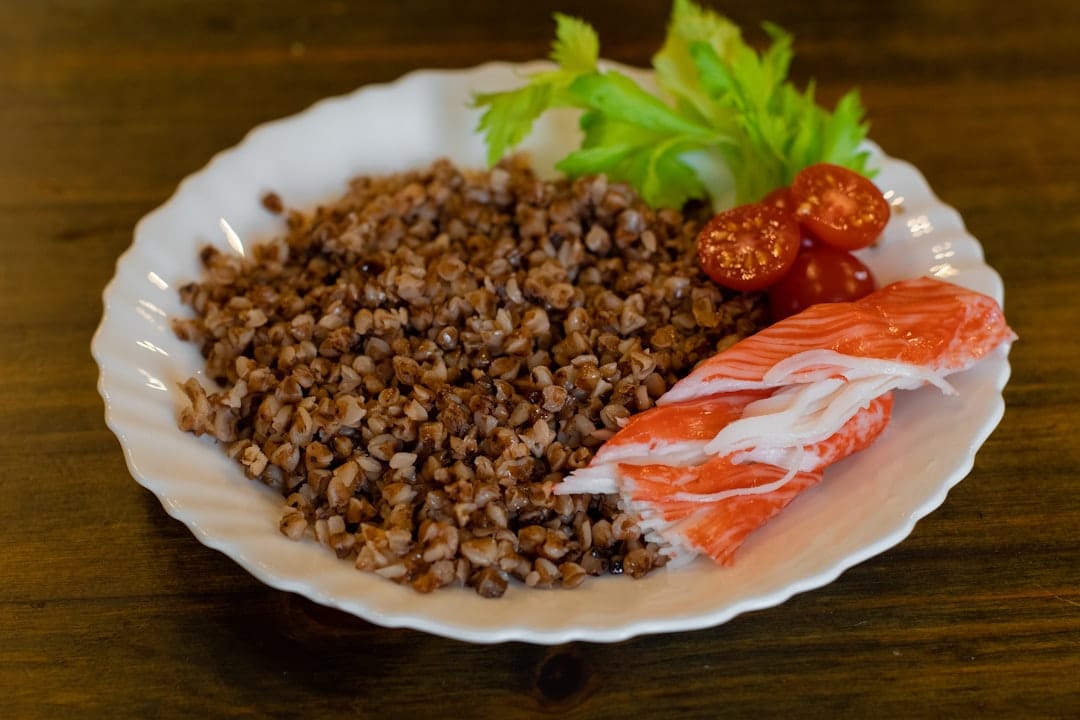
SaveMost of soba’s reputation traces straight back to buckwheat, so the research below is really about the seed.
Kinder to your heart
 Save
SaveA study of 850 people in southeast China linked oat and buckwheat intake to lower total and LDL cholesterol and a healthier ratio of HDL to total cholesterol. Animal work backs this up, with buckwheat also lowering triglycerides and showing potential to reduce plasma cholesterol and blood pressure. Together those effects point toward a lower risk of cardiovascular disease. If heart health is your main goal, soba fits alongside other strategies like leaning on the fat-burning potential of omega-3s from oily fish.
Steadier blood sugar
Buckwheat’s low glycemic index is one of its strongest selling points. Foods that digest slowly release their sugars gradually, which blunts the sharp post-meal spikes that refined starches cause. Boiled buckwheat noodles specifically break down their starch slowly, and reviews of whole-grain foods suggest they help prevent and manage type 2 diabetes. That makes soba a reasonable pick for anyone watching their glucose, much like the approach behind a short plan built to keep blood sugar level.
Calmer inflammation and healthier veins
Buckwheat and its flavonoids show anti-inflammatory activity, and whole-grain intake in general is tied to lower inflammation. One flavonoid in particular, rutin, has been studied for its role in supporting fragile blood vessels, with early research suggesting it may help with issues like varicose veins and hemorrhoids by protecting against oxidative and inflammatory damage. This part is less settled, and researchers are clear that more study is needed before rutin becomes a recommended remedy.
A friend to your gut, and your waistline
There’s early evidence that buckwheat behaves like a prebiotic, feeding beneficial bacteria. In rats it increased lactic acid and aerobic bacteria, and prebiotics broadly are linked to better mineral absorption, improved lipid metabolism, and a lower risk of certain digestive problems. On the weight side, buckwheat’s high protein content is the key: protein-rich meals tend to boost fullness and trim overall energy intake. That same principle drives plenty of plant-forward eating plans, including smart swaps that make a vegan diet effective for shedding weight.
When Soba Isn’t a Good Idea
 Save
SaveHere’s the caveat. For most people soba is perfectly safe, but buckwheat is a recognized allergen. Reactions, though uncommon, can be serious, ranging from skin rashes and airway tightening to anaphylaxis, with most reported cases coming out of Europe and Asia.
The sneakier issue is wheat. Because so many soba noodles blend buckwheat with wheat flour, a package that reads as “buckwheat noodles” may still contain gluten. If you have celiac disease or a wheat allergy, the front of the box isn’t enough. Turn it over and confirm the ingredient list before you buy.
Frequently Asked Questions
Are all soba noodles gluten-free?
No. Buckwheat itself is gluten-free, but many commercial soba noodles are cut with wheat flour for a smoother texture. Only 100% buckwheat varieties like juwari soba are truly gluten-free, and even then you’ll want to check for cross-contamination warnings.
Can I eat soba noodles if I have diabetes?
They’re generally a friendly choice thanks to buckwheat’s low glycemic index and slow starch breakdown, which help avoid sharp blood sugar spikes. As always, portion size and what you serve alongside them still matter, so check with your care team about your own targets.
Are soba noodles better hot or cold?
Neither is healthier, it’s a matter of taste and season. Cold zaru soba with a dipping sauce is refreshing in summer, while hot kake soba in broth is comforting in winter. The noodle itself is the same either way.
The Bottom Line
Soba noodles are a rare case of a comfort food that mostly earns its reputation. Built on buckwheat, they offer plant protein with no cholesterol, a low glycemic footprint, anti-inflammatory flavonoids, and prebiotic potential, which together touch your heart, blood sugar, gut, and appetite. The one real asterisk is allergens: pure buckwheat is gluten-free, but the wheat blended into most packages is not, so anyone sensitive should read labels closely. Cooked simply and paired with vegetables and a good broth, soba is an easy, flavorful upgrade over standard refined pasta.
This article is for informational purposes only and is not a substitute for professional medical advice. Talk to your doctor or a registered dietitian before making significant changes to your diet, especially if you have a food allergy, diabetes, or another health condition.