

A plant-forward plate can help the pounds come off — but only if you build it thoughtfully.
More people than ever are turning to plant-based eating, and it’s easy to see why. A vegan diet is gentler on the planet, kinder to animals, and — done right — a genuinely effective way to manage your weight. By stepping away from animal products and leaning into fiber-rich, nutrient-dense plants, many people naturally eat fewer calories without feeling deprived.
But “going vegan” isn’t a magic switch. Whether you shed weight and feel your best comes down to how you fill your plate. Below, we’ll walk through what the research actually says and share five practical nutrition tips to help you lose weight sustainably on a plant-based diet.
Key Takeaways
– A vegan weight-loss diet centers on whole plant foods — vegetables, fruit, whole grains, legumes, nuts, and seeds — while cutting out all animal products.
– Studies link vegan eating to greater weight loss, a modest metabolism boost, and improvements in cholesterol and BMI.
– The essentials for success: enough protein, plenty of fiber, minimal processed food, and less refined sugar.
– Pairing a vegan diet with movement, mindful eating, and sensible portions delivers the most lasting results.
– Because plant-only eating can fall short on certain nutrients, it’s smart to plan carefully or work with a dietitian.
What a Vegan Diet Actually Involves
A vegan diet is built entirely from plants: fruits, vegetables, whole grains, legumes, nuts, seeds, non-dairy milks like oat and almond, and protein-rich options such as tofu and tempeh. Everything derived from animals — meat, poultry, fish, dairy, eggs, and even by-products like honey and gelatin — is off the menu.
For many, veganism is as much a lifestyle as a diet, rooted in avoiding animal exploitation and shrinking their environmental footprint. Alongside those ethical and ecological reasons, there’s a health payoff too: research shows that people following a vegan diet tend to see meaningful weight reduction (1).
What Counts as a Healthy Weight?
There’s no single “ideal” number that applies to everyone, and the scale alone won’t tell you the whole story. A healthy weight is the range that’s optimal for your overall well-being. It’s often estimated using Body Mass Index (BMI) — a figure based on height and weight — but factors like muscle mass, bone density, age, sex, and body-fat percentage all matter too.
Reaching a healthy weight is linked to a lower risk of heart disease, diabetes, and some cancers, plus better physical and mental health. And it isn’t only about food: quality sleep, regular exercise, and managing stress all play a role (2). The goal is sustainable, lifestyle-based change — not obsessing over a single digit.
Does Going Vegan Help You Lose Weight?
The short answer is yes — with a caveat. A vegan diet can be very effective for weight loss, but success depends on your food choices, portion sizes, and total calorie intake (3).
The evidence is encouraging. In head-to-head comparisons, people on vegan diets lost more weight than those following semi-vegetarian, pescatarian, omnivorous, or standard vegetarian plans — largely thanks to a lower intake of unhealthy fats (3). Other research found that plant-based eating can gently raise resting energy expenditure, meaning your body burns slightly more calories at rest (4).
There’s also the adherence factor. Many diets get abandoned within weeks because they feel too restrictive. Yet studies suggest people stick with vegan eating relatively well — and even those who followed it imperfectly still saw significant weight loss and lower cholesterol compared with non-vegan eaters (5).
The trade-off? A vegan diet isn’t automatically balanced. Left unplanned, it can fall short on protein, iodine, and certain fatty acids. That’s why doing it thoughtfully — ideally with guidance from a nutritionist or dietitian — matters so much.
Why Nutrition Makes or Breaks Your Results
Cutting animal products doesn’t guarantee the number on the scale will drop. Weight loss still comes down to the fundamentals: taking in fewer calories than you burn. A well-designed vegan diet supports that by supplying steady energy, keeping your metabolism humming, and curbing hunger between meals.
Here’s a subtle catch — because vegan meals skip rich, processed animal foods, they can sometimes feel less satisfying at first. The fix is balance: enough protein and healthy fats to keep you full, plenty of fiber for lasting satiety, and a foundation of nutrient-dense whole foods rather than vegan junk food.
Five Nutrition Tips for Vegan Weight Loss
1. Prioritize Protein
 Save
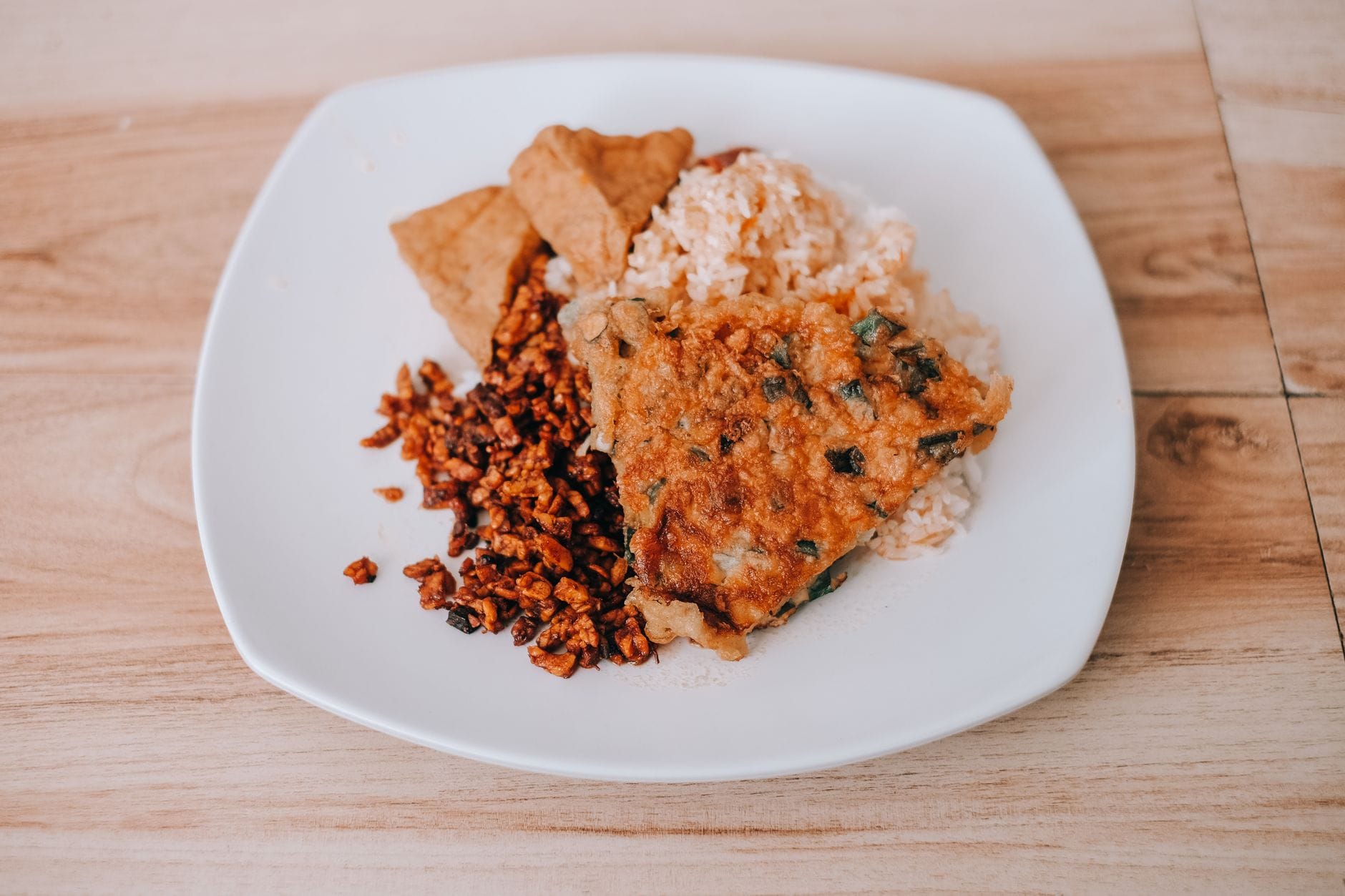
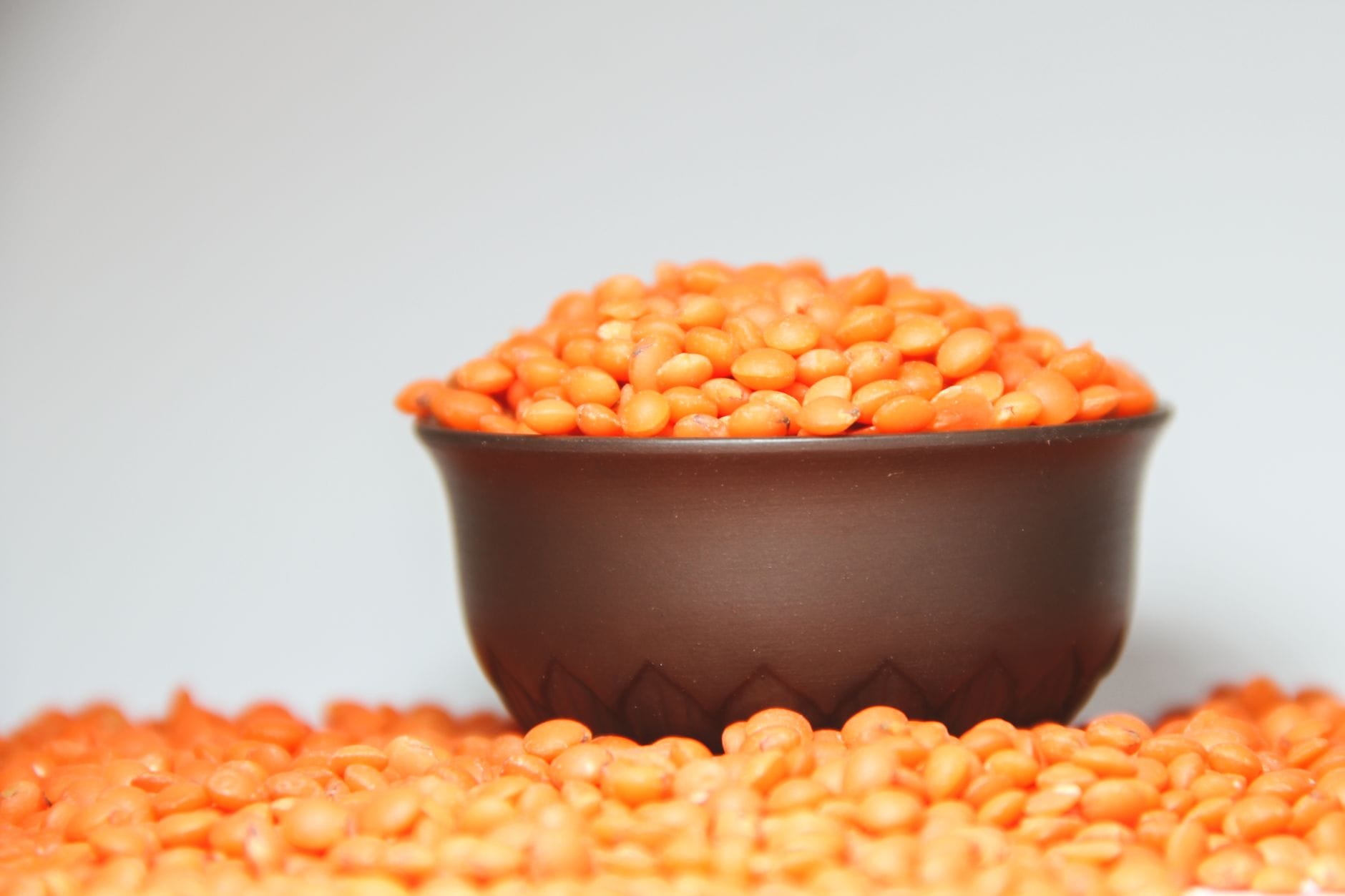
SaveProtein keeps you full and protects muscle as you lose fat. Lean on lentils, chickpeas, black beans, tofu, tempeh, edamame, and seeds, and aim to include a source at every meal.
2. Fill Up on Fiber
 Save
SaveFiber is a plant-based dieter’s best friend — it slows digestion, steadies blood sugar, and keeps hunger at bay. Vegetables, fruit, whole grains, and legumes deliver it in abundance.
3. Cut Back on Processed Foods
Vegan cookies, chips, and faux meats can be surprisingly calorie-dense. Treat them as occasional extras rather than staples.
4. Watch Refined Sugar
 Save
SaveAdded sugars sneak into plant milks, sauces, and packaged snacks. Reading labels and favoring whole fruit for sweetness makes a real difference.
5. Mind Your Portions
Even healthy foods add up. Pairing sensible portions with mindful, distraction-free eating helps you tune into genuine fullness.
Plant Foods That Support Weight Loss
 Save
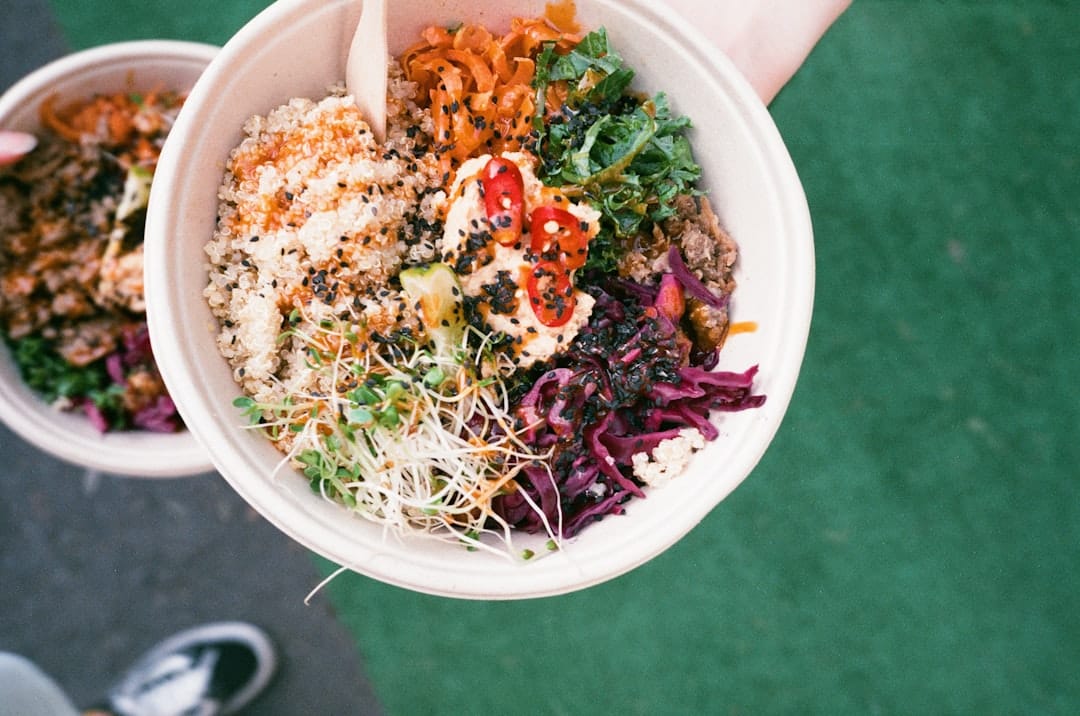
SaveFill most of your plate with these nourishing, weight-friendly staples:
Leafy greens and non-starchy vegetables — high volume, low calorie.
Legumes — beans, lentils, and peas for protein and fiber.
Whole grains — oats, brown rice, and quinoa for lasting energy.
Fruit — naturally sweet, fiber-rich satisfaction.
Nuts and seeds — healthy fats in modest portions.
Frequently Asked Questions
How quickly can I lose weight on a vegan diet?
It varies from person to person. With a modest calorie deficit and whole-food choices, a gradual, steady loss tends to be the most realistic and sustainable approach.
Do I need supplements on a vegan diet?
Often, yes. Vitamin B12 is essential to supplement, and many people also benefit from vitamin D, iodine, and omega-3s. A blood test and professional advice can guide you.
Can vegan food make me gain weight?
Absolutely — vegan doesn’t mean low-calorie. Heavy reliance on processed snacks, oils, and refined carbs can lead to weight gain just like any other diet.
The Bottom Line
A vegan diet can be a genuinely powerful ally for weight loss, backed by research showing better results and strong adherence compared with many other eating styles. But the plants on your plate have to earn their place: prioritize protein and fiber, minimize processed foods and added sugar, and keep portions in check. Combine that with regular movement, good sleep, and stress management, and you’ve got a plan that not only trims your waistline but nourishes your whole self. When in doubt, loop in a dietitian to make sure your plant-based plate is complete.
This article is for informational purposes only and is not a substitute for professional medical advice. Consult a qualified healthcare provider or registered dietitian before making significant changes to your diet, especially if you have an underlying health condition.