
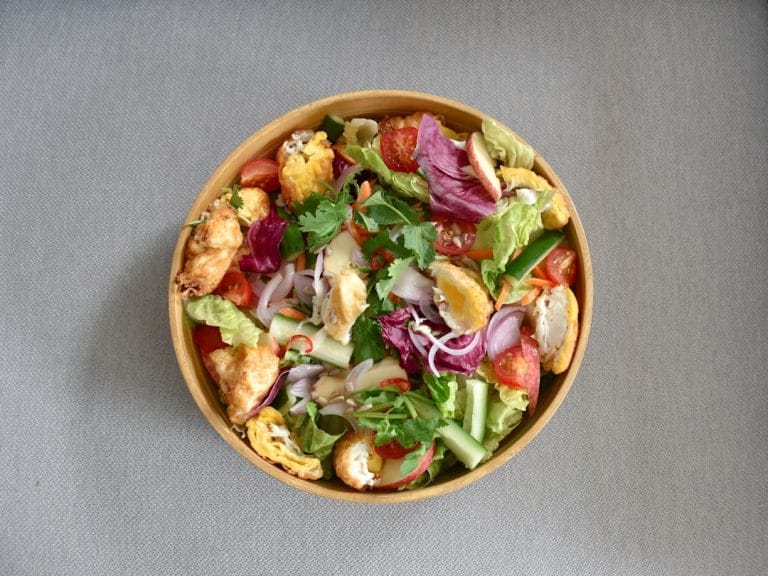
A plant-forward way of eating that keeps you full, nourished, and on track.
If you want to slim down without feeling deprived, a well-built vegetarian diet is one of the most reliable places to start. Plant-based meals tend to be lower in calories, higher in fiber, and packed with nutrients that keep hunger in check and protect long-term health.
The catch is planning. A vegetarian diet thrown together without thought can leave you short on protein, iron, or vitamin B12. So the goal isn’t just “no meat” — it’s a thoughtful, balanced plate. Below you’ll find a seven-day guide, the foods worth stocking, and the precautions that keep this style of eating both effective and safe.
Key Takeaways
– A vegetarian diet for weight loss is rich in plant-based nutrients and naturally lower in calories.
– It tends to be low in saturated fat and cholesterol, which supports a healthier body weight.
– The fiber in vegetables, fruits, and whole grains promotes fullness and better digestion.
– Plant-based eating may lower the risk of concerns like gout and kidney stones.
– Fried and heavily processed foods should be limited for the plan to work.
Understanding the Vegetarian Diet and Its Types
A vegetarian diet simply leaves meat off the plate, but there’s more than one way to do it:
Lacto-vegetarian — no meat or eggs, but dairy like milk, cheese, and yogurt is included.
Ovo-vegetarian — no meat or dairy, but eggs are allowed.
Vegan — the strictest version, excluding all animal products. It has grown popular as a sustainable weight-management strategy that naturally lowers calorie intake.
Raw vegan — a vegan approach centered on unprocessed foods that aren’t cooked above a set temperature.
The plan below follows a plant- and dairy-based approach, so it works well for lacto-vegetarians.
How a Vegetarian Diet Supports Weight Loss
Naturally Lower in Calories
Cutting calories is the first real step toward losing weight, and plants make that easier. Fiber-rich vegetables, fruits, and whole grains fill you up on fewer calories. Research in The American Journal of Clinical Nutrition found that people eating vegetarian took in fewer calories than those on higher-protein, meat-heavy diets. That said, eating fruits and vegetables in unlimited amounts isn’t a free pass — portions still matter for lasting results.
Less Saturated Fat and Cholesterol
When most of your energy comes from vegetables, fruits, whole grains, legumes, and healthy fats, your intake of saturated fat and cholesterol naturally drops. That shift is linked to quicker weight loss and, over time, a lower body mass index among people who eat this way.
More Fiber for Lasting Fullness
 Save
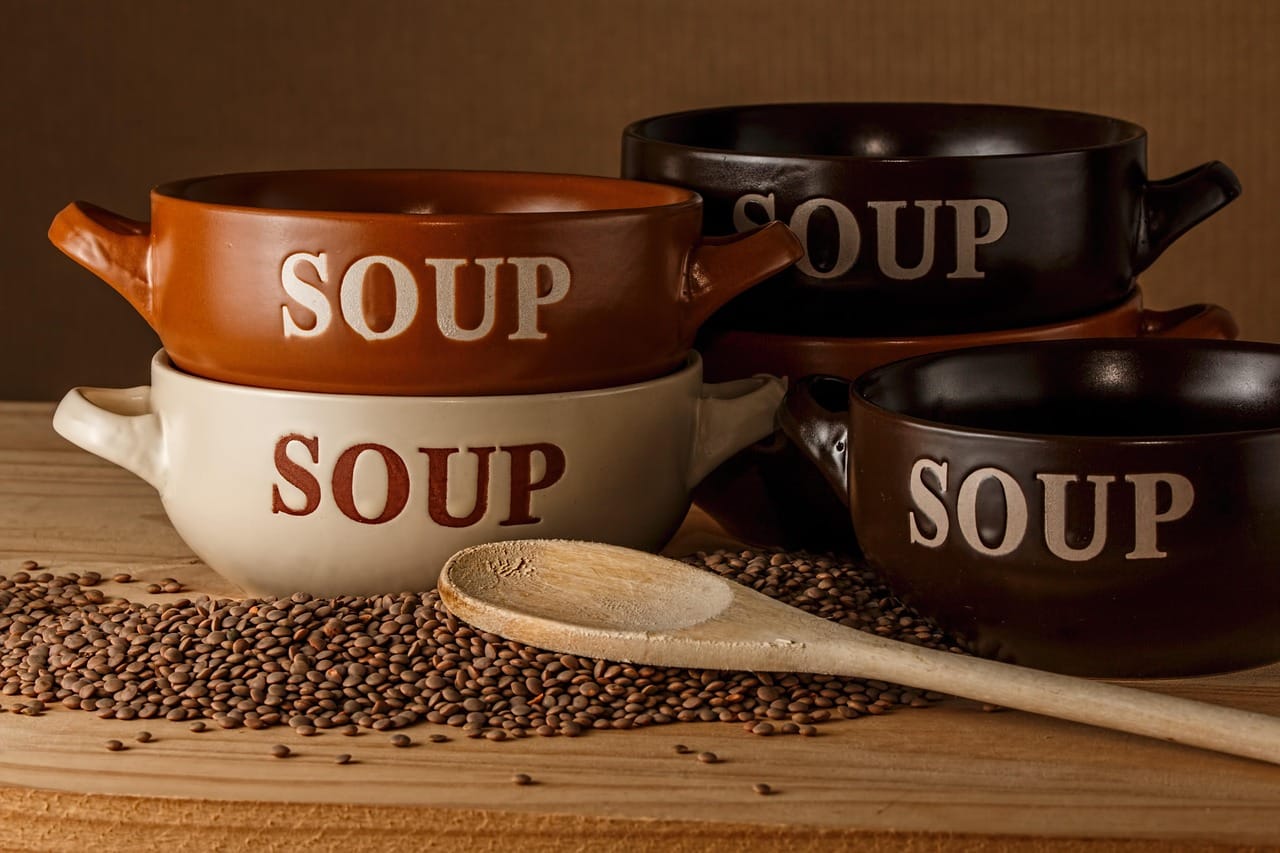
SaveFiber slows digestion and steadies blood sugar, which means you feel satisfied longer and reach for snacks less often — a quiet but powerful ally when you’re trying to eat less without willpower battles.
A 7-Day Vegetarian Meal Plan
 Save
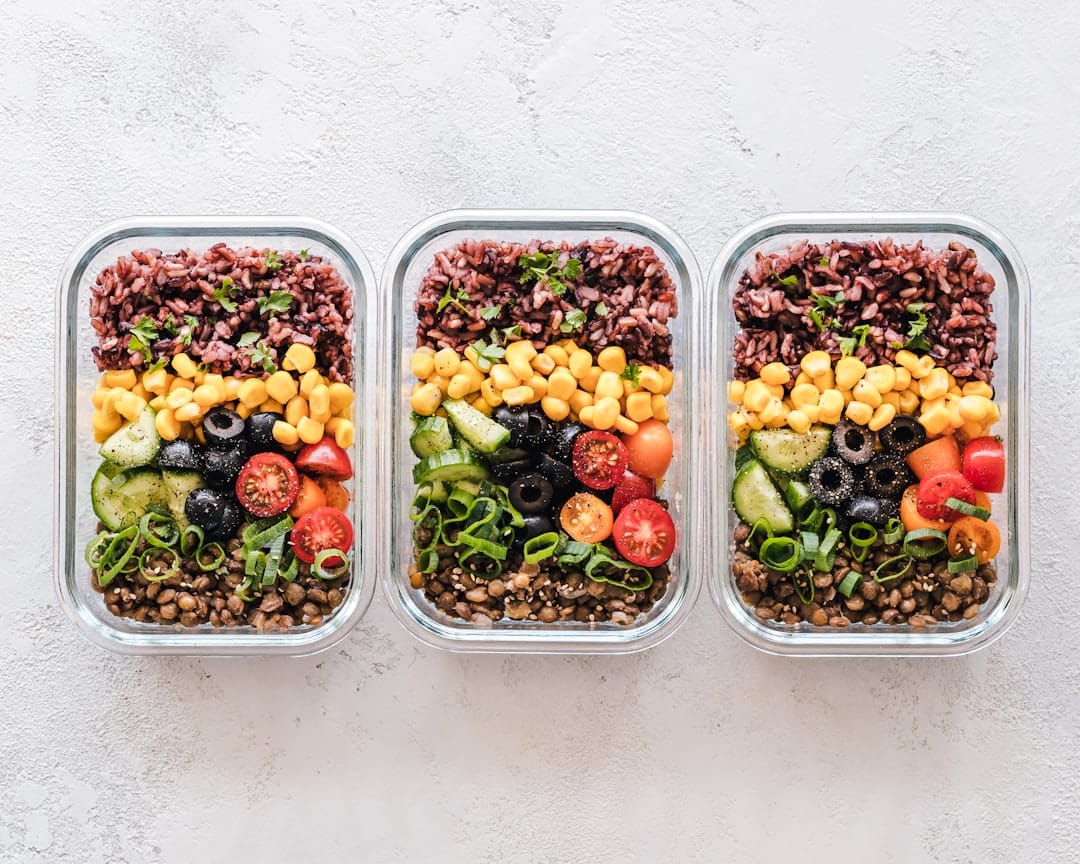
SaveEach day supplies roughly 50–60 g of protein, 200–230 g of carbohydrates, 30–35 g of fat, and 30–40 g of fiber. Calorie levels vary by day to keep things flexible.
Day 1 (~1800 cal): Overnight-soaked fenugreek water; oatmeal with flaxseed and banana; watermelon and almonds; brown rice with grilled tofu, tomato, onion, and spinach plus buttermilk; green tea with a multigrain biscuit; whole-wheat flatbreads with chickpea curry and raw veggies.
Day 2 (~1500 cal): Warm lime-honey water; multigrain flakes with berries, almonds, and apple; pineapple with lime; black beans with spinach and cucumber plus yogurt; green tea and a biscuit; lentils with stir-fried veggies.
Day 3 (~1200 cal): Wheatgrass juice; muesli with milk, blueberries, and chia; green tea or fruit; broccoli, corn, cucumber, and mushroom salad; pistachios; butternut squash soup with garlic bread.
Day 4 (~1200 cal): Apple cider vinegar water; strawberry-banana-chia smoothie; green tea and an apple; quinoa salad with yogurt; green tea and plain popcorn; kidney bean chili with cucumber and beetroot.
Day 5 (~1500 cal): Lime-honey water; avocado pesto toast with green tea; watermelon; spinach brown rice with pumpkin curry and buttermilk; fresh fruit juice; smoked tofu and kale salad.
Day 6 (~2000 cal — cheat day): Wheatgrass juice; oatmeal and green tea; muskmelon; sautéed veggies with lentils; baked potato and spinach cakes with yogurt dip; mushroom risotto with chocolate mousse.
Day 7 (~1500 cal): Lime-honey water; oatmeal with banana and almonds; green tea or coffee; cottage cheese lettuce wraps with buttermilk; green tea and pistachios; black bean, spinach, and corn salad.
A cup of warm milk before bed rounds out most evenings. Follow the plan consistently and many people notice meaningful change within about three weeks.
Meal Preparation Tips
Batch-cook staples like quinoa, lentils, and roasted vegetables to reuse all week.
Portion them out before refrigerating so healthy choices are grab-and-go.
Keep cut vegetables, hummus, fruit, nuts, and seeds ready to head off between-meal cravings.
Prepping ahead keeps a new diet from feeling overwhelming and helps you stay motivated.
Foods to Fill Your Plate
 Save
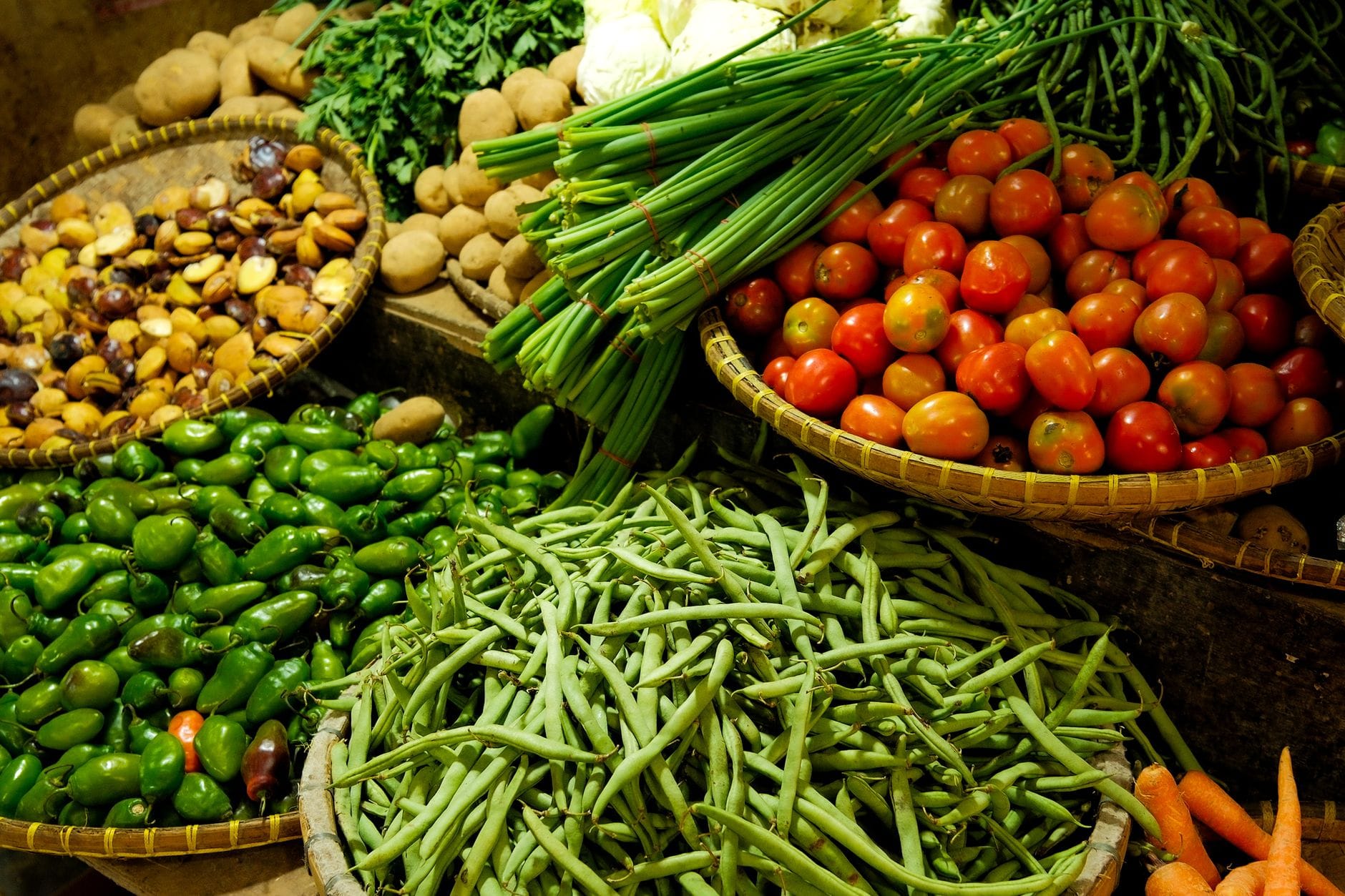
SaveBuild meals around vegetables, fruits, and whole grains, then add plant proteins and good fats:
Proteins: tofu, tempeh, lentils, chickpeas, beans, cottage cheese, and yogurt.
Whole grains: brown rice, quinoa, oats, and multigrain flatbreads.
Healthy fats: avocado, olive oil, nuts, and seeds like flax and chia.
Produce: leafy greens, broccoli, berries, and other colorful vegetables and fruits.
Foods to Limit or Avoid
Being vegetarian doesn’t automatically mean eating light. Steer clear of fried foods, refined snacks, sugary drinks, and heavily processed packaged items. These add calories with little nutrition and can quietly stall progress.
Health Benefits Beyond the Scale
 Save
SaveBeyond weight, a balanced vegetarian pattern is tied to lower cholesterol, better digestion from the extra fiber, and a reduced risk of concerns like gout and kidney stones. It’s an approach that tends to support overall wellness, not just a number.
Precautions to Keep in Mind
The main risk of vegetarian eating is nutritional gaps. Without planning, you may fall short on protein, iron, vitamin B12, calcium, or omega-3s. Combine varied plant proteins, include fortified foods where helpful, and talk to a doctor or dietitian about supplements — especially for B12 on a vegan plan.
Frequently Asked Questions
Does a vegetarian diet reduce belly fat?
It can, indirectly. By lowering overall calorie and saturated fat intake while raising fiber, a vegetarian diet supports fat loss throughout the body, including the midsection. Spot reduction isn’t possible, so pair it with activity.
How quickly will I see results?
With consistency, many people notice changes within about three weeks. Results depend on portion sizes, activity level, and how closely you stick to the plan.
Can I lose weight on a vegetarian diet if I still eat cheese and dairy?
Yes. Lacto-vegetarian eating works well for weight loss as long as portions stay reasonable and you emphasize whole foods over fried and processed options.
The Bottom Line
A vegetarian diet for weight loss works because it leans on fiber-rich, lower-calorie plant foods that keep you full while trimming saturated fat and cholesterol. The seven-day plan above shows how varied and satisfying that can look. Plan for balance, mind your portions, cover key nutrients like B12 and iron, and you’ll have an approach that supports both a healthier weight and your long-term wellbeing.
This article is for informational purposes only and is not a substitute for professional medical advice. Consult a qualified healthcare provider or registered dietitian before making significant changes to your diet, especially if you have an existing health condition.