

A short, supervised reset that may help with weight, blood sugar, and blood pressure — done just three days a week.
Obesity, high blood pressure, and type 2 diabetes affect millions of people worldwide, and they often travel together. The 800-calorie diet is one approach that some people turn to when they want a structured, short-term way to address all three. The idea is simple: on select days, you cap your intake at roughly 800 calories using nutrient-dense foods, then return to normal, balanced eating in between.
In this guide, we look at a version that runs just three days a week for about a month. Before we go further, one important note: 800 calories is a very low daily total, and this plan should only be followed under the guidance of a registered dietitian or doctor.
Key Takeaways
– The 800-calorie diet is a very low-calorie diet (VLCD) that may support weight loss and help regulate blood sugar and blood pressure.
– It leans on fiber, lean protein, and complex carbohydrates so you feel fuller on fewer calories.
– Best paired with light movement, gentle stretching, and stress-lowering habits like meditation.
– It is meant for people who are overweight or obese — not for shedding a few pounds of “flab,” since such a low intake can cause side effects.
What the 800-Calorie Diet Actually Is
 Save
SaveA very low-calorie diet limits you to around 800 calories a day. When supervised, this level of restriction has been used to encourage rapid weight loss, help improve blood sugar control, and bring down elevated blood pressure.
The concept was popularized as part of the Blood Sugar Diet by Dr. Michael Mosley. In his framework, people begin with an eight-week run of 800 calories a day, then shift to a 5:2 rhythm — eating 800 calories on two days and about 1,500 on the other five.
The plan below borrows that spirit but uses a lighter cadence: 800 calories on three days each week for a month, with normal, healthy eating on the days in between.
The Potential Benefits
 Save
SaveSupports weight loss. Cutting calories sharply for a few days can jump-start fat mobilization, encourage portion control, and lower the risk of metabolic syndrome in people carrying excess weight.
Lowers disease risk. Losing weight helps normalize hormones and everyday biological functions, which may reduce the likelihood of type 2 diabetes, hypertension, heart trouble, and digestive issues.
Boosts energy. Trading processed, high-fat foods for clean, whole ones — even briefly — can leave many people feeling lighter and more alert.
Eases inflammation. Periods of healthy, calorie-controlled eating have been linked to lower inflammation, which is itself tied to weight gain.
May reduce sleep apnea. Because weight loss is closely connected to sleep apnea, dropping pounds can improve breathing and sleep quality.
Foods to Enjoy and Foods to Skip
Because your calorie budget is tight, every bite should earn its place. Choose filling, nutrient-rich foods so you stay satisfied without overshooting.
Foods to enjoy:
Vegetables and fruits
Whole grains such as oats and quinoa
Nuts and seeds
Legumes like chickpeas and kidney beans
Eggs and dairy
Seafood such as salmon and tuna
Lean meats like chicken breast and turkey
Plant proteins such as tofu and tempeh
Foods to skip:
Fried and heavily processed foods like chips, crackers, and fries
Refined carbs such as white bread and pasta
Added-sugar foods like sweetened cereals and chocolate
Rich condiments like mayonnaise and heavy cream
Sodas and other sugary or carbonated drinks
A Sample 3-Day Menu
 Save
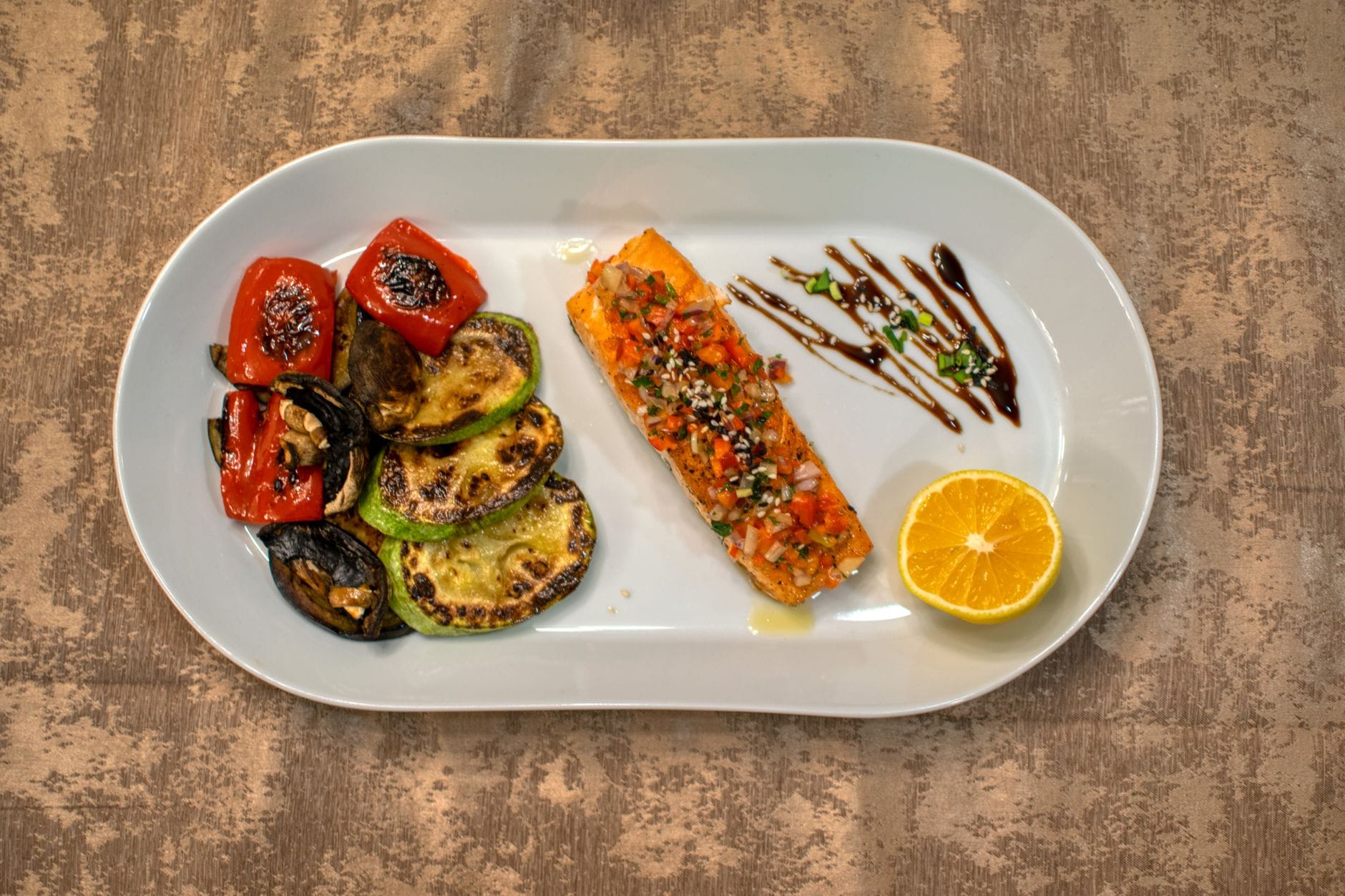
SaveHere’s what three low-calorie days might look like. Build a solid breakfast, keep lunch light, and finish with a satisfying but modest dinner.
Day 1
Oatmeal with half an apple, blueberries, and 4 almonds
2 boiled egg whites, 1 cup milk, and half a cup of papaya
1 cup clear chicken soup
1 cup sautéed vegetables
3 oz baked salmon with 1 cup boiled or blanched veggies
1 cup baked black beans with sautéed vegetables
Fenugreek-seed water may help improve insulin sensitivity, so it makes a smart companion to this plan. Green tea adds antioxidants without any calories.
Day 2
Kale and pomegranate smoothie with 2 almonds
1 cup vegetable quinoa
2 lettuce wraps with cucumber, tomato, and tofu
Tuna salad dressed with olive oil and lime
1 baked bell pepper stuffed with chickpeas
3 oz grilled chicken breast with 1 cup baked veggies
Kale, pomegranate, and quinoa deliver vitamins, minerals, and fiber that keep hunger at bay. Almonds contribute healthy fats, while green tea and grapefruit are traditionally linked to weight support.
Day 3
1 boiled egg, 1 cup fat-free milk, and half an apple
Apple, almond milk, and chia-seed smoothie
1 cup clear mushroom soup
2 oz smoked ground turkey with blanched spinach and fresh tomato
1 cup squash soup
Asian-style sautéed chicken and vegetables
Tip: Stay hydrated across all three days. If hunger strikes, reach for water, green tea, or coconut water.
Moving Your Body
 Save
SaveOn your non-diet days, staying active helps prevent weight-loss plateaus. Keep it gentle and joint-friendly:
Warm up with neck, shoulder, arm, wrist, waist, and ankle rotations — one set of 10 each
Add 3–7 minutes of spot jogging
Cycle through mountain climbers, jumping jacks, scissor kicks, squats, crunches, and forward lunges — one set of 10 each
Save intense workouts for the days you’re eating normally, when you have the fuel to support them.
Frequently Asked Questions
Is the 800-calorie diet safe for everyone?
No. It’s designed for people who are overweight or obese, ideally those managing conditions like type 2 diabetes or hypertension. It’s not appropriate for people at a healthy weight, and it should always be supervised.
Who should avoid this diet completely?
Anyone who is pregnant, breastfeeding, prone to low blood sugar, or not carrying excess weight should steer clear. If you have any chronic condition, talk to your doctor first.
What side effects should I watch for?
Some people notice fatigue, nausea, or diarrhea. Used long-term or without supervision, very low-calorie eating can strain the kidneys, liver, and heart — another reason professional guidance matters.
The Bottom Line
The 800-calorie diet is a short-term, very low-calorie reset that some people use to encourage weight loss and support healthier blood sugar and blood pressure. Followed just three days a week and built around whole, fiber-rich foods, it can be a structured nudge in the right direction. But its steep calorie cut also makes supervision essential. Pair it with gentle movement, good hydration, and stress-lowering habits — and never begin without checking in with a registered dietitian or physician.
This article is for informational purposes only and is not a substitute for professional medical advice. Always consult a qualified healthcare provider or registered dietitian before starting any very low-calorie diet, especially if you are managing a health condition, are pregnant or breastfeeding, or take medication.